
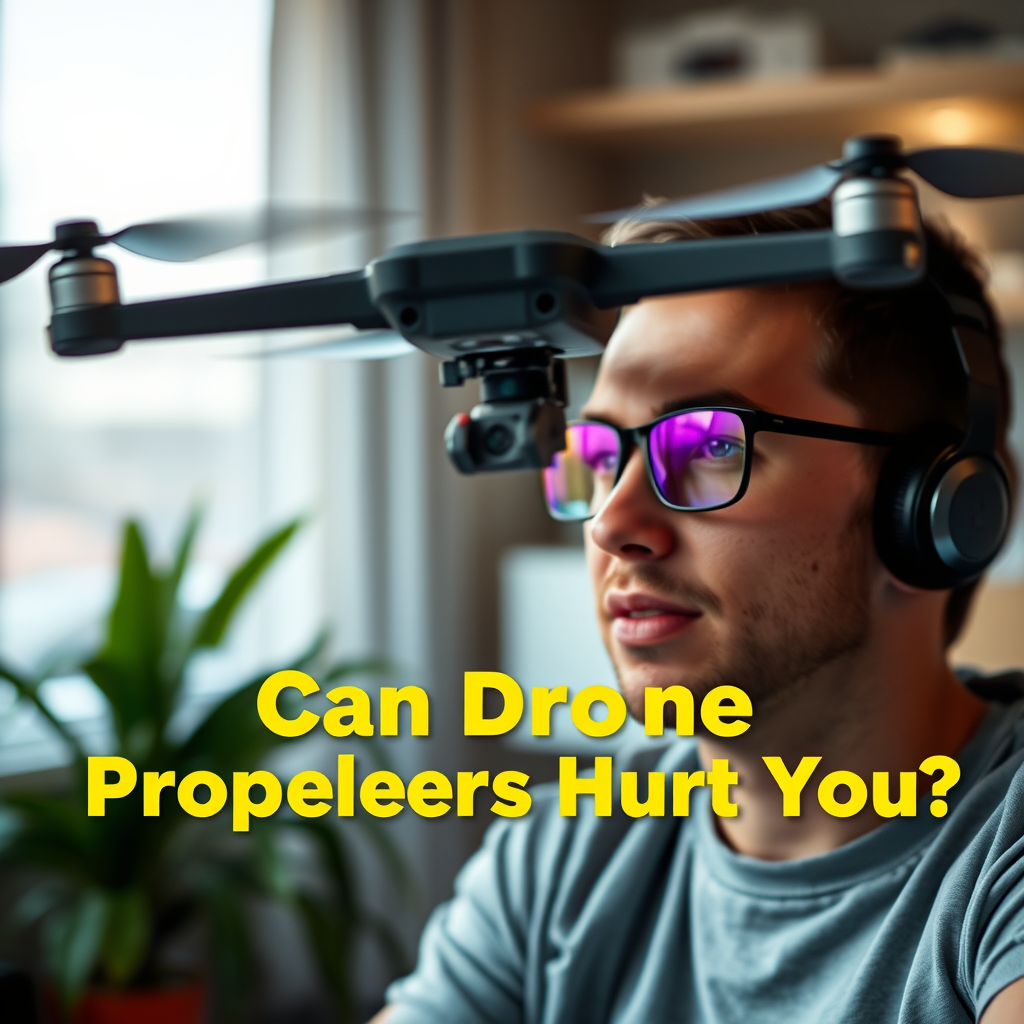
Drone propellers can indeed cause injuries if proper safety precautions are not taken. These fast-spinning blades can lead to cuts, bruises, or more severe injuries, especially when operated in close proximity to individuals. As drones become increasingly popular for recreational and commercial use, understanding the risks associated with their propellers is crucial for ensuring safety. This article will explore the mechanics of drone propellers, potential injuries they can cause, essential safety measures, relevant regulations, and effective training resources for drone operators.
Understanding Drone Propeller Mechanics
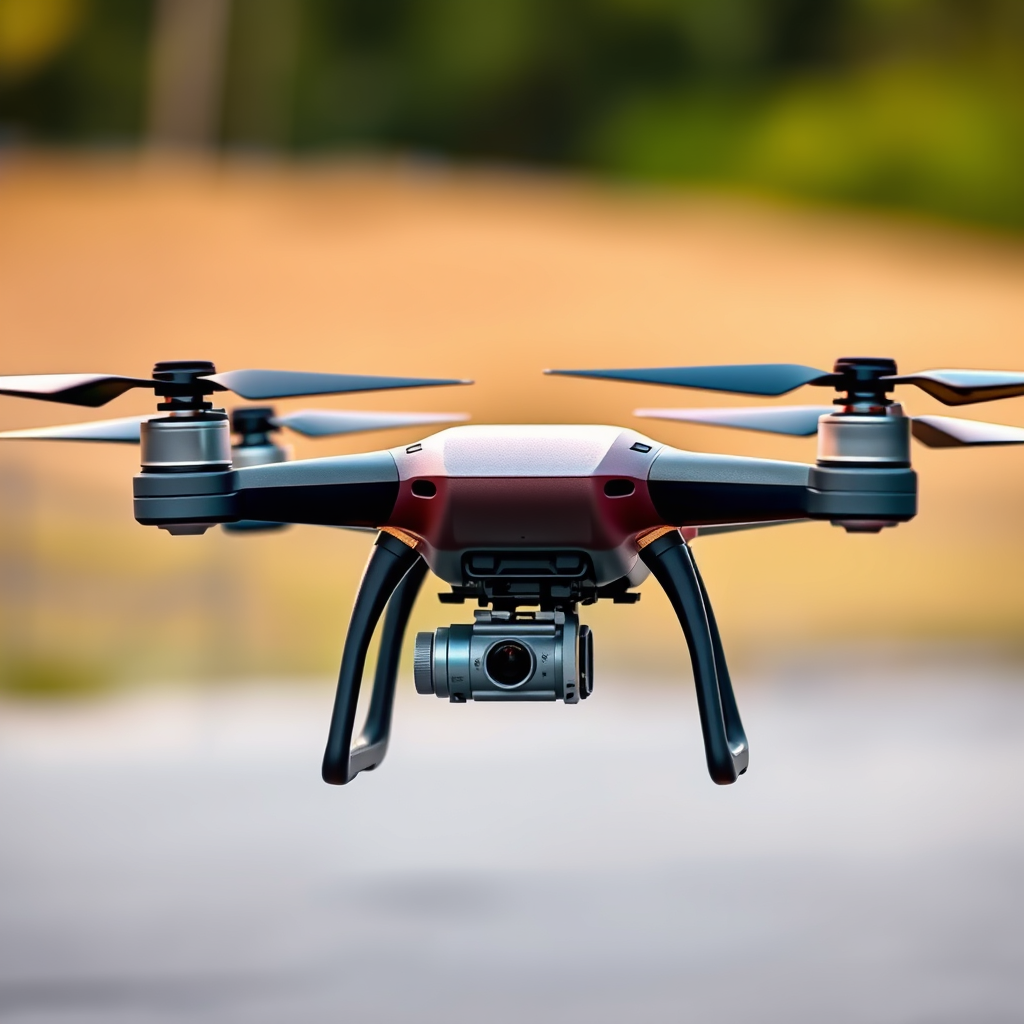
Drone propellers operate by generating lift through their rotation, and the speed and design of these blades play a significant role in the risk of injury. Most drone propellers can spin at high velocities, often reaching speeds of several thousand RPM (revolutions per minute). The faster the propeller spins, the more force it generates, increasing the likelihood of severe injuries upon contact with skin or other materials.
Different types of drones feature varying propeller sizes and speeds. For instance, consumer drones typically use smaller propellers, often around 5 to 12 inches in diameter, while professional-grade drones may have larger propellers that can exceed 18 inches. Larger propellers not only generate more lift but can also cause greater damage upon impact. Additionally, the material composition of the propellers—whether plastic or carbon fiber—can influence injury severity, with carbon fiber blades often being sharper and more rigid, posing a greater threat.
Understanding these mechanics is essential for drone operators to gauge the potential risks involved and to make informed decisions regarding safe operation practices.
Potential Injuries from Drone Propellers
The injuries that can result from contact with drone propellers range from minor to severe. Common injuries include lacerations and abrasions, which typically affect exposed skin. These injuries can occur even from relatively low-speed impacts, particularly if a propeller strikes a sensitive area of the body, such as the face or hands.
More serious injuries may involve fractures or deeper wounds, especially if the drone is of a larger design or if it is operated without due care. The force of a drone propeller can be significant, leading to potential scenarios where bones are broken or soft tissues are severely damaged. For example, there have been reports of individuals sustaining deep cuts requiring stitches or even surgical intervention due to careless handling or close proximity to operating drones.
Understanding the potential for injury can help individuals recognize the importance of adhering to safety protocols to mitigate these risks.
Safety Measures to Prevent Injuries
Implementing safety measures is vital to preventing injuries related to drone propellers. One of the most important practices is to always maintain a safe distance from the drone during operation. Operators should establish a minimum safe distance, typically recommended to be at least 10 feet, depending on the size and speed of the drone.
Using protective coverings or guards for propellers can also significantly reduce the risk of injury. Many drone manufacturers offer propeller guards that can be easily attached and removed. These guards act as a buffer, preventing direct contact with the blades and minimizing the potential for cuts and bruises.
Additionally, it is crucial for drone operators to conduct pre-flight checks to ensure the drone is in good working condition, including verifying that propellers are secure and free from damage. Awareness of the operating environment is also essential; operators should avoid flying near crowds, in populated areas, or in conditions where unexpected movements might occur.
Regulations and Guidelines for Drone Use
Familiarizing oneself with local drone regulations is imperative for safe operation. Many countries have established specific guidelines to ensure the safety of drone use, which often include restrictions on flying near people, airports, and urban areas. In the United States, for example, the Federal Aviation Administration (FAA) mandates that drone operators maintain visual line-of-sight and avoid flying over people unless they are part of the operation.
Following manufacturer guidelines for safe usage and maintenance is also crucial. These guidelines typically include weight limits, battery care, and recommended flying conditions, which contribute to safe operation. Drone manufacturers often provide valuable resources and updates regarding safety practices, so operators should stay informed.
By adhering to these regulations and guidelines, drone operators can minimize risks and contribute to a safer environment for themselves and others.
What to Do in Case of an Injury
In the unfortunate event of an injury caused by a drone propeller, knowing how to respond can make a significant difference. For minor cuts and bruises, immediate first aid steps should be taken. This includes cleaning the wound with soap and water, applying an antiseptic ointment, and covering it with a sterile bandage. Keeping the injured area clean and monitored can help prevent infection.
For more serious injuries, such as deep cuts, fractures, or significant bleeding, it is crucial to seek medical attention promptly. Signs that require immediate medical intervention include excessive bleeding, inability to move the affected area, or signs of infection such as redness, swelling, or fever. In these cases, calling emergency services or going to the nearest emergency room is recommended.
Being prepared with knowledge of first aid can help mitigate the consequences of injuries resulting from drone propellers.
Training and Education for Drone Operators
Understanding drone controls and safety protocols is essential for minimizing risk while operating drones. Training and education play a significant role in equipping operators with the knowledge necessary for safe flying practices. Many organizations and institutions offer courses focused on drone operation, safety, and regulations. These courses can range from basic flight training to advanced topics such as aerial photography and surveying.
Certification programs, such as those offered by the FAA in the United States, provide operators with a comprehensive understanding of the rules governing drone use. Obtaining a Remote Pilot Certificate not only ensures that operators are knowledgeable about safety regulations but also enhances their credibility within the industry.
Investing in training and education is crucial for both novice and experienced drone operators, as it fosters a culture of safety and responsibility in the growing field of drone technology.
In summary, while drone propellers can indeed hurt you, understanding their risks and following safety measures can significantly reduce the potential for injury. Always prioritize safety when operating drones and consider seeking training if you’re new to flying. By adhering to regulations, employing safety practices, and staying informed, drone operators can enjoy the benefits of this innovative technology while minimizing risks to themselves and others.
Frequently Asked Questions
Can drone propellers cause injuries to people?
Yes, drone propellers can cause injuries, especially if a drone is mishandled or operated in close proximity to people. The rapid spinning of propellers can result in lacerations or contusions if they make contact with skin. Therefore, it’s crucial to maintain a safe distance from the drone while it’s in operation and to follow safety guidelines provided by the manufacturer.
How can I prevent injuries from drone propellers?
To prevent injuries from drone propellers, always operate your drone in open areas away from crowds and obstacles. Additionally, familiarize yourself with the drone’s controls and features, including emergency shut-off mechanisms. Wearing protective gear and ensuring that bystanders are at a safe distance during flight can also significantly reduce the risk of injury.
Why are drone propellers dangerous?
Drone propellers are considered dangerous due to their high rotational speed and sharp edges, which can lead to severe injuries upon contact. The danger is amplified when drones are used in crowded or confined spaces where people may inadvertently come too close. Understanding the potential risks associated with drone operation is essential for ensuring safety for both the operator and those nearby.
What are the safest practices for flying a drone?
The safest practices for flying a drone include conducting thorough pre-flight checks, maintaining visual line-of-sight with the drone, and adhering to local regulations and no-fly zones. Additionally, it’s important to avoid flying near people, animals, or property to minimize the risk of accidents involving the drone’s propellers. Educating yourself about safety measures and best practices can help ensure a safer flying experience.
Which drones have the most dangerous propellers?
Drones with larger, faster-spinning propellers tend to be more dangerous due to their increased potential for causing injury. For example, racing drones and professional-grade drones often feature high-performance propellers designed for speed and agility, making them more hazardous. It’s essential for users to select drones that are appropriate for their skill level and to understand the risks associated with the specific model they are operating.
References
- https://en.wikipedia.org/wiki/Drone#Safety_concerns
- https://www.faa.gov/uas/resources/policy_library/documents/uas_safety.pdf
- https://www.nytimes.com/2019/06/14/business/drone-safety.html
- https://www.sciencedirect.com/science/article/pii/S2214574517300399
- https://www.cdc.gov/niosh/topics/drone-safety.html
- https://www.aaaai.org/conditions-and-treatments/library/allergy-library/drone-allergies
- https://www.nasa.gov/press-release/nasa-research-explores-drone-safety-issues
- https://www.theguardian.com/technology/2018/jul/05/drones-accidents-safety-risks
- https://www.iise.org/Details.aspx?id=3650
