
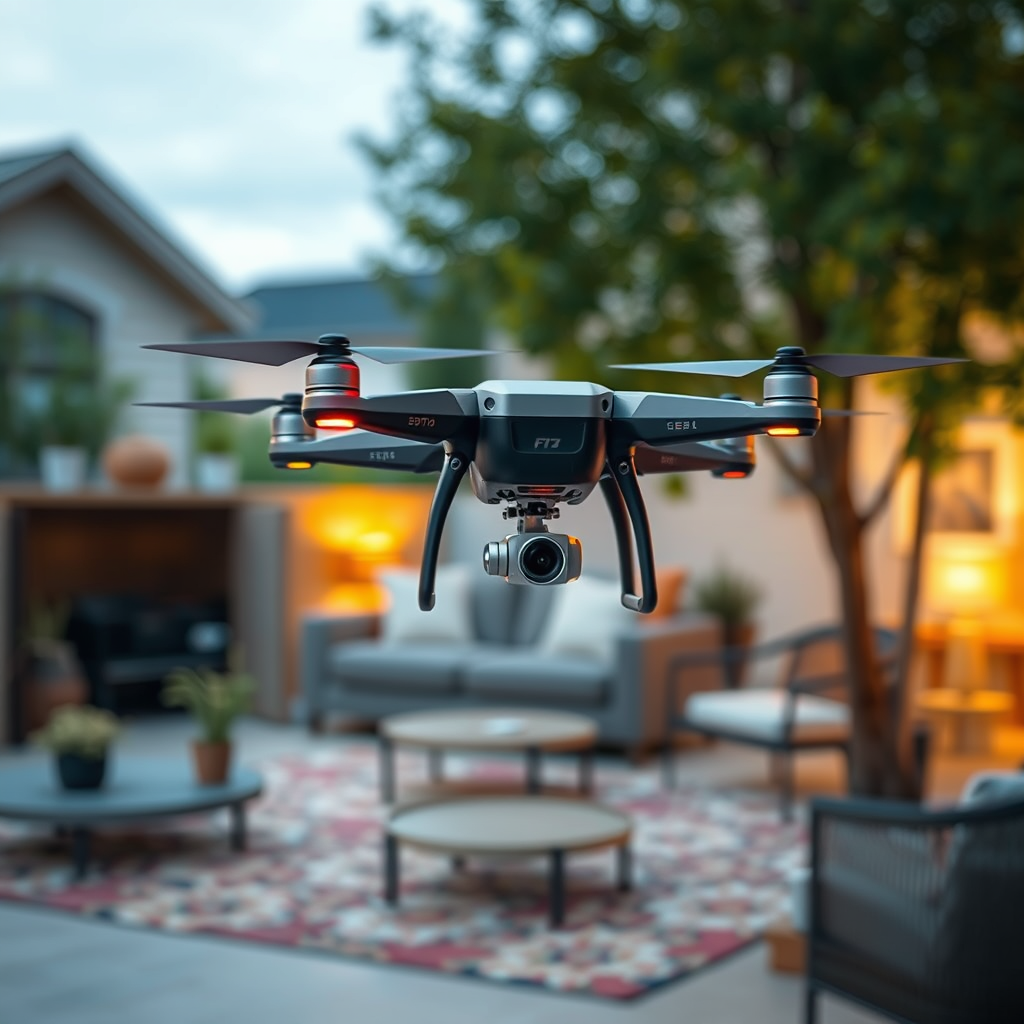
Yes, drones can be flown in residential areas, but there are important regulations and considerations to keep in mind. Operating drones in these environments requires a thorough understanding of local laws, safety issues, and community guidelines to ensure responsible usage. With the increasing popularity of drones for recreational and commercial purposes, it is imperative for users to navigate the regulatory landscape effectively while maintaining good neighborly relations and ensuring safety.
Understanding Local Regulations
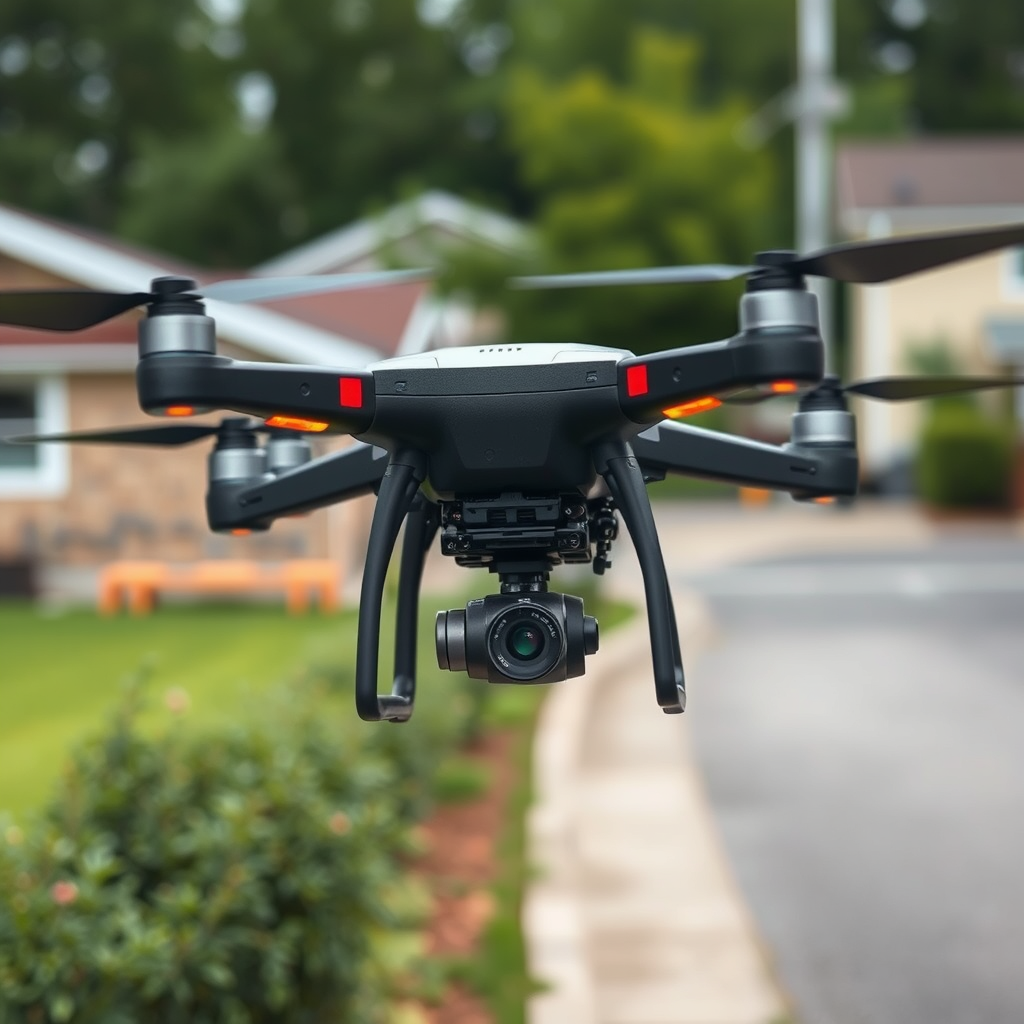
One of the foremost considerations for flying drones in residential areas is to familiarize yourself with the Federal Aviation Administration (FAA) regulations. The FAA governs drone usage in the United States, mandating that all drone operators adhere to specific guidelines, regardless of whether the flight is for recreational or commercial purposes. For example, drone pilots must maintain visual line-of-sight with their drones, fly under 400 feet, and avoid flying near airports, among other stipulations.
In addition to FAA regulations, it is crucial to check specific state and local laws that may impose additional restrictions on drone operations. Some municipalities have enacted their own regulations, which could include no-fly zones, flight time restrictions, or licensing requirements. For instance, cities like Los Angeles have established ordinances that limit drone use over certain public spaces or private property without prior consent. Before taking off, ensure you are well-informed about these local rules to avoid legal repercussions.
Safety Concerns
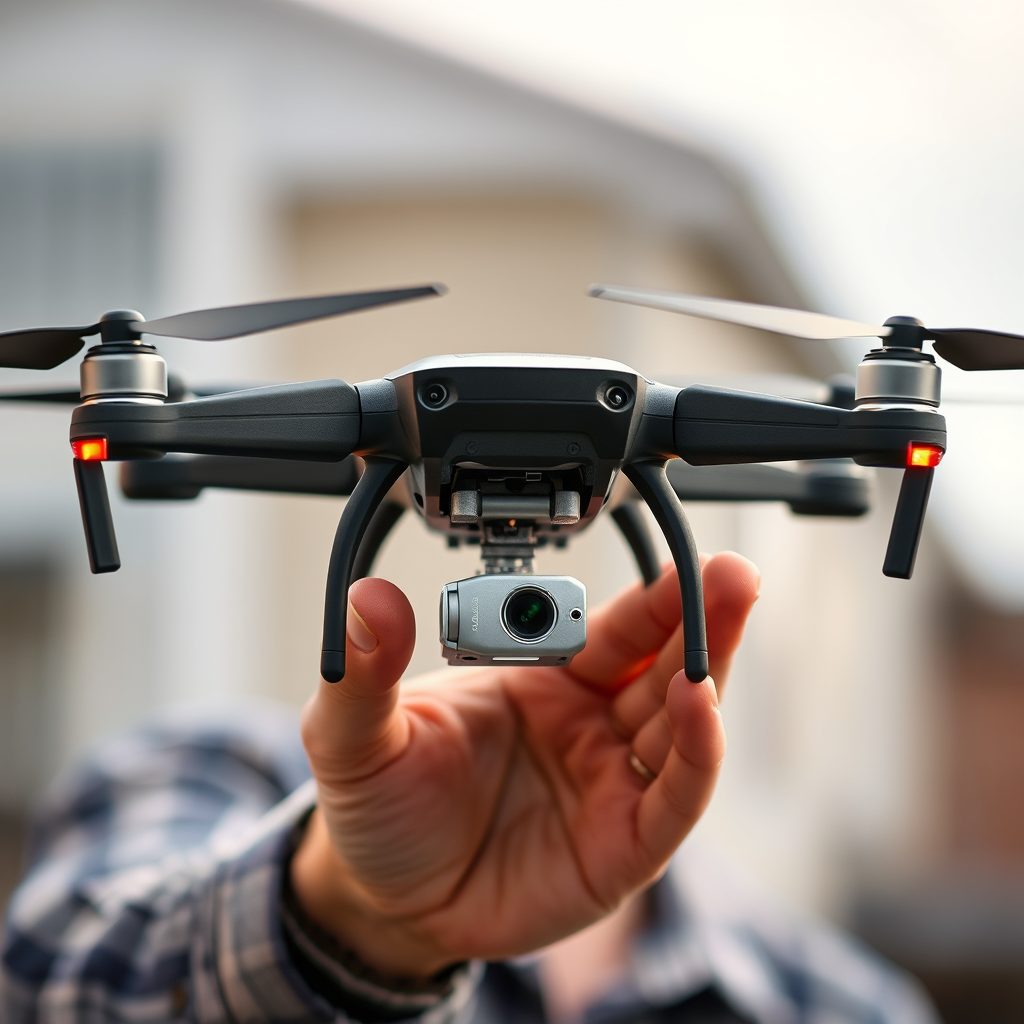
Safety is a paramount concern when flying drones in residential areas. The presence of potential hazards, such as power lines, trees, and other structures, can pose risks not only to the drone itself but also to bystanders and property. Drones can malfunction or lose signal, leading to uncontrolled descents. Therefore, it is essential to conduct a risk assessment of the flying area before launching.
Moreover, the safety of people and pets in the vicinity should always be a priority. Drones can be noisy and may cause anxiety to animals or small children. It is advisable to fly at times that minimize disturbances to the community, such as avoiding early mornings or late evenings. By prioritizing safety, drone operators can contribute to a more harmonious coexistence with their neighbors.
Community Guidelines
Community guidelines can significantly impact your ability to fly drones in residential areas. Homeowners’ Associations (HOAs) or neighborhood associations may have specific rules that prohibit or limit drone usage. These rules can vary widely; some may allow drones but restrict the times they can be flown, while others may ban them entirely.
Engaging with neighbors is crucial to fostering good relationships and avoiding conflicts. Before flying, consider discussing your plans with those who live nearby. This proactive approach not only demonstrates consideration for their concerns but can also lead to positive community interactions. Establishing good communication can help alleviate fears and misunderstandings about drone usage.
Best Practices for Residential Flying
To ensure responsible drone operation in residential areas, adhering to best practices is essential. Maintaining a safe distance from homes and private property is vital; this not only mitigates safety risks but also respects the boundaries of others. A general rule of thumb is to fly at least 25 feet away from buildings and private spaces.
Additionally, using drones during appropriate times is important to minimize noise disturbances. Avoid flying during off-hours when residents are likely to be relaxing or sleeping. By being considerate of noise levels and flight trajectories, drone operators can enjoy their hobby while maintaining peace in the community.
Privacy Issues
Privacy is another critical consideration when flying drones in residential areas. Respecting the privacy of individuals is paramount; this means avoiding flying over private property without consent. Using drones to capture aerial photography or videography can inadvertently infringe on someone’s privacy rights, leading to potential legal issues.
Be aware of laws regarding aerial photography and videography as they vary from state to state. Some jurisdictions have specific regulations that govern how and where you can record. For instance, certain states require that you obtain permission from individuals if their property is captured in your footage. Always err on the side of caution and prioritize the privacy of your neighbors.
Insurance and Liability
Lastly, understanding insurance and liability is crucial for responsible drone operation. Obtaining liability insurance can provide peace of mind and financial protection in the event of accidents or damages caused by your drone. Some insurance policies specifically cater to drone operators, covering liabilities associated with property damage or bodily injury.
Additionally, it is important to be aware of your responsibilities as a drone operator. In the event of an accident, you may be held liable for damages or injuries. Educating yourself about these responsibilities can help mitigate risks and ensure compliance with both legal and ethical standards.
In conclusion, while flying drones in residential areas is permitted, it’s essential to adhere to regulations, prioritize safety, and respect community norms. By understanding local laws, addressing safety concerns, engaging with neighbors, and following best practices, drone operators can enjoy the benefits of this advanced technology while minimizing disruptions and fostering positive relationships within their communities. Always stay informed and fly responsibly to ensure a safe and enjoyable experience for everyone involved.
Frequently Asked Questions
What are the regulations for flying drones in residential areas?
Regulations for flying drones in residential areas vary by location but are often governed by federal, state, and local laws. In the U.S., the Federal Aviation Administration (FAA) mandates that drone pilots must fly below 400 feet, maintain visual line-of-sight, and avoid flying over people without their consent. Additionally, some municipalities may impose further restrictions, so it’s essential to check local ordinances before flying your drone in a residential neighborhood.
How can I avoid disturbing my neighbors while flying a drone in a residential area?
To minimize disturbance to your neighbors when flying a drone in a residential area, choose times when most people are likely to be indoors, such as mid-morning or late afternoon. Keep your flights short and avoid hovering over private properties without permission. Additionally, using quieter drones and flying at a higher altitude can help reduce noise and the visual impact on nearby residents.
Why do some homeowners associations (HOAs) prohibit drone use in residential neighborhoods?
Homeowners associations (HOAs) may prohibit drone use in residential neighborhoods due to concerns about privacy, safety, and noise complaints. Drones can intrude on personal spaces, potentially leading to privacy violations, while flying near homes can pose safety risks. By implementing restrictions, HOAs aim to maintain a peaceful living environment and ensure the comfort of all residents.
What are the best practices for flying drones safely in residential areas?
Best practices for flying drones safely in residential areas include conducting pre-flight checks, understanding local regulations, and respecting privacy boundaries. Always maintain a safe distance from people, pets, and structures, and avoid flying near airports or sensitive areas. Consider using a dedicated drone app to stay informed about no-fly zones and weather conditions, ensuring a safe flying experience.
Which types of drones are best suited for residential flying?
The best types of drones for residential flying are typically compact, lightweight, and equipped with features that enhance safety and ease of use. Drones like the DJI Mini series or the Parrot Anafi are popular choices due to their small size, quiet operation, and advanced obstacle avoidance technology. These types of drones are ideal for casual flying and capturing aerial photography without being intrusive in residential areas.
References
- https://www.faa.gov/uas/getting_started/where_to_fly
- https://www.faa.gov/uas/
- https://www.nytimes.com/2020/07/21/technology/drone-regulations.html
- https://www.npr.org/2021/04/05/985932879/drone-use-in-the-u-s-is-growing-its-time-to-rethink-the-rules
- https://www.techcrunch.com/2021/09/24/drone-use-in-cities/
- https://www.wired.com/story/what-you-need-to-know-about-flying-drones-in-your-neighborhood/
- https://www.dronepilotgroundschool.com/drone-flying-laws-in-your-area/
