
Yes, drones can be rendered nearly invisible through various technological advancements, such as stealth technology and cloaking materials. However, achieving complete invisibility remains a challenge. This article delves into the current state of drone invisibility and the technology behind it, examining how these advancements could revolutionize various fields while addressing the limitations and ethical considerations involved.
Understanding Drone Visibility
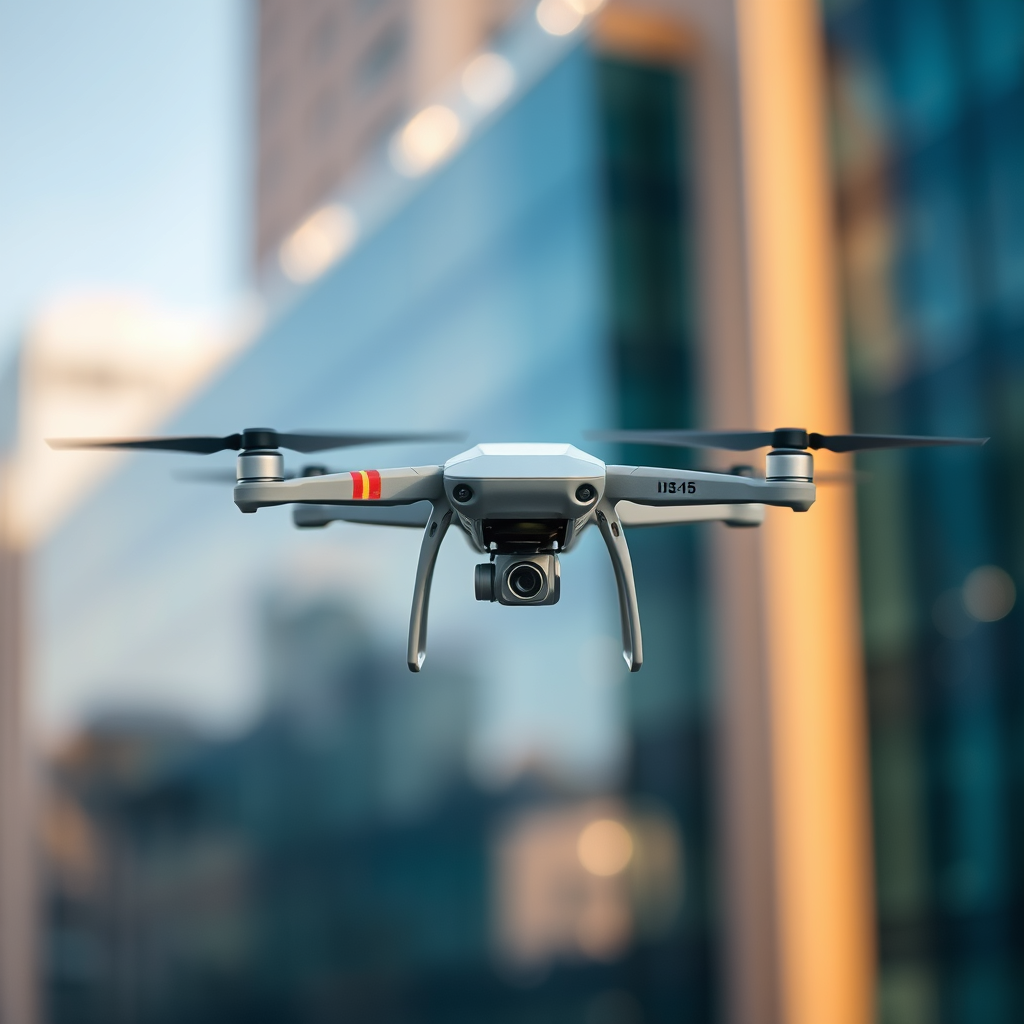
Drones operate primarily through visual and electronic signatures, which are crucial for navigation and operation but also make them detectable. The visibility of a drone can be influenced by several factors, including its size, shape, and the materials used in its construction. For instance, larger drones with more prominent features are typically easier to spot. Additionally, the color and surface texture can affect how light interacts with the drone, impacting its visibility to both the naked eye and detection systems.
Moreover, drones emit electronic signals that can be tracked by radar and other sensor systems. This electronic signature can be manipulated through various means, including frequency hopping and signal jamming, but these methods do not render the drone invisible; they merely complicate detection efforts. Understanding these fundamentals is essential for grasping the advancements in drone invisibility technology.
Stealth Technology in Drones
Military drones often utilize stealth technology to reduce radar detection and enhance their operational effectiveness. This technology is rooted in principles designed to minimize the radar cross-section, making it harder for enemy radar systems to detect and track these aircraft. Key design features include angled surfaces that deflect radar waves away from the source and special coatings that absorb radar signals rather than reflecting them back.
An exemplary case is the U.S. Air Force’s B-2 Spirit stealth bomber, which employs advanced stealth technology to remain undetected during missions. Similar principles are being applied to modern drones, like the Northrop Grumman RQ-4 Global Hawk, which is designed for high-altitude reconnaissance missions. The integration of stealth technology in drones enhances their capabilities in sensitive operations, enabling them to gather intelligence without compromising their position.
Cloaking Materials: The Future of Invisibility
Researchers are making strides in developing metamaterials that can bend light around objects, creating a “cloaking” effect that could render drones less visible. These materials manipulate electromagnetic waves, including visible light, to create an illusion of invisibility. For instance, a recent breakthrough from the University of California, Berkeley, demonstrated a material capable of redirecting light, effectively rendering a small object nearly invisible in specific wavelengths.
While these advancements are groundbreaking, they remain largely experimental. The practical application of cloaking materials in full-sized drones is still under research, as scaling these technologies poses significant challenges. Nonetheless, the potential applications of cloaking materials could revolutionize military operations, surveillance, and even commercial use, providing a new level of operational stealth.
Limitations of Current Technologies
Despite the advancements in stealth technology and cloaking materials, complete invisibility is not yet achievable. Drones can still be detected using thermal signatures, which reveal heat emitted by the drone’s engines, and acoustic signatures, which arise from the noise produced by rotors or propellers. These signatures can betray a drone’s position, especially in quiet environments where sound travels easily.
Additionally, environmental factors can impact the effectiveness of stealth technologies. Weather conditions such as rain, fog, or heavy cloud cover can scatter radar waves and diminish the performance of stealth materials. This means that while drones can be made significantly less visible, they are not entirely undetectable in all circumstances.
Applications of Invisible Drones
Invisible drones have a multitude of potential applications, particularly in military operations where stealth is paramount. They can be invaluable for reconnaissance and surveillance missions, enabling operators to gather critical intelligence without alerting adversaries. For instance, the U.S. Navy’s MQ-4C Triton drone is designed to conduct maritime surveillance with advanced stealth capabilities, allowing it to operate in hostile environments effectively.
Beyond military uses, invisible drones could play a significant role in law enforcement and search-and-rescue operations. For example, they could be deployed in situations where maintaining a low profile is essential, such as monitoring criminal activity or locating missing persons without drawing attention to their presence. Such applications highlight the dual-use nature of drone technology, where ethical considerations and operational effectiveness must be balanced.
Ethical Considerations
The use of invisible drones raises significant ethical concerns, particularly related to privacy and the potential for misuse. The ability to conduct surveillance without detection can infringe on individual rights and lead to unauthorized monitoring of private activities. This concern is amplified by the increasing accessibility of drone technology, which allows various entities, including private individuals and companies, to deploy drones with stealth capabilities.
Discussions around regulations and guidelines for the use of invisible drones are ongoing. Policymakers must navigate the complexities of technological advancements while ensuring that privacy rights are protected and that drones are used responsibly. Establishing clear regulations can help mitigate potential abuses and foster public trust in drone technology.
In summary, while drones can be made significantly less visible through various technologies, achieving complete invisibility remains a challenge. The advancements in stealth technology and cloaking materials hold promise for the future, particularly in military and law enforcement applications. However, as these technologies develop, it is essential to consider the ethical implications and potential for misuse, ensuring that innovation aligns with societal values and regulations.
Frequently Asked Questions
Can drones be made invisible to radar detection?
While drones cannot be made completely invisible, their radar cross-section can be significantly reduced. Techniques such as using special materials that absorb radar waves, designing the drone’s shape to minimize reflections, and employing electronic countermeasures can help achieve a degree of stealth. However, these methods can be complex and may not render drones entirely undetectable.
What technologies are used to make drones less visible?
Several technologies can reduce a drone’s visibility, including radar-absorbing materials (RAM), advanced design shapes that deflect radar waves, and infrared signature reduction techniques. Additionally, some drones utilize advanced camouflage and optical illusion technologies to blend into their surroundings, making them less detectable by the naked eye and various sensors.
Why would someone want to make a drone invisible?
There are several reasons for wanting to make a drone less visible, including military applications for reconnaissance and surveillance missions, protecting privacy during civilian operations, and minimizing detection for commercial purposes like wildlife monitoring. The ability to operate undetected can enhance the effectiveness of various drone missions while reducing the risk of interference or confrontation.
Which drones are known for their stealth capabilities?
Military drones, such as the Northrop Grumman B-2 Spirit and the Lockheed Martin RQ-170 Sentinel, are designed with stealth technology to minimize visibility to radar and infrared sensors. On the commercial side, some high-end models incorporate elements of stealth design, but they are not as advanced as military-grade drones. When searching for a stealth drone, focus on those specifically marketed for low observability and reduced radar signatures.
How can hobbyists ensure their drones remain discreet during flights?
Hobbyists can take several steps to maintain a low profile while flying drones, such as flying at lower altitudes, avoiding populated areas, and choosing times when fewer people are outdoors. Additionally, using matte finishes instead of shiny paints can help reduce visual detection, while flying in natural settings can help camouflage the drone. Understanding local regulations and respecting privacy concerns also contribute to responsible flying practices.
References
- https://en.wikipedia.org/wiki/Stealth_technology
- https://www.sciencedirect.com/science/article/pii/S1877050919312920
- https://www.bbc.com/future/article/20210322-how-invisible-drones-could-change-the-war
- https://www.researchgate.net/publication/317844547_Invisibility_and_Stealth_Technology_for_Drones
- https://www.nist.gov/news-events/news/2020/01/hard-to-see-how-drones-can-become-invisible
- https://www.nasa.gov/press-release/nasa-researching-stealthy-drones
- https://www.defense.gov/Explore/News/Article/Article/2172921/stealth-drones-are-they-invisible-to-radar/
