
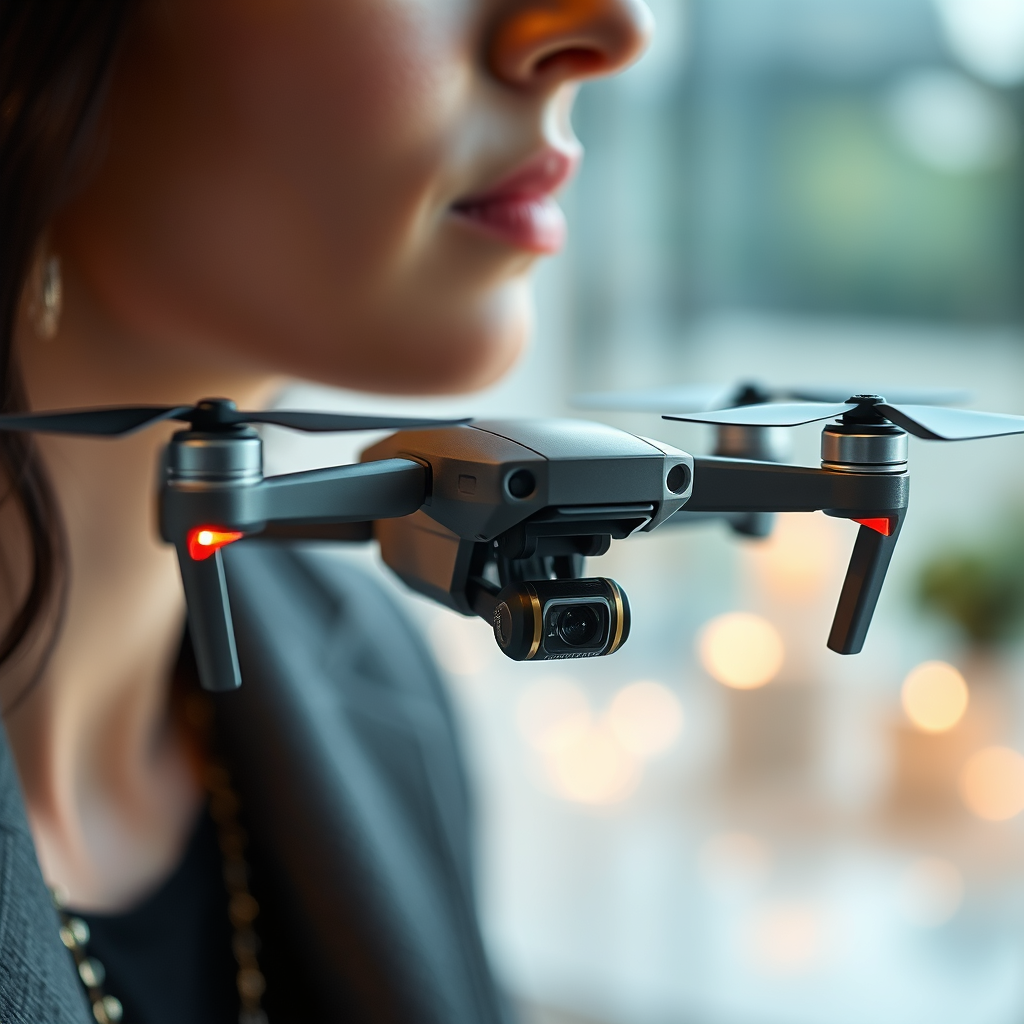
Drones cannot be completely silent due to their mechanical components and propellers, but advancements in technology are leading to quieter options. The noise generated by drones is primarily a byproduct of their design and operational mechanics. As innovation progresses, researchers and engineers are uncovering methods to minimize sound emissions, making drones more suitable for sensitive environments where noise reduction is paramount. This article will explore the factors contributing to drone noise and the developments aimed at reducing it.
Understanding Drone Noise

Drones produce sound primarily from their propellers and motors. The noise generated can be described as a combination of aerodynamic noise from the propellers and mechanical noise from the motors. The frequency and volume of this sound depend on various factors, including the drone’s size, design, and speed. For instance, larger drones with multiple rotors tend to generate more noise due to the increased airflow and turbulence created by their blades. In contrast, smaller drones may produce less noise but can still be disruptive depending on their operational speed. Understanding these dynamics is essential for developing quieter drone models and applications.
One significant aspect of drone noise is the frequency range. Most drones operate in the range of 70 to 90 decibels, which can be comparable to the sound of a loud vacuum cleaner. This decibel level can vary based on flight conditions, including altitude and wind, which can either amplify or reduce the perceived noise. As a result, the context in which a drone operates plays a crucial role in its overall noise impact.
Factors Affecting Drone Noise Levels
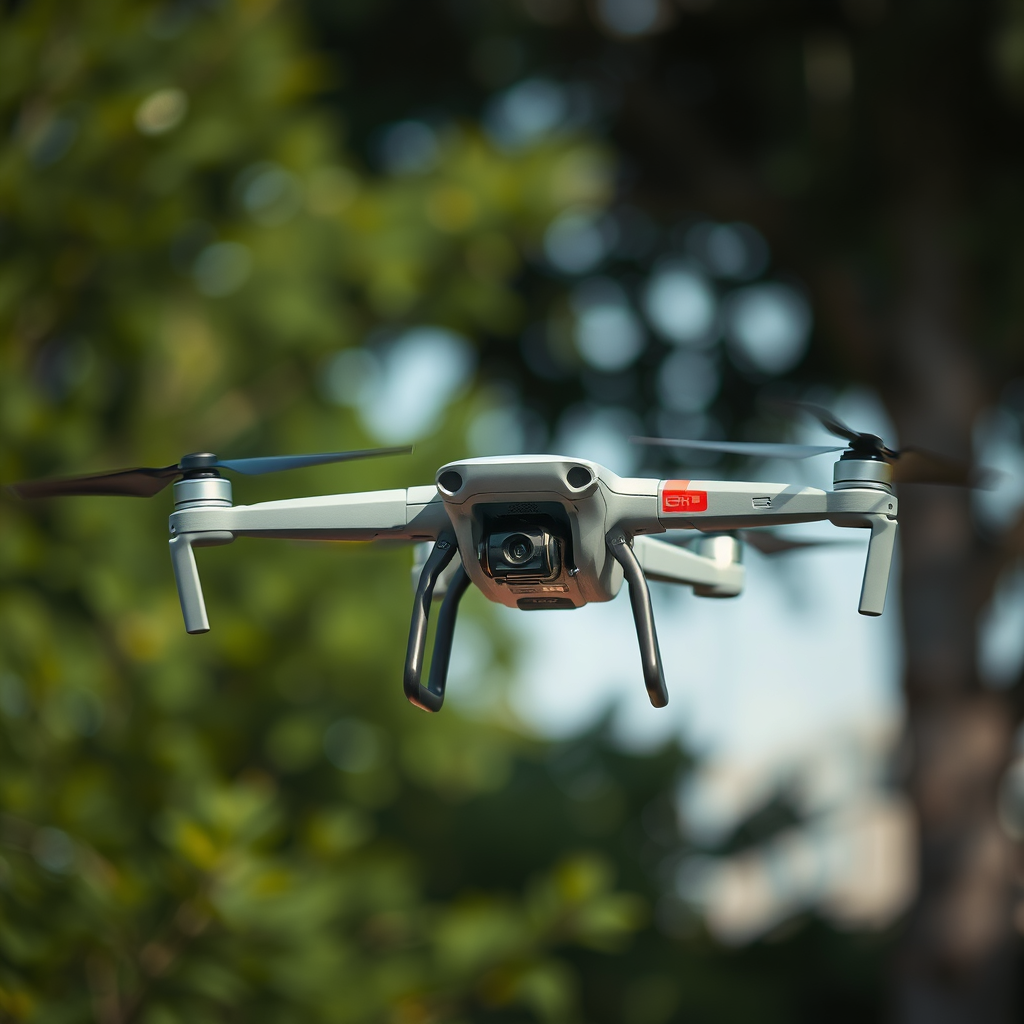
Several factors directly affect the noise levels of drones, with propeller design being one of the most critical. The shape, size, and material of the propellers can significantly influence the noise they produce. For example, propellers designed with longer blades and optimized shapes tend to create less turbulence, resulting in quieter operation. Innovations in blade technology, such as those incorporating swept or variable pitch designs, are being researched to enhance aerodynamic efficiency while simultaneously reducing noise.
Another key factor is the weight and motor power of the drone. Heavier drones require more powerful motors to achieve lift, which can lead to increased noise levels. Conversely, lightweight drones often require less thrust and can operate more quietly. The balance between power and weight is a delicate one; engineers strive to create drones that maintain high performance while minimizing noise output. The choice of motor also plays a significant role; electric motors are generally quieter compared to gas-powered engines, making them a preferred option for applications where noise reduction is essential.
Current Technologies for Quieter Drones
Innovations in propeller design are at the forefront of efforts to create quieter drones. Manufacturers are exploring various materials and shapes that can help reduce turbulence and noise. For instance, some companies are experimenting with carbon fiber composites that not only decrease weight but also dampen sound vibrations. Additionally, advancements in rotor technology, such as the use of serrated edges, can disrupt airflow patterns that contribute to noise, leading to a quieter flight experience.
Electric motors, as previously mentioned, are another avenue for reducing drone noise levels. These motors operate more silently than their gas-powered counterparts and are often more efficient, contributing to longer flight times. The development of brushless motors, which eliminate the noise associated with mechanical brushes, has also contributed significantly to quieter operation. Coupled with advancements in battery technology, which allow for longer flight duration and less frequent recharging, the electric drone market continues to expand with quieter options.
Applications for Silent Drones
Silent drones have a wide range of applications, particularly in fields where noise could disrupt sensitive activities. In wildlife monitoring, for example, quieter drones are crucial for minimizing disturbance to animals. Researchers can observe and collect data without interfering with natural behaviors, leading to more accurate studies of wildlife. Similarly, in search-and-rescue missions, drones operating silently can navigate urban environments or remote areas without drawing attention, allowing for more effective operations.
The potential for silent drones extends to urban environments as well. As cities become more populated, the need for surveillance and security increases. Drones equipped with quiet technology can conduct monitoring tasks without bothering residents, making them ideal for law enforcement and private security firms. Furthermore, in applications such as infrastructure inspection or agricultural monitoring, quieter drones can operate during times when noise would be disruptive, enabling round-the-clock operations without the risk of complaints from nearby inhabitants.
Future Developments in Drone Technology
The future of drone technology looks promising, particularly concerning noise reduction. Ongoing research is exploring the integration of noise-canceling technologies similar to those found in high-end headphones. These technologies could potentially be adapted for drone applications, allowing drones to operate with significantly reduced noise levels.
Moreover, the integration of advanced materials, such as sound-absorbing composites, may also contribute to quieter drones. These materials can be incorporated into both the drone’s body and its propellers, effectively dampening sound vibrations. As the demand for quieter operations continues to grow, manufacturers will likely invest more in research and development to explore these innovative solutions.
Regulatory and Public Perception Challenges
While advancements in drone technology may lead to quieter models, regulatory and public perception challenges remain. Noise pollution regulations may dictate where and how drones can be operated, impacting their usability in certain areas. Regulatory bodies are increasingly aware of the challenges posed by drone noise and may impose restrictions to mitigate its impact on communities.
Public acceptance of drones is heavily influenced by their noise levels. Communities that experience significant disruptions from drone operations may push back against their use, leading to stricter regulations. Therefore, developing quieter drones not only enhances their viability but also promotes a more favorable public perception. Engaging with communities and addressing concerns about noise pollution will be vital in fostering acceptance and paving the way for broader drone applications.
In conclusion, while drones cannot be entirely silent, there are significant strides being made toward quieter designs. The interplay of innovative propeller technology, electric motors, and advanced materials is paving the way for a new generation of drones that can operate with minimal noise. As technology advances, we may see more applications for drones that require minimal noise, enhancing their usability in sensitive environments. The future of drone noise reduction is promising, and stakeholders across industries should stay tuned for developments in this exciting field.
Frequently Asked Questions
Can drones be completely silent when flying?
While it is technically impossible for drones to be completely silent due to the mechanics of their propellers and motors, some models are designed to operate more quietly than others. Drones with larger, slower-spinning propellers and specialized noise-reduction technology can significantly minimize sound. For users seeking quieter operations, considering such models or using propeller guards can help reduce noise levels.
What types of drones are the quietest on the market?
The quietest drones typically include those designed for specific applications such as photography, surveillance, or research. Models like the DJI Mavic Air 2 and the Parrot Anafi are known for their quieter operations due to optimized propeller designs and efficient motors. When selecting a drone, look for specifications that highlight noise reduction features to ensure a quieter flying experience.
How can I make my drone quieter during flights?
To make your drone quieter, consider upgrading to quieter propellers, which are designed to minimize noise. Additionally, flying at lower speeds and altitudes can also help reduce the sound generated. Using propeller dampeners or flying in less populated areas can further decrease the impact of noise, making your drone experience more pleasant for both you and those nearby.
Why are most consumer drones noisy, and what causes the sound?
Most consumer drones are noisy primarily due to the rapid spinning of their propellers and the vibrations created by the motors. The sound is often amplified by the design and materials used in the drone’s construction. Understanding the mechanics behind drone noise can help users make informed decisions when purchasing quieter models or accessories.
Which drone features contribute to noise reduction?
Features that contribute to noise reduction in drones include larger and more efficient propellers, optimized motor designs, and sound-dampening materials used in construction. Additionally, drones equipped with advanced flight control systems can optimize flight paths to minimize abrupt movements, further reducing noise. When shopping for a drone, look for these features to ensure a quieter flying experience.
References
- https://en.wikipedia.org/wiki/Drone
- https://www.sciencedirect.com/science/article/pii/S2095809921000872
- https://www.nytimes.com/2021/06/22/technology/drones-noise.html
- https://www.bbc.com/news/science-environment-45667266
- https://www.researchgate.net/publication/327140694_Acoustic_Analysis_of_Drones
- https://www.nasa.gov/feature/nasa-aims-for-quieter-drones
- https://www.wired.com/story/quiet-drones/
- https://www.airforce.mil/News/Article/Article/2441654/how-the-air-force-is-making-drones-quieter/
- https://www.forbes.com/sites/bernardmarr/2021/04/06/how-noisy-are-drones-and-what-can-be-done-to-reduce-their-noise/
- https://www.nap.edu/catalog/25429/the-future-of-drones-in-the-us-economy
