
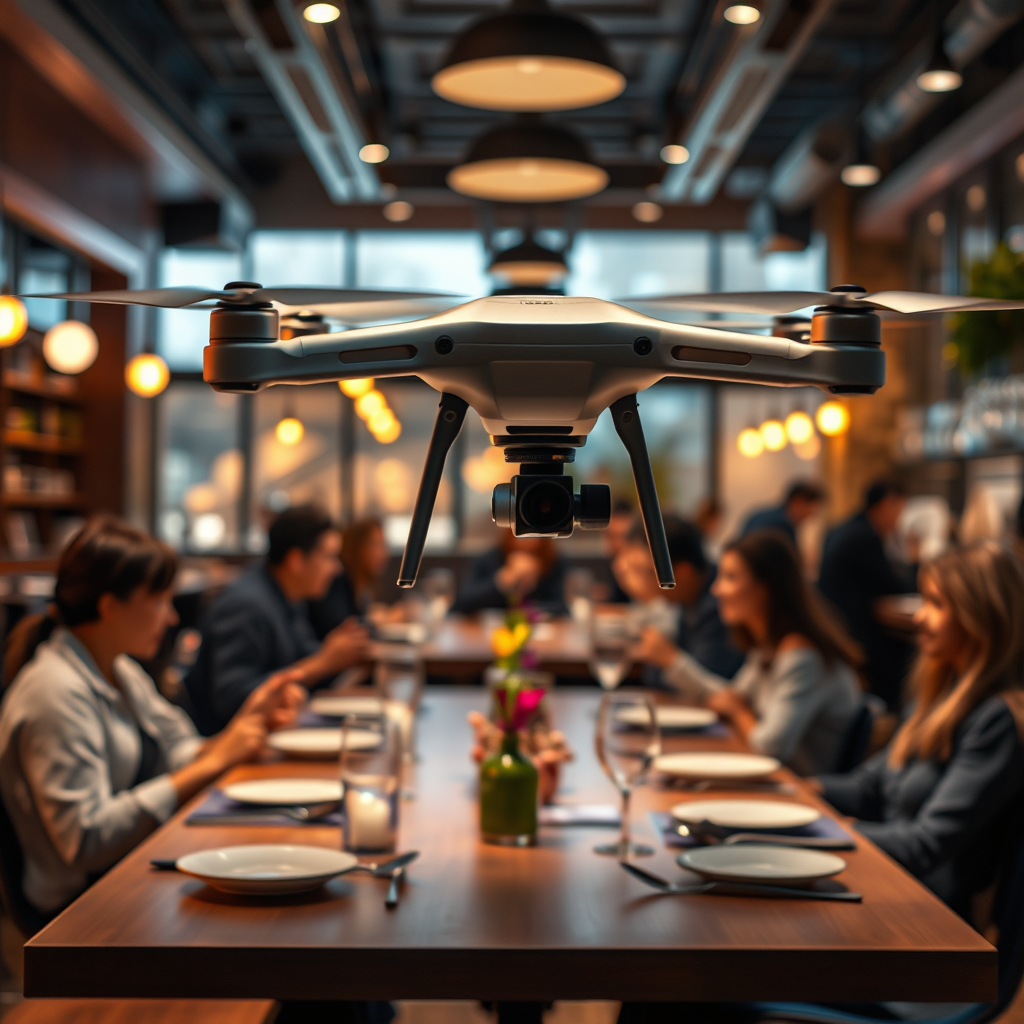
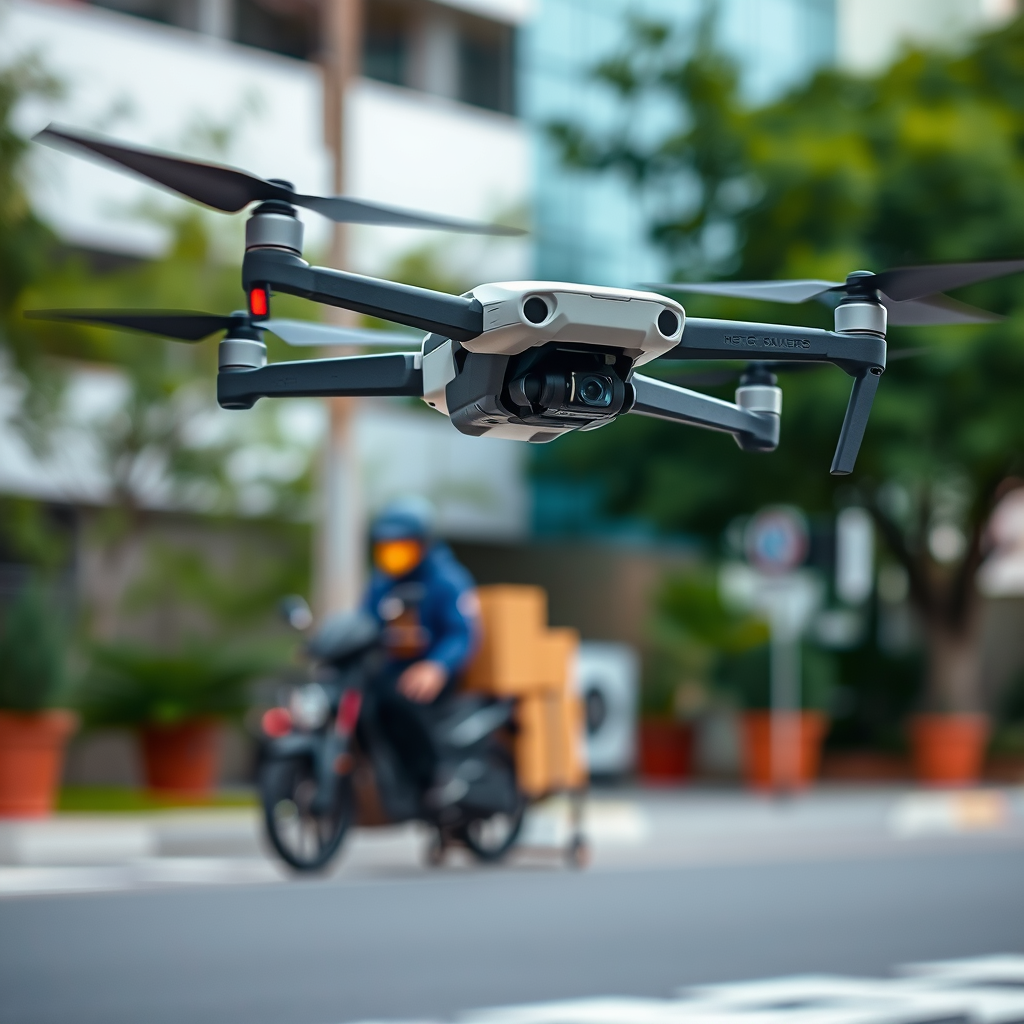
Yes, drones can indeed be used for delivery, and they are increasingly being tested and implemented across various industries. This innovative technology offers the potential for faster, more efficient delivery systems, particularly in urban settings and remote areas. With advancements in drone capabilities, many companies are exploring how this technology can streamline logistics, reduce costs, and enhance customer satisfaction. In this article, we will explore the current state of drone delivery, its benefits, challenges, and future prospects.
Current Use Cases for Drone Delivery
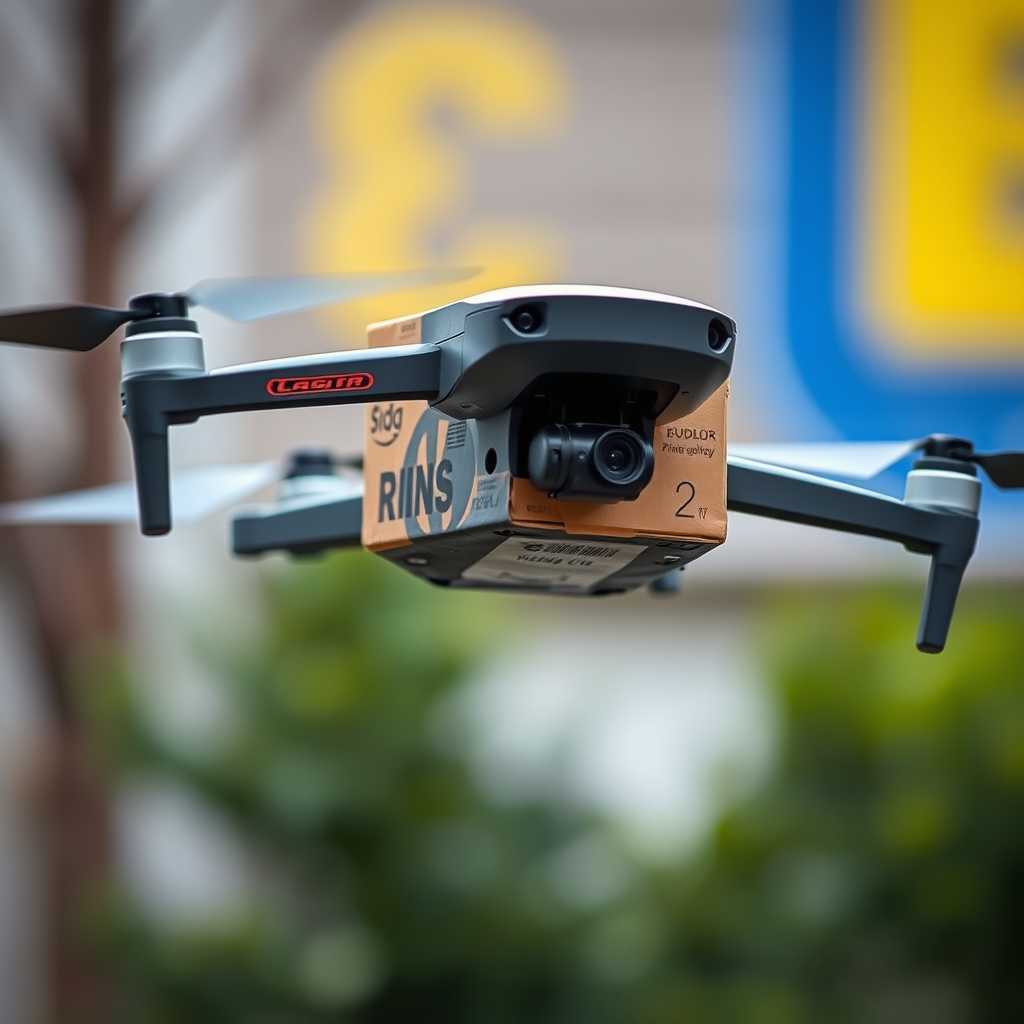
Drones are currently being utilized by major companies such as Amazon and Google, which are actively testing drone delivery services in various locations. Amazon Prime Air is working on delivering packages to customers within 30 minutes of placing an order, showcasing how drones could revolutionize the e-commerce industry. Similarly, Alphabet’s Wing has been conducting successful test flights in Australia and the United States, delivering items ranging from food to first-aid kits.
In addition to commercial applications, drone delivery is making significant strides in the medical field. Companies like Zipline are utilizing drones to transport medical supplies and emergency items, particularly in remote areas where traditional delivery methods may be slow or unavailable. For instance, Zipline has successfully delivered blood products and vaccines in rural regions of countries like Rwanda and Ghana, significantly reducing delivery times and saving lives.
Benefits of Using Drones for Delivery
One of the primary advantages of drone delivery is the significant reduction in delivery times, especially for urgent items. Traditional delivery methods often involve lengthy logistics processes, but drones can bypass traffic and geographic obstacles, providing quicker access to essential goods. This speed is particularly beneficial for industries such as healthcare, where timely delivery of medical supplies can make a critical difference.
Moreover, drones have the potential to lower transportation costs and reduce carbon emissions compared to traditional delivery methods. By utilizing electric drones, companies can minimize their reliance on fossil fuels, contributing to a more sustainable logistics framework. This aligns with the growing emphasis on corporate social responsibility, as businesses seek to reduce their environmental impact. Additionally, drones can operate autonomously, which may reduce labor costs associated with traditional delivery personnel.
Technical Requirements for Drone Delivery
To operate effectively, drones must be equipped with advanced GPS and navigation systems that ensure accurate delivery to the intended destinations. These systems are crucial for real-time tracking and route optimization, allowing for the efficient navigation of airspace and avoidance of obstacles. Furthermore, drones must be capable of carrying payloads securely, which requires the integration of various technologies, including sensors and stabilizers.
Compliance with aviation regulations and safety measures is essential for operational approval. Regulatory bodies such as the Federal Aviation Administration (FAA) in the United States have established guidelines governing drone operations. Companies must adhere to these regulations, which include obtaining necessary permits, maintaining communication with air traffic control, and ensuring the safety of both operators and the public. As regulations continue to evolve, the need for robust safety protocols will remain a priority for the successful deployment of drone delivery systems.
Challenges Facing Drone Delivery
Despite its promising potential, drone delivery faces several significant challenges. One of the primary obstacles is navigating the complex regulatory landscape surrounding airspace management. As drone usage increases, regulatory bodies must develop comprehensive frameworks to ensure safety while accommodating this new mode of delivery. The lack of standardized regulations can create confusion and hinder the scalability of drone delivery solutions.
Public concerns about privacy and safety also pose challenges to widespread acceptance. Individuals may feel uneasy about drones flying over their properties or transporting goods in close proximity to populated areas. To address these concerns, companies must prioritize transparency and engage with communities to educate them about the benefits and safety measures associated with drone delivery. Building public trust is essential for fostering a positive perception of this technology.
Future Trends in Drone Delivery
The future of drone delivery is poised for significant advancements, particularly in battery life and drone technology. Innovations in battery technology will enable drones to carry larger payloads over longer distances, enhancing their delivery capabilities. As manufacturers develop more efficient and lightweight materials, drones will become increasingly versatile and capable of handling diverse delivery scenarios.
Additionally, the integration of drone delivery systems with existing logistics frameworks will be crucial for efficient operations. Companies will need to establish partnerships with logistics providers and develop software platforms that facilitate seamless coordination between drones and traditional delivery methods. This integration will not only streamline operations but also enhance the overall customer experience by providing real-time tracking and updates.
Case Studies of Successful Drone Delivery
Several companies have successfully implemented drone delivery, setting noteworthy precedents for the industry. For instance, Wing’s partnership with local businesses in Australia has demonstrated how drones can enhance delivery services in urban areas. By delivering items such as coffee and groceries directly to customers’ homes, Wing has improved convenience while reducing traffic congestion.
Another compelling case is Zipline’s operations in Ghana, where drones have been instrumental in delivering blood and medical supplies to remote clinics. This initiative has not only improved healthcare access but also empowered local businesses by facilitating faster deliveries of essential goods. The success of these case studies illustrates the potential impact of drone delivery on local businesses and communities, paving the way for broader adoption of this technology.
In conclusion, drones are a promising solution for delivery services, offering numerous advantages while also facing specific challenges. The current use cases and successful implementations demonstrate the potential of drone technology to enhance logistics across various sectors. As advancements continue and regulations evolve, we can expect to see more widespread adoption of drone delivery systems. Staying informed about these developments will be essential for businesses and consumers alike as we enter a new era of logistics powered by drones.
Frequently Asked Questions
What are the benefits of using drones for delivery?
Drones offer several advantages for delivery services, including faster delivery times, reduced transportation costs, and the ability to reach remote areas that traditional vehicles may struggle with. They can significantly decrease the time it takes to deliver packages, especially for urgent shipments, and help businesses save on fuel and labor costs. Moreover, drones can operate in various weather conditions, making them a reliable option for timely deliveries.
How do drone delivery systems work?
Drone delivery systems utilize advanced technology, including GPS, sensors, and autonomous flight capabilities, to transport packages from one location to another. The process typically involves a customer placing an order through a mobile app or website, which then triggers the drone to pick up the package from a designated location. The drone navigates using pre-mapped routes and avoids obstacles, delivering the package directly to the customer’s doorstep or a specified drop-off point.
Why are drones not widely used for delivery yet?
Despite their potential, several challenges hinder the widespread adoption of drones for delivery. Regulatory restrictions, such as airspace regulations and safety compliance, pose significant barriers. Additionally, concerns regarding privacy, noise pollution, and the need for infrastructure to support drone landing and charging stations contribute to slower implementation. Companies are actively working to address these issues, but it may take time for drone delivery to become mainstream.
Which companies are currently using drones for delivery?
Prominent companies exploring drone delivery include Amazon, Google’s Wing, and UPS, each conducting pilot programs to test feasibility and efficiency. For instance, Amazon has introduced its Prime Air service, aiming to deliver packages within 30 minutes using drones. Additionally, smaller companies and startups are also entering the market, focusing on niche deliveries such as medical supplies and food, showcasing the versatility of drone delivery systems across various sectors.
What are the limitations of drone delivery?
While drone delivery presents exciting possibilities, it does come with several limitations. The payload capacity of most commercial drones is relatively small, restricting the types of items that can be delivered. Furthermore, factors such as battery life, weather conditions, and urban environments with obstacles can impact the effectiveness of drone deliveries. Additionally, regulatory hurdles and public acceptance continue to challenge the expansion of drone delivery services.
References
- https://en.wikipedia.org/wiki/Drone_delivery
- https://www.faa.gov/uas/recreational_fliers/
- https://www.nytimes.com/2020/06/23/business/drone-delivery.html
- https://www.reuters.com/technology/drones-are-delivering-medicines-some-remote-areas-2021-05-05/
- https://www.bbc.com/news/technology-56153284
- https://www.sciencedirect.com/science/article/pii/S1361920121001034
- https://www.cnbc.com/2021/06/02/drone-delivery-is-here-what-you-need-to-know.html
- https://www.nationalgeographic.com/science/article/how-drones-are-revolutionizing-delivery
- https://www.wired.com/story/drone-delivery-2021/
