
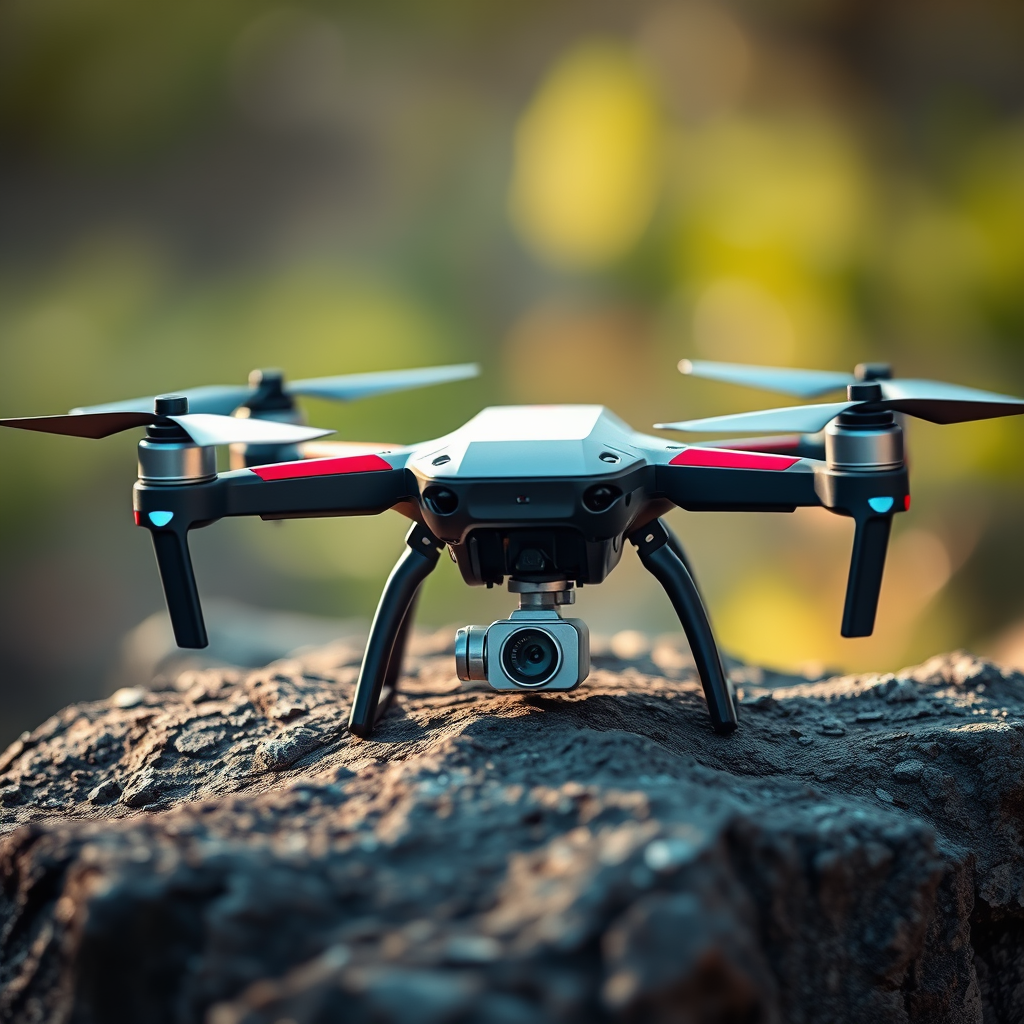
Drones can indeed be used for hunting, primarily as tools for scouting and tracking game. Their ability to cover vast areas and provide real-time aerial footage makes them valuable assets for hunters. However, it is crucial to understand the regulations and ethical considerations surrounding their use to ensure responsible hunting practices that respect wildlife and the hunting community.
Understanding Drone Technology for Hunting
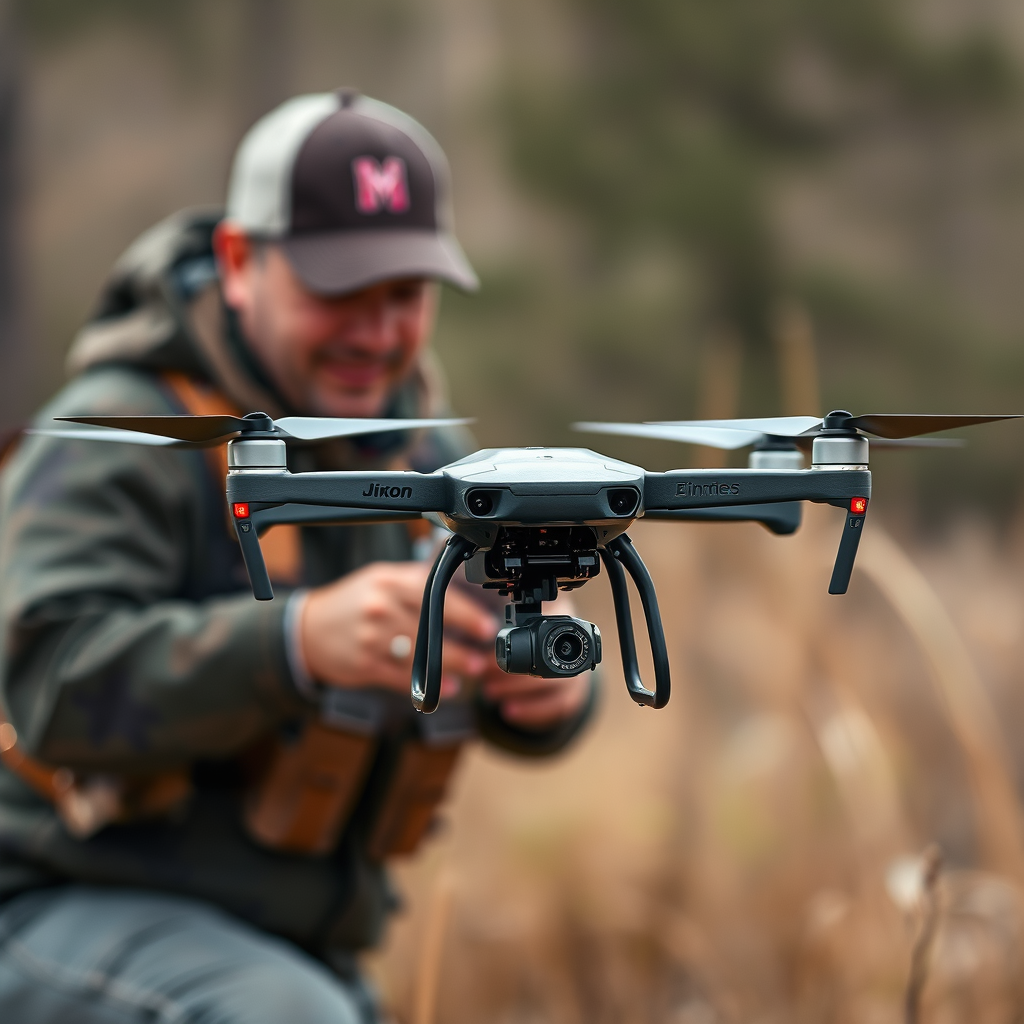
Drones have evolved dramatically over the past decade, and their capabilities make them particularly useful for hunters. Equipped with high-resolution cameras and thermal imaging sensors, drones enhance visibility, allowing hunters to spot animals in dense foliage or during low-light conditions. These features enable hunters to monitor animal movements and behaviors without disrupting their natural habitat.
Furthermore, drones can survey large terrains quickly, providing a bird’s-eye view that would be impossible to achieve on foot. This aerial perspective allows hunters to identify patterns in wildlife movement, locate feeding areas, and even observe the presence of predators or other threats to the game. By analyzing this data, hunters can make more informed decisions about when and where to hunt, ultimately increasing their chances of success.
Legal Regulations Surrounding Drone Use
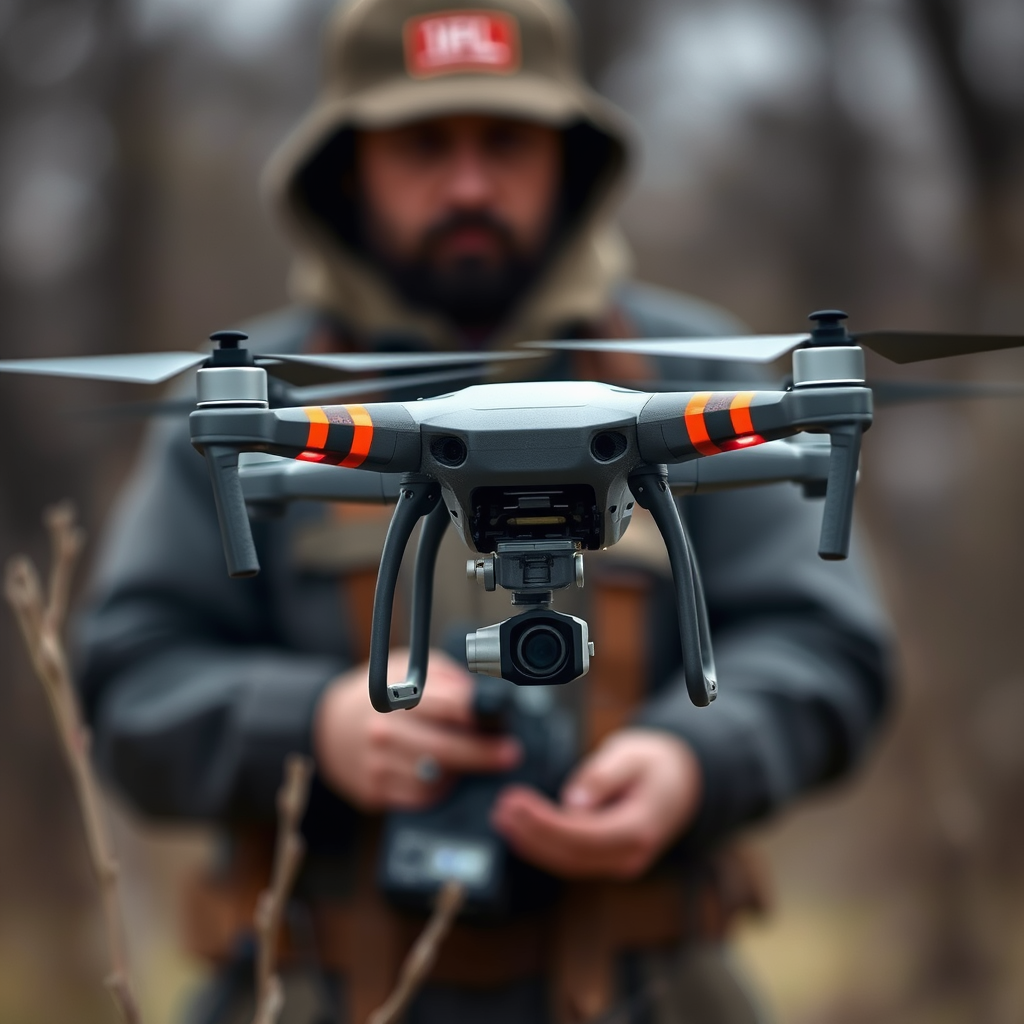
While the potential benefits of using drones in hunting are significant, it is essential to navigate the legal landscape carefully. Many regions have specific laws governing the use of drones in hunting, and regulations can vary widely from one location to another. These laws may dictate how and when drones can be used, including restrictions on flying over certain areas or using drones to track game during specific hunting seasons.
Failing to comply with local drone laws can lead to severe repercussions, including hefty fines and the loss of hunting privileges. Therefore, hunters should always verify their local regulations before incorporating drones into their hunting practices. Consulting with local wildlife authorities or hunting organizations can provide clarity on the legal framework and help ensure that hunters remain responsible and compliant.
Ethical Considerations of Using Drones
The integration of drones into hunting practices also raises several ethical concerns that warrant serious consideration. One of the most significant issues is the potential impact on the principle of “fair chase.” Many hunters believe that hunting should involve a level of challenge and skill, and using drones could undermine that ethos. The ease of locating game from the air might be seen as an unfair advantage, leading to debates about the integrity of the hunting experience.
Moreover, hunters should consider the broader implications of drone use on wildlife. Frequent drone activity can lead to increased stress for animals, potentially altering their natural behaviors and habitats. As stewards of the environment, hunters have a responsibility to minimize their impact on wildlife, and this includes being mindful of how technology influences their hunting practices. Engaging in open discussions within the hunting community can help establish ethical standards that prioritize both successful hunting and the well-being of wildlife.
Advantages of Using Drones in Hunting
The advantages of using drones in hunting are substantial and can significantly enhance a hunter’s experience. One of the primary benefits is the tactical advantage that drones provide. By locating game from the air, hunters can avoid unnecessary disturbance to the environment and focus their efforts on areas where animals are more likely to be found.
Additionally, drones save time and effort spent tracking animals on foot, allowing hunters to cover larger areas in less time. This efficiency is particularly beneficial in remote or rugged terrains where traditional scouting methods may be challenging. Furthermore, the ability to capture real-time footage allows hunters to analyze their surroundings and make quick decisions, adapting their strategies based on what they observe.
Limitations and Challenges
Despite their advantages, the use of drones in hunting is not without limitations and challenges. Battery life remains a significant concern, as many consumer drones can only fly for about 20 to 30 minutes before needing a recharge. This limitation can hinder extensive scouting missions and may require hunters to carry extra batteries or backup drones.
Weather conditions also play a crucial role in drone functionality. High winds, heavy rain, or snow can interfere with drone operations, making it difficult to achieve reliable footage and data. Additionally, technical malfunctions can occur, posing risks to both the drone and the hunting experience.
Cost is another barrier to entry for many hunters. While there are budget-friendly drones available, high-quality models equipped with advanced features tend to be expensive. This financial consideration can limit access to drone technology for some hunters, particularly those who are just starting or operate on a tight budget.
Real-World Applications and Success Stories
Real-world applications of drone technology in hunting demonstrate its potential to enhance success rates and improve hunting strategies. Many hunters have reported increased effectiveness in locating game when using drones to scout locations ahead of time. For example, a case study from a hunting group in the western United States revealed that hunters who incorporated drones into their pre-hunt scouting saw a 30% increase in successful harvests compared to those who relied solely on traditional methods.
Moreover, innovative uses of drones extend beyond mere scouting. Some hunters have utilized drones to monitor animal health and behavior, contributing valuable data to wildlife conservation efforts. By understanding the habits and needs of specific species, hunters can engage in more sustainable practices that align with conservation goals.
Future of Drone Technology in Hunting
As technology continues to evolve, the future of drone use in hunting looks promising. Advancements in drone capabilities, such as improved battery life, enhanced sensors, and better AI-driven analytics, may lead to new tools and methods that further benefit hunters. These developments could provide more nuanced insights into animal behavior, allowing for more targeted and ethical hunting practices.
Moreover, ongoing discussions within the hunting community will shape the future regulations and ethical standards surrounding drone use. As hunters become more aware of the implications of technology on their sport, they may advocate for balanced regulations that promote responsible use while preserving the integrity of hunting.
In conclusion, while drones can be beneficial for hunting, it is essential to navigate the legal and ethical landscape carefully. Hunters must remain informed about regulations and be considerate of the impact their practices have on wildlife and the broader hunting community. As technology evolves, integrating drones into hunting strategies can enhance the experience, provided it is done responsibly and respectfully. By staying updated on best practices and engaging in proactive conversations about ethics, hunters can ensure a positive and sustainable hunting experience for generations to come.
Frequently Asked Questions
Can drones be used for hunting game legally?
The legality of using drones for hunting varies significantly by state and country. In many regions, using drones to locate or track game animals is prohibited during hunting seasons, as it may be considered unfair advantage or unethical. Always check local wildlife regulations and hunting laws to ensure compliance before incorporating drones into your hunting strategy.
How can drones enhance the hunting experience?
Drones can enhance the hunting experience by providing aerial surveillance, helping hunters scout terrain and locate game from above. Equipped with cameras, drones allow hunters to observe animal behavior and movements without disturbing their natural habitat, leading to more informed decisions about when and where to hunt. Additionally, high-resolution imagery can assist in mapping out hunting areas for improved navigation.
What are the best drones for hunting purposes?
The best drones for hunting typically feature long battery life, high-resolution cameras, and robust flight capabilities. Models like the DJI Mavic 2 Pro and the DJI Phantom 4 Pro are popular choices among hunters due to their excellent camera quality and advanced navigation features. It’s also important to choose a drone that is lightweight and portable, making it easier to transport during hunting trips.
Why should hunters consider using drones in their hunting strategy?
Hunters should consider using drones as they provide a unique vantage point, enabling them to gather critical information about animal locations and movements without being detected. This technology can significantly increase the chances of a successful hunt while minimizing the risk of spooking animals. Moreover, drones can assist in tracking wounded game more efficiently, enhancing both ethical hunting practices and overall effectiveness.
What are the ethical considerations of using drones for hunting?
Ethical considerations around using drones for hunting include the potential for unfair advantage and the impact on wildlife. Many hunting organizations advocate against using drones because they can disrupt animal behavior and habitat, compromising the integrity of the hunt. It’s crucial for hunters to weigh the benefits of drone use against ethical hunting practices, ensuring that their methods align with wildlife conservation efforts and regulations.
References
- https://en.wikipedia.org/wiki/Drone_hunting
- https://www.nytimes.com/2021/06/07/us/drones-hunting.html
- https://www.usatoday.com/story/news/nation/2020/11/17/drones-hunting-ethics-legal-issues/6272437002/
- https://www.sciencedirect.com/science/article/abs/pii/S0140988321001434
- https://www.nraila.org/articles/20210921/nra-ila-urges-new-york-to-reject-drone-hunting-bill
- https://www.peta.org/issues/wildlife/drone-hunting/
- https://www.wired.com/story/drones-hunting-ethics/
