
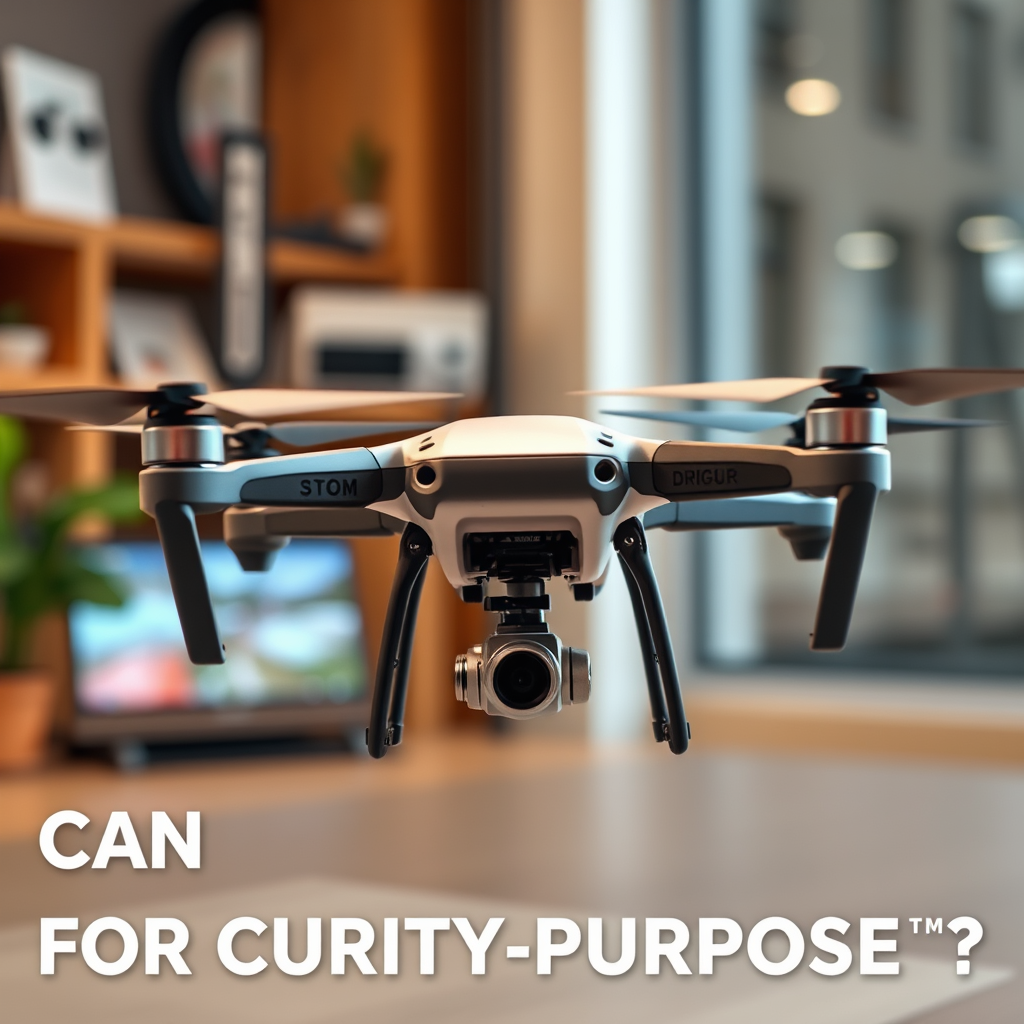
Drones can indeed be used for security, offering innovative solutions for surveillance, monitoring, and response. Their aerial capabilities provide a unique vantage point, enhancing safety and efficiency in various environments. As organizations and governments increasingly look for advanced methods to bolster security, drones have emerged as a versatile tool that can adapt to a range of security needs.
Overview of Drones in Security
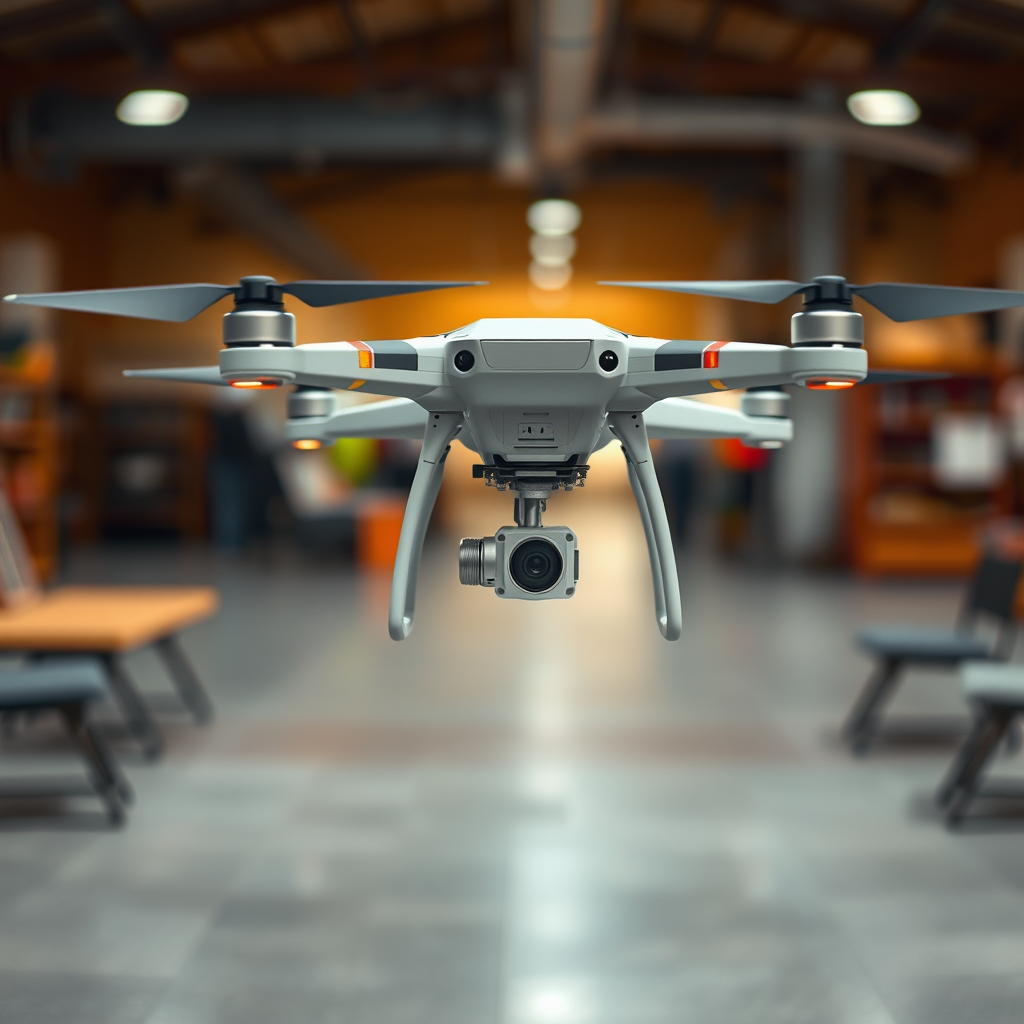
Drones, also known as unmanned aerial vehicles (UAVs), have transformed the landscape of security operations by enabling real-time surveillance over extensive areas. Unlike traditional security methods that may rely heavily on ground-based personnel and static cameras, drones can cover large territories in a fraction of the time. This capability is particularly invaluable in scenarios such as urban monitoring, disaster response, and large event security, where rapid assessment and situational awareness are crucial.
Equipped with high-definition cameras and a variety of sensors—including thermal imaging, LiDAR, and GPS—drones enhance monitoring capabilities significantly. These features allow security teams to detect potential threats that may be invisible to traditional ground-level surveillance, such as unauthorized access in remote areas or unusual activity during nighttime operations. Furthermore, drones can relay live feeds to security personnel, facilitating immediate responses to incidents as they unfold.
Types of Drones Used for Security
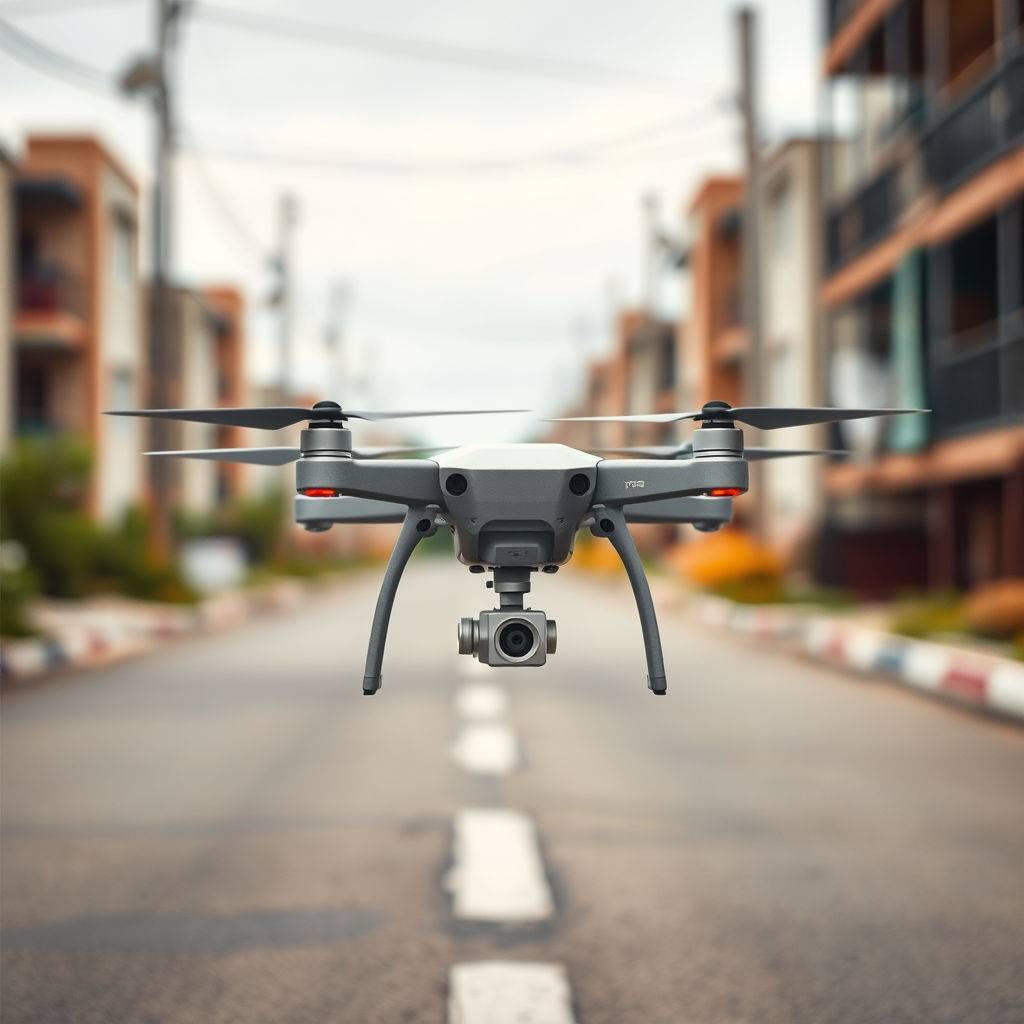
The choice of drone type is crucial for effective security operations, as different models offer varying strengths in terms of range, payload, and maneuverability.
Fixed-wing drones are often utilized for extensive area coverage, making them suitable for tasks such as border patrol and agricultural surveillance. They can fly longer distances and stay airborne for extended periods, which is advantageous for monitoring large, open areas. For instance, the ScanEagle, a fixed-wing UAV, has been employed by military and law enforcement agencies for surveillance operations due to its ability to cover vast distances without the need for frequent recharging.
On the other hand, quadcopters, or multirotor drones, are ideal for detailed, close-range inspections. Their maneuverability allows them to navigate complex environments, making them particularly effective in urban settings or for security assessments at crowded events. Drones like the DJI Matrice 300 have become popular in the security sector due to their advanced flight capabilities and integrations with thermal and optical cameras, enabling comprehensive situational awareness.
Applications of Drones in Security
Drones have found diverse applications in the security sector, enhancing both proactive and reactive measures. One prominent application is event security, where drones are deployed for large gatherings, such as concerts, sports events, and political rallies. Drones can provide aerial surveillance to monitor crowd behavior, detect potential threats, and assist in crowd management. For example, a drone can quickly identify a medical emergency or a disturbance within a crowd, allowing security personnel to respond promptly.
Additionally, drones are increasingly used in border patrol and national security operations. With the capability to cover vast stretches of land or coastline, drones can monitor borders for illegal crossings or smuggling activities. Countries like the United States have implemented drone technology to enhance their border security, utilizing UAVs to patrol remote areas that are challenging to surveil using traditional methods. This not only increases efficiency but also amplifies deterrence against illegal activities.
Benefits of Using Drones for Security
Integrating drones into security operations offers several key benefits. One of the most significant advantages is cost-effectiveness. Traditional security measures, such as hiring personnel for patrolling or installing extensive ground-based surveillance systems, can be prohibitively expensive. Drones reduce these costs by providing a technological solution that requires fewer human resources while achieving comprehensive coverage.
Another critical benefit is the rapid deployment and flexibility drones offer. In emergency situations, drones can be launched quickly to assess a situation, provide real-time data, and even deliver supplies if necessary. For instance, during natural disasters, drones can be used to survey damage, locate survivors, and deliver essential goods to inaccessible areas. Their ability to adapt to various environments further enhances their utility, making them a valuable asset in both urban and rural settings.
Challenges and Limitations
Despite their advantages, the use of drones in security is not without challenges. Regulatory restrictions on drone usage can pose significant limitations, particularly in densely populated urban areas or near airports. Many countries have enacted stringent regulations governing drone flights, which can hinder the ability of security agencies to deploy drones effectively when needed.
Moreover, privacy concerns remain a contentious issue. The potential for misuse of drone technology—such as unauthorized surveillance or data collection—has raised alarms among civil rights advocates and the public. Ensuring ethical usage while balancing security needs and privacy rights will be a critical challenge moving forward. Security agencies must navigate these complexities carefully to maintain public trust and comply with legal standards.
Future Trends in Drone Security Technology
The future of drone technology in security appears promising, with several trends poised to enhance their effectiveness. One of the most exciting developments is the advancement in artificial intelligence (AI) and machine learning. These technologies can improve threat detection capabilities by analyzing data in real-time and identifying patterns that may indicate suspicious behavior. For example, AI algorithms can learn from past incidents and enhance a drone’s ability to recognize potential threats autonomously.
Integration with existing security systems is another trend that will shape the future of drone use in security. By connecting drones to command centers and other security technologies, agencies can achieve a more cohesive and efficient operational framework. This integration allows for enhanced coordination among security personnel, enabling a quicker response to incidents and improved overall situational awareness.
In conclusion, drones represent a significant advancement in security technology, providing versatile and efficient solutions for various security needs. Their ability to conduct real-time surveillance, coupled with advancements in technology and integration with existing systems, positions drones as a crucial component of modern security strategies. As the technology evolves, it will be essential to navigate the associated challenges, such as regulatory and privacy concerns, while maximizing the benefits. Organizations looking to enhance their security strategy should consider incorporating drones into their operations to leverage their full potential.
Frequently Asked Questions
What are the benefits of using drones for security purposes?
Drones offer several benefits for security applications, including enhanced surveillance capabilities, cost-effectiveness, and rapid response times. They can cover large areas quickly and provide real-time video feeds, making them ideal for monitoring events, properties, or borders. Additionally, drones can access hard-to-reach areas, reducing the need for human patrols and minimizing risks to personnel.
How do drones enhance traditional security measures?
Drones enhance traditional security measures by providing an aerial perspective that ground-based systems cannot achieve. They can patrol perimeters, monitor crowds, and detect unusual activities more efficiently than static cameras or security guards. Furthermore, drones equipped with advanced sensors can identify and track potential threats in real-time, allowing security teams to respond promptly to incidents.
Why are drones becoming popular in security applications?
Drones are gaining popularity in security applications due to their versatility, affordability, and technological advancements. With improvements in drone technology, including longer flight times, better camera quality, and enhanced GPS capabilities, they can effectively support a wide range of security tasks. Moreover, the ability to deploy drones quickly in emergencies has made them a valuable tool for businesses and public safety organizations.
What types of drones are best suited for security operations?
The best types of drones for security operations typically include quadcopters and fixed-wing drones. Quadcopters are favored for their maneuverability and ability to hover, making them ideal for detailed inspections and surveillance in tight spaces. Fixed-wing drones, on the other hand, are better suited for covering large areas quickly and are often used for perimeter security and long-range monitoring.
Which industries are most likely to benefit from using drones for security?
Various industries can benefit from using drones for security, including commercial real estate, construction, agriculture, and law enforcement. In commercial real estate, drones can monitor large properties and construction sites for unauthorized access. In agriculture, drones help identify trespassers and protect crops, while law enforcement uses them for crowd monitoring and crime scene analysis, enhancing overall safety and security.
References
- https://en.wikipedia.org/wiki/Unmanned_aerial_vehicle
- https://www.bbc.com/news/technology-55461439
- https://www.ncbi.nlm.nih.gov/pmc/articles/PMC7064566/
- https://www.faa.gov/uas/
- https://www.rand.org/pubs/research_briefs/RB10006.html
- https://www.sciencedirect.com/science/article/pii/S2352864817306934
- https://www.abc.net.au/news/2021-02-15/drones-security-surveillance-covid-19/13163066
