
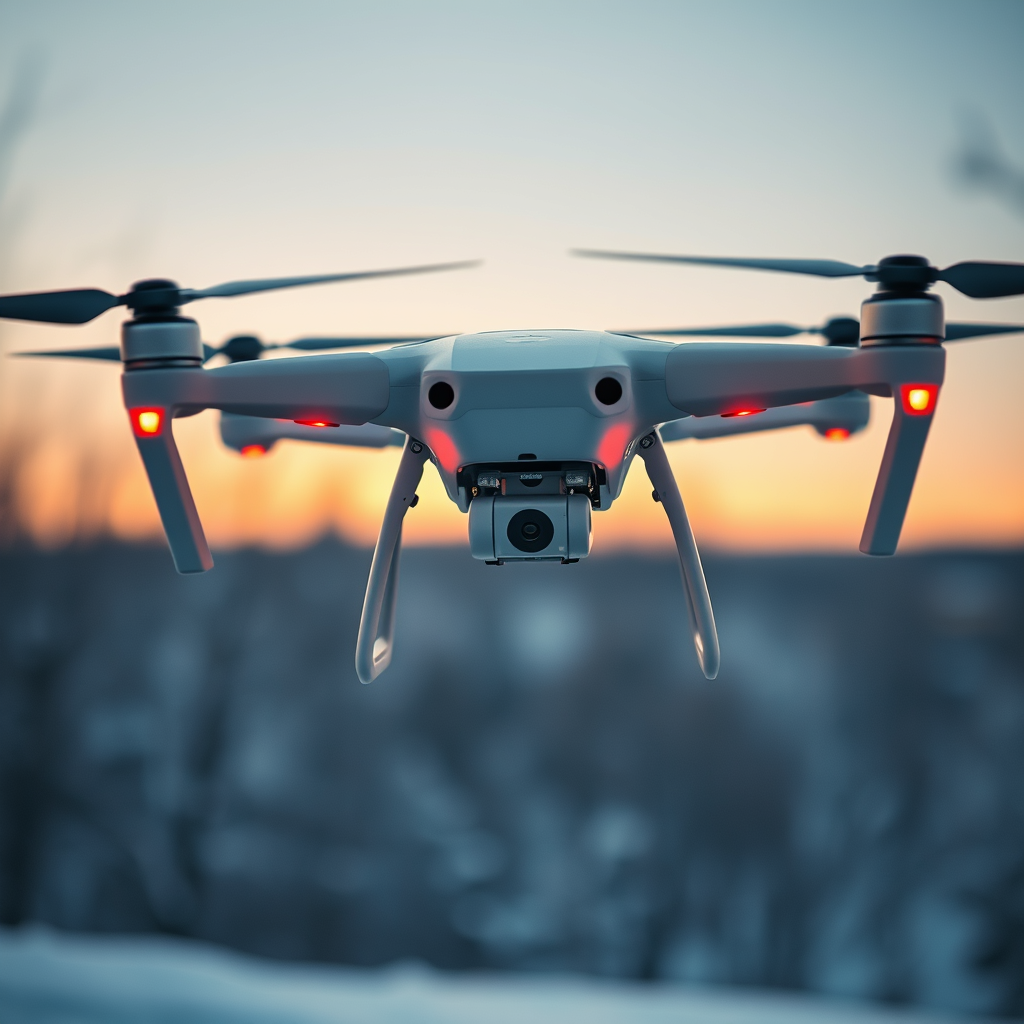
Yes, drones can fly in winter, but there are several important factors to consider that can affect their performance and safety. As temperatures drop and winter conditions set in, drone operators must be mindful of how cold weather, snow, and ice can impact their devices. Understanding these challenges and preparing accordingly can lead to a successful flying experience even in the colder months. In this article, we’ll delve into the specifics of drone performance in cold weather, the effects of snow and ice, preparation tips, best practices for flying, legal considerations, and maintenance after winter use.
Understanding Drone Performance in Cold Weather
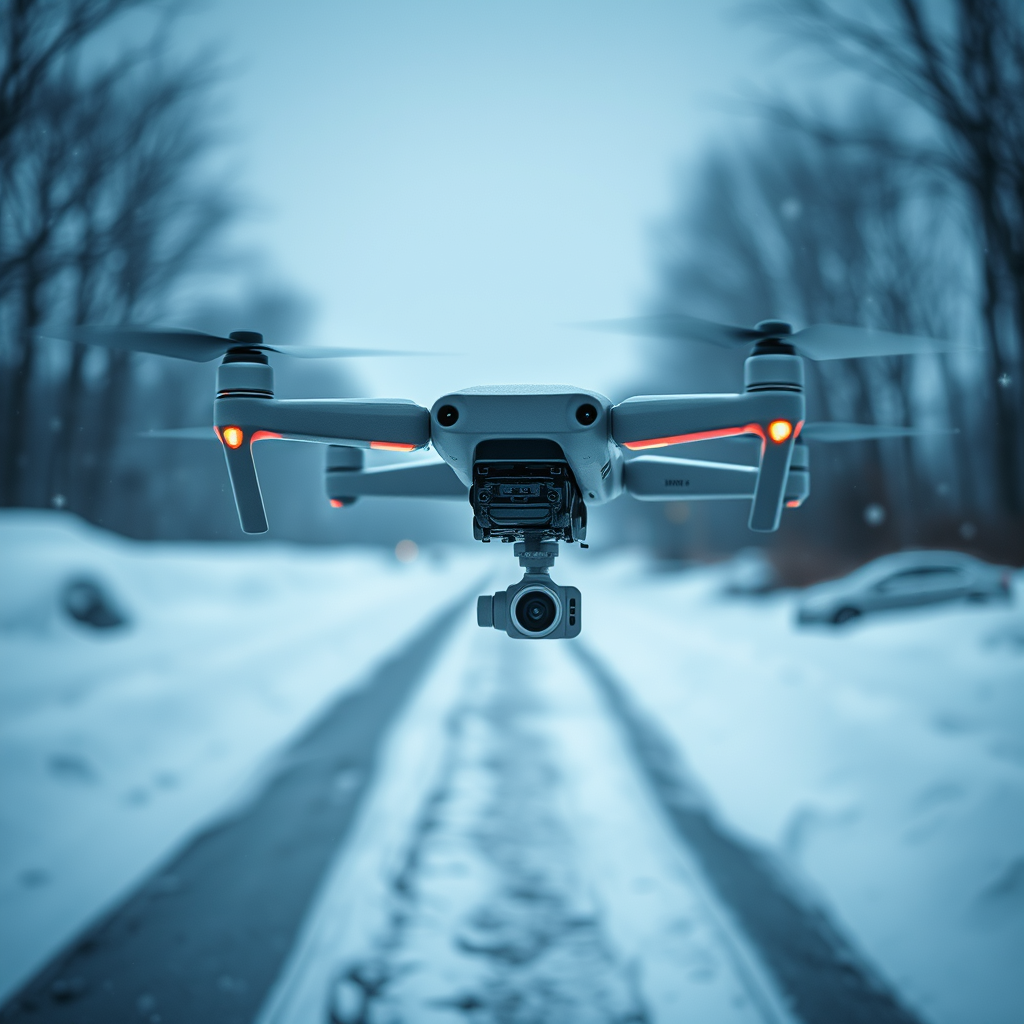
Drones are engineered to operate optimally within specific temperature ranges, usually between 20°F and 100°F (-6°C to 38°C). Outside of this range, performance issues can arise. In particular, cold weather impacts the lithium polymer batteries commonly used in drones. As temperatures drop, the chemical reactions within the battery slow down, leading to a significant reduction in its capacity. This can result in shorter flight times—sometimes by as much as 20-30%.
Moreover, cold temperatures can also affect the drone’s electronic components, potentially leading to slower processing speeds or even failures in navigation systems. Operators should be prepared for these limitations and may need to adjust their flight plans accordingly, such as opting for shorter missions or limiting payload weight to enhance flight efficiency.
Effects of Snow and Ice on Drones
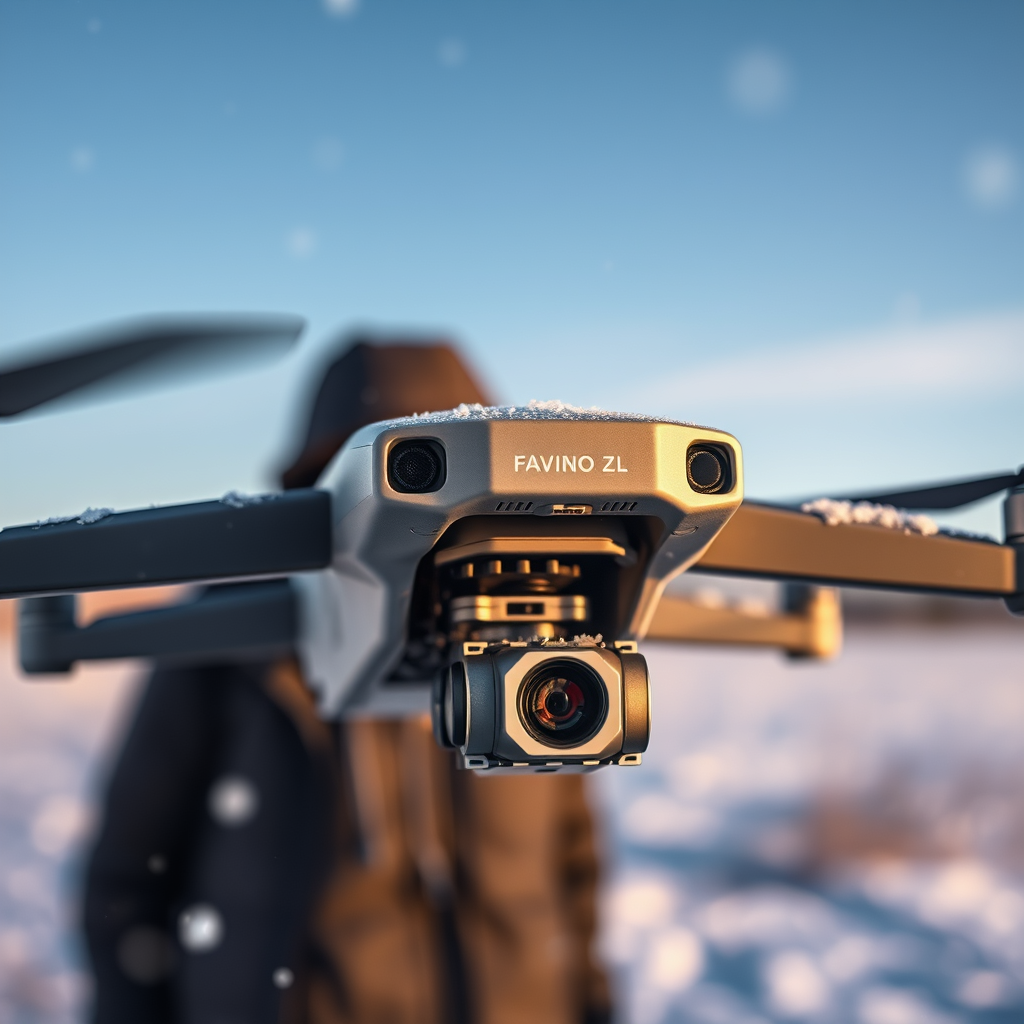
The presence of snow and ice presents unique challenges for drone operations. Snow accumulation can obstruct rotors and sensors, which are vital for maintaining control and stability during flight. If snow clogs the drone’s motors or blades, it can lead to a loss of power or failure to take off altogether. Furthermore, sensors that rely on clear visibility may become impaired, affecting obstacle avoidance systems.
Ice, on the other hand, can form on various components of the drone, including the propellers and camera lenses. This accumulation not only alters the drone’s aerodynamics, making it harder to maneuver, but it can also lead to increased weight and a shift in the center of gravity, both of which can compromise flight safety. Operators should keep a close eye on weather forecasts and avoid flying when snow and ice accumulation is expected.
Tips for Preparing Your Drone for Winter Flights
Preparation is key to ensuring the safe operation of drones in winter conditions. One effective strategy is to use insulated battery cases to maintain battery temperature. These cases help to keep the batteries warm before and during flights, minimizing the effects of cold weather on performance.
Additionally, pre-warming your drone indoors before flying can optimize its performance. Allowing the drone to acclimate to room temperature can prevent components from becoming brittle and help ensure that all systems are functioning correctly. It is also advisable to check your drone’s firmware and update it if necessary, as manufacturers often release updates that improve performance in various conditions.
Best Practices for Flying Drones in Winter
When operating drones in winter, thorough pre-flight checks are essential. Inspect the drone for any signs of damage, ensuring that all components are functioning properly. This includes checking the propellers, battery connections, and sensors.
Moreover, operators should avoid flying in heavy snowfall or strong winds, as these conditions can severely compromise visibility and control. It’s advisable to fly during periods of light snow or clear weather, ensuring that you have a safe flight path and can easily navigate any potential obstacles. Having a flight plan that includes emergency landing zones can also enhance safety.
Legal Considerations for Winter Drone Operations
Before flying a drone in winter, it is crucial to be aware of local regulations. Many areas have specific laws regarding drone use in snow-covered regions, particularly in relation to wildlife protection and privacy concerns. Additionally, some jurisdictions may impose temporary flight restrictions during winter months, especially in areas prone to heavy snowfall or where search and rescue operations may be active.
Operators should check with local aviation authorities or drone regulatory bodies to ensure compliance with all relevant regulations. This will help avoid potential fines and ensure that your drone flying activities are both legal and ethical.
Maintenance and Care for Drones After Winter Use
Proper maintenance after winter use is vital to prolonging the life of your drone. After flying in snow or rain, it is important to clean and dry the drone thoroughly. Snow and moisture can lead to corrosion and damage if left unattended. Using a soft brush or cloth can help remove any snow or debris, while a gentle air compressor can assist in clearing out any moisture from hard-to-reach areas.
Regularly inspecting your drone for any signs of damage after winter operations is essential. Pay particular attention to the propellers and camera, as these components are often most affected by winter weather. If any issues are identified, addressing them promptly can prevent larger problems in the future, ensuring your drone remains in good working order.
In conclusion, while drones can indeed fly in winter, it is crucial to understand the challenges posed by cold weather and snow. By following the tips and best practices outlined above, drone operators can ensure safe and effective operations throughout the winter months. Whether you are capturing stunning winter landscapes or conducting essential surveys, being prepared and informed will enhance your flying experience. Happy flying!
Frequently Asked Questions
Can drones fly in winter weather conditions?
Yes, drones can fly in winter weather conditions, but several factors must be considered. Cold temperatures can affect battery life, potentially reducing flight time and performance. Additionally, snow and ice can impede visibility and create hazardous flying conditions. It’s essential to check the weather forecast and ensure that the drone is rated for the temperatures and conditions expected during winter.
How does cold weather affect drone battery performance?
Cold weather significantly impacts drone battery performance, as lithium polymer batteries typically used in drones can lose capacity in lower temperatures. This can lead to shorter flight times and decreased power output. To mitigate these effects, it’s advisable to keep batteries warm before flying, such as by storing them in a pocket, and to monitor battery levels closely during winter flights.
What precautions should I take when flying a drone in winter?
When flying a drone in winter, it’s crucial to take several precautions to ensure safe operation. First, check that your drone is equipped for cold weather, as some models have specific temperature limits. Second, avoid flying in heavy snowfall or strong winds, as these can impair control and visibility. Lastly, regularly inspect your drone for ice buildup on propellers and ensure that all components are functioning correctly before takeoff.
Why is it important to consider visibility when flying a drone in winter?
Visibility is a critical factor when flying a drone in winter because snow, fog, and overcast skies can hinder your ability to see both the drone and the surrounding environment. Poor visibility increases the risk of losing control of the drone or colliding with obstacles. Ensuring that you can clearly see your drone and its flight path is essential for safe operation, so it’s best to fly on clearer days when possible.
Which drones are best suited for winter flying?
Drones specifically designed for winter flying often have features that enhance their performance in cold conditions. Models with robust battery systems that handle low temperatures well, as well as those with weatherproofing or waterproofing capabilities, are ideal. Popular choices include the DJI Mavic 2 Pro and the Autel EVO Lite+, as they offer good battery performance and are built to withstand harsher weather conditions, making them reliable options for winter flying.
References
- https://www.wired.com/story/can-drones-fly-in-cold-weather/
- https://www.nasa.gov/feature/keeping-drones-cool-in-the-heat-and-warm-in-the-cold
- https://www.skyward.io/blog/can-drones-fly-in-winter/
- https://www.faa.gov/uas/getting_started/part_107/
- https://www.sciencedirect.com/science/article/abs/pii/S2213138817300421
- https://www.researchgate.net/publication/323953547_The_impact_of_temperature_on_drone_performance
- https://www.nytimes.com/2020/01/08/technology/drones-winter-weather.html
