

Drones can fly over residential areas, but there are important regulations and considerations to keep in mind. Understanding local laws, privacy concerns, and safety measures is essential for responsible drone operation in these zones. As drone technology continues to advance and become more accessible, operators must navigate a complex web of regulations and societal expectations to ensure safe and respectful use.
Understanding Drone Regulations
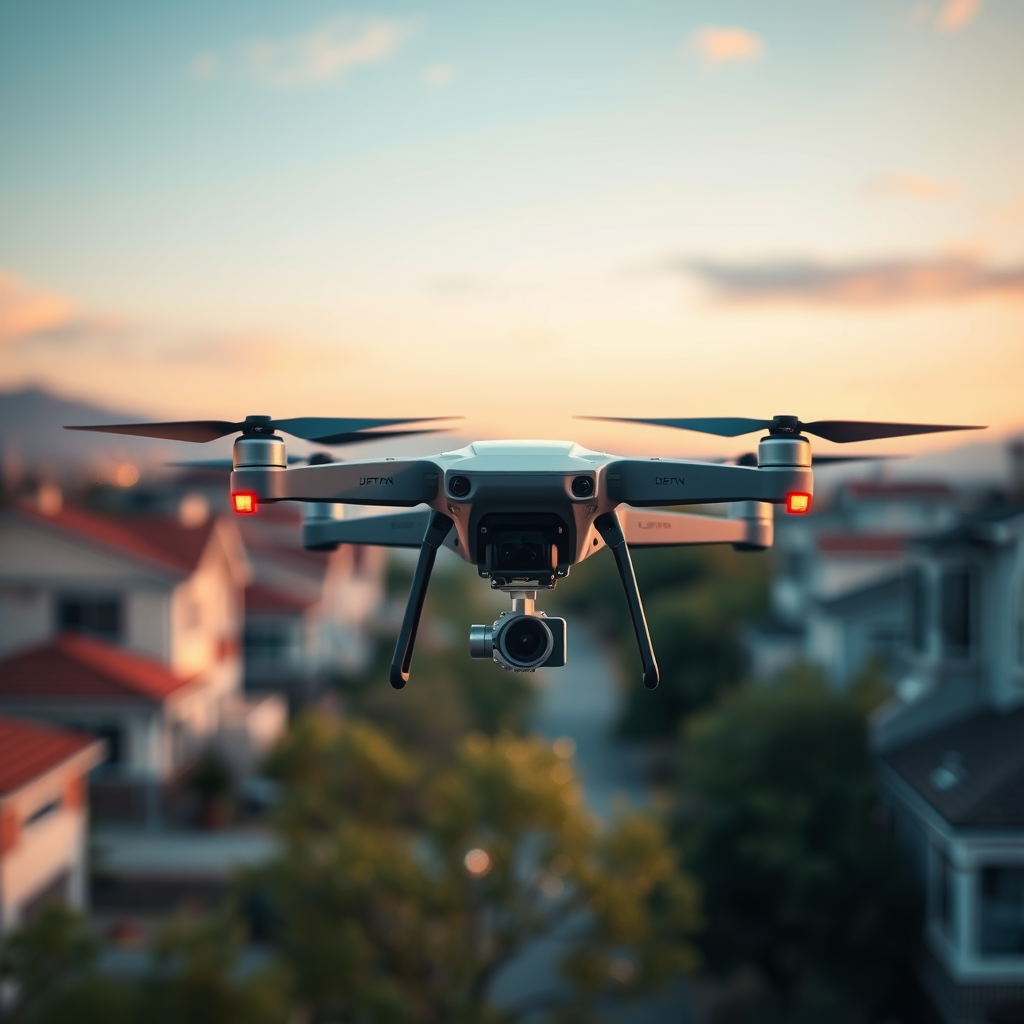
In the United States, the Federal Aviation Administration (FAA) establishes the primary framework for drone operations. Under FAA regulations, recreational drone operators must adhere to guidelines that include flying below 400 feet, maintaining visual line-of-sight with the drone, and avoiding restricted airspaces, such as controlled airports or populated areas without necessary permissions. Additionally, drone operators must register their aircraft if it weighs more than 0.55 pounds.
However, these federal regulations are just the starting point. Local and state laws can impose additional restrictions, which may vary significantly from one jurisdiction to another. For example, some cities have enacted laws that prohibit drone flights over specific residential neighborhoods, parks, or public gatherings. To ensure compliance, drone operators should research and familiarize themselves with both state and local regulations before taking to the skies.
Privacy Concerns
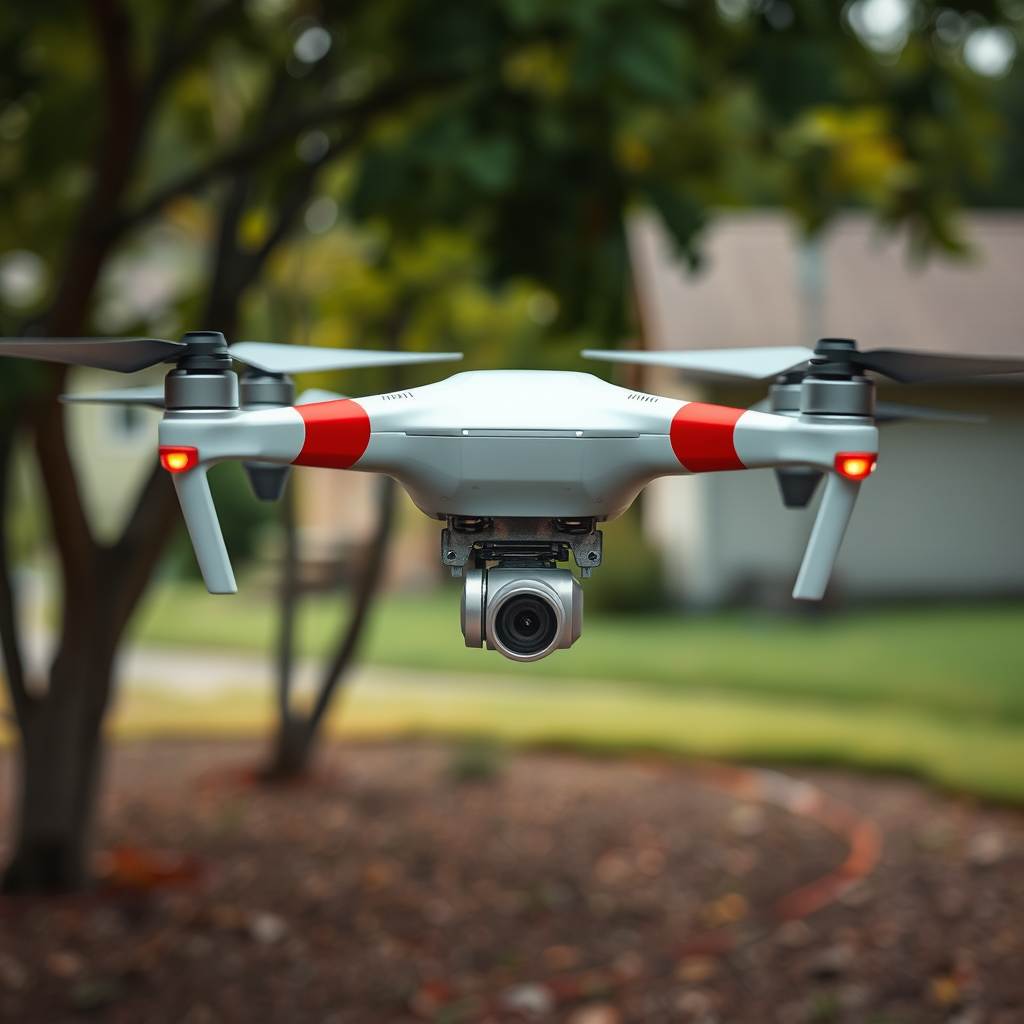
Privacy is a significant concern when it comes to flying drones over residential areas. Residents may feel uneasy about being recorded or monitored without their knowledge or consent. Drones equipped with high-resolution cameras can capture images and videos that invade personal space, leading to discomfort and potential legal issues for operators.
To mitigate privacy concerns, it is advisable for drone operators to respect the personal space of others and to seek consent when flying in close proximity to residential properties. For instance, if a homeowner intends to conduct aerial photography for real estate, they should first communicate with neighboring properties to inform them of their activities and address any concerns. Ultimately, fostering a culture of transparency and respect can help build trust between drone operators and the community.
Safety and Liability Issues
The safety of drone operations is paramount, particularly in residential areas where people, pets, and property are present. Drones can pose risks if they malfunction, crash, or are operated irresponsibly. For example, a drone falling from the sky can cause injury to individuals or damage to homes and vehicles, leading to liability issues for the operator.
Operators should take proactive measures to minimize safety risks. This includes conducting pre-flight checks to ensure the drone is functioning correctly, avoiding flying in adverse weather conditions, and maintaining a safe distance from crowds and sensitive areas. Furthermore, it is advisable to carry liability insurance specifically designed for drone operations. This type of insurance can provide financial protection in the event of accidents or property damage.
Flight Restrictions and No-Fly Zones
Certain areas are designated as no-fly zones, where drone operations are strictly prohibited. These restrictions are often enacted for safety and security reasons, particularly near airports, military bases, and critical infrastructure sites. For instance, flying drones within a five-mile radius of an airport without prior authorization can lead to significant legal consequences for the operator.
In addition to permanent no-fly zones, temporary flight restrictions (TFRs) may apply during special events, natural disasters, or security incidents. Operators should always check for TFRs and other airspace advisories before flying, using resources such as the FAA’s website or mobile applications designed for drone pilots. Adhering to these regulations not only ensures legal compliance but also contributes to the overall safety of airspace for all users.
Best Practices for Flying Drones in Residential Areas
To ensure responsible drone operation in residential areas, operators should adopt best practices that prioritize safety and community respect. First, maintaining a safe distance from people and property is crucial. The FAA recommends flying drones at least 25 feet away from individuals who are not involved in the operation, which helps to prevent accidents and reduces disturbances.
Additionally, flying at a reasonable altitude minimizes the impact on residents’ daily lives. Operating at altitudes above 400 feet is not only compliant with FAA regulations but also reduces the likelihood of startling residents or interfering with their activities.
Moreover, being aware of noise levels generated by drones can also enhance the flying experience for all parties involved. Many drone manufacturers are now producing quieter models, which can be particularly advantageous when flying in residential neighborhoods.
Community Engagement and Communication
Building a positive relationship with the local community is essential for drone operators. Engaging neighbors and informing them about flight activities can alleviate concerns and foster goodwill. For instance, hosting a community meeting or sending out flyers detailing the purpose of drone operations can help dispel myths and misunderstandings about drones.
In some cases, drone operators may even offer to share aerial footage with local residents, showcasing the beauty of the neighborhood from a new perspective. This approach can help demonstrate the value of drone technology while addressing any apprehensions residents may have.
Additionally, joining local drone clubs or organizations can provide valuable opportunities for networking and learning from other experienced operators. These communities often share best practices and insights that can enhance the safety and enjoyment of drone flying.
In conclusion, while drones can legally fly over residential areas, operators must navigate a complex landscape of regulations, safety, and community relations. By understanding local laws, respecting privacy concerns, prioritizing safety, and engaging with the community, drone operators can ensure a responsible and positive experience for everyone involved. Staying informed and adhering to best practices will foster a culture of respect and safety in the evolving landscape of drone technology.
Frequently Asked Questions
What are the regulations for flying drones over residential areas?
The regulations for flying drones over residential areas vary by country and region, but in the United States, the Federal Aviation Administration (FAA) governs drone operations. Generally, drone pilots must keep their devices within visual line of sight, fly below 400 feet, and avoid flying over people or moving vehicles. Additionally, pilots are required to adhere to local laws and homeowners’ associations’ rules, which may impose further restrictions on drone usage in residential neighborhoods.
How can I safely fly my drone in residential areas?
To safely fly your drone in residential areas, first ensure you are familiar with local laws and regulations governing drone flight. Always maintain a safe distance from people, pets, and property, and avoid flying directly over homes or gatherings. Additionally, consider flying during times when there are fewer people outside, and utilize a pre-flight checklist to ensure your drone is in good condition, which can help prevent accidents and promote a safe flying experience.
Why are there restrictions on flying drones over homes?
Restrictions on flying drones over homes primarily exist to protect people’s privacy and safety. Drones equipped with cameras can inadvertently invade personal space or capture footage without consent, leading to privacy concerns. Moreover, flying drones near residences poses risks of accidents, such as collisions with buildings or power lines, which could result in property damage or injury. Therefore, regulations are in place to mitigate these risks and promote responsible drone usage.
What should I do if a neighbor complains about my drone flying over their property?
If a neighbor complains about your drone flying over their property, it’s essential to handle the situation calmly and respectfully. Begin by discussing their concerns to understand the specific issues they have, such as privacy invasion or noise. You may consider adjusting your flying practices, such as flying at a different time or altitude, to accommodate their needs. Open communication can help build goodwill and prevent further conflicts regarding drone usage in the neighborhood.
Which drones are best for flying in residential areas?
When choosing a drone for flying in residential areas, consider models that are compact, quiet, and equipped with advanced safety features. Drones like the DJI Mini 2 or the Parrot Anafi are popular options due to their lightweight designs and low noise levels, making them less intrusive in residential settings. Additionally, look for drones with obstacle avoidance technology, which can enhance safety and prevent crashes in crowded environments. Always check local regulations before purchasing to ensure compliance with any specific restrictions on drone types.
References
- https://en.wikipedia.org/wiki/Drone_regulation
- https://www.faa.gov/uas/getting_started/
- https://www.nytimes.com/2021/04/06/us/drones-regulations.html
- https://www.reuters.com/technology/what-you-need-know-about-drones-us-2021-04-07/
- https://www.npr.org/2021/04/06/984126072/what-you-need-to-know-about-flying-drones-in-your-neighborhood
- https://www.bbc.com/news/technology-54714709
- https://www.ncbi.nlm.nih.gov/pmc/articles/PMC7071433/
- https://www.aviation.govt.nz/assets/publications/Drones-in-New-Zealand.pdf
- https://www.techrepublic.com/article/understanding-the-rules-for-flying-drones-in-residential-areas/
