
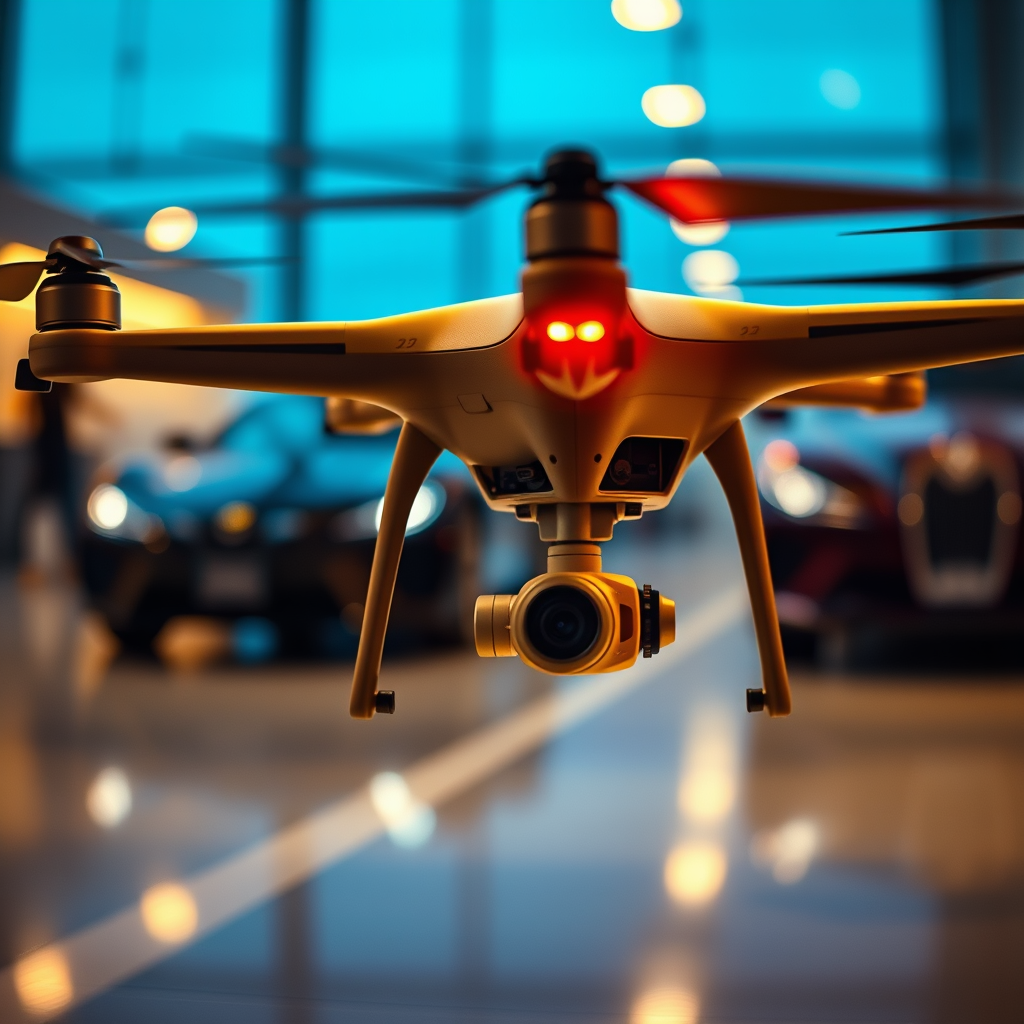
Yes, drones can typically be taken in carry-on luggage, but there are specific guidelines and regulations to consider. Carrying a drone on a flight involves navigating through airline policies, battery regulations, and security procedures. By understanding these aspects and planning accordingly, you can ensure a smooth travel experience without any surprises at the airport.
Understanding Airline Policies
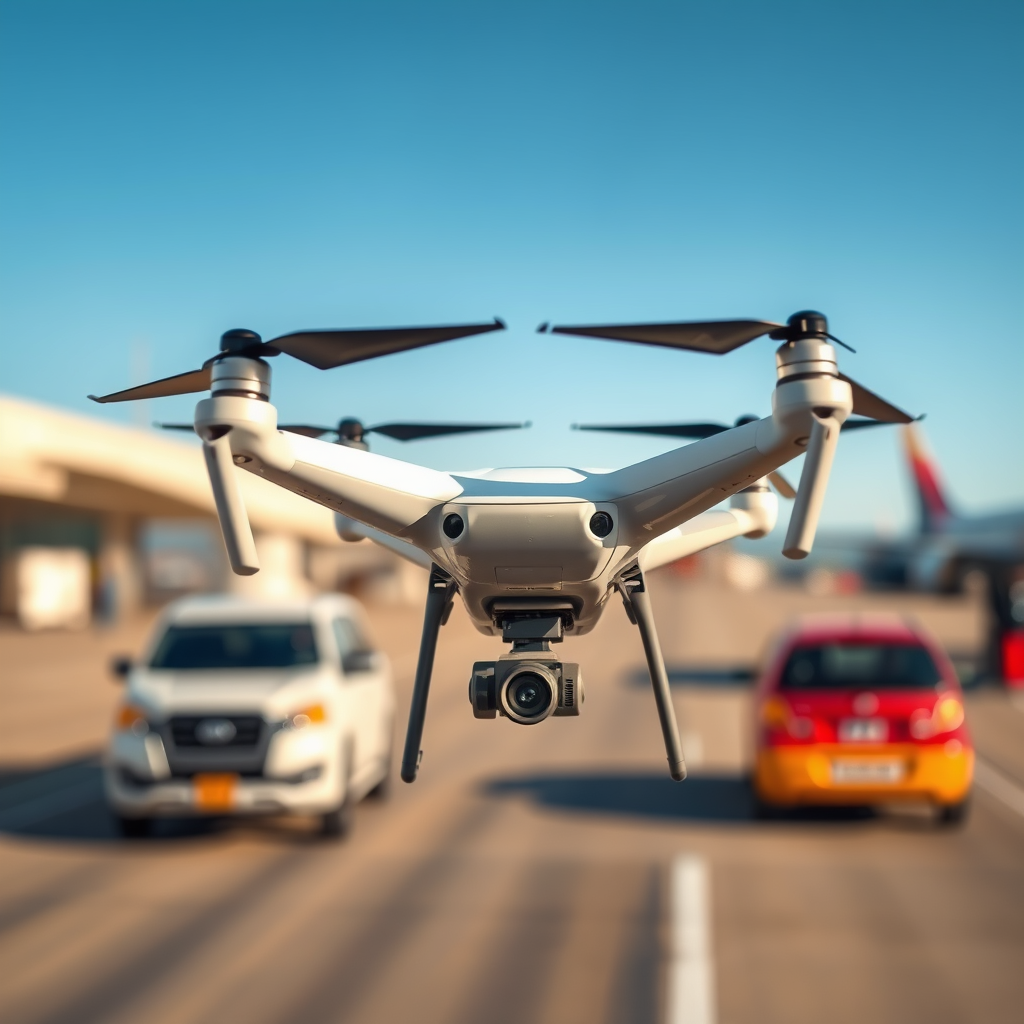
When traveling with a drone, the first step is to review the specific policies of the airline you are flying with. Each airline has its own set of rules regarding what can be carried on board, and this includes restrictions based on the size, weight, and battery capacity of the drone. For instance, major carriers such as American Airlines and Delta may impose limitations on the dimensions and weight of carry-on items, which could affect larger drones.
In addition to size and weight restrictions, some airlines may require that the drone be packed in a specific manner or that certain components, like batteries, be stored separately. To avoid delays or issues at the boarding gate, it’s prudent to check the airline’s website or contact their customer service for the most up-to-date information regarding drone transportation.
Battery Regulations
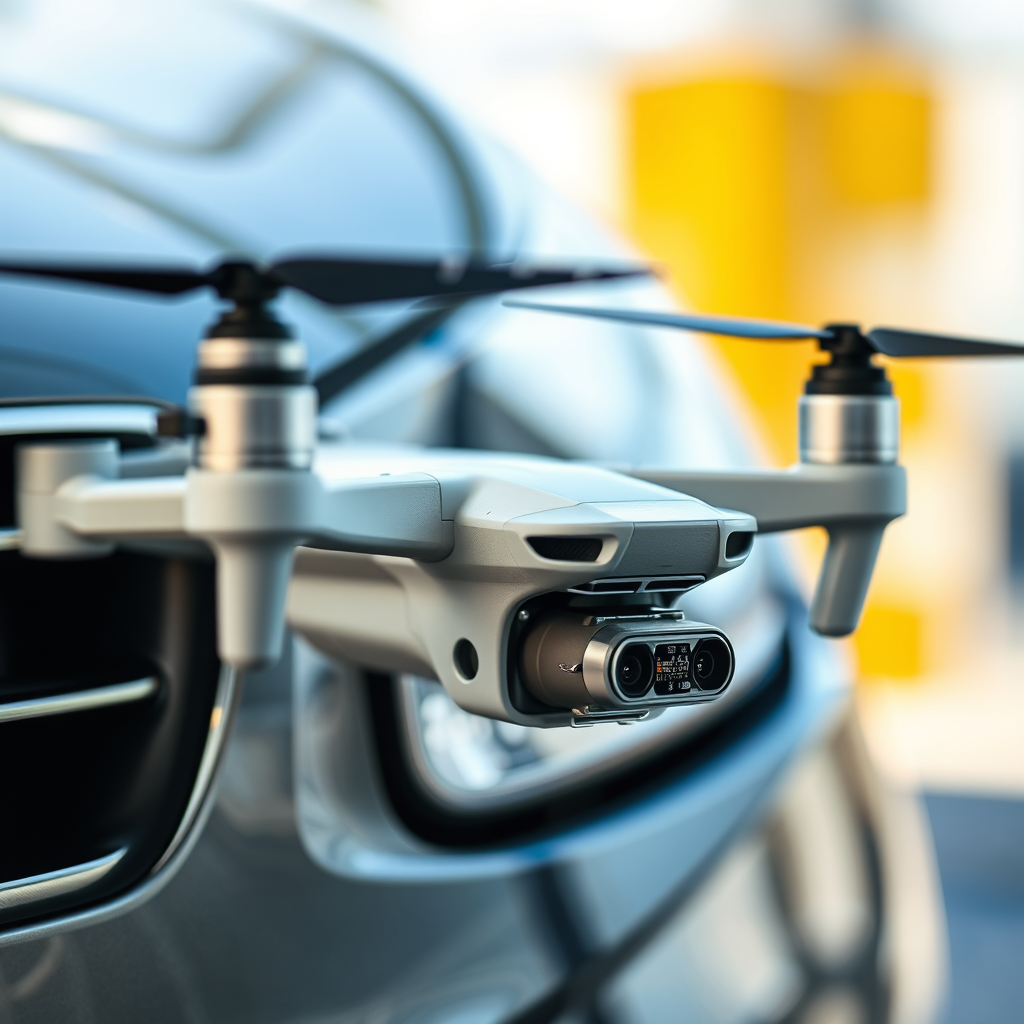
Batteries are a critical aspect of drone transport, especially lithium-ion batteries, which are commonly used in modern drones. These batteries come with specific watt-hour limits imposed by aviation authorities, such as the Federal Aviation Administration (FAA) in the United States and the International Air Transport Association (IATA) globally. Typically, batteries that exceed 100 watt-hours are prohibited from being carried on board, and those between 100 and 160 watt-hours may require special permission.
Furthermore, regulations often dictate that lithium batteries must be carried in the cabin rather than in checked luggage due to fire hazard concerns. It’s advisable to keep batteries in their original packaging or protective cases to prevent short circuits and to ensure that their terminals are covered. Always carry spare batteries in your carry-on to comply with airline safety protocols.
Security Screening Procedures
At security checkpoints, travelers with drones should expect additional scrutiny. The Transportation Security Administration (TSA) in the United States recommends that passengers remove their drones from their bags and place them in a separate bin for X-ray screening, similar to how laptops and other large electronic devices are handled. This step is crucial as it allows security personnel to examine the drone without obstruction.
Travelers should also be prepared for potential delays during the screening process, especially if the drone is equipped with multiple components or accessories. Being organized and having your drone easily accessible can expedite this process. It’s wise to arrive at the airport early to accommodate any unforeseen delays related to security checks.
International Travel Considerations
Traveling internationally with a drone introduces a new layer of complexity, as different countries have varying regulations regarding drone use and importation. Some nations have strict rules that may prohibit drones entirely, while others require registration, permits, or even insurance to operate a drone legally. For example, countries like Canada and Australia have comprehensive regulations that travelers must adhere to, which may include notifying local authorities before flying.
To avoid legal issues, always research local laws and regulations before traveling. Check if the country you are visiting has specific requirements for drone registration or if there are designated areas for flying. Ignoring these rules could lead to confiscation of the drone, fines, or even legal action, so thorough preparation is key.
Tips for Packing Your Drone
Proper packing is essential for ensuring your drone arrives at your destination in working condition. Using a protective case specifically designed for your drone model is highly recommended. These cases not only offer cushioning but also help organize accessories, such as propellers and batteries, preventing them from shifting during transit.
When packing, ensure that all components are securely fastened and that the drone’s camera and gimbal are protected to avoid damage. Additionally, consider labeling your case as “fragile” to alert airport staff to handle it with care. If you have multiple batteries, keeping them in a battery-safe pouch can further enhance safety during transport.
What to Do If Denied Carry-On Access
If you find yourself denied carry-on access to your drone, it’s important to remain calm and understand your rights. First, ask for clarification on the reasons for the denial, as it could be due to size, weight, or battery issues. If your drone does not meet the airline’s criteria, inquire about alternative options such as shipping the drone separately or checking it in if permitted.
Always have a backup plan in place. Research shipping services that specialize in transporting drones and have contingency plans for retrieving your drone if it gets delayed or lost. Carrying documentation that outlines your drone’s specifications and compliance with regulations can also support your case if you encounter resistance from airline staff.
In conclusion, while drones can usually be included in carry-on luggage, it’s crucial to adhere to airline policies and regulations meticulously. Understanding airline rules, battery requirements, security procedures, international laws, and packing tips ensures that you can travel with your drone without unnecessary hassles. By preparing ahead and being informed, you can enjoy hassle-free travel with your drone and capture stunning aerial footage at your destination.
Frequently Asked Questions
Can I take a drone in my carry-on luggage when flying?
Yes, you can typically take a drone in your carry-on luggage when flying, but it’s essential to check the airline’s specific regulations beforehand. Most airlines allow drones as long as they comply with size and weight restrictions, and the batteries are stored safely. Ensure that the drone is easily accessible for inspection during security checks.
What are the battery restrictions for carrying a drone on a plane?
When carrying a drone on a plane, the Federal Aviation Administration (FAA) and most airlines require that lithium batteries be carried in your carry-on luggage rather than checked baggage. Generally, batteries must not exceed 100 watt-hours (Wh) per cell, and if you have batteries between 100 Wh and 300 Wh, you may be allowed to carry a maximum of two with airline approval. Always check with your airline regarding specific battery policies.
Why do airlines have restrictions on carrying drones and their batteries?
Airlines impose restrictions on carrying drones and their batteries primarily due to safety concerns regarding lithium batteries, which can pose a fire risk if damaged or improperly handled. The regulations are designed to minimize the risk of in-flight incidents, ensuring the safety of all passengers and crew members. Understanding these regulations can help you travel with your drone more safely and responsibly.
What should I do if my drone exceeds the carry-on size limit?
If your drone exceeds the carry-on size limit, you have a few options. You can check the drone as luggage, ensuring it’s well-protected with appropriate padding to prevent damage during transit. Alternatively, consider disassembling the drone or removing components like the propellers to reduce its size, making it easier to fit within airline restrictions.
Which airlines have the most lenient policies regarding carrying drones?
Airlines such as Southwest, Delta, and Alaska Airlines are often noted for having more flexible policies regarding carrying drones in carry-on luggage. However, policies can vary, and it’s crucial to verify the most up-to-date regulations directly with the airline before your flight. Doing so ensures you can travel with your drone without unexpected issues at the airport.
References
- https://www.tsa.gov/travel/security-screening/whatcanibring/items/drone
- https://www.faa.gov/uas/getting_started/registration
- https://www.nytimes.com/2021/07/01/business/drone-carry-on-luggage.html
- https://www.bbc.com/news/technology-48915070
- https://www.ncbi.nlm.nih.gov/pmc/articles/PMC6484725/
- https://www.travel.state.gov/content/travel/en/international-travel/International-Travel-Country-Information-Pages.html
- https://www.aa.com/i18n/travel-info/baggage/carry-on-baggage.jsp
