
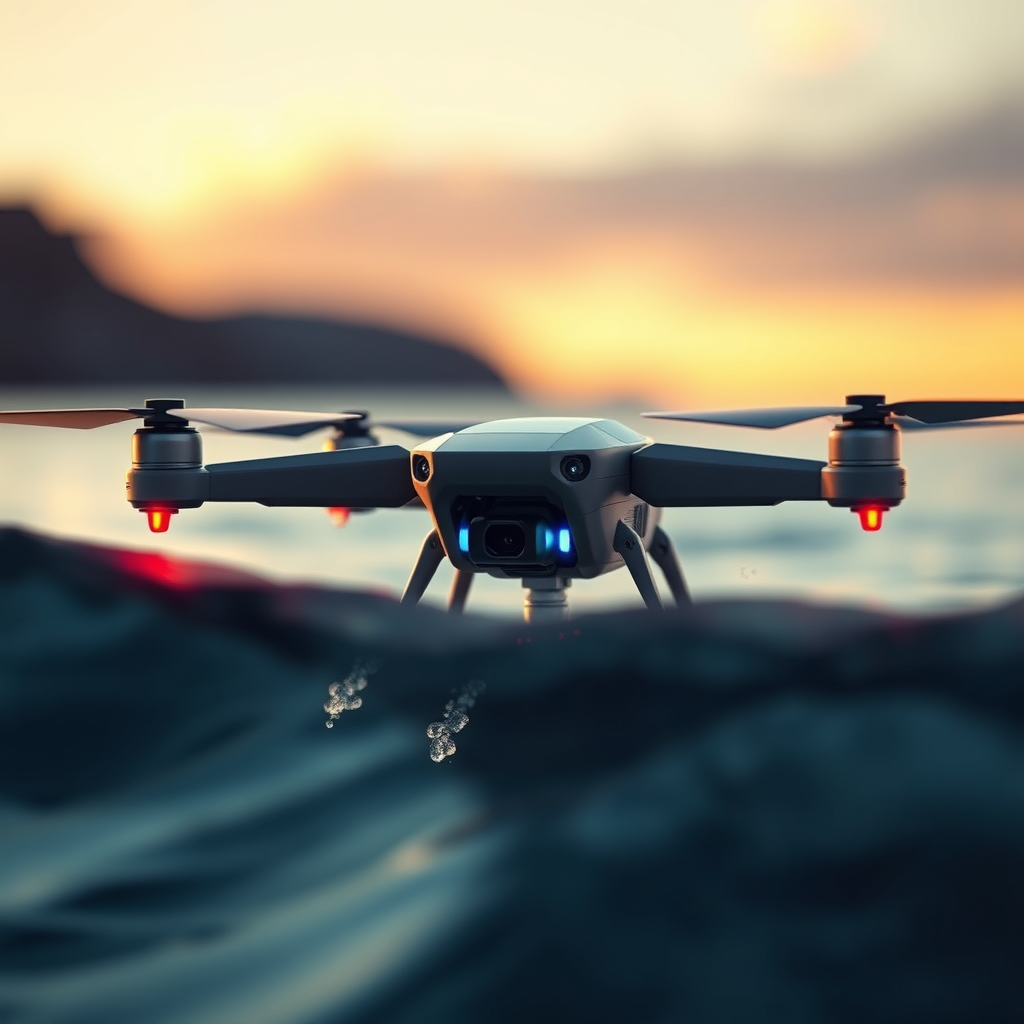
Drones can indeed operate in water, but their effectiveness and functionality depend on their design and purpose. While traditional consumer drones are typically not waterproof and can suffer damage when exposed to water, specialized aquatic drones have been engineered for underwater exploration and surface operations. These drones are increasingly utilized in various sectors, including research, environmental monitoring, and search and rescue missions. This article explores the capabilities of drones in water and the types of drones designed specifically for aquatic environments.
Understanding Drone Types
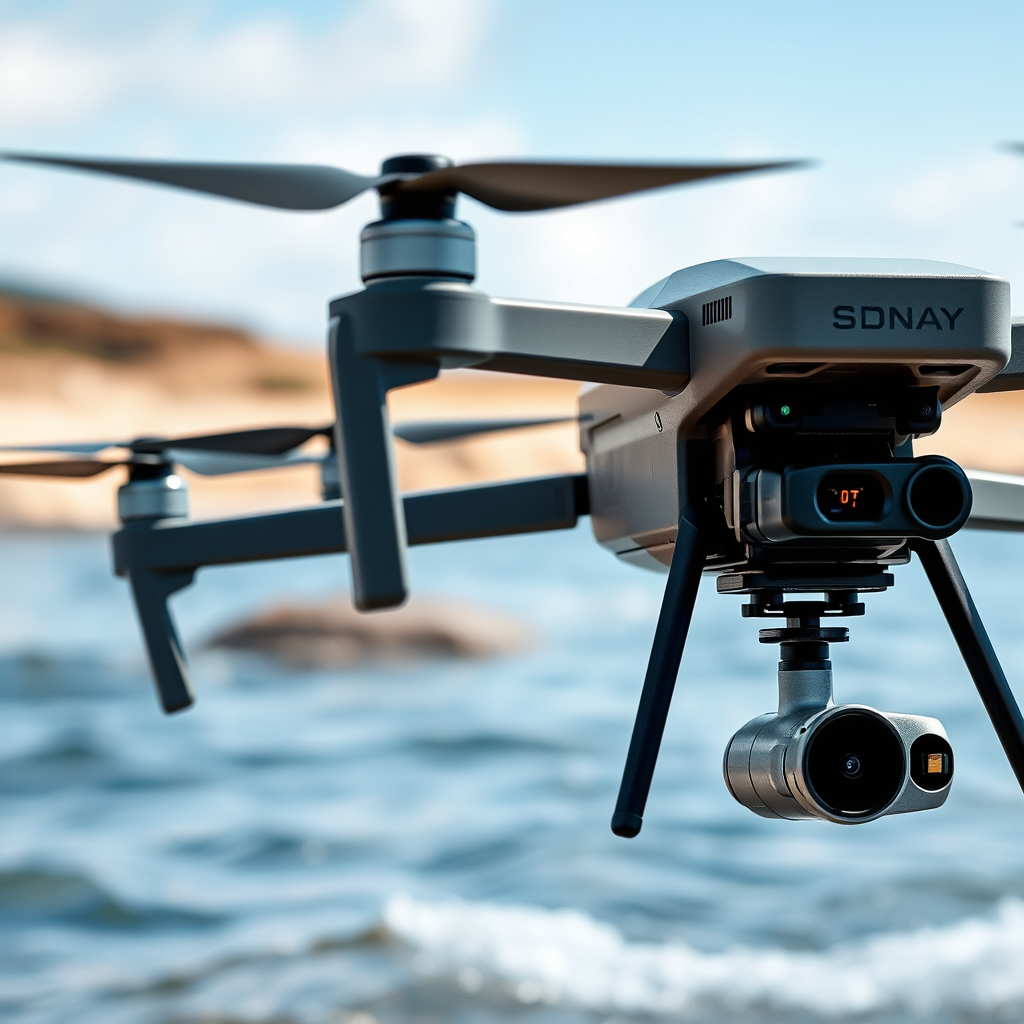
When discussing drones that can operate in water, it is essential to differentiate between consumer drones and aquatic drones.
– Consumer Drones: These are the most common types of drones available on the market, often used for photography, videography, and recreational flying. However, they are not designed to withstand water exposure. Even a light drizzle can lead to significant malfunctions, as most consumer drones lack waterproofing features. Users must be cautious and avoid flying these drones near water bodies to prevent costly damages.
– Aquatic Drones: In contrast, aquatic drones are specifically built for missions that involve water, either at the surface or underwater. These drones are equipped with features that allow them to handle the unique challenges of aquatic environments. They typically include waterproof casings, buoyancy controls, and specialized sensors for navigation and data collection. Aquatic drones are valuable tools in marine research, environmental conservation, and emergency response efforts.
How Drones Handle Water Exposure
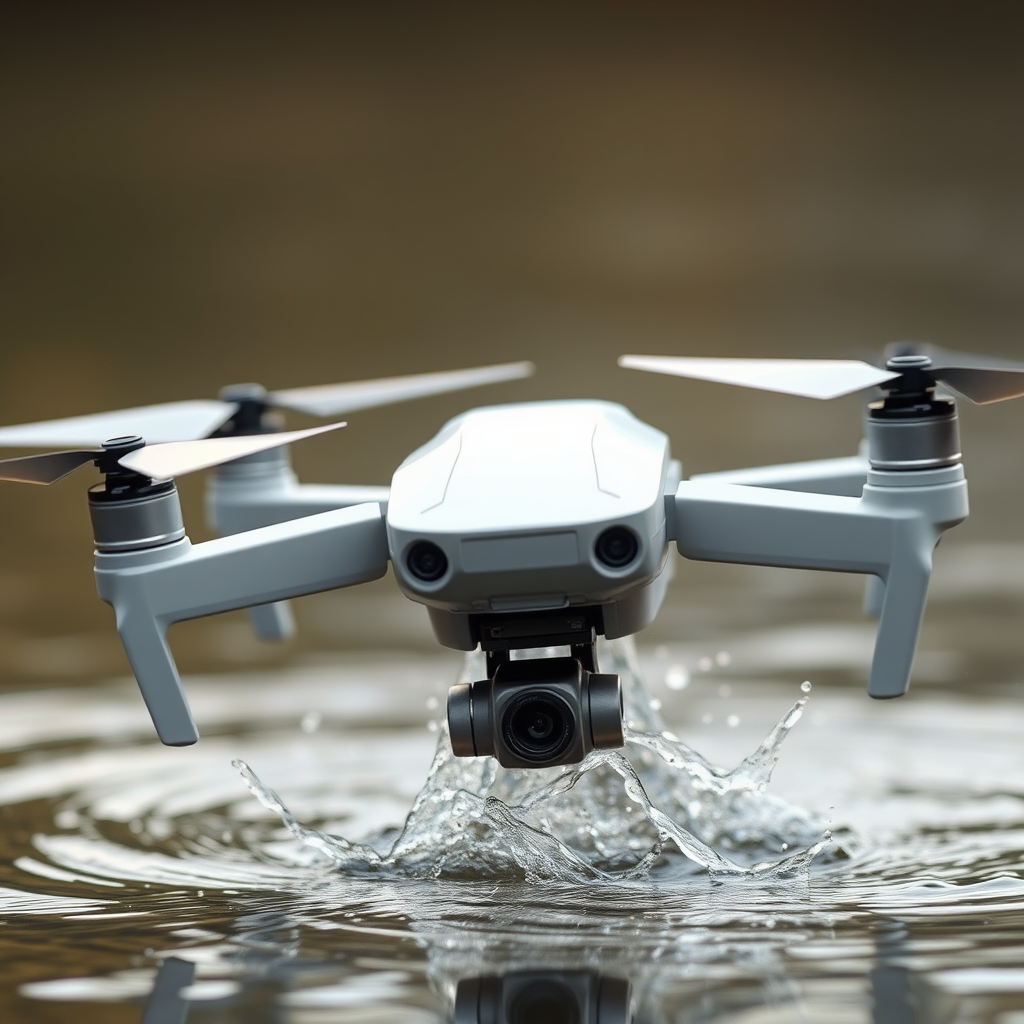
The interaction between drones and water is a critical factor in their operational capabilities.
– Waterproof Features: Some drones come with waterproof casings or specially designed coatings that protect electronic components from water damage. For instance, many aquatic drones, like the PowerVision PowerRay, are designed to function underwater and can descend to significant depths without risking damage. These drones often have sealed compartments that house sensitive electronics, ensuring that they can operate effectively in wet environments.
– Risks of Water Damage: Non-waterproof drones face a high risk of short-circuiting and malfunction when exposed to water. Even splashes can lead to corrosion of internal components, potentially rendering the drone unusable. This risk emphasizes the need for users to understand their drone’s specifications and to invest in models designed for specific environments if water exposure is anticipated.
Applications of Water-Ready Drones
The applications of water-ready drones are diverse, covering a range of fields and industries.
– Underwater Exploration: Aquatic drones are ideal for conducting marine biology studies, oceanography research, and underwater habitat assessments. They can capture high-resolution images and videos, gather environmental data, and even perform detailed mapping of underwater landscapes. Researchers use these drones to study coral reefs, monitor fish populations, and assess the health of marine ecosystems without disturbing the natural environment.
– Search and Rescue Missions: In emergency situations, aquatic drones can play a pivotal role in locating individuals in distress on water bodies. Equipped with thermal imaging cameras and GPS tracking systems, they can quickly cover large areas of water, providing real-time data to rescue teams. Their ability to operate in harsh conditions, such as heavy waves or inclement weather, enhances the chances of successful rescue operations.
Popular Water-Ready Drone Models
Several models stand out in the market for their advanced capabilities and features tailored to aquatic environments.
– PowerVision PowerRay: This drone is specifically designed for underwater exploration, offering a depth range of up to 30 meters. It features a 4K UHD camera for capturing high-resolution images and videos, making it a popular choice for marine researchers and hobbyists alike. Additionally, its sonar capabilities allow it to detect fish and underwater structures, providing valuable insights for fishing enthusiasts.
– Swellpro SplashDrone 4: Known for its all-weather capabilities, the SplashDrone 4 can operate on both land and water. It is equipped with a waterproof gimbal and can carry a payload, making it suitable for a variety of applications, including delivery services and aerial photography over water. Its robust design ensures reliability even in challenging conditions.
– Chasing Dory: This affordable underwater drone is user-friendly and designed for casual users. It can dive to depths of 15 meters and is equipped with a 1080p camera. Chasing Dory is often used for family outings, scuba diving, and snorkeling adventures, demonstrating how aquatic drones can serve recreational purposes as well.
Regulations and Considerations
As with all drone operations, there are legal and safety considerations when using drones in water environments.
– Legal Restrictions: Users must familiarize themselves with local laws and regulations regarding drone usage near water bodies. Many jurisdictions impose restrictions to protect wildlife and ensure public safety. For example, flying drones in national parks or over certain water bodies may require special permits. Always check local guidelines and adhere to any regulations to avoid fines or legal issues.
– Safety Precautions: Operating drones around water bodies comes with inherent risks, so users should take necessary safety precautions. It is advisable to maintain visual line-of-sight with the drone and to avoid flying in adverse weather conditions. Additionally, having a safety tether or a recovery plan in case of a malfunction can significantly reduce the risk of losing the drone in the water.
Future Trends in Aquatic Drones
The future of aquatic drones looks promising, with ongoing innovations and expanding applications.
– Innovations in Design: Emerging technologies are enhancing the functionality of aquatic drones. Developments in battery life, sensor technology, and materials science are leading to lighter, more efficient drones. For instance, advancements in AI and machine learning are enabling drones to perform complex tasks autonomously, such as mapping underwater terrains or conducting environmental monitoring without human intervention.
– Expanding Applications: As aquatic drones become more advanced, their applications are broadening. Future uses may include environmental monitoring for pollution control, habitat restoration projects, and even assisting with scientific research related to climate change. The potential for using drones in disaster response, such as assessing damage after flooding or hurricanes, is also significant, providing timely data to emergency responders.
In conclusion, while typical drones cannot operate in water without risk, specialized aquatic drones are designed for various underwater applications, enhancing capabilities in research, rescue, and exploration. As technology continues to advance, the functionalities and applications of water-ready drones will expand, making them invaluable tools for both recreational and professional endeavors. With proper understanding and adherence to regulations, users can unlock the vast potential of drones in aquatic environments.
Frequently Asked Questions
Can drones be used in water for photography or videography?
Yes, some drones are specifically designed to be water-resistant or waterproof, allowing them to capture stunning aerial footage over bodies of water. However, it’s essential to check the manufacturer’s specifications to ensure the drone can safely operate in such conditions. Additionally, using a drone near water can provide unique perspectives and stunning visuals, but pilots should always be cautious of splashes and moisture.
What should I do if my drone accidentally lands in water?
If your drone lands in water, immediately retrieve it to minimize damage. Turn it off and remove the battery as quickly as possible to prevent short-circuiting. Afterward, dry the drone thoroughly with a towel and consider placing it in a bag of rice or silica gel to absorb moisture. It’s crucial to consult the manufacturer’s guidelines or a professional for further assistance in assessing potential damage.
Why are most drones not designed for water use?
Most consumer drones are not designed for water use due to their electronic components and the potential for water damage. Water can corrode internal parts, disrupt circuitry, and lead to malfunction. Manufacturers typically prioritize lightweight design and aerodynamics, which makes waterproofing challenging. However, some specialized drones are available for aquatic environments, such as those used for marine research or rescue operations.
What is the best waterproof drone available for aquatic use?
The best waterproof drone for aquatic use is often considered to be the SwellPro SplashDrone 4. This drone is fully waterproof, allowing it to land on water and even float, making it ideal for fishing, water sports, or capturing footage over lakes and oceans. Additionally, it features a range of camera options and a robust design that ensures durability in challenging weather conditions.
How can I protect my drone from water damage?
To protect your drone from water damage, consider investing in a waterproof case or bag for transport and storage. If flying near water, use drone landing gear that can keep the drone elevated above wet surfaces. Additionally, avoid flying in rainy conditions or high humidity environments unless your drone is specifically rated for such use. Regular maintenance and thorough inspections can also help identify any potential vulnerabilities before they lead to damage.
References
- https://en.wikipedia.org/wiki/Drone
- https://www.sciencedirect.com/science/article/abs/pii/S2212877819303376
- https://www.faa.gov/uas/
- https://www.reuters.com/technology/drones-are-here-they-are-about-to-take-over-world-2021-05-07/
- https://www.theguardian.com/technology/2021/dec/01/drones-water-rescue-technology
- https://www.ncbi.nlm.nih.gov/pmc/articles/PMC7962360/
- https://www.nytimes.com/2020/09/30/technology/drones-ocean.html
- https://www.usgs.gov/news/feature-story/using-drones-study-our-water-resources
- https://www.wired.com/story/drones-in-water-usage/
