
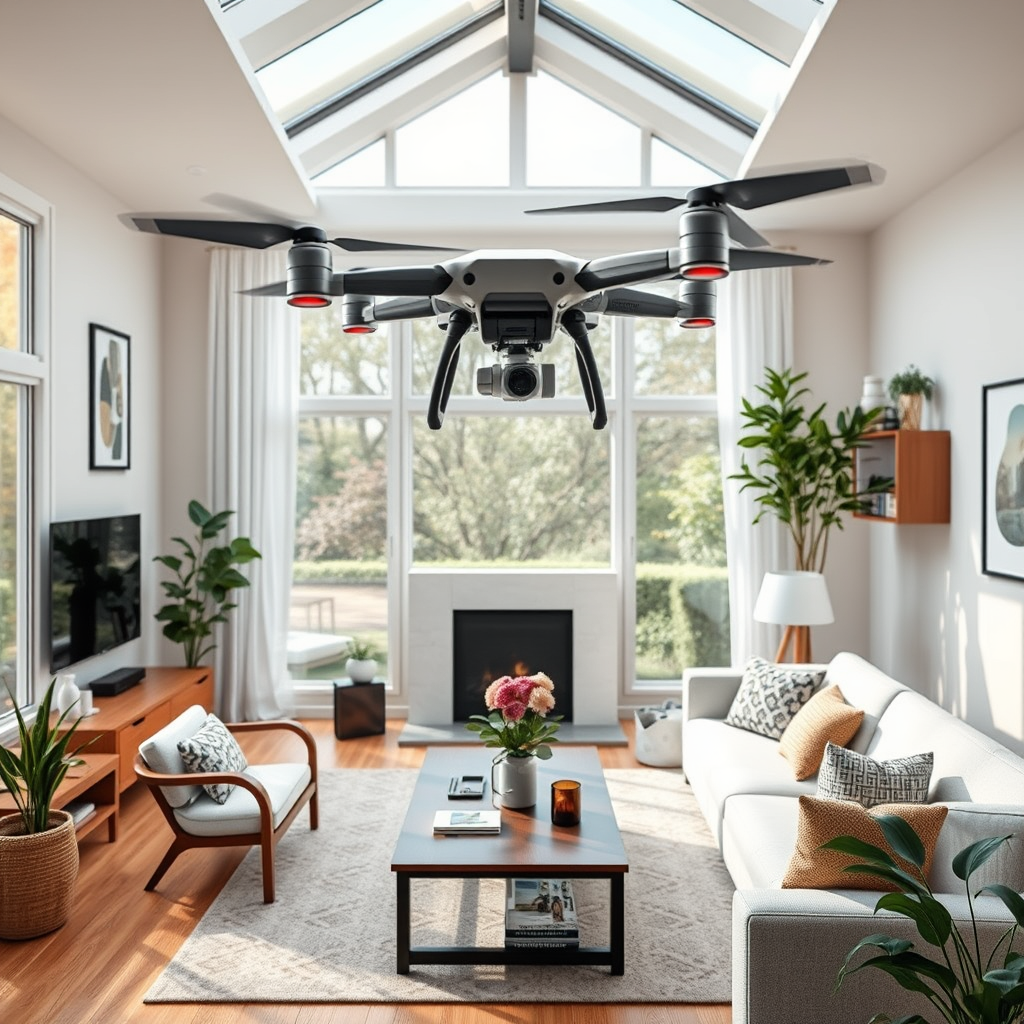
Yes, drones can hover over your house, provided they comply with local regulations and safety guidelines. As the popularity of drone technology continues to rise, homeowners must understand the legalities surrounding drone use, especially in residential areas. This knowledge is vital not only for protecting individual rights but also for ensuring safety and privacy within the community.
Understanding Drone Regulations
The Federal Aviation Administration (FAA) has established guidelines that dictate the operation of drones in U.S. airspace. According to these regulations, drones must be flown below 400 feet and remain within the visual line of sight of the operator. Additionally, it is illegal to fly drones over people without permission, which extends to hovering over residential properties.
Local laws may also impose further restrictions on drone use, particularly near residential neighborhoods. Some cities have enacted ordinances that limit drone flights to specific areas or require permits for aerial photography and videography. Homeowners should check with their local municipalities to understand any specific regulations that may apply to their property. Failing to comply with these laws can lead to fines or other legal repercussions.
Drone Technology and Capabilities
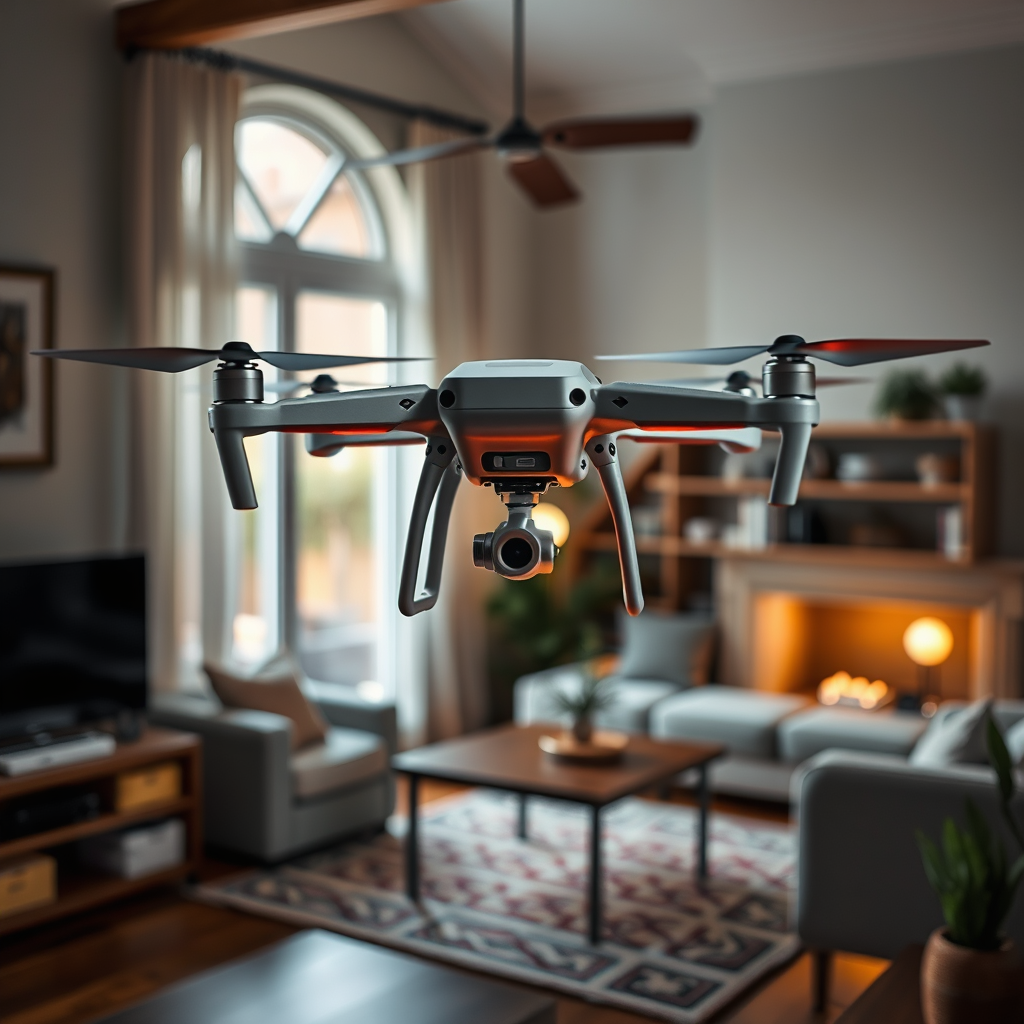
Most consumer drones are designed with advanced technology that allows them to hover in place for extended periods. Equipped with GPS stabilization, these drones can maintain their position even in windy conditions, making them ideal for various applications, including aerial photography and surveillance.
High-end models feature sophisticated sensors and autonomous flight capabilities, which enhance their hovering abilities. For example, drones like the DJI Phantom series or the more advanced Mavic Pro series can stay stable in one location, allowing users to capture high-quality images and videos. Understanding the technology behind drones can help homeowners appreciate their potential uses while remaining mindful of their limitations.
Safety Concerns of Hovering Drones
While the capabilities of drones offer numerous benefits, they also pose safety concerns. One significant risk is the potential invasion of privacy. Drones equipped with high-resolution cameras can easily capture images or video of private property without consent, leading to uncomfortable situations for homeowners. It’s important for drone operators to respect privacy boundaries and for homeowners to be aware of their rights regarding aerial surveillance.
Additionally, safety hazards arise from the risk of drones malfunctioning or falling from the sky. Drones that hover over homes can pose a threat if they lose power or experience technical difficulties, potentially causing injury or property damage. Homeowners must stay informed about the risks associated with drone use and understand how to address any incidents that may arise.
Use Cases for Drones Hovering Over Houses
Drones have become valuable tools in various sectors, including real estate, construction, and security. For homeowners, drones can be utilized for property inspections, allowing for thorough evaluations of roofs, gutters, and landscapes without the need for scaffolding or ladders. Aerial photography and videography can also enhance real estate listings, providing stunning visuals that attract potential buyers.
Moreover, some homeowners have begun using drones for security monitoring. Drones can cover large areas quickly, making it easier to keep an eye on properties, especially in rural or expansive areas. By integrating drone technology into their security systems, homeowners can enhance their peace of mind while ensuring their properties remain safe.
Neighbors and Community Considerations
Engagement with neighbors is crucial when considering drone usage. Openly discussing drone operations can alleviate concerns about privacy invasions or safety issues. Homeowners should proactively communicate their intentions for using drones, whether for recreational activities or property inspections, and be willing to listen to any concerns raised by their neighbors.
Building a community understanding of drone usage fosters better relationships and can lead to cooperative agreements on acceptable drone operation times and areas. By creating a shared set of guidelines, communities can enjoy the benefits of drone technology while minimizing conflicts and misunderstandings.
How to Deal with Problematic Drone Hovering
In the event of unwanted drone hovering, homeowners should take a structured approach to address the issue. Start by documenting instances of problematic drone activity, noting dates, times, and any identifiable information about the drone operator. This documentation can be vital if further action is necessary.
Communication is key; homeowners should attempt to reach out to the drone operator to express their concerns. Often, operators may be unaware of the impact their activities are having. If the situation does not improve, homeowners must familiarize themselves with local laws regarding drone use and consider seeking legal advice if harassment or privacy invasion persists. Understanding your rights can empower you to take appropriate action.
In conclusion, while drones are capable of hovering over homes, it’s essential to be informed about the regulations, safety concerns, and community impact. Homeowners should familiarize themselves with FAA guidelines and local laws to ensure compliance and protect their rights. Engaging with neighbors and fostering a community understanding of drone usage can enhance relationships and mitigate conflicts. If you are considering drone use, ensure you are compliant with local laws and engage with your neighbors for a harmonious experience.
Frequently Asked Questions
What are the legal regulations regarding drones hovering over residential properties?
The legal regulations around drones hovering over residential properties can vary significantly by country and even by local jurisdictions. In the United States, for example, the Federal Aviation Administration (FAA) allows drones to operate in uncontrolled airspace, but they must maintain a safe distance from people and structures. It’s advisable to check local laws and regulations, as some areas may have specific restrictions or require permits for drones flying over private property.
How can I protect my privacy from drones hovering over my house?
To protect your privacy from drones hovering over your house, consider installing privacy screens or planting tall trees to obstruct aerial views. Additionally, you can report any suspicious drone activity to local authorities, especially if you believe a drone is infringing on your privacy rights. Understanding local drone laws can also empower you to take action if necessary.
Why do drones hover over residential areas?
Drones may hover over residential areas for various reasons, including photography, surveillance, delivery services, or recreational use. Some businesses utilize drones for mapping or inspections, while hobbyists may fly drones for fun or to capture aerial footage. It’s important to be aware of the intentions behind a drone’s presence, as not all drone activity is malicious.
What should I do if a drone is hovering over my property?
If a drone is hovering over your property and it makes you uncomfortable, first assess the situation to determine if it’s being used for legitimate purposes. You can document the drone’s details, such as its appearance and any identifying markings, then contact local law enforcement or aviation authorities if you believe it poses a threat to your privacy or safety. Familiarizing yourself with local drone laws can also provide guidance on how to address the situation.
Which drones are best for home security surveillance?
When selecting a drone for home security surveillance, consider models that offer features like high-resolution cameras, real-time video streaming, and extended flight times. Popular options include the DJI Mavic series and the Parrot Anafi, both known for their reliability and advanced camera capabilities. Additionally, look for drones equipped with geofencing and obstacle avoidance technology to enhance their usability around your property.
References
- https://en.wikipedia.org/wiki/Drone
- https://www.faa.gov/uas/getting_started/what_is_a_drone
- https://www.nytimes.com/2021/09/29/technology/drones-privacy.html
- https://www.theguardian.com/technology/2021/sep/10/drones-privacy-laws
- https://www.nasa.gov/centers/langley/news/factsheets/DroneStart.html
- https://www.aclu.org/issues/privacy-technology/surveillance-technologies/drones-and-privacy
- https://www.techrepublic.com/article/how-to-navigate-drone-law-and-regulations/
- https://www.faa.gov/uas/resources/publications/consumer_information/
