
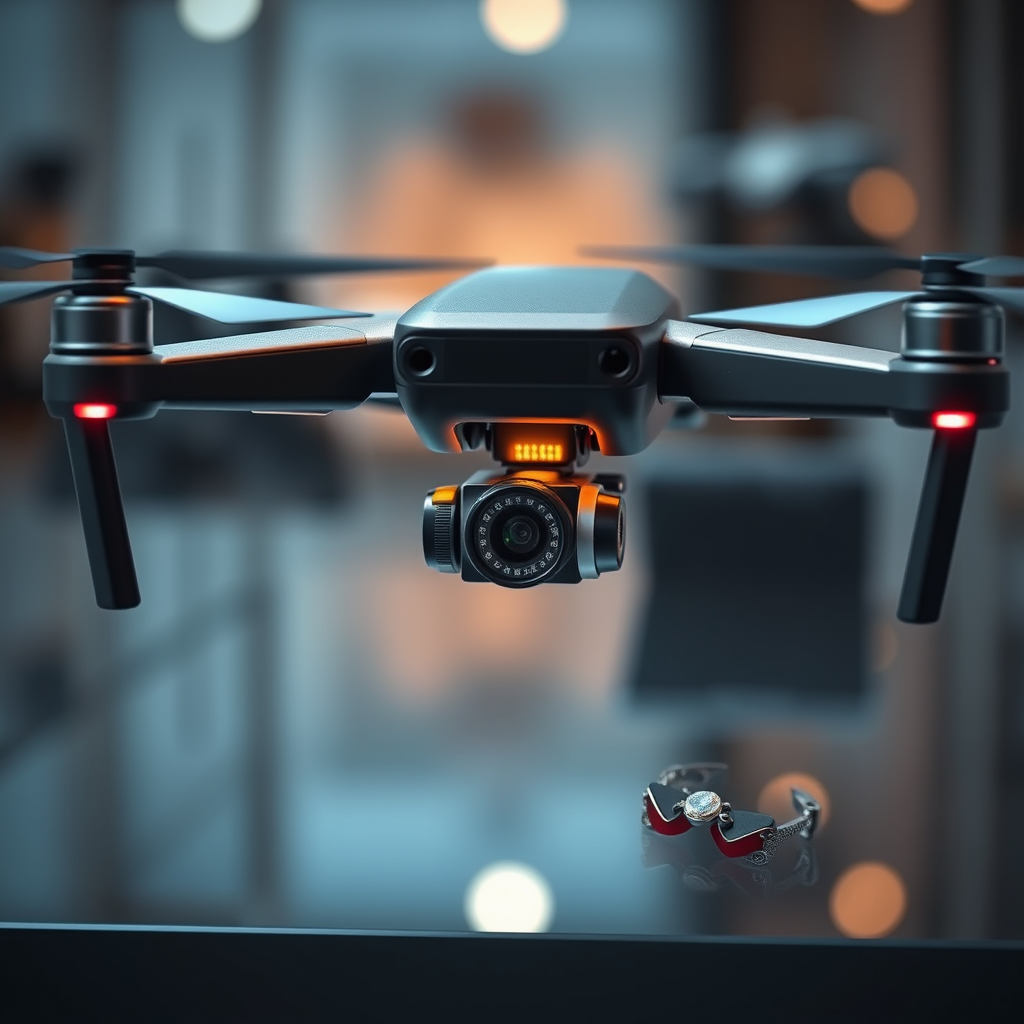
Yes, drones can live stream video footage in real-time, making them popular tools for various applications like events, inspections, and aerial photography. This capability enhances the versatility of drones, allowing for live broadcasts and immediate data sharing. As technology advances, the integration of live streaming features into drone platforms has revolutionized how we capture and share experiences from above, providing a unique perspective that was previously unattainable.
Understanding Drone Live Streaming Technology
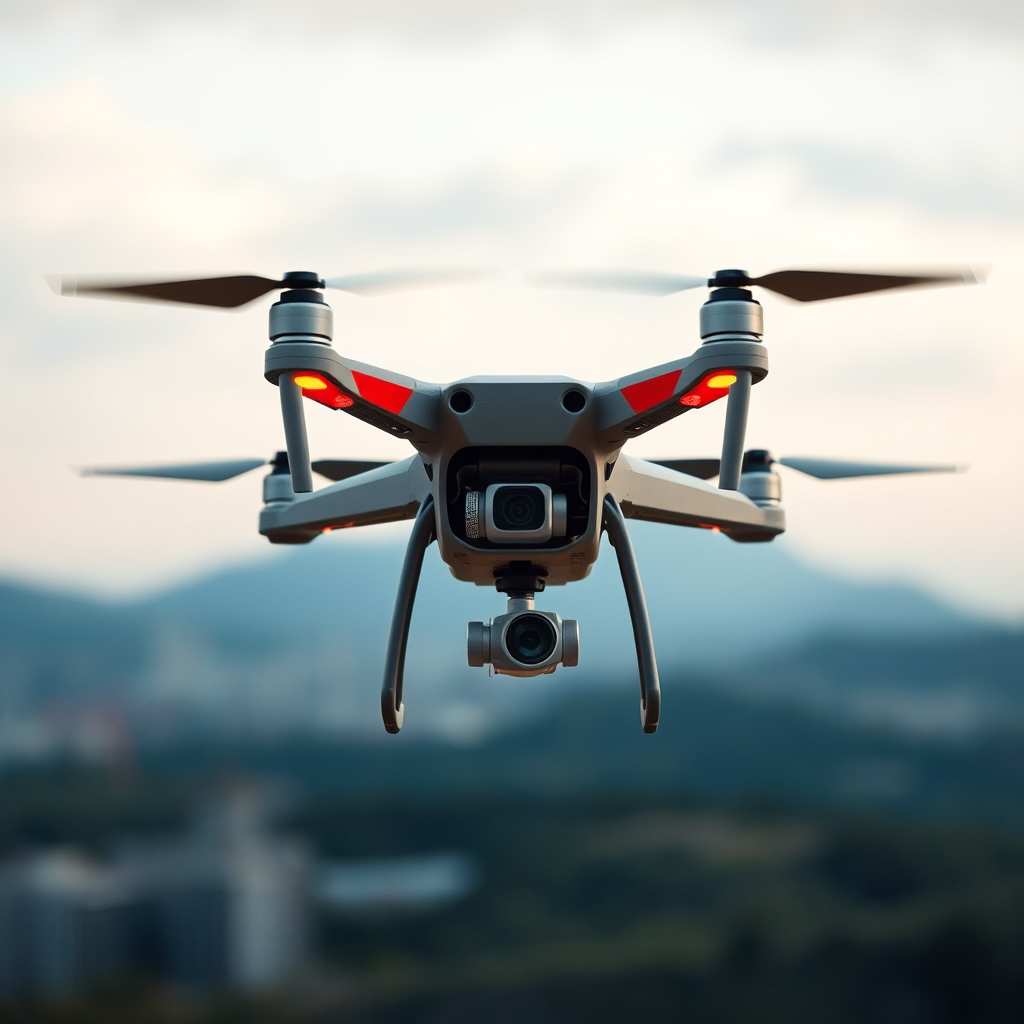
Live streaming with drones works by transmitting the video feed captured by the drone’s camera to a streaming platform via an internet connection. The process typically involves encoding the video data, often using a Wi-Fi or cellular network, and then sending it to a service like YouTube, Facebook, or a dedicated streaming server. This seamless transfer allows viewers to watch real-time footage from anywhere in the world.
To facilitate live streaming, drones require specific hardware and software components. The hardware includes a high-quality camera capable of capturing video at resolutions such as 1080p or 4K, a reliable transmission system (often utilizing Wi-Fi or 4G/5G cellular technology), and a robust onboard computer to handle the encoding process. On the software side, users typically need a compatible app or software to manage the streaming process, ensuring that the video is properly formatted and sent to the chosen platform.
Types of Drones Capable of Live Streaming
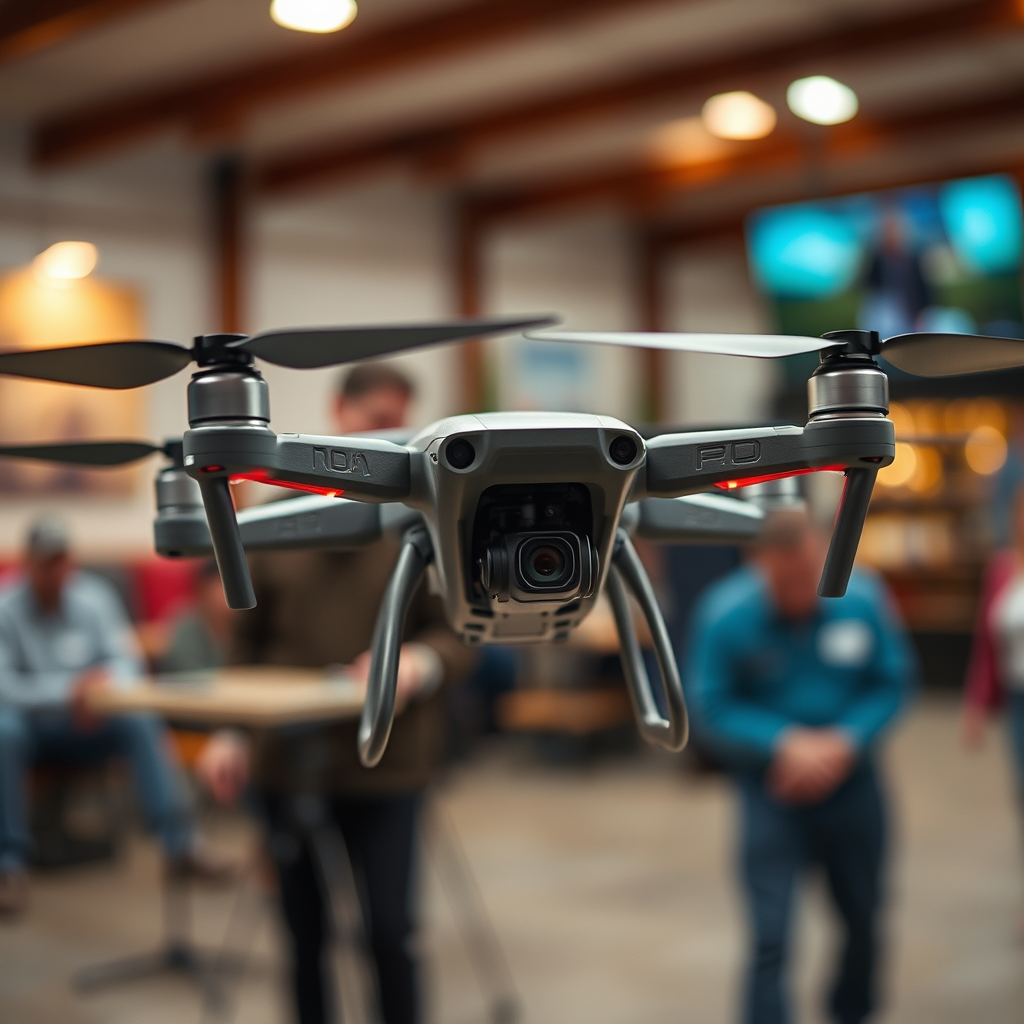
Drones equipped for live streaming can generally be categorized into consumer drones and professional models.
Consumer drones, such as the DJI Mini 2 and the Skydio 2, are designed for casual users and hobbyists, providing user-friendly interfaces and built-in streaming capabilities. These drones often feature decent cameras and basic live streaming functionality, making them accessible to a wide audience.
On the other hand, professional drones like the DJI Matrice 300 RTK and the Freefly Alta X offer advanced features, including high-resolution cameras, superior stabilization systems, and extensive connectivity options. These models are tailored for industries such as filmmaking, surveying, and agricultural monitoring, providing enhanced capabilities that facilitate high-quality live streaming.
Applications of Drone Live Streaming
Drone live streaming has found diverse applications across various fields. In the event industry, drones are increasingly used to capture weddings, concerts, and sports events, offering viewers unique aerial perspectives. For instance, drone coverage of a wedding can provide stunning views of the venue and the ceremony, creating immersive experiences for guests unable to attend in person.
In professional sectors, drone live streaming is revolutionizing fields like real estate and agriculture. In real estate, agents can provide virtual tours to potential buyers, showcasing properties from dynamic angles that traditional photography cannot achieve. In agriculture, farmers can monitor crop conditions in real-time, allowing for immediate assessment and decision-making that enhances productivity and efficiency.
Setting Up Live Streaming with Drones
Setting up live streaming with a drone involves several key steps to ensure a successful broadcast. First, users must select a drone that supports live streaming and familiarize themselves with its specific features and capabilities. Next, they should download relevant apps or software that enable streaming functionality.
1. Connect the Drone to Your Device: Use your smartphone or tablet to connect to the drone’s Wi-Fi network or link it via an app.
2. Configure Video Settings: Adjust the camera settings to optimize video quality, considering factors like resolution and frame rate.
3. Select the Streaming Platform: Choose a platform such as YouTube Live, Facebook Live, or a custom RTMP server, and authenticate your account as needed.
4. Start the Live Stream: Begin streaming by initiating the broadcast within the app, ensuring that all settings are correct for optimal performance.
When selecting a streaming platform, consider factors like audience reach, ease of use, and integration capabilities with your drone. Each platform offers different features, such as chat functionality and audience engagement tools, which can enhance the live streaming experience.
Challenges and Limitations of Drone Live Streaming
Despite its many advantages, drone live streaming presents several challenges and limitations. One prominent issue is connectivity; live streaming relies on a stable internet connection, and drones often fly in areas with weak signals, leading to potential interruptions. Signal loss can result in dropped frames or complete disconnection, making it crucial to test the streaming setup in advance.
Regarding regulatory considerations, drone operators must adhere to local laws and airspace restrictions, which can vary significantly by region. It is essential to check regulations governing drone flights and live streaming to avoid legal complications. In many jurisdictions, operators must maintain visual line-of-sight with their drones and comply with altitude limits.
Best Practices for Successful Drone Live Streaming
To ensure a successful live streaming experience, drone operators should follow several best practices:
1. Optimize Video Quality: Set the drone’s camera to the highest resolution and frame rate supported by the streaming platform. This ensures that viewers receive the best possible visual experience.
2. Use a Gimbal: Employ a gimbal stabilization system to minimize camera shake, resulting in smoother footage that enhances viewer engagement.
3. Monitor Battery Life: Keep an eye on the drone’s battery levels during the live stream. Use additional batteries or plan for shorter streaming sessions to avoid mid-air shutdowns.
4. Plan the Flight Path: Pre-plan the drone’s flight path to cover key areas of interest, ensuring that the live feed remains dynamic and engaging for viewers.
By implementing these practices, drone operators can mitigate common issues and maximize the impact of their live streaming efforts.
Future Trends in Drone Live Streaming
The future of drone live streaming holds exciting potential, driven by continuous technological advancements. Innovations such as improved camera systems, enhanced transmission protocols, and the integration of artificial intelligence are set to elevate the quality and reliability of live streams.
The rollout of 5G networks will significantly impact drone live streaming, offering faster data transmission speeds and lower latency. This will enable higher-resolution streaming and real-time interactivity, allowing for more engaging and immersive experiences. Furthermore, the increased availability of edge computing solutions will facilitate more efficient data processing directly at the source, enhancing streaming capabilities even further.
As drone technology continues to evolve, we can expect to see more applications emerge, including remote inspections, emergency response, and enhanced multimedia experiences in entertainment and marketing.
In conclusion, the ability of drones to live stream opens up exciting opportunities across various fields. Whether for personal use or professional applications, understanding how to leverage this technology can enhance experiences and improve outcomes. With the rapid advancements in drone capabilities and streaming technologies, now is an excellent time to explore the latest drone models that support live streaming to take advantage of this transformative feature.
Frequently Asked Questions
Can drones live stream video in real-time?
Yes, many modern drones are equipped with live streaming capabilities that allow users to broadcast video in real-time. This is typically achieved using built-in cameras and Wi-Fi or cellular connectivity. Popular brands like DJI offer models that can connect to platforms like YouTube or Facebook Live, enabling users to share their aerial footage instantly with a wide audience.
How do I set up live streaming on my drone?
Setting up live streaming on your drone usually involves a few key steps. First, ensure your drone is equipped with live streaming features, then connect it to a compatible app on your smartphone or tablet. Next, configure the streaming settings, select the desired platform (like YouTube or Twitch), and finally, start your flight while broadcasting the live video feed. Always refer to your drone’s specific user manual for detailed instructions tailored to your model.
Why would I want to live stream from my drone?
Live streaming from a drone offers a unique perspective that can enhance various activities, such as events, sports, or travel vlogs. It allows you to share dynamic views in real time, providing an engaging experience for your audience. Additionally, live drone footage can be used for professional purposes, such as real estate tours or inspections, giving viewers an immersive experience that static images cannot replicate.
What are the best drones for live streaming?
Some of the best drones for live streaming include the DJI Mavic Air 2, DJI Mini 2, and the Autel Robotics EVO Lite+. These models are known for their high-quality cameras, stable flight performance, and user-friendly streaming features. When choosing a drone for live streaming, consider factors like camera resolution, battery life, and connectivity options to ensure the best broadcasting experience.
Which platforms can I live stream to using my drone?
You can live stream from your drone to several popular platforms, including YouTube, Facebook Live, and Twitch. Many drone manufacturers provide specific apps that facilitate the connection to these platforms, allowing for easy configuration and broadcasting. Be sure to check the compatibility of your drone with these platforms to ensure a seamless live streaming experience.
References
- https://en.wikipedia.org/wiki/Drone#Live_streaming
- https://www.nasa.gov/feature/nasa-drone-live-streams-video-from-forest-fire
- https://www.georgetown.edu/news/2020/03/24/how-drones-are-changing-the-way-we-see-the-world/
- https://www.purdue.edu/newsroom/releases/2021/Q4/purdue-researchers-explore-drones-and-their-potential-to-stream-real-time-data.html
- https://www.sciencedirect.com/science/article/pii/S2352864821000148
