
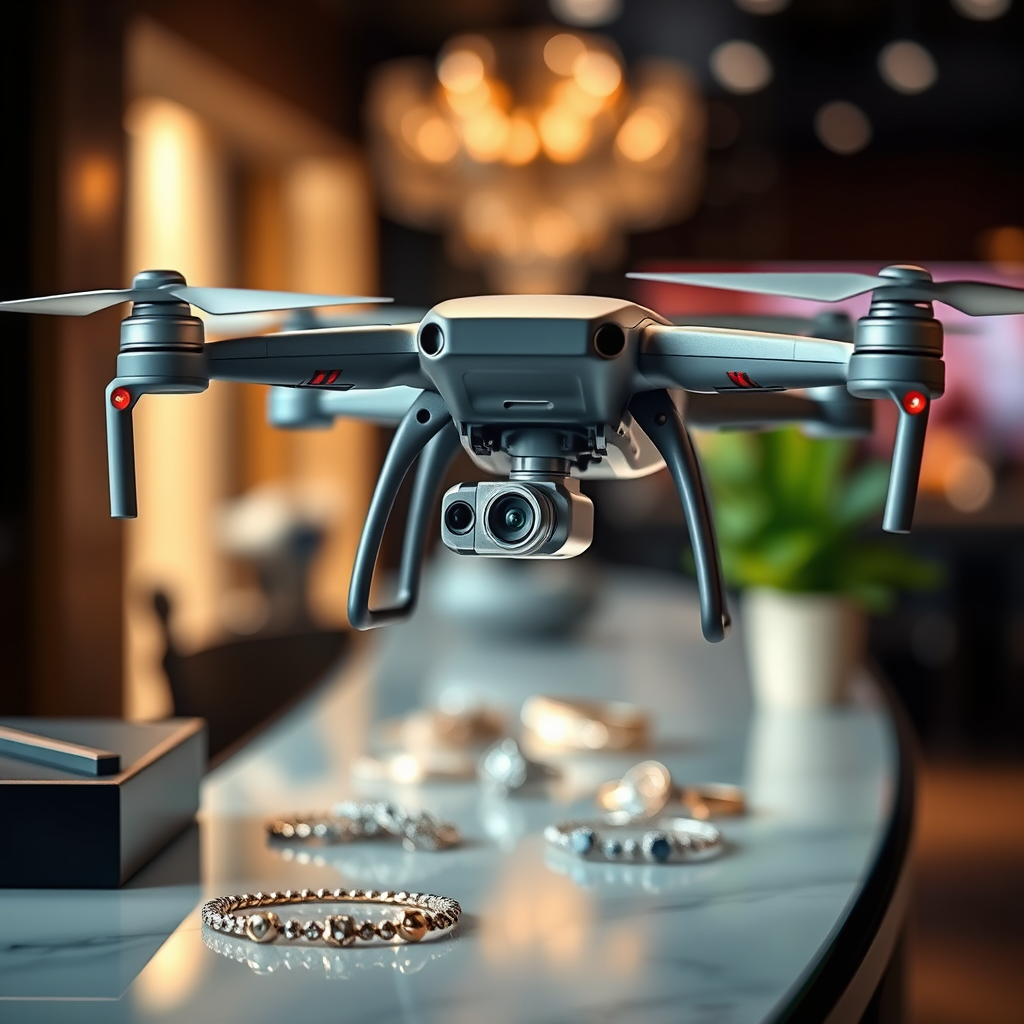
Yes, drones can pick up sound, primarily through specialized microphones or sound sensors. As technology advances, the capabilities of drones to capture and analyze sound have expanded significantly, opening up new applications in various fields. This emerging technology not only enhances the functionalities of drones but also provides innovative solutions to challenges in environmental monitoring, search and rescue operations, and even wildlife conservation.
Understanding Drone Sound Technology
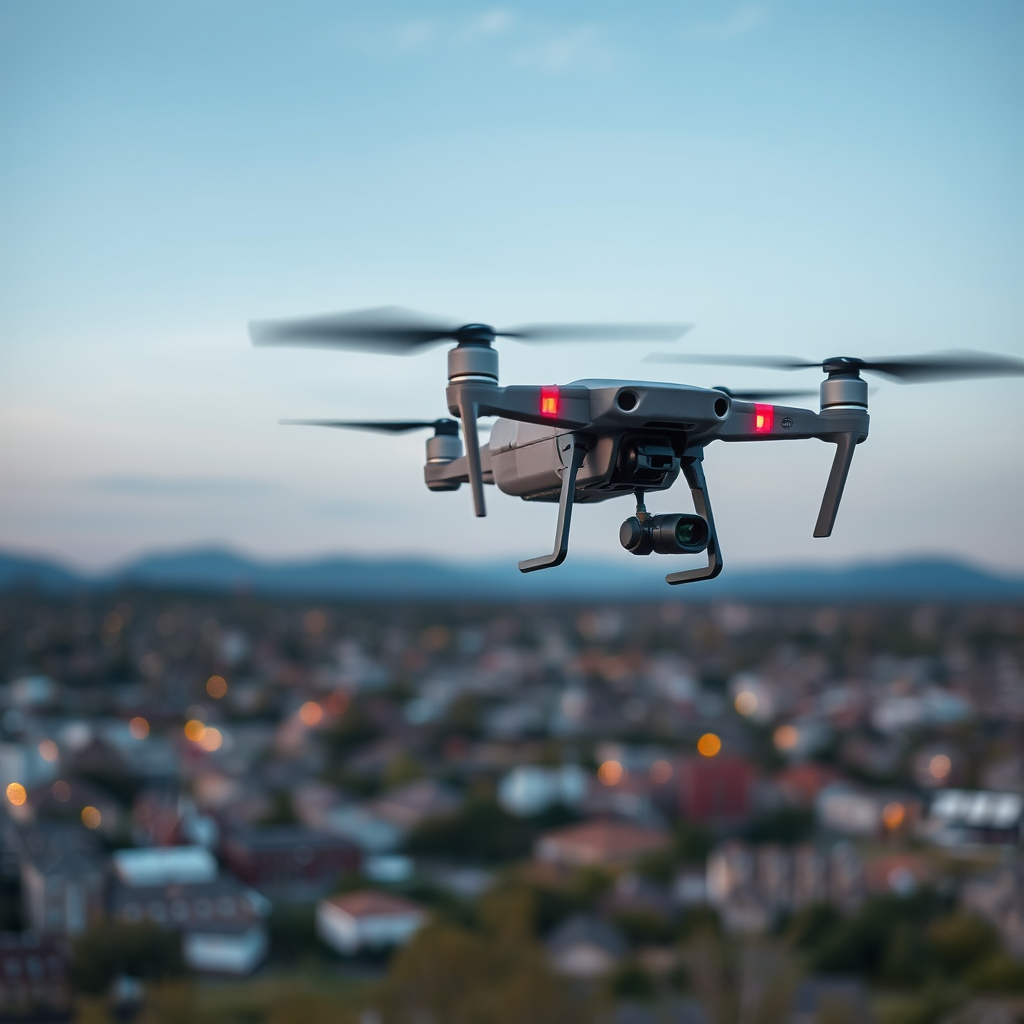
Drones can be equipped with microphones and audio sensors that enable them to capture a wide range of sounds. These devices include highly sensitive microphones that can detect sound frequencies beyond human hearing, as well as specialized sound sensors designed to filter out background noise. The integration of these technologies allows drones to capture environmental sounds for analysis, distinguishing between different types of noises such as animal calls, human voices, and mechanical sounds.
For instance, many drones now come with onboard audio processing capabilities that enhance sound quality and clarity. Some systems utilize parabolic microphones or directional microphones that can focus on specific sound sources, reducing interference from ambient noise. This capability is particularly useful in applications like wildlife monitoring, where researchers can capture and study animal vocalizations without disturbing their natural habitat.
Applications of Drones in Sound Capture
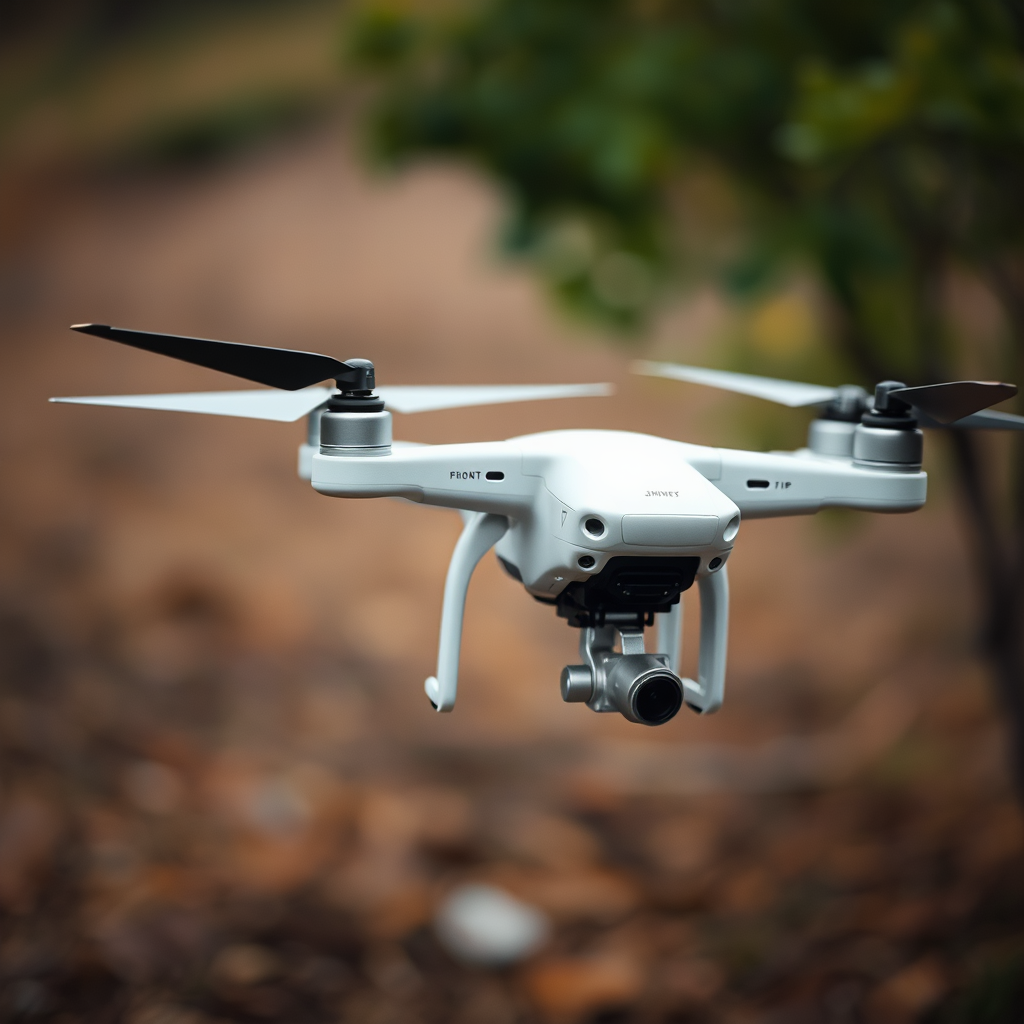
The applications of drones in sound capture are diverse and impactful. One of the most critical uses is in search and rescue missions, where drones equipped with audio sensors can locate missing persons by detecting sounds such as cries for help or distress signals. For example, during natural disasters, drones can cover large areas quickly, using sound detection technology to pinpoint survivors who may be trapped in debris. This capability significantly enhances the efficiency and effectiveness of rescue operations.
In addition to emergency services, environmental monitoring is another area where drones are making a substantial impact. Researchers are increasingly employing drones to assess wildlife and ecosystem health via sound recordings. By capturing the sounds of birds, amphibians, and other wildlife, scientists can monitor biodiversity and track changes in populations over time. This method is particularly advantageous in hard-to-reach areas where traditional data collection would be challenging or invasive.
Furthermore, drones are also utilized in urban settings to monitor noise pollution and its effects on communities. By analyzing soundscapes in different neighborhoods, city planners can devise strategies to mitigate noise-related issues, ultimately improving the quality of life for residents.
Limitations of Sound Capture in Drones
Despite the promising capabilities of drones in sound capture, several limitations must be considered. One significant factor is that sound quality can be adversely affected by environmental conditions such as wind and the distance from the sound source. High winds can create background noise that masks the sounds being recorded, making it difficult to gather clear audio data. Similarly, the effectiveness of sound capture diminishes as the drone moves farther away from the sound source, impacting the accuracy of the information collected.
Another limitation is related to the drone’s battery life and payload capacity. While advancements in drone technology have led to improved battery performance, the need for additional weight from sound recording equipment can strain the drone’s capabilities. This can limit the duration of flights and the types of sensors that can be incorporated. As a result, careful planning is required to determine the appropriate equipment and mission duration to achieve optimal sound capture without compromising the drone’s performance.
Future Innovations in Drone Sound Technology
The future of drone sound technology holds exciting possibilities, particularly with advancements in miniaturization and artificial intelligence. As components become smaller and more efficient, we can expect the development of even more sophisticated sound recording devices that can be integrated into drones without significantly affecting their weight or flight capabilities.
Moreover, the application of artificial intelligence is set to revolutionize how drones analyze and interpret sound data in real time. With machine learning algorithms, drones could autonomously detect specific sounds of interest, differentiate between various environmental noises, and even recognize patterns that indicate changes in wildlife behavior or environmental conditions. This level of analysis could provide researchers and practitioners with invaluable insights, enhancing decision-making processes and improving outcomes in various fields.
Regulatory and Ethical Considerations
As the use of drones for sound capture becomes more widespread, several regulatory and ethical considerations must be addressed. Privacy concerns are at the forefront, particularly when drones are deployed in populated areas where they may inadvertently capture private conversations or sensitive information. This raises significant ethical questions about consent and the right to privacy for individuals who may be recorded without their knowledge.
Regulations governing drone use vary by region, and many jurisdictions are beginning to establish specific guidelines for sound recording. These regulations may limit where and how drones can be utilized for sound capture, requiring operators to obtain permits or adhere to strict operational guidelines. It is crucial for drone operators to stay informed about local laws and to prioritize ethical considerations in their sound recording practices to avoid potential legal issues.
Comparing Drones to Traditional Sound Recording Methods
When comparing drones to traditional sound recording methods, several advantages become evident. Drones offer unique vantage points that allow for sound capture in locations that are difficult or impossible to access on foot, such as treetops or isolated wilderness areas. This ability can lead to richer data collection and a deeper understanding of ecological and social dynamics.
Additionally, drones can be more cost-effective and efficient than ground-based methods of sound recording. The ability to cover larger areas in a shorter amount of time reduces labor costs and the need for extensive field teams. For example, a single drone equipped with sound sensors can gather audio data across a wide expanse of land in a single flight, whereas traditional methods might require multiple personnel and extended timeframes to collect similar data.
Moreover, the integration of drone technology with sound capture can lead to innovative research methodologies that enhance the overall quality of data collected, ultimately contributing to more informed decision-making in various sectors.
In conclusion, drones have the potential to effectively pick up sound, with various applications across multiple domains. From enhancing search and rescue operations to monitoring environmental health, the capabilities of drones in sound capture are continuously evolving. As technology continues to advance, we can expect to see even more innovative uses for sound-capturing drones. For those interested in exploring this technology further, consider following advancements in drone capabilities and sound recording techniques, as they promise to revolutionize how we understand and interact with our auditory environment.
Frequently Asked Questions
Can drones pick up sound effectively?
Drones themselves do not have the capability to pick up sound like a microphone would; however, they can be equipped with specialized audio recording devices. These devices can capture sound from the environment while the drone is in flight, making them useful for applications like wildlife monitoring, search and rescue operations, and environmental studies. The quality of sound captured depends on the microphone’s sensitivity and the drone’s altitude and distance from the sound source.
How does sound recording work on drones?
Sound recording on drones typically involves attaching a high-quality microphone or an audio recording device to the drone’s frame. The drone’s flight allows it to cover large areas from various angles, enhancing the audio data collected. Some drones can also transmit live audio back to the operator, providing real-time feedback during operations such as live events or surveillance.
Why would someone want to use a drone for sound recording?
Using a drone for sound recording offers unique advantages, including the ability to access hard-to-reach areas and capture audio from different elevations. This is particularly beneficial in scenarios like wildlife studies, where researchers want to monitor animal calls without disturbing their natural habitat. Additionally, drones can cover large areas quickly, making them ideal for events or situations where traditional audio recording methods would be impractical.
What are the best drones for sound recording?
The best drones for sound recording typically feature stable flight capabilities and the ability to carry external audio equipment. Models like the DJI Matrice 300 RTK or the DJI Mavic 2 Pro are popular choices due to their robust payload options and flight stability. Additionally, drones with gimbal technology can help minimize vibrations that would otherwise distort sound quality, further enhancing the audio recording experience.
Which audio recording devices are compatible with drones?
Many audio recording devices can be used with drones, but compatibility often depends on the drone’s payload capacity and attachment options. Popular choices include small, lightweight microphones like the Zoom H1n or the Tascam DR-05X, which are designed for portable use. Additionally, some users opt for shotgun microphones with windshields to minimize background noise and improve audio clarity, ensuring high-quality recordings during drone flights.
References
- https://en.wikipedia.org/wiki/Drone
- https://www.sciencedirect.com/science/article/abs/pii/S2352864817301603
- https://www.ncbi.nlm.nih.gov/pmc/articles/PMC7074956/
- https://www.bbc.com/future/article/20200218-what-if-drones-could-hear
- https://www.researchgate.net/publication/331123456_Using_UAVs_for_acoustic_monitoring
- https://www.nature.com/articles/s41598-019-51576-0
- https://www.usgs.gov/mission-areas/science-technology/science/drones-and-acoustic-monitoring
- https://www.frontiersin.org/articles/10.3389/fbioe.2020.00018/full
