
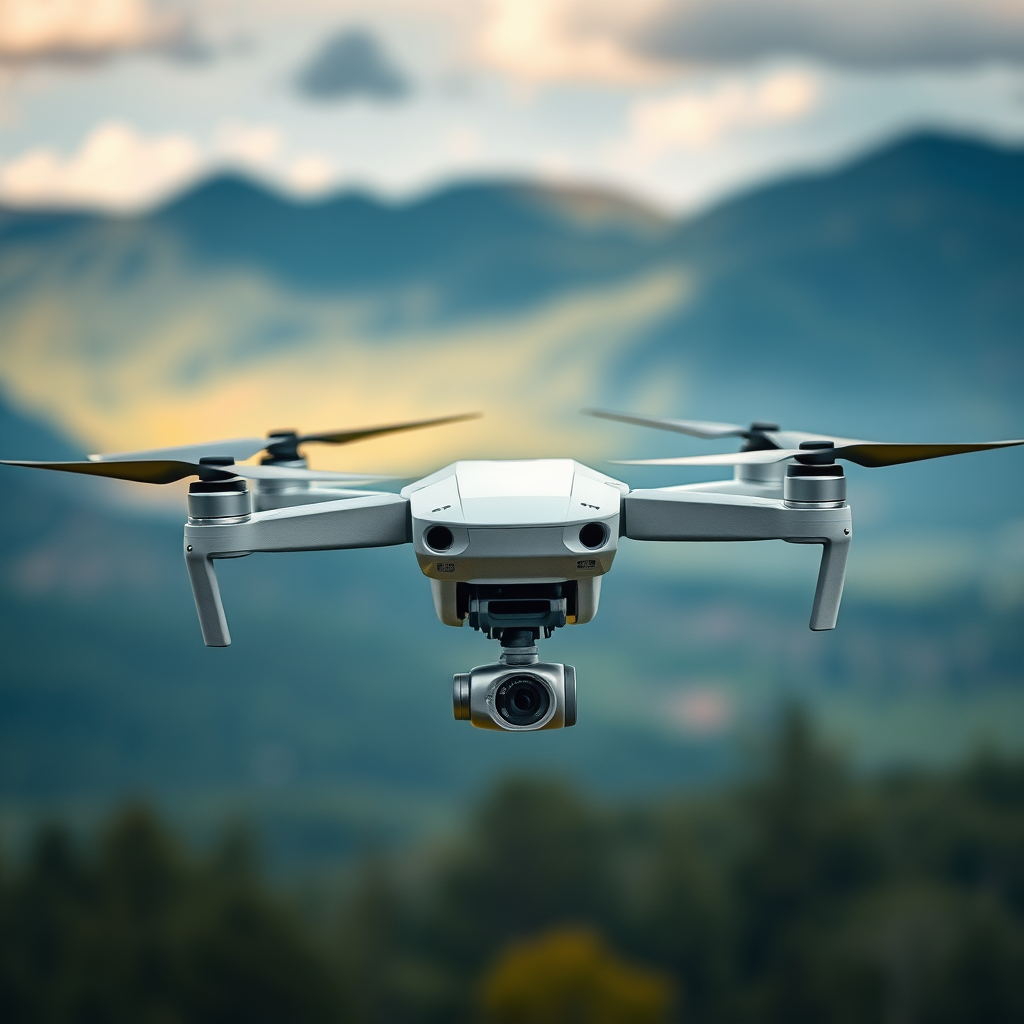
Yes, drones can record audio, but it often depends on the specific model and the equipment used. While many consumer drones are primarily designed for capturing high-quality video and images, some can also be equipped with audio recording capabilities, either built-in or through external attachments. In this article, we will explore how drones can record audio, the technology involved, and the legal considerations to keep in mind.
Understanding Drone Audio Recording Technology
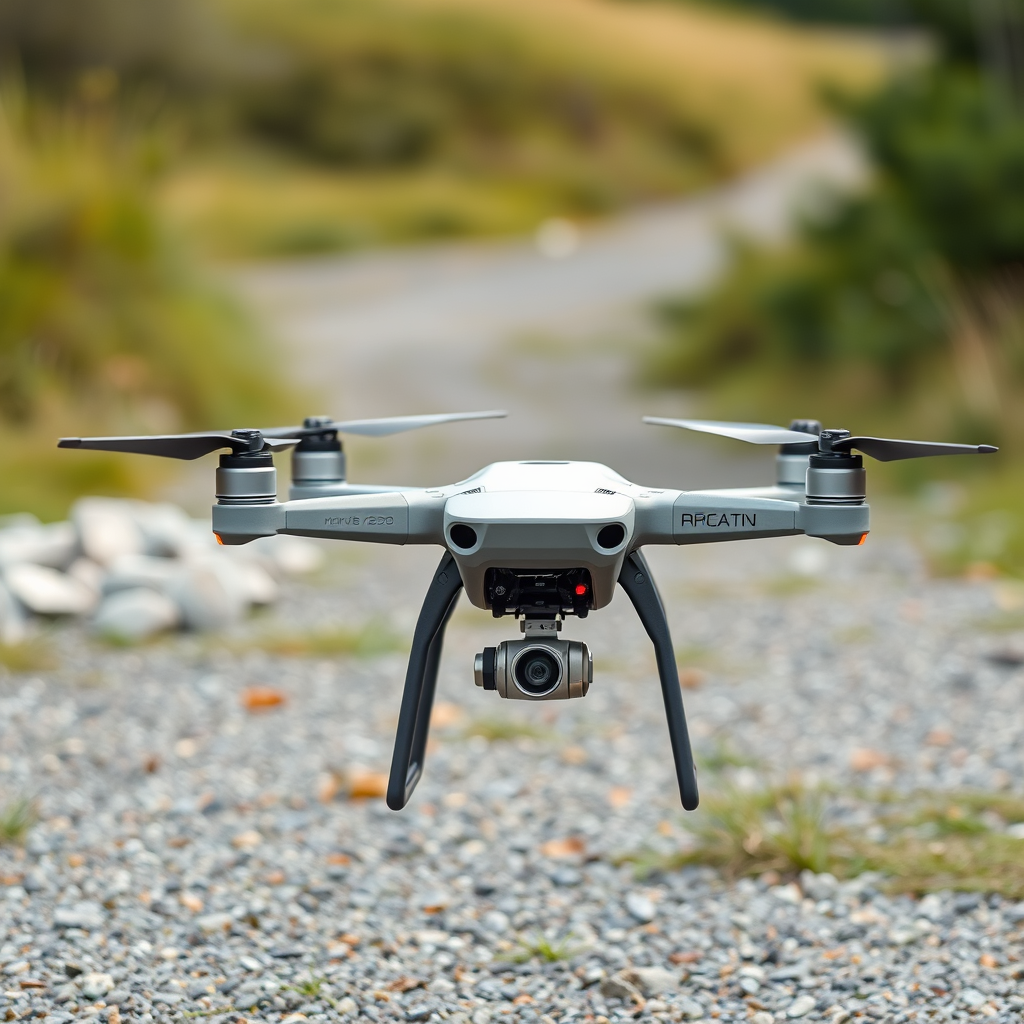
Drones may come with integrated microphones, but the quality can vary significantly based on the design and intended use of the drone. Most consumer-grade drones, like the DJI Mini series, typically do not include high-quality audio recording features, as their primary focus is on visual capture. The built-in microphones often struggle with wind noise and may not deliver clear sound quality, which can be disappointing for those looking to capture high-fidelity audio directly from the drone.
For those requiring superior sound capture, external audio recording devices can be attached to drones. These devices can range from compact digital recorders to professional shotgun mics, which are designed to isolate sound from specific directions. For instance, connecting a high-quality external microphone to a DJI Matrice 300 RTK can enhance the audio quality significantly, making it more suitable for professional applications such as filmmaking or aerial interviews.
Types of Drones Capable of Audio Recording
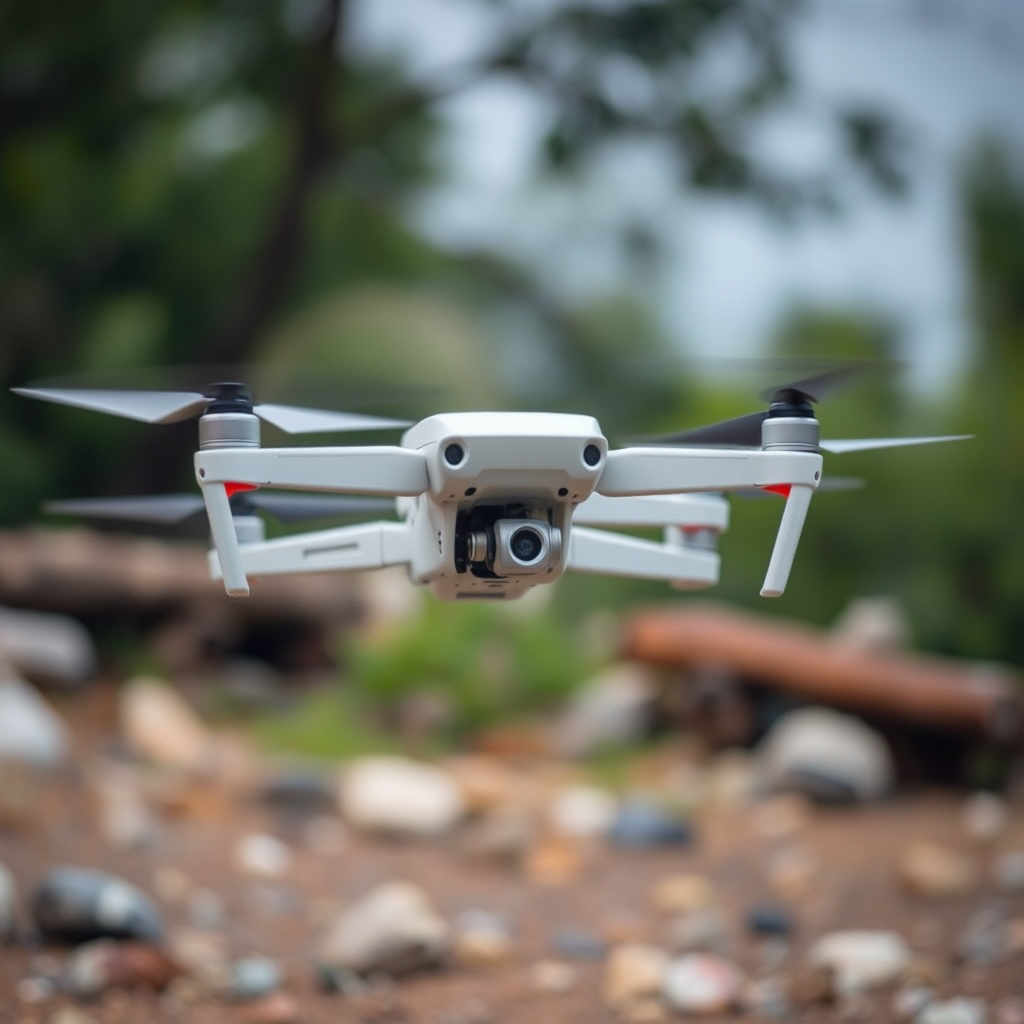
When considering drones capable of audio recording, it’s essential to differentiate between consumer and professional models. Most consumer drones, such as the popular DJI Mavic Air 2, lack dedicated audio recording features. These drones prioritize video quality and stability, often leaving audio capture as an afterthought. As such, users may need to rely on external solutions for audio needs.
On the other hand, professional drones, like the DJI Inspire 2, typically offer advanced audio options, allowing filmmakers to integrate audio recording equipment seamlessly. These drones often come equipped with multiple payload options, including gimbals and stabilization systems, which can help in achieving not only stunning visuals but also clear audio capture. Some models even support real-time audio monitoring, allowing operators to adjust settings on the fly.
Best Practices for Capturing Audio with Drones
To achieve the best audio quality when using drones, several best practices should be observed. First and foremost, using external microphones is crucial for superior sound capture. Lavalier mics, for instance, can be clipped to the subject being recorded, while shotgun mics can be aimed toward the sound source to reduce background noise.
Additionally, choosing optimal flying conditions is essential to minimize wind noise. Flying during calm weather, early in the morning, or later in the evening can significantly reduce unwanted sounds. Also, maintaining a steady altitude and distance from the sound source can help create a more balanced audio recording.
Another useful technique is to perform sound checks before the actual recording session. This can include testing various microphone placements and adjusting the drone’s flight path to find the best sound capture positions. By following these practices, drone operators can enhance the audio quality of their recordings significantly.
Legal Considerations for Recording Audio with Drones
While capturing audio with drones can be incredibly beneficial, it is crucial to be aware of the legal considerations involved. Various regulations govern audio recording in public spaces, and these laws can differ significantly between countries and even states. For example, in the United States, federal laws allow for audio recording in public if the recording does not infringe on a person’s reasonable expectation of privacy. However, some states have stricter regulations that require consent from all parties involved in the recording.
Before embarking on any audio recording project, always check local laws regarding consent and recording in public spaces. This may involve obtaining permits or notifying individuals if their voices or conversations will be captured. Failing to adhere to these regulations can result in legal repercussions, including fines and loss of equipment.
Popular Drone Models with Audio Features
When selecting a drone for audio recording, certain models stand out due to their capabilities and features. The DJI Matrice 300 RTK is a professional-grade drone known for its versatility and payload options, making it suitable for various audio recording applications. It can support multiple external microphones and other audio equipment, providing flexibility for filmmakers and content creators.
Another model worth mentioning is the Autel Robotics EVO Lite+, which, while primarily designed for high-quality video capture, can also support external audio devices. Its robust design and stable flight performance make it a great choice for those looking to record audio in challenging environments.
Lastly, the Yuneec Typhoon H3 is another drone that features compatibility with various audio recording devices, allowing for enhanced sound capture. Its six-rotor design provides stability and allows for smoother operations, which is essential for high-quality audio recordings.
Enhancing Audio Quality in Drone Footage
Post-production software plays a crucial role in improving the sound quality of drone footage. Programs like Adobe Audition or Audacity offer powerful tools for audio editing, allowing users to clean up background noise, enhance clarity, and adjust audio levels. By applying filters and equalization, sound engineers can make dialogue clearer and remove distracting elements.
Additionally, employing sound mixing techniques during post-production can significantly enhance the overall quality of the audio. Balancing levels between different audio tracks, adding ambient sounds, and using sound effects can create a richer audio experience. This is especially important in cinematic projects where sound design contributes significantly to the overall narrative.
For those who may not have extensive audio editing experience, numerous tutorials and resources are available online that can guide you through the process of enhancing audio quality effectively. Taking the time to learn these skills can greatly improve the final product and ensure that the audio matches the high-quality visuals typically achieved with drones.
In summary, while many drones can record audio, the quality and legality of such recordings vary. If you’re interested in using a drone for audio purposes, it’s essential to consider the type of drone, the technology available, and the regulations in your area. For best results, combine your drone with quality audio equipment and stay informed about the laws governing audio recording. By doing so, you can harness the full potential of drone technology to create compelling audio-visual content.
Frequently Asked Questions
Can drones record audio during flight?
Yes, some drones are capable of recording audio, but it typically depends on the model and whether it is equipped with the necessary audio recording features. While many consumer drones focus primarily on capturing high-quality video and images, certain models come with built-in microphones or support external audio recording devices. For those specifically interested in audio, it is essential to check the specifications of the drone before making a purchase.
How can I add audio recording capabilities to my drone?
To add audio recording capabilities to your drone, you can use an external microphone and audio recorder. Some drone enthusiasts attach small, lightweight microphones to their drones to capture sound while flying. Additionally, some drones allow for the integration of external devices through accessory mounts or gimbals, enabling better audio quality. Be sure to check the drone’s load capacity to avoid compromising its flight performance.
Why do most drones not include audio recording features?
Most drones do not include audio recording features primarily due to the focus on visual content capture, such as aerial photography and videography. Additionally, the noise generated by the drone’s propellers can interfere with the quality of recorded audio, making it less desirable for many users. Furthermore, manufacturers often prioritize weight, battery life, and flight stability, which can be affected by adding audio recording components.
What is the best drone for recording audio?
The best drone for recording audio would be one that offers compatibility with high-quality external microphones and has a stable platform to minimize vibrations. Drones like the DJI Mavic Air 2 or DJI Phantom 4 Pro are popular choices among content creators because they provide excellent video quality and stability, making them suitable for audio recording when paired with external microphones. Always consider your specific needs, such as portability and flight time, when selecting a drone for audio applications.
Which regulations should I be aware of when recording audio with a drone?
When recording audio with a drone, it is crucial to be aware of local laws and regulations regarding privacy and audio recording. In many jurisdictions, recording audio without consent may violate privacy laws, especially in residential areas. Before flying your drone for audio capture, it is advisable to research the legal requirements in your area and obtain necessary permissions to avoid potential legal issues.
References
- https://en.wikipedia.org/wiki/Drone#Audio_recording
- https://www.wired.com/story/drones-audio-recording/
- https://www.sciencedirect.com/science/article/pii/S2352864815000190
- https://www.reuters.com/technology/drones-being-used-record-audio-2021-08-18/
- https://www.faa.gov/uas/resources/policy_library/media/uas_audio_recording.pdf
- https://www.bbc.com/news/technology-59897729
