
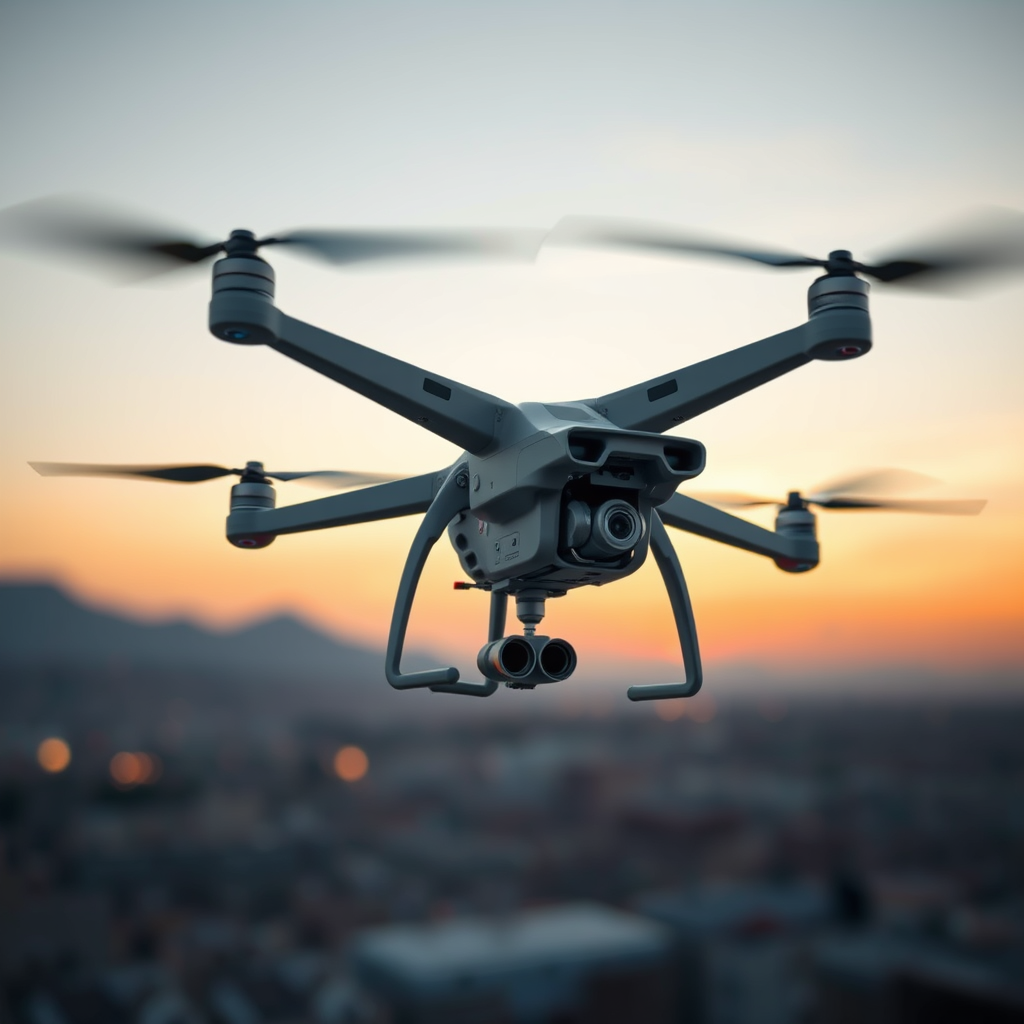
Yes, drones can record sound, but their audio capabilities often depend on specific equipment and technology. While most consumer drones prioritize high-quality video capture, there are models equipped with the ability to record audio as well. This article will delve into the various aspects of sound recording with drones, including the types of drones that can do so, the technology involved, and potential applications, providing a comprehensive overview for enthusiasts and professionals alike.
Understanding Drone Audio Recording Capabilities
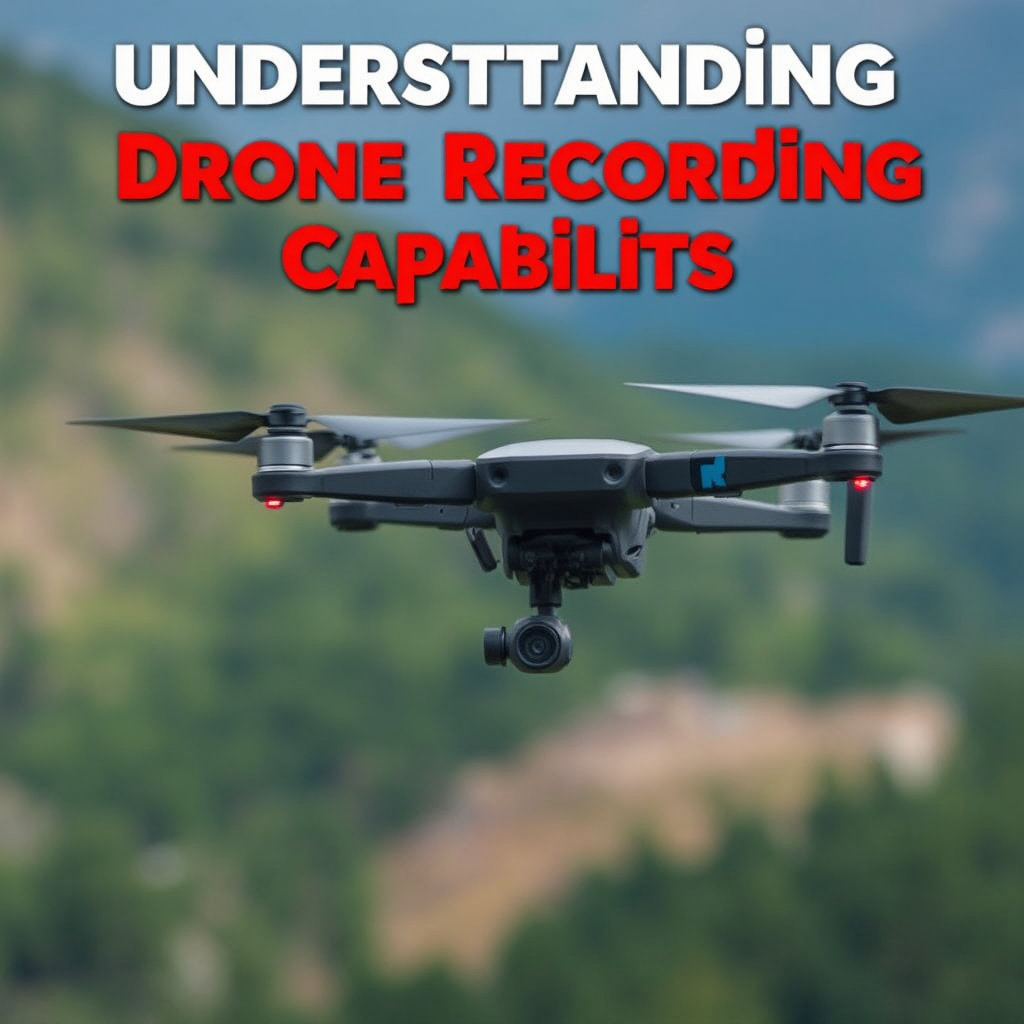
Some drones come equipped with built-in microphones that allow for basic sound capture, while others may require the integration of external microphones or sound capture devices for enhanced audio quality. Built-in microphones on consumer drones, like the DJI Mini series, provide a foundational level of audio capture, primarily designed for synchronizing sound with video footage. However, for more professional applications, external microphones connected via a 3.5mm audio jack or Bluetooth are often utilized. These external systems can significantly improve sound fidelity, capturing richer ambient sounds or specific audio sources.
Moreover, the ability to record sound can vary significantly among different drone models and manufacturers. High-end drones designed for cinematography, such as the DJI Inspire or the Autel Robotics EVO, often feature advanced audio capabilities that allow operators to capture high-definition sound alongside stunning visuals.
Types of Drones That Can Record Sound
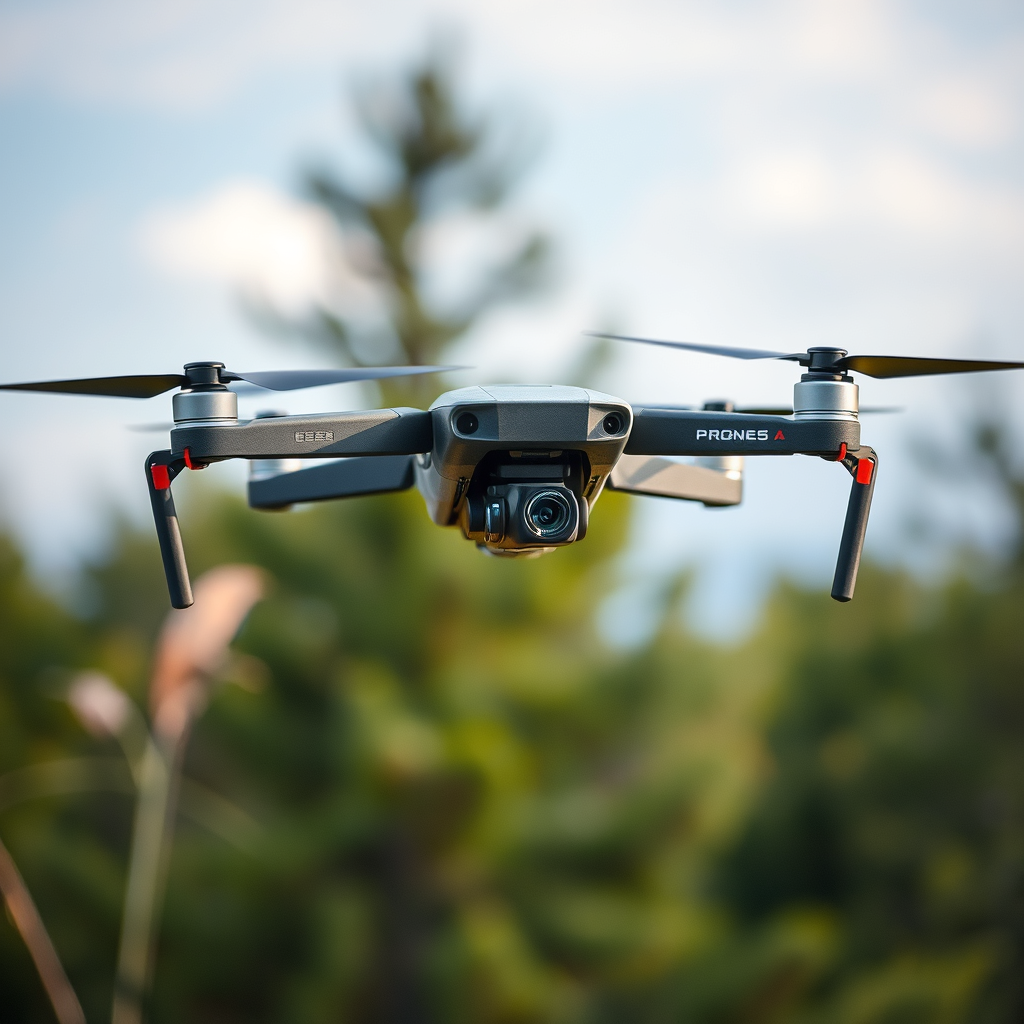
When it comes to drones that can record sound, there are generally two categories: consumer drones equipped with integrated audio systems and professional drones designed specifically for filmmaking and sound production.
1. Consumer Drones: Many consumer drones, like the DJI Mavic Air 2, come with the capacity to record sound, but these capabilities are often limited. The primary focus remains on capturing video, with audio recording being an additional function. These drones are perfect for hobbyists or casual users who may want to add audio to their video content.
2. Professional Drones: Drones such as the DJI Matrice series and the Freefly Alta are engineered with filmmaking in mind. They offer advanced audio recording capabilities and can be outfitted with high-quality microphones, allowing filmmakers to capture crisp dialogue and rich environmental sounds. These drones often integrate with professional audio recording equipment, affording users the flexibility to produce high-quality soundtracks that complement their visual storytelling.
The Technology Behind Drone Sound Recording
Understanding the technology behind sound recording in drones involves recognizing how microphones function in conjunction with aerial platforms. Most drones use microphones that convert sound waves into electronic signals, which are then stored digitally. This process typically involves:
– Microphone Types: Drones may utilize different types of microphones, including dynamic, condenser, or lavalier microphones, each offering distinct advantages in various recording environments.
– Audio Recording Formats: Common audio formats used by drones include WAV and MP3. WAV files provide uncompressed, high-quality audio, while MP3 files offer compressed audio for easier storage and sharing, albeit with some loss in quality.
Additionally, some drones incorporate noise-canceling technology that helps mitigate wind and engine noise, allowing for clearer sound recordings. As technology advances, we can expect further enhancements in audio capturing capabilities, such as 3D sound recording and spatial audio integration.
Limitations of Drone Sound Recording
While the potential for sound recording with drones is exciting, there are several limitations that users should consider.
– Sound Quality: The quality of sound recordings can be influenced by various environmental factors, including wind, distance from the audio source, and background noise. In windy conditions, for instance, even high-quality microphones may struggle to capture clear audio, making it essential to choose the right conditions for recording.
– Battery Life and Equipment Weight: The inclusion of audio equipment can affect the drone’s battery life and overall weight. High-quality external microphones often require additional power sources, which can drain the drone’s battery more quickly. Operators must balance the need for quality audio with the operational limitations of their drone.
Applications of Sound Recording Drones
The ability to record sound with drones opens up a range of applications across various fields:
– Film and Video Production: In filmmaking, drones can capture ambient sound to enhance the narrative, allowing for more immersive viewing experiences. They can also be used to capture sound for documentaries, reality TV shows, and other media forms where authentic audio is crucial.
– Search and Rescue Operations: Drones equipped with sound recording capabilities are increasingly being used in search and rescue missions. By utilizing directional microphones, rescue teams can locate individuals in distress based on sound cues, such as voices or cries for help, significantly improving response times in emergencies.
Legal and Ethical Considerations
As with any technology that involves recording sound, there are legal and ethical considerations to keep in mind.
– Regulations: Different regions have specific regulations regarding audio recording in public spaces. For instance, in many areas, consent is required before recording an individual’s voice or conversations. Drone operators must be aware of local laws to avoid legal repercussions.
– Privacy Issues: The use of drones for sound recording raises privacy concerns. Ethical considerations should guide operators, ensuring that they respect individuals’ rights and obtain necessary permissions when recording audio in populated areas.
Future Trends in Drone Sound Recording
The future of drone sound recording looks promising, with several trends expected to shape its evolution:
– Innovations in Technology: Advancements in microphone technology, such as miniaturization and improved sound fidelity, will likely enhance the audio capture capabilities of drones. Furthermore, the integration of artificial intelligence may enable drones to automatically adjust their recording settings based on environmental conditions.
– Expanded Applications: As sound recording technology becomes more refined, we can anticipate broader applications in industries such as wildlife monitoring, environmental research, and even law enforcement, where drones could capture critical audio data from remote or dangerous locations.
In conclusion, while drones can indeed record sound, the effectiveness and quality of that sound depend on various factors, including the type of drone, the technology used, and the recording environment. As drone technology continues to evolve, we can expect even more advancements in audio recording capabilities. For those considering using a drone for sound capture, thorough research into the best options available will be essential to meet specific needs effectively.
Frequently Asked Questions
Can drones record sound as well as video?
Yes, some drones are equipped with the capability to record sound in addition to video. However, not all drones come with built-in microphones, so it’s important to check the specifications before purchasing. Drones that do support audio recording often use external microphones for better sound quality, making them suitable for applications like filmmaking and aerial inspections.
Why do most drones not include sound recording features?
The primary reason most drones do not include sound recording features is due to the noise generated by the drone’s propellers and motors, which can overpower any ambient sound. Additionally, many users prioritize video quality over audio, leading manufacturers to focus on enhancing visual capabilities rather than sound. For projects requiring high-quality audio, it’s often recommended to use an external recording device.
How can I add sound recording capabilities to my drone?
To add sound recording capabilities to your drone, you can use an external microphone paired with a recording device, such as a smartphone or a portable audio recorder. Some drone enthusiasts also opt for an action camera that has built-in sound recording capabilities, which can be mounted on the drone. Ensure that any added equipment is lightweight to avoid affecting the drone’s flight performance.
Which drones are best for recording high-quality audio?
Drones that are tailored for filmmakers and content creators often provide the best audio recording options. Models like the DJI Mavic 2 Pro, which can accommodate external microphones, and the DJI Inspire series are excellent choices. When selecting a drone for sound recording, look for features like compatibility with external audio devices and the ability to stabilize sound capture during flight.
What are the legal considerations for recording sound with a drone?
When recording sound with a drone, it’s crucial to understand the legal implications surrounding privacy and consent. In many countries, recording audio without permission can violate privacy laws, so always ensure you have the necessary permissions from individuals in the vicinity. Familiarize yourself with local regulations regarding drone use and sound recording to avoid potential legal issues.
References
- https://en.wikipedia.org/wiki/Drone
- https://www.nytimes.com/2020/11/12/technology/drones-sound.html
- https://www.researchgate.net/publication/335704832_Drones_and_the_Recording_of_Sound
- https://www.nasa.gov/centers/dryden/pdf/88359.pdf
- https://www.theguardian.com/us-news/2021/jun/15/drones-surveillance-sound-recording-privacy
