
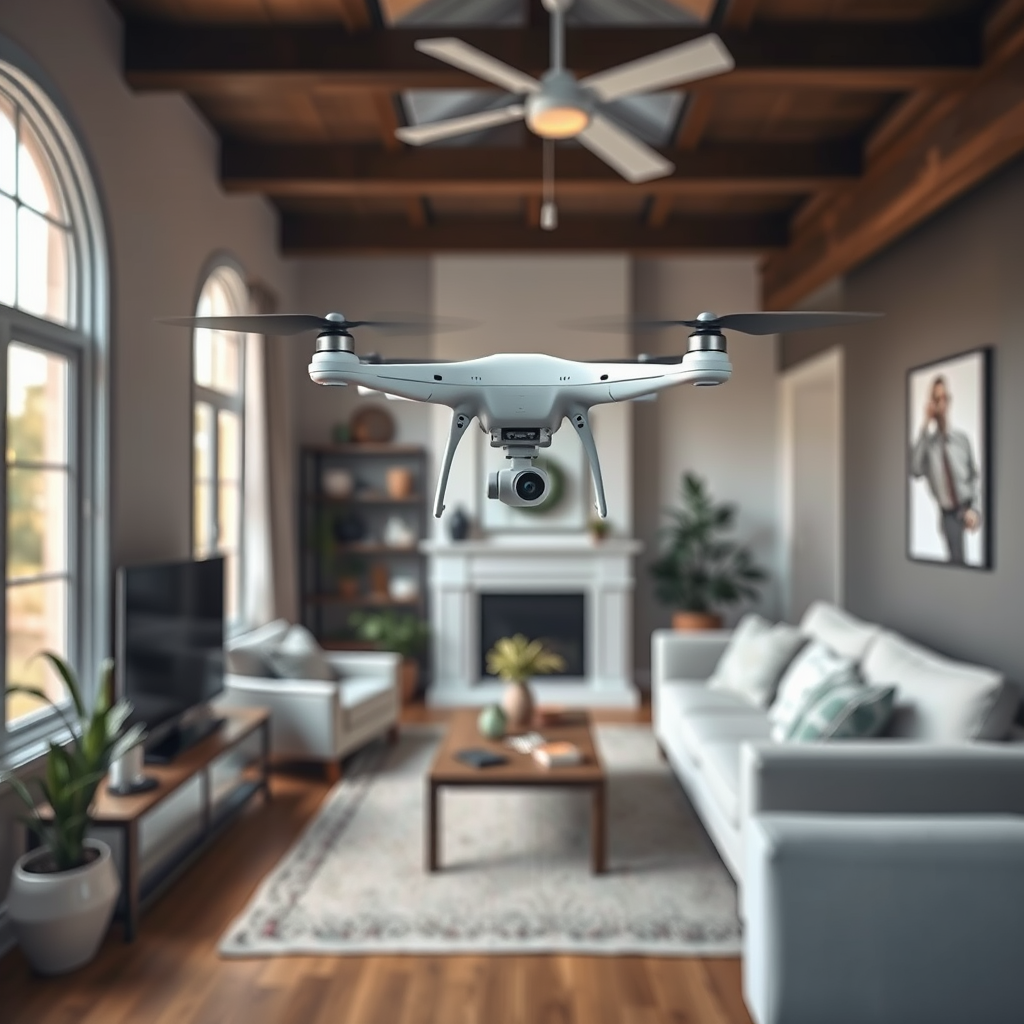
Drones cannot see through your house in the traditional sense, as they lack the capability to penetrate walls or roofs. However, they can utilize various technologies to gather information from outside, which raises significant privacy concerns. This article delves into the technologies that drones employ, the legal implications surrounding their use, and practical tips for protecting your privacy in an increasingly surveilled world.
Understanding Drone Technology
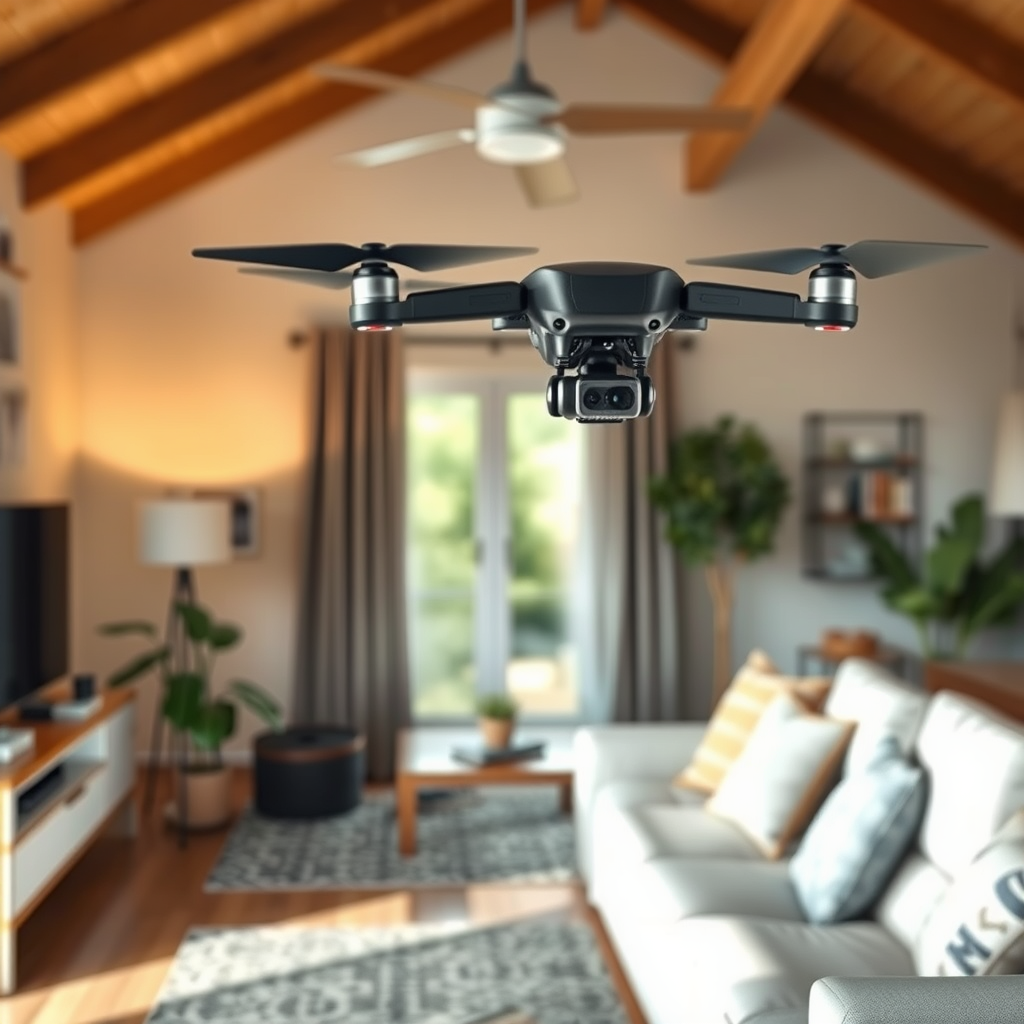
Drones today are equipped with advanced cameras and sensors that allow them to capture high-resolution images and videos from considerable altitudes. The most common type of drone used for recreational and commercial purposes is the quadcopter, which can be outfitted with various imaging technologies. While standard cameras provide clear visuals of the exterior of buildings, some drones take it a step further by utilizing infrared and thermal imaging capabilities.
Infrared cameras detect heat signatures, making them effective for identifying warm bodies or objects in darkness or obscured environments. This technology is often used in search and rescue missions, but its potential for surveillance purposes raises alarms about privacy violations. For instance, a drone equipped with thermal imaging could ascertain whether someone is inside a home simply by detecting heat emanating from the building, although it would not reveal personal activities or details within the home itself.
Privacy Concerns with Drones
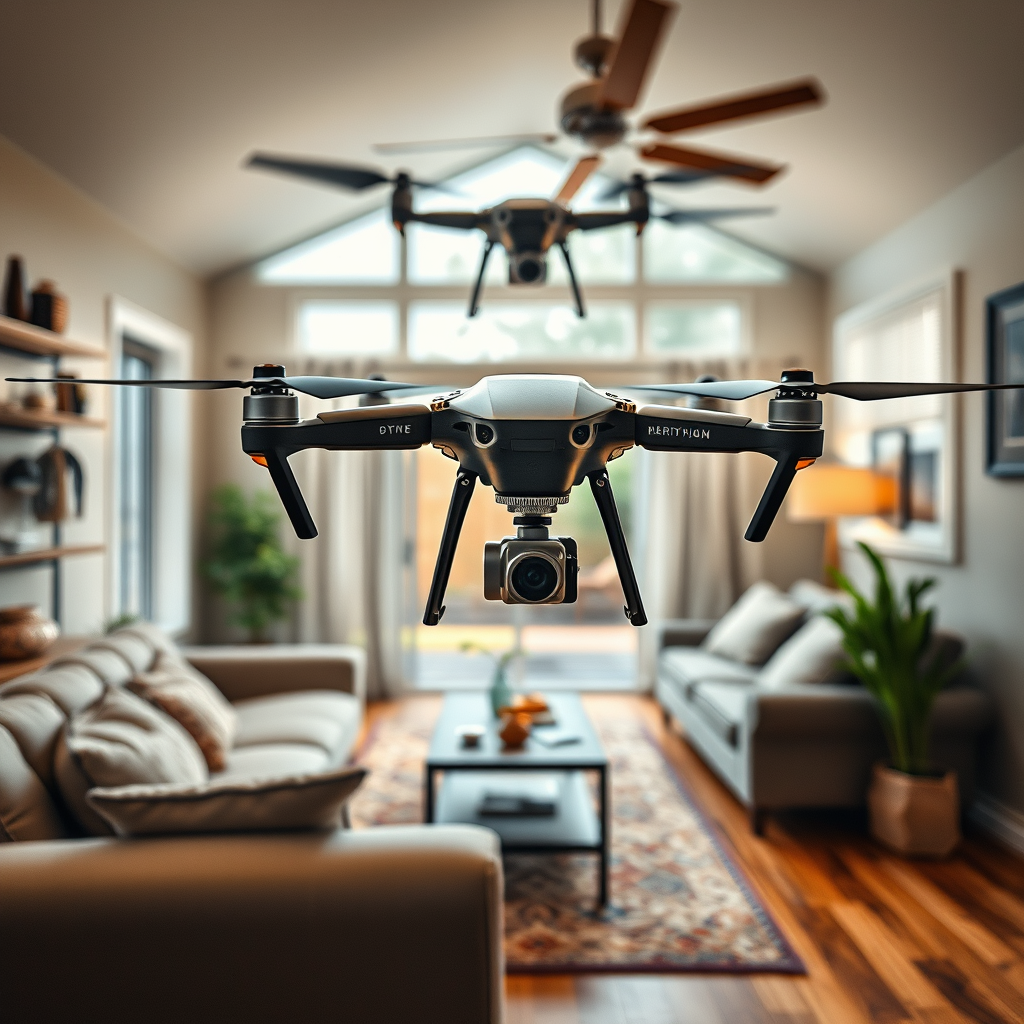
The proliferation of drones has sparked significant debates surrounding personal privacy. The ability of drones to hover quietly and capture images has led many individuals to worry about unauthorized surveillance and the potential for data collection without consent. In urban areas, the risk is amplified as drones can easily navigate residential neighborhoods, potentially invading private spaces.
For example, a drone operator might use the device to record activities in backyards or near windows, raising ethical questions about what constitutes acceptable observation. The fear of being monitored without knowledge or consent can create a chilling effect on personal freedom, as individuals may feel they are under constant watch. The psychological impact of drone surveillance can be profound, leading to increased anxiety and a sense of vulnerability in one’s own home.
Legal Regulations Surrounding Drones
Legal regulations governing drone usage vary widely across different countries and regions, and this inconsistency can complicate the understanding of individual rights. In the United States, the Federal Aviation Administration (FAA) regulates commercial drone operations, but privacy laws often fall under state jurisdiction. This means that some states have enacted strict laws regarding drone surveillance, while others have fewer restrictions.
For instance, California has laws that prohibit the use of drones to capture images of individuals in private spaces without consent, while Florida has enacted similar legislation, emphasizing the need for transparency in drone operations. Understanding local regulations is crucial for both drone operators and citizens concerned about their privacy rights. Familiarizing oneself with these laws can empower individuals to take action if they feel their privacy is being violated.
How Drones Gather Information
Drones gather information through a variety of techniques that extend beyond mere photography. In addition to capturing visual data, drones can collect sound and movement information, potentially providing a comprehensive overview of activities occurring around a property. Advanced techniques such as photogrammetry—creating 3D models from 2D images—and Light Detection and Ranging (LiDAR) enable drones to conduct detailed mapping and surveying, which can be beneficial for urban planning but also raises concerns about invasive data collection.
For instance, a drone equipped with LiDAR can generate precise topographical maps, which could inadvertently include data on private properties without the owner’s consent. Furthermore, there are concerns regarding data storage and security; the information collected by drones can be stored indefinitely and accessed later, raising the stakes for unauthorized use or data breaches.
Protecting Your Privacy from Drones
Given the potential for invasion of privacy by drones, there are several proactive measures individuals can take to protect themselves. One effective strategy is to install privacy screens or strategically placed landscaping around one’s property. Tall hedges or trees can obstruct a drone’s line of sight, making it more challenging for operators to capture images or videos of private spaces.
Additionally, familiarizing oneself with local drone laws is essential for being able to report any suspicious activity. Many regions have established hotlines or online platforms where citizens can file complaints about drone misuse. By being aware of your rights and the regulations in your area, you can better safeguard your privacy and take action if necessary.
Moreover, some individuals have opted for more advanced solutions, such as drone detection systems that can alert homeowners to the presence of drones in their vicinity. These systems often use radio frequency technology to identify drones flying nearby and can provide real-time notifications, allowing homeowners to take appropriate action.
Future of Drone Technology
As drone technology continues to evolve, the capabilities of these flying devices are likely to expand, presenting both opportunities and challenges. Advancements in artificial intelligence and machine learning could enable drones to process data more efficiently, potentially leading to even more sophisticated surveillance methods. While these developments may enhance the utility of drones in sectors like agriculture, infrastructure inspection, and delivery services, they also raise further privacy issues.
Ongoing dialogue about the ethical use of drones is crucial as technology advances. Policymakers, technologists, and citizens must engage in discussions about the balance between innovation and privacy rights. Establishing clear legal frameworks that prioritize individual privacy while allowing for technological progress will be pivotal in shaping the future of drone usage.
In conclusion, while drones cannot literally see through your house, they can gather information in ways that may infringe on your privacy. By understanding the technologies that drones employ, the legal implications surrounding their use, and practical measures to protect your personal space, you can navigate this evolving landscape more effectively. Staying informed and proactive about your privacy rights is essential in the age of drones, ensuring that you can enjoy your home with confidence and peace of mind.
Frequently Asked Questions
Can drones see through my house using thermal imaging?
While drones equipped with thermal imaging cameras can detect heat signatures, they cannot literally see through walls. Thermal cameras can identify temperature differences on the exterior of a building, allowing users to see heat emanating from inside, like body heat or heating systems. However, this technology has limitations and cannot provide clear images of what is happening inside your home.
Are there legal restrictions on drone use for surveillance purposes?
Yes, there are legal restrictions regarding drone surveillance, which vary by country and region. In many places, using drones to invade someone’s privacy, such as peering into their home, can lead to legal consequences under privacy laws. It’s important to understand local regulations governing drone operations and privacy rights to avoid legal issues.
How can I protect my privacy from drones?
To protect your privacy from drones, you can take several proactive measures. Installing privacy screens, using window treatments, and maintaining a well-manicured landscape can deter aerial surveillance. Additionally, being aware of local drone laws can help you identify and report any suspicious drone activity near your property.
What types of drones are capable of seeing through walls?
Drones cannot see through solid walls like X-ray vision; however, some advanced drones use radar technology or specialized sensors to detect movement or heat signatures. These drones are typically used for search and rescue operations or military applications, not for civilian use. Understanding the capabilities of consumer drones can help you gauge their surveillance limitations.
Why are people concerned about drones being able to see into their homes?
People are concerned about drones being able to see into their homes due to privacy invasion and the potential misuse of surveillance technology. The rise in drone usage has sparked fears about unauthorized monitoring of personal activities and intrusions into private spaces. These concerns highlight the importance of balancing technological advancements with privacy protection measures in society.
References
- https://en.wikipedia.org/wiki/Drone_technology
- https://www.bbc.com/news/technology-48536923
- https://www.nytimes.com/2019/07/25/technology/drones-privacy.html
- https://www.eff.org/deeplinks/2015/06/drones-and-privacy
- https://www.wired.com/story/drones-privacy-issues/
- https://www.nap.edu/catalog/21851/drones-in-education
- https://www.sciencedirect.com/science/article/pii/S2212567117300240
