
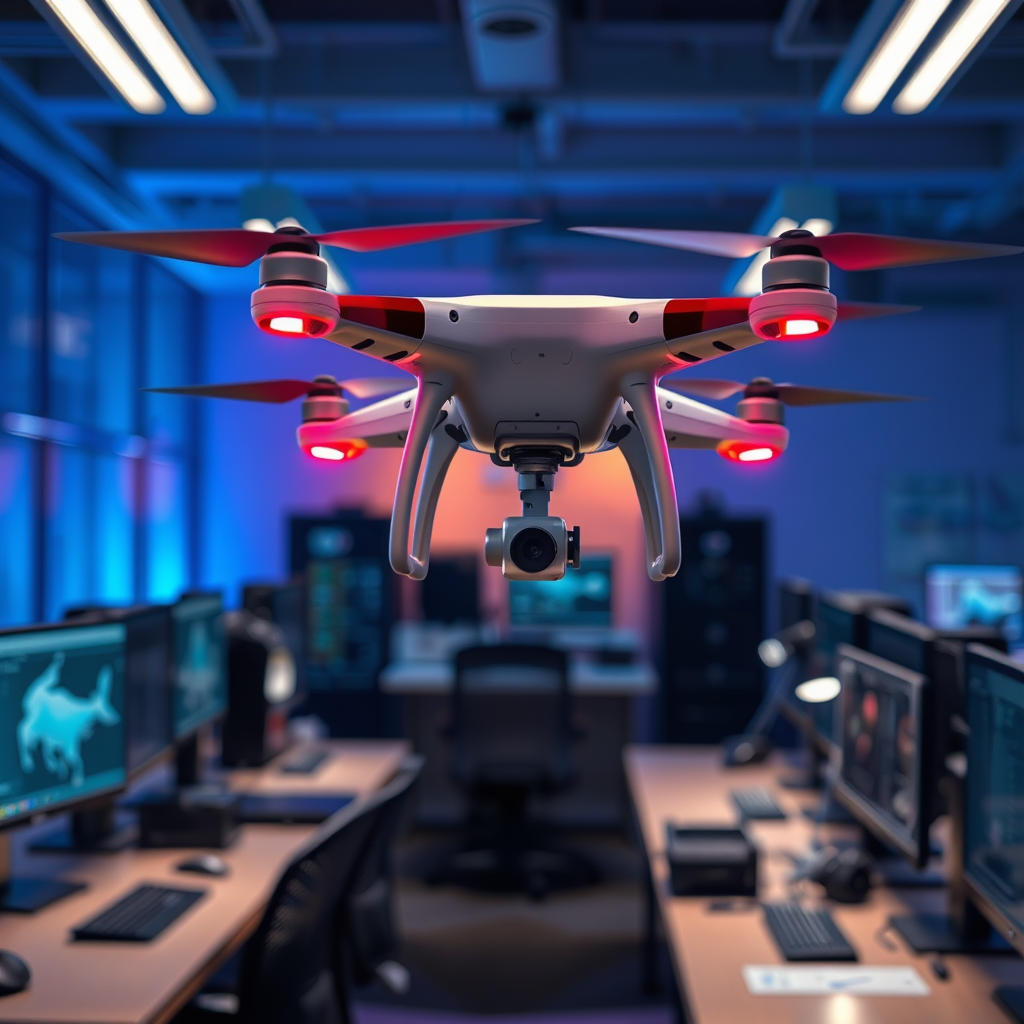
Drones can indeed stay still in the air, a capability commonly referred to as hovering. This ability is crucial for various applications, including aerial photography, surveying, and inspections. Drones achieve this stability through a combination of advanced engineering and technology, which allows them to remain in a fixed position despite environmental challenges. In this article, we will explore how drones achieve this stability, the technology behind it, and the factors that affect their hovering capabilities.
How Drones Achieve Hovering
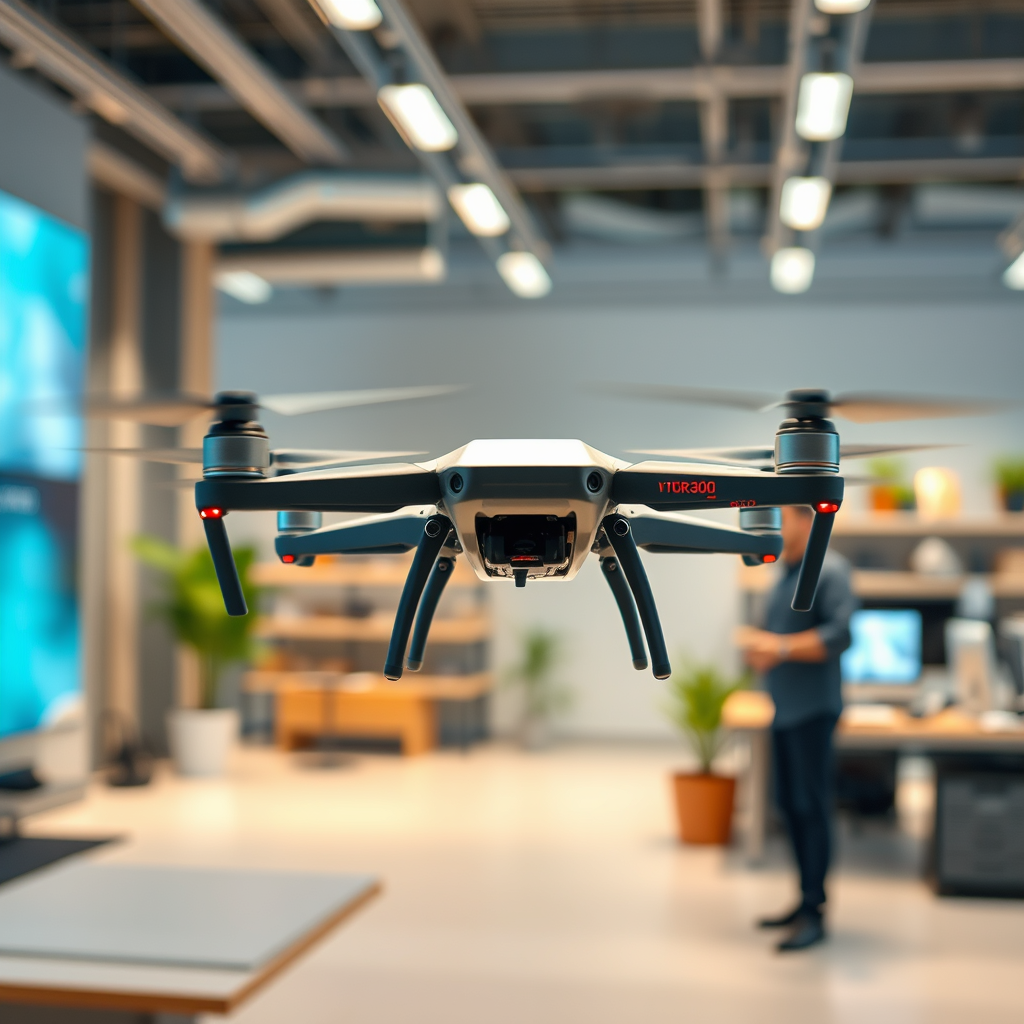
Drones primarily use multi-rotor designs to generate lift, which allows them to hover effectively. The most common types of drones are quadcopters, which have four rotors. Each rotor spins in opposite directions to create a balanced system that is essential for stability. By adjusting the speed of individual rotors, drones can manipulate their thrust and control their position in the air. For instance, if a drone needs to ascend, all rotors will increase their speed simultaneously. Conversely, to descend, the rotors will slow down.
In addition, this rotor control system enables drones to perform intricate maneuvers while hovering, such as yaw, pitch, and roll adjustments. By varying the rotor speeds, drones can tilt in a particular direction while maintaining a fixed altitude. This dynamic adjustment capability is what makes drones so versatile for applications like real-time surveillance and detailed aerial inspections.
The Role of Sensors in Stability
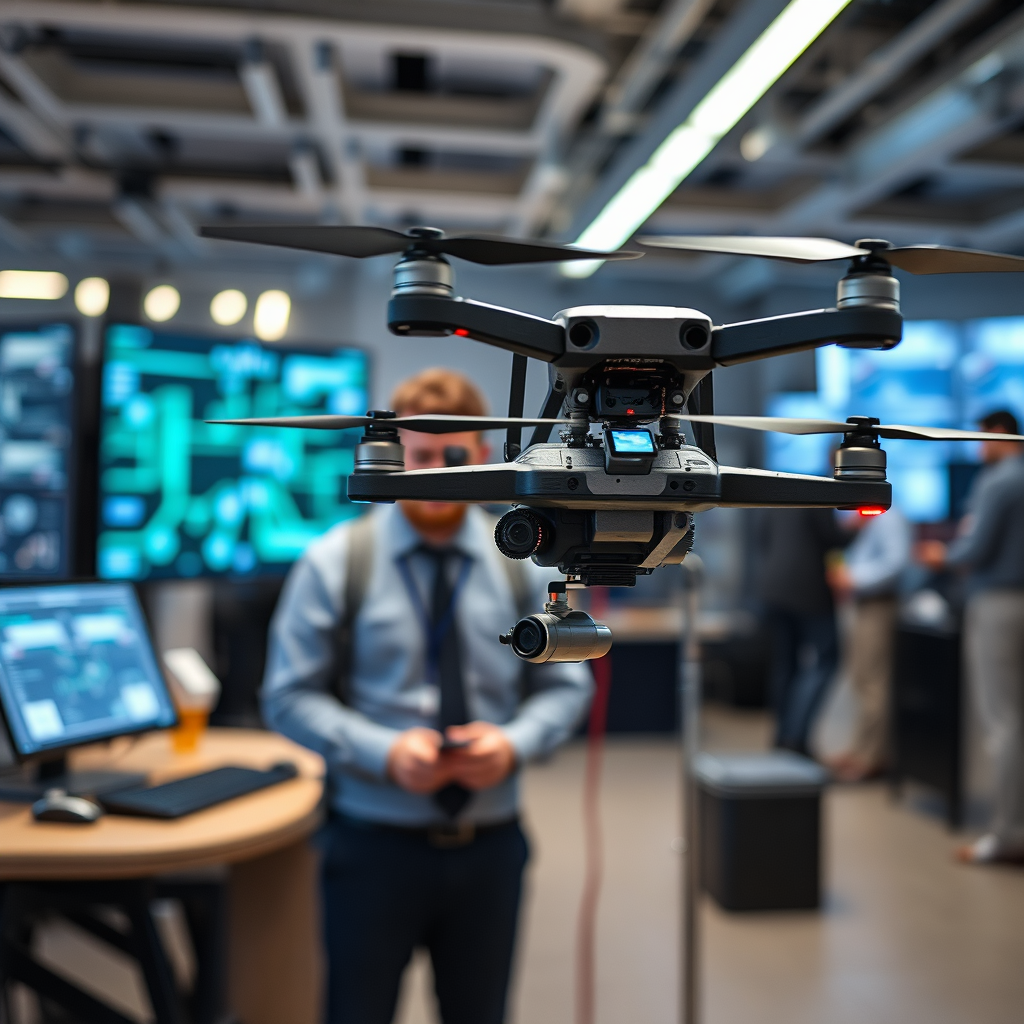
Sensors play a pivotal role in maintaining a drone’s stability while hovering. Gyroscopes, for instance, are crucial for maintaining orientation and balance. They detect changes in orientation and help the drone adjust its position accordingly. The data from gyroscopes allows the drone’s flight controller to make rapid adjustments to rotor speeds, ensuring a stable hover even when minor disturbances occur.
In addition to gyroscopes, other sensors such as GPS and barometers contribute significantly to a drone’s hovering precision. GPS provides location data, enabling the drone to maintain its position relative to the ground. Barometers measure altitude, allowing drones to hold a constant height above sea level. The integration of these sensors ensures that drones can hover with high accuracy, essential for tasks like mapping and surveying, where precision is paramount.
Environmental Factors Impacting Hovering
While drones are equipped with sophisticated technology, environmental factors can significantly challenge their ability to hover. Wind conditions are perhaps the most significant variable; strong gusts can push a drone off course and require constant adjustments to maintain a stable position. For example, a drone hovering in a wind-challenged environment may need to exert extra thrust to counteract the wind, which can affect battery life and overall performance.
Moreover, temperature and humidity levels can also impact a drone’s performance. Extreme temperatures can affect battery efficiency, leading to reduced flight times. High humidity can cause excess moisture in the drone’s components, potentially affecting sensor performance and lift. For operators, understanding these environmental factors is crucial for planning safe and effective drone operations, especially in outdoor settings.
Battery Life and Hovering Duration
The duration for which a drone can hover is primarily determined by its battery capacity. Most consumer drones operate on lithium polymer (LiPo) batteries, which provide a good balance of weight and energy density. However, the actual time a drone can maintain a hover varies widely depending on its design, weight, and energy consumption.
Power management systems are also integral to optimizing energy usage during flight. Advanced drones utilize smart algorithms to monitor battery levels and adjust power consumption dynamically. For example, drones may enter a low-power mode when hovering to conserve energy for longer flight durations. Understanding the limits of battery life and employing effective power management strategies can significantly enhance a drone’s performance and operational efficiency.
Applications of Hovering Drones
The ability to hover opens up a range of applications for drones across various industries. In aerial photography, for instance, stable hovering allows for the capture of high-quality images and videos without the blurriness caused by movement. Professional photographers often rely on drones to take precise, still shots from unique angles, enhancing the overall quality of their work.
In industrial sectors, hovering drones are essential for inspections and monitoring. They can hover over structures like bridges, power lines, and pipelines to assess their condition without the need for scaffolding or cranes. This capability not only increases safety but also reduces inspection time and costs, making it an attractive option for many businesses.
Safety Considerations for Hovering
Understanding the limits of a drone’s hovering ability is crucial for ensuring safe operation. Every drone has maximum wind resistance thresholds and altitude limits, which, if exceeded, can lead to loss of control. Operators should familiarize themselves with these limits and ensure they are adhered to during flight.
Additionally, awareness of surrounding obstacles is essential to avoid accidents. Drones can easily become disoriented in cluttered environments or when flying at low altitudes. Implementing pre-flight checks and maintaining a clear line of sight can mitigate risks and enhance safety. Regular training and adherence to safety protocols are also vital for operators to navigate these challenges effectively.
Tips for Successful Hovering
To improve control and achieve successful hovering, drone operators should practice in calm conditions. Windless environments provide the best opportunity to master hovering techniques without the added challenge of environmental factors. This practice helps build confidence and skill, enabling operators to manage their drones effectively in more challenging conditions.
Regular calibration of sensors is another crucial practice. Calibrating gyroscopes, GPS, and other sensors ensures that the drone maintains accurate readings, which is essential for stability during hovering. Many drones come with built-in calibration routines, making it easy for operators to maintain their equipment in optimal condition.
Furthermore, operators should stay updated on firmware and software updates provided by manufacturers, as these often include improvements to stability and performance.
In conclusion, drones are designed to hover effectively, thanks to advanced technology and specific design features. Understanding the factors that influence their stability can help users maximize their performance. By leveraging the right techniques, practicing regularly, and being mindful of environmental conditions, operators can master the art of hovering. Whether for professional use or hobby flying, mastering drone hovering is key to successful operation, ensuring that both safety and performance are upheld in various applications.
Frequently Asked Questions
Can drones hover in place without moving?
Yes, drones can hover in place thanks to their flight control systems and the ability to adjust their rotors’ speed. Most modern quadcopters are equipped with GPS and altitude sensors that allow them to maintain a stable position in the air. This capability is particularly useful for aerial photography, surveying, and other applications where precision is key.
How do drones maintain stability while hovering?
Drones maintain stability while hovering by utilizing a combination of gyroscopic sensors, accelerometers, and GPS technology. These instruments provide real-time data on the drone’s position and orientation, allowing the onboard flight controller to make minute adjustments to the motors. This process ensures the drone can counteract any external forces like wind, enabling it to stay still in the air.
Why is hovering important for drone operations?
Hovering is crucial for various drone operations, such as capturing high-quality images and videos, conducting inspections, and mapping terrain. When a drone can stay still, it allows for greater precision and reduces motion blur in images. Additionally, hovering enables the drone to focus on a specific point or area for an extended period, making it essential for tasks that require detailed observation.
What types of drones are best for hovering?
Multi-rotor drones, such as quadcopters and hexacopters, are generally the best types for hovering due to their design and stability. These drones have multiple rotors that provide better lift and control compared to fixed-wing drones, which are not designed for hovering. Popular models like the DJI Phantom and Mavic series excel in hovering capabilities, making them ideal for photographers and professionals.
Which environmental factors can affect a drone’s ability to hover?
Various environmental factors can impact a drone’s ability to hover, including wind speed, temperature, and altitude. Strong winds can cause instability, making it challenging for the drone to maintain a stationary position. Additionally, high altitudes can affect the drone’s lift due to thinner air, while extreme temperatures can impact battery performance and sensor accuracy, all of which can hinder hovering capabilities.
References
- https://en.wikipedia.org/wiki/Drone
- https://www.sciencedirect.com/science/article/pii/S2351978917308386
- https://www.nasa.gov/mission_pages/GLORY/overview/index.html
- https://www.faa.gov/uas/
- https://www.airspacemag.com/flight-today/how-drones-fly-180961046/
- https://www.researchgate.net/publication/324139252_An_Overview_of_Drones_and_their_Applications_in_Science
- https://www.hindawi.com/journals/jece/2018/8236294/
