
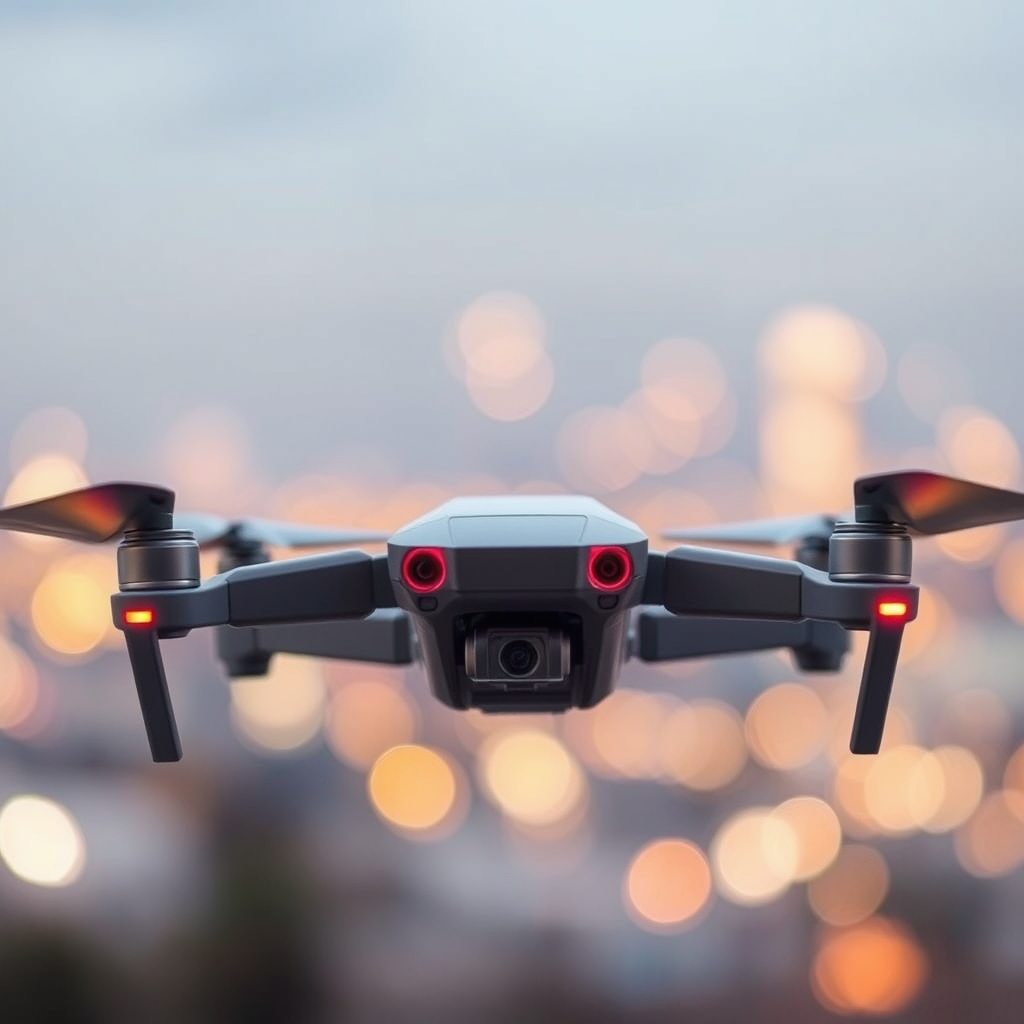
Yes, drones can take pictures at night, thanks to advancements in camera technology and low-light capabilities. Many modern drones are equipped with specialized cameras that can capture high-quality images even in dim lighting conditions. This article delves into the features that enable nighttime photography with drones and the best practices for achieving stunning results.
Understanding Drone Camera Technology
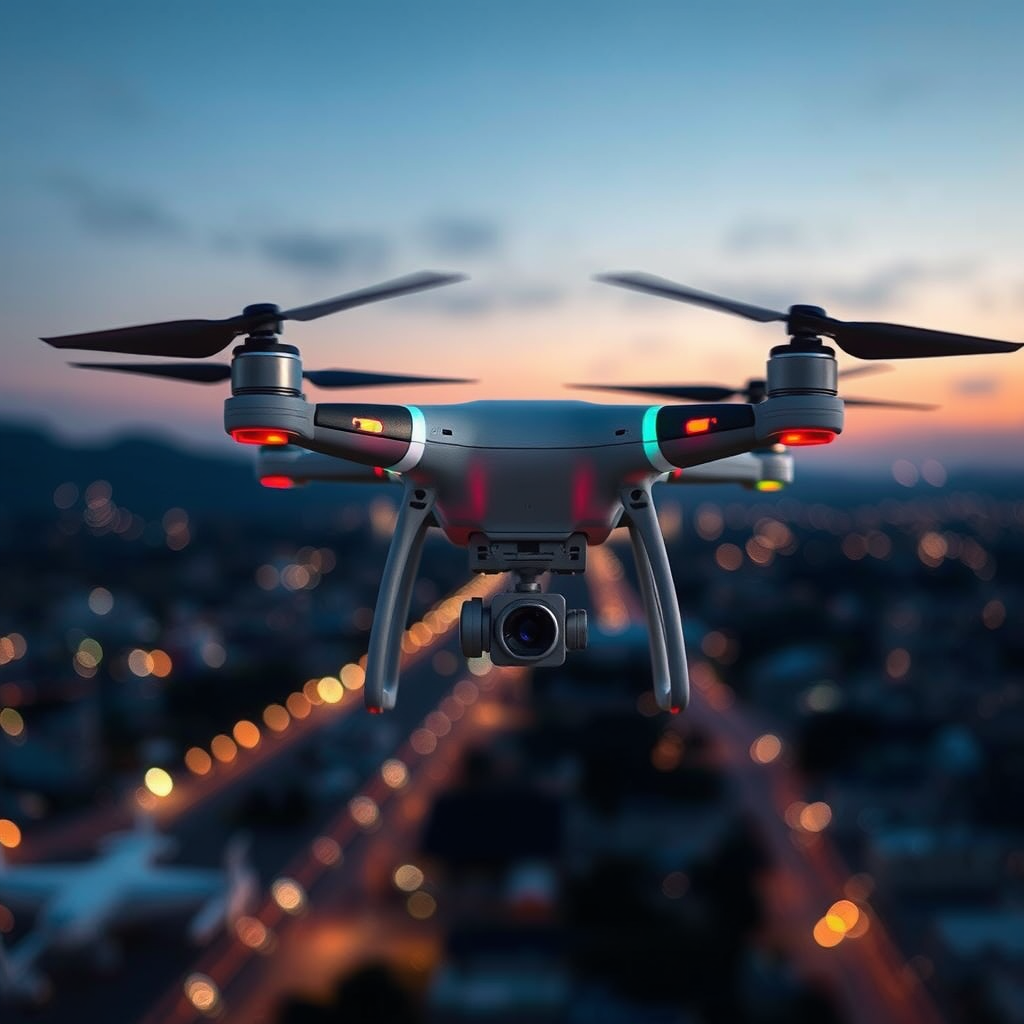
The evolution of drone camera technology has significantly improved the ability to capture images in low-light environments. Many contemporary drones now come equipped with advanced low-light sensors designed to maximize light intake, allowing for clearer images even when natural light is diminished. These sensors are often paired with image stabilization technology, which compensates for minor movements and vibrations that can cause blurriness, particularly in low-light situations. Such technologies enhance the overall quality of nighttime photography, ensuring that images remain sharp and detailed.
Additionally, modern drones incorporate features like larger aperture lenses, which allow more light to reach the sensor. This is crucial at night when every bit of available light counts. Moreover, some drones utilize HDR (High Dynamic Range) imaging, which combines multiple exposures to create a well-balanced photo, capturing both bright and dark areas effectively. This blend of technology makes nighttime drone photography not only feasible but also rewarding for those willing to explore this artistic avenue.
Types of Cameras for Night Photography
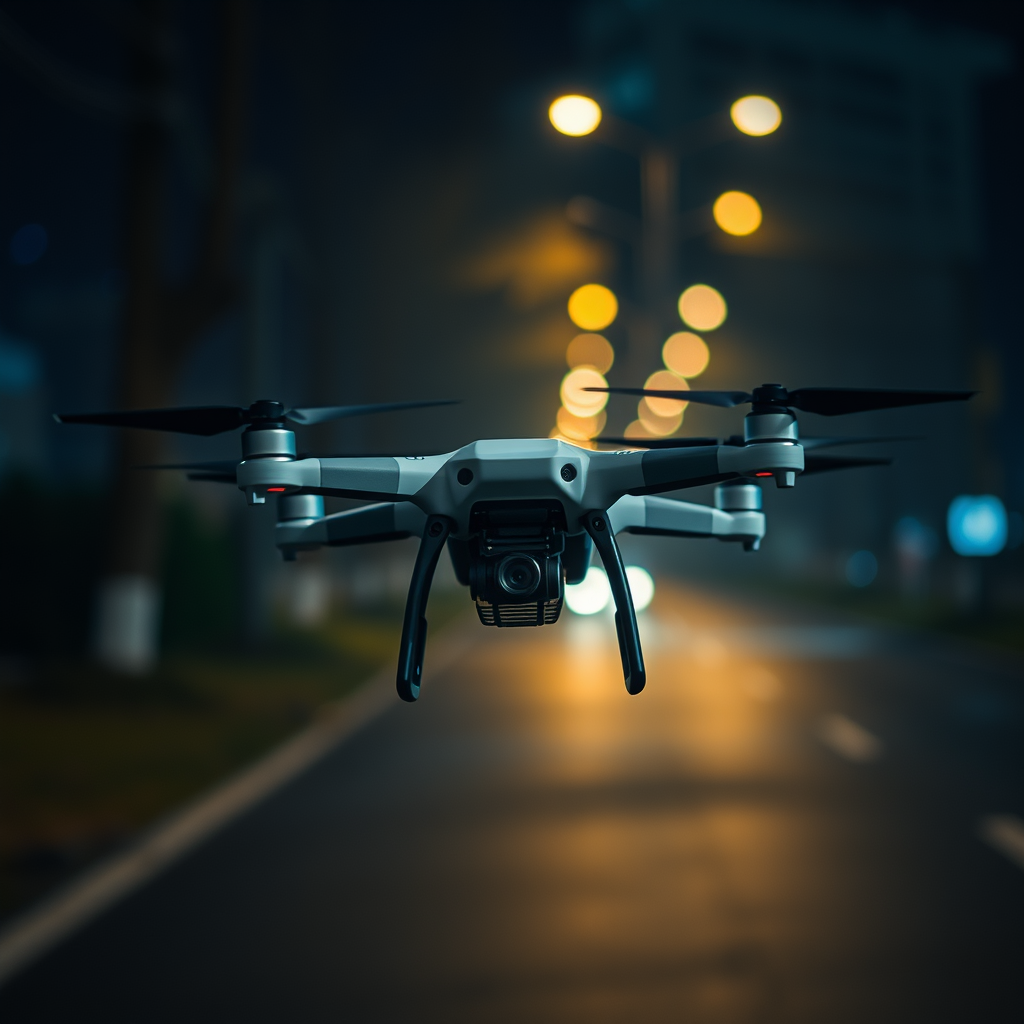
When considering the type of camera within a drone for nighttime photography, there are a few key technologies to note. CCD (Charge-Coupled Device) and CMOS (Complementary Metal-Oxide-Semiconductor) sensors are among the most popular choices for low-light photography. CCD sensors are known for their superior image quality and sensitivity to light, making them ideal for capturing intricate details in dark environments. On the other hand, CMOS sensors have become increasingly prevalent due to their lower power consumption and faster readout times, allowing for quick captures without a significant delay.
In addition to traditional cameras, drones are also equipped with thermal and infrared cameras. These specialized imaging systems enable pilots to capture unique images in complete darkness by detecting heat patterns rather than relying on visible light. This capability opens up new avenues for exploration in fields such as search and rescue, wildlife monitoring, and even artistic endeavors, offering a perspective that standard cameras cannot achieve.
Best Drones for Night Photography
When selecting a drone for nighttime photography, several features should be prioritized to ensure optimal performance in low-light conditions. Look for drones that boast excellent low-light performance and high ISO capabilities, as these attributes directly influence image clarity and detail in dim environments.
Some recommended models for nighttime photography include the DJI Mavic 3, which features a Hasselblad camera with a 4/3 CMOS sensor, allowing for stunning images in low-light scenarios. Its advanced obstacle avoidance systems and long flight time make it a reliable choice for nighttime operations. Another noteworthy option is the Autel EVO Lite, known for its impressive low-light capabilities and variable aperture, which provides greater control over depth of field and light intake. Both models have garnered positive reviews from drone enthusiasts and professionals alike, making them suitable for those looking to elevate their nighttime photography.
Legal Considerations for Night Flying
Before taking to the skies for nighttime drone photography, it is crucial to be aware of the legal considerations that govern this activity. In the United States, the Federal Aviation Administration (FAA) has specific regulations regarding night drone flights. As of recent updates, drone pilots flying for commercial purposes must hold a Part 107 license, which requires passing a knowledge test to ensure safe operations.
Additionally, flying at night necessitates adhering to certain requirements, such as having appropriate lighting on the drone to ensure visibility and avoid collisions. Pilots should always stay informed about local laws and regulations, as they can vary by state and municipality. Understanding these legal frameworks is essential for responsible drone operation and can help avoid potential fines or penalties.
Tips for Capturing Great Night Images
To achieve remarkable nighttime images with your drone, employing the right techniques is vital. One effective strategy is to use manual settings to control exposure and ISO. By adjusting these parameters, you can fine-tune your shots to capture more light and detail. For instance, a higher ISO can improve sensitivity to light, while a slower shutter speed can allow more light to hit the sensor. However, be wary of too high an ISO, as it can introduce noise into your images.
Additionally, utilizing a gimbal can significantly enhance stability during nighttime shoots. A gimbal minimizes the effects of drone movements, ensuring that images remain steady and focused. Furthermore, consider experimenting with long-exposure shots, as they can produce stunning light trails and capture the dynamic energy of nighttime scenes. Lastly, scouting your location before the shoot can provide insights into the best vantage points and lighting conditions.
Safety Measures for Nighttime Drone Operations
Safety should always be a top priority when operating drones at night. Ensuring adequate lighting on the drone itself is essential for visibility, both for the pilot and for others in the vicinity. Many drones come equipped with LED lights, but adding additional lighting can enhance visibility further, reducing the risk of accidents.
In addition to proper lighting, using spotters during nighttime operations can be immensely beneficial. Spotters can help monitor the drone’s surroundings, alerting the pilot to any potential obstacles or hazards that may not be visible from the pilot’s line of sight. This collaborative approach enhances safety and allows for a more enjoyable flying experience.
Editing Nighttime Drone Photos
After capturing stunning nighttime images, the next step is to enhance them through editing. Several software tools are available that specialize in editing low-light images, including Adobe Lightroom and Photoshop. These programs allow for precise adjustments to brightness, contrast, and color balance, enabling photographers to bring out the best in their night shots.
When editing, focus on techniques such as noise reduction to minimize any graininess that may appear due to high ISO settings. Adjusting the exposure can help reveal details that might have been lost in shadow, while fine-tuning contrast can add depth and dimension to the image. Experimenting with color balance can also yield interesting results, allowing for creative interpretations of nighttime scenes.
In conclusion, capturing stunning nighttime images with drones is not only possible but also increasingly popular. By understanding the right equipment and techniques, you can take your drone photography to new heights. From selecting the best drones for low-light conditions to adhering to legal regulations and employing effective editing practices, the landscape of nighttime drone photography is rich with possibilities. If you’re considering nighttime drone photography, explore the recommended models and tips to get started!
Frequently Asked Questions
Can drones take pictures at night?
Yes, drones can take pictures at night, but the quality of those images largely depends on the drone’s camera specifications. Drones equipped with high-quality, low-light cameras and features such as larger sensors and image stabilization can capture clear photos in low-light conditions. However, drones without these capabilities may struggle to produce usable images at night.
What features should I look for in a drone for nighttime photography?
When selecting a drone for nighttime photography, look for features such as a high-quality camera with a large sensor and a wide aperture, which allows more light to enter. Additionally, drones with optical or electronic image stabilization can help reduce blurriness caused by movement. It’s also beneficial to choose a drone with adjustable ISO settings to capture better images in varying light conditions.
How can I improve nighttime photography with my drone?
To enhance nighttime photography with your drone, consider using a longer exposure time to allow more light to hit the camera sensor. Additionally, flying at a lower altitude can help you capture more detail in your shots. Using manual settings to adjust ISO, shutter speed, and aperture will also allow for greater control over the final image quality.
Why is it challenging to take pictures with a drone at night?
Taking pictures with a drone at night can be challenging due to lower light levels, which can lead to increased noise in images and difficulty in focusing. Drones that are not equipped with specialized low-light cameras may produce blurry or grainy photos. Furthermore, navigating in low-light conditions can be more difficult, making it essential to have a drone with good visibility and reliable controls.
Which drones are best for nighttime photography?
Some of the best drones for nighttime photography include the DJI Mavic 3, which features a large sensor and advanced low-light capabilities, and the Autel Robotics EVO Lite+, known for its excellent image quality in low-light scenarios. Additionally, the DJI Phantom 4 Pro V2.0 is another great option due to its powerful camera and stabilization features. Always review specifications to ensure the drone meets your nighttime photography needs.
References
- https://en.wikipedia.org/wiki/Drone_photography
- https://www.sciencedirect.com/science/article/pii/S2352864821000422
- https://www.nasa.gov/feature/nasa-s-uav-challenge
- https://www.geospatialworld.net/blogs/how-drones-are-revolutionizing-night-vision-technology/
- https://www.theguardian.com/technology/2020/oct/27/why-drones-are-becoming-the-future-of-night-vision
- https://www.ncbi.nlm.nih.gov/pmc/articles/PMC7491022/
- https://www.nist.gov/news-events/news/2021/07/drones-how-they-work-and-their-future
- https://www.wired.com/story/drones-night-vision/
- https://www.techrepublic.com/article/how-drones-are-changing-the-way-we-see-at-night/
