
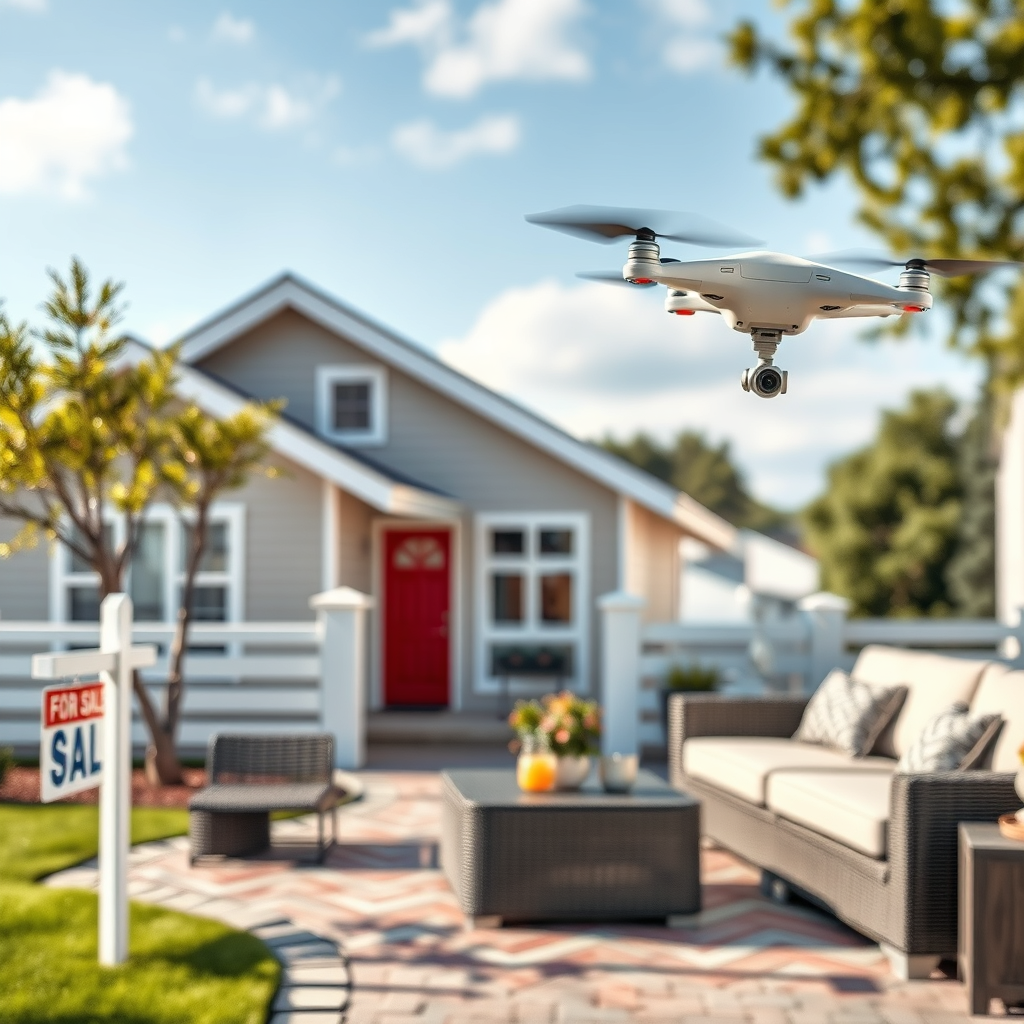
Yes, drones can take pictures of private property, but there are important legal considerations to keep in mind. The legality often depends on privacy laws, local regulations, and the context in which the images are captured. As drone technology continues to advance, it is crucial for operators to understand the legal landscape to avoid potential disputes and ensure responsible usage. This article will explore these aspects to provide a clearer understanding of the relationship between drone photography and property rights.
Understanding Drone Photography Regulations
In the United States, drone usage is primarily regulated by the Federal Aviation Administration (FAA). The FAA has established comprehensive guidelines that govern the operation of drones, including requirements for remote pilot certification, registration of drones, and adherence to specific operational limits, such as altitude restrictions and no-fly zones. These regulations apply to both commercial and recreational drone operators, ensuring safety in the national airspace.
In addition to FAA guidelines, state and local laws may impose further restrictions on drone flight and photography. For instance, some municipalities have enacted ordinances that specifically address drone use in urban environments, often limiting where and when drones can operate. It is essential for drone operators to familiarize themselves with these local regulations before taking flight, as failing to do so can lead to legal repercussions, including fines or the confiscation of equipment.
Privacy Laws Affecting Drone Use
Privacy laws vary significantly from state to state, and many jurisdictions have enacted specific laws that protect individuals’ rights regarding photography. Generally, the legal principle is that individuals have a reasonable expectation of privacy in certain settings, such as their homes and backyards. Therefore, while taking photos from public airspace typically does not violate privacy laws, the context in which those images are captured matters significantly.
For example, a drone operator flying over a residential area to capture images of a public event may not face legal issues. However, if the operator hovers over private property to capture intimate moments without consent, they could be violating privacy laws. Certain states, such as California and Florida, have enacted stringent laws regarding drone surveillance and photography, which further complicates matters for operators. Understanding these nuances is vital for anyone engaged in drone photography.
The Role of Consent
Obtaining consent from property owners can significantly mitigate potential legal issues when capturing images. While the law may permit drone operators to photograph from public airspace, ethical considerations should also guide their actions. Respecting property owners’ rights and privacy not only helps avoid legal complications but also fosters goodwill and trust between drone operators and the community.
For instance, if a drone operator wishes to photograph a residential property for real estate purposes, reaching out to the homeowner for permission is prudent. This act of courtesy can enhance relationships and can even lead to referrals or repeat business. Consent can also serve as a legal safeguard, as documented agreements can protect operators from privacy-related claims.
Commercial Use vs. Personal Use
The distinction between commercial and personal use of drones is significant when it comes to regulations. Commercial drone photography, such as real estate marketing or event coverage, often faces stricter regulations compared to personal use, which might include capturing family events or scenic landscapes. Businesses must comply with various licensing and insurance requirements and may need to obtain special permits, depending on the scope of their operations.
For example, the FAA requires commercial drone operators to hold a Remote Pilot Certificate, which necessitates passing a knowledge test covering airspace regulations, weather, and drone operation. Additionally, commercial operators must ensure that their drones meet specific safety standards and are registered with the FAA. Failing to comply with these regulations can result in significant penalties, including fines or suspension of drone privileges.
Potential Legal Consequences
Violations of privacy laws and drone regulations can have serious legal consequences for operators. Depending on the nature of the infraction, consequences may include civil lawsuits, fines, and, in some cases, criminal charges. For instance, an individual may file a lawsuit for invasion of privacy if they believe their property has been photographed without consent in a manner that breaches their reasonable expectation of privacy.
Moreover, the legal landscape surrounding drone use is continually evolving, with courts increasingly addressing issues related to drone surveillance and privacy. Recent cases have highlighted the importance of understanding local laws and the potential repercussions of failing to adhere to them. Awareness of these potential legal pitfalls can help drone operators navigate the complexities of their rights and responsibilities.
Best Practices for Responsible Drone Photography
To ensure responsible drone photography, operators should adhere to several best practices. First and foremost, always check local regulations before flying a drone. This includes understanding any restrictions on altitude, flight paths, and designated no-fly zones, particularly near airports or sensitive areas.
Additionally, it is crucial to respect private property boundaries and avoid invasive photography. Operators should be mindful of not capturing images that infringe on individuals’ privacy rights. If unsure about the legality of a specific flight or photography project, seeking legal counsel or guidance from local authorities can provide clarity.
Establishing a code of ethics for drone operations can also be beneficial. Engaging with the community, respecting property owners’ rights, and prioritizing safety can enhance the public perception of drone use and foster a positive environment for all stakeholders involved.
Future of Drone Photography Regulations
As drone technology evolves, so too do the regulations surrounding their use. Innovations, such as advanced imaging capabilities and autonomous flight systems, may prompt lawmakers to revisit existing regulations to address emerging concerns about privacy and safety. Additionally, ongoing public discourse regarding privacy rights versus technological advancements will likely influence the legislative landscape.
Staying informed about changes in regulations is essential for drone operators. Participating in industry forums, subscribing to relevant news outlets, and engaging with local drone advocacy groups can provide valuable insights into upcoming changes. By remaining proactive and adaptable, operators can ensure compliance and navigate the complexities of an ever-evolving regulatory environment.
In conclusion, while drones can indeed take pictures of private property, it’s crucial to be aware of the legal and ethical implications involved. Understanding local laws, respecting privacy, and obtaining consent will help ensure responsible drone use. By adhering to best practices and staying informed about regulatory changes, drone operators can successfully navigate the complexities of their craft while fostering positive relationships with the communities they serve. If you’re considering drone photography, make sure to do your research and adhere to best practices to avoid legal entanglements.
Frequently Asked Questions
Can drones legally take pictures of private property?
Yes, drones can legally take pictures of private property, but there are specific regulations that must be followed. According to laws in many countries, including the United States, aerial photography is generally allowed as long as the drone is flown in public airspace and not trespassing on private property. However, capturing images that invade someone’s reasonable expectation of privacy may lead to legal repercussions. Always check local laws and regulations regarding drone use to avoid potential violations.
What are the privacy concerns associated with drones taking pictures of private property?
Privacy concerns arise when drones capture images in areas where individuals have a reasonable expectation of privacy, such as backyards or inside homes. Many people worry about surveillance and unauthorized recording, which can lead to harassment or invasion of privacy. To mitigate these concerns, drones should avoid flying over private property without consent, and drone operators are encouraged to respect boundaries and privacy norms to foster trust within the community.
How can I report a drone that is taking pictures of my property without permission?
If you believe a drone is taking pictures of your property without permission, you can take several steps to address the issue. First, document the drone’s presence, including photographs or videos if possible. Then, contact local law enforcement or your municipality’s drone regulation authority to report the incident, as they can advise you on legal actions you may take. Additionally, consider speaking to the drone operator if you can identify them, as they may not be aware of your privacy concerns.
What should I do if I see a drone hovering over my property?
If you see a drone hovering over your property, the first step is to remain calm and assess the situation. Determine if the drone is causing any disturbance or invading your privacy. If you feel uncomfortable or believe the drone is violating laws, you can try to identify the operator and communicate directly with them. If necessary, you should report the incident to local authorities, especially if the drone appears to be engaged in harassment or illegal surveillance.
Which drones are best for photography and videography purposes?
The best drones for photography and videography typically combine high-quality cameras with advanced stabilization features. Models like the DJI Mavic Air 2, DJI Phantom 4 Pro, and Autel Robotics EVO Lite are popular choices due to their impressive image quality, ease of use, and range of features. When selecting a drone, consider factors like camera resolution, flight time, and the ability to capture high-definition video to ensure you get the best results for your aerial photography needs.
References
- https://en.wikipedia.org/wiki/Drone_law
- https://www.faa.gov/uas/resources/policies_regulations
- https://www.nytimes.com/2021/04/23/us/drones-privacy.html
- https://www.privacy.org.au/about-us/media-releases/drone-surveillance
- https://www.ama-assn.org/delivering-care/public-health/drone-use-public-health
- https://www.nas.edu/catalog/25556/overview-of-drone-privacy-issues
- https://www.reuters.com/business/aerial-drones-privacy-issues-2021-05-18/
- https://www.bbc.com/news/technology-56902524
