
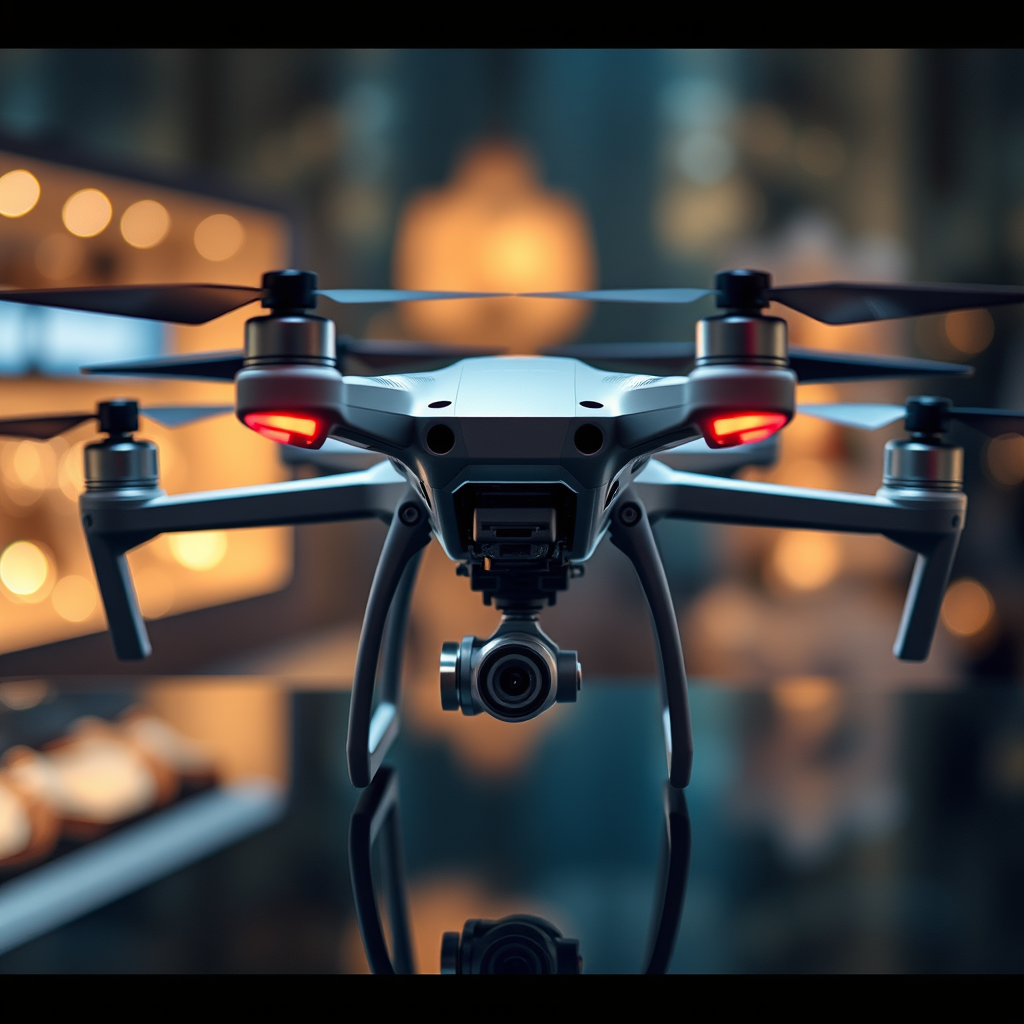
Yes, many drones can zoom in, thanks to advanced camera technology and optical zoom features. This capability allows users to capture detailed images and videos from a distance, offering a wealth of possibilities for various applications. As drone technology continues to evolve, the incorporation of high-quality cameras with sophisticated zoom functionalities enhances the versatility of these aerial devices, making them ideal for both recreational and professional use. In this article, we will explore how drones achieve zoom functionality, the types of zoom available, and their applications across different fields.
Understanding Drone Cameras and Zoom Features
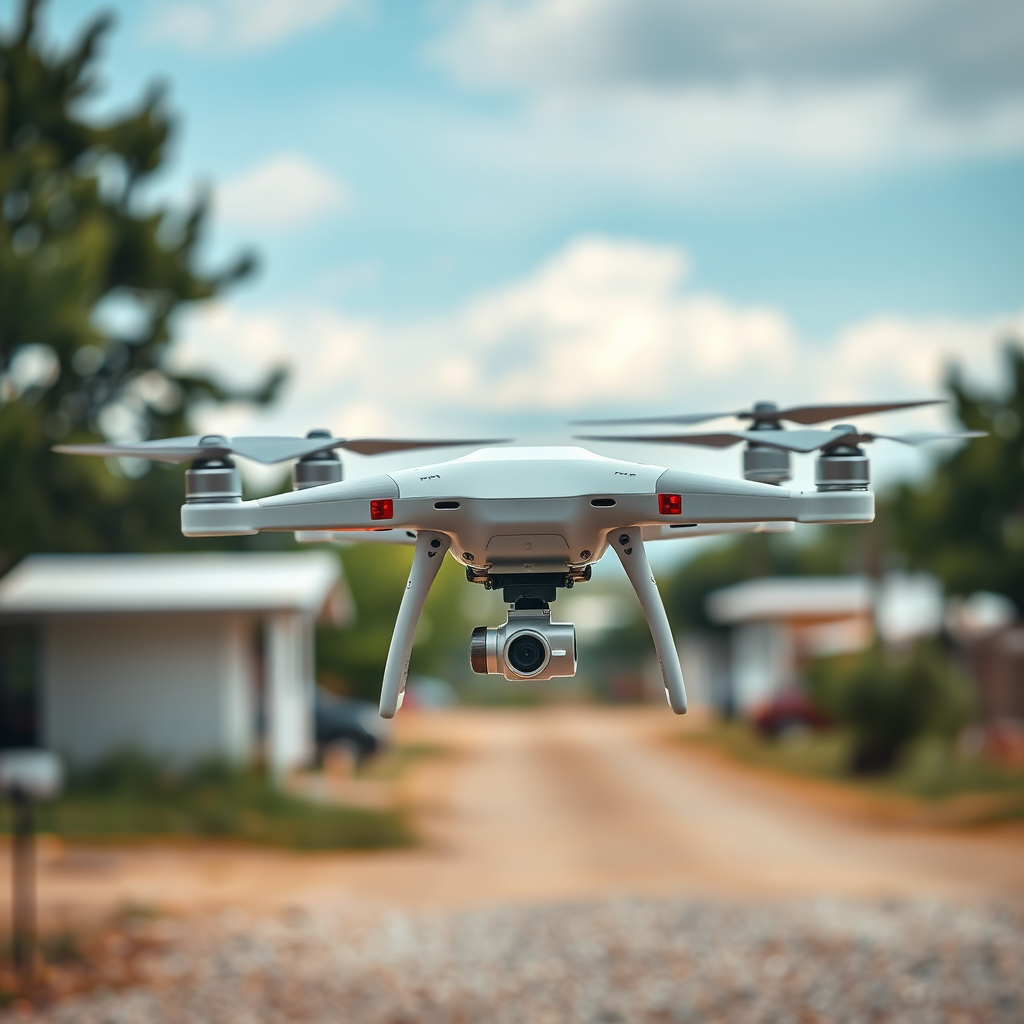
Many drones are equipped with high-resolution cameras that support zoom features, significantly enhancing their photographic capabilities. These cameras often come with advanced sensors that allow for better image quality and clarity. The zoom functionality in drones primarily relies on two types of zoom: optical and digital.
Optical zoom is achieved through the use of physical lenses that magnify the image while maintaining its quality. This is crucial for capturing detailed visuals without pixelation, as the entire image retains its original resolution. On the other hand, digital zoom operates by cropping the image and enlarging the remaining pixels, which can lead to a loss of clarity and detail. Consequently, while both zoom types serve the purpose of bringing distant subjects closer, optical zoom is generally preferred for high-quality photography and videography.
In addition to zoom features, modern drones often include additional camera capabilities such as gimbal stabilization, which further enhances the quality of images and videos by counteracting drone movement. This combination of advanced camera technology and zoom features allows users to capture stunning aerial shots from significant distances.
Types of Zoom in Drones
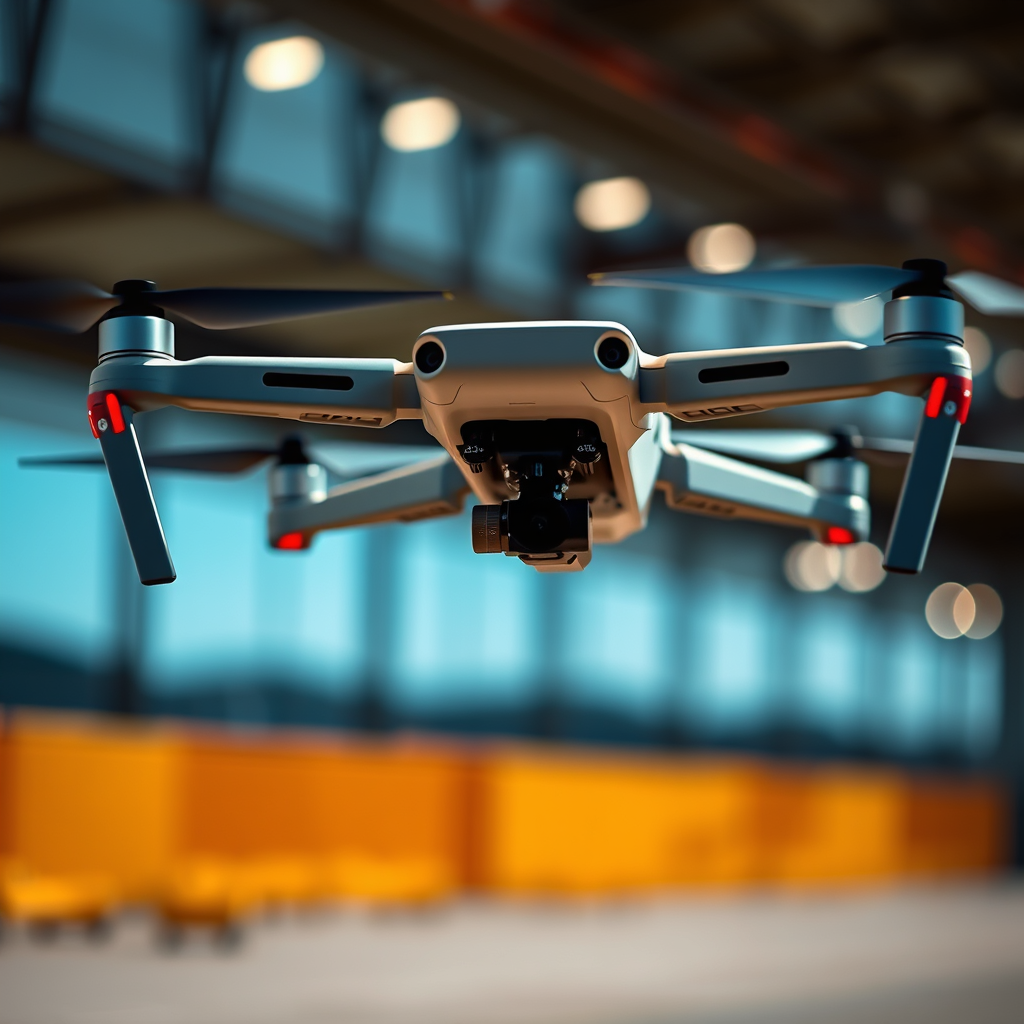
– Optical Zoom: Optical zoom utilizes a series of lenses that physically adjust to magnify the subject without degrading image quality. This type of zoom is favored by professionals and serious enthusiasts because it produces sharper, more detailed images. For instance, drones like the DJI Mavic 2 Zoom come equipped with a 24-48mm optical zoom lens, allowing users to capture close-up shots from a safe distance, making it invaluable for wildlife photography or any situation where getting too close might disturb the subject.
– Digital Zoom: Digital zoom, in contrast, enlarges the image by cropping and increasing the pixel size. While this feature can be useful in a pinch, it often results in a noticeable decline in image clarity. The inherent pixelation can detract from the overall quality of the photo or video, making digital zoom less desirable for professional use. However, it can still be useful for casual photography where high resolution is not a primary concern.
Understanding the differences between these two types of zoom is essential for users aiming to maximize the potential of their drones. For critical applications, opting for drones with optical zoom capabilities will yield better results.
Popular Drones with Zoom Capabilities
Several drones on the market feature advanced zoom options tailored to fit a variety of user needs. Among the most notable are:
– DJI Mavic 2 Zoom: This compact drone offers a 24-48mm optical zoom lens, enabling users to capture high-quality images from a distance. Its portability makes it an excellent choice for travel photography and outdoor adventures.
– DJI Phantom 4 Pro: Known for its high-resolution 20MP camera, the Phantom 4 Pro includes a mechanical shutter and can shoot at a 1-inch sensor size. While it primarily features a wide-angle lens, it has a version that allows for digital cropping, providing some degree of zoom functionality.
– Autel Robotics EVO Lite+: This drone boasts a 50MP camera and can record in 6K resolution, featuring a 1-inch CMOS sensor. Though it may not offer optical zoom, its exceptional sensor quality compensates, making it a strong contender for serious photographers.
Each of these models caters to different users, from hobbyists looking for an affordable option to professionals seeking high-end capabilities. By understanding the specifications and features of popular drones, users can select the best model for their specific needs.
Use Cases for Zooming Drones
The zoom functionality of drones opens up numerous applications across various fields:
– Aerial Photography: Drones with zoom capabilities are particularly popular in landscape and real estate photography. They allow photographers to capture intricate details of properties or natural landscapes from a distance, thereby avoiding the need for potentially invasive closer shots. For example, real estate agents can showcase properties without interrupting ongoing activities or disturbing residents.
– Surveillance: Drones are increasingly used for surveillance purposes, providing discreet monitoring of remote areas or for security applications. The ability to zoom in on specific locations allows operators to gather vital information without drawing attention to themselves. For instance, law enforcement agencies utilize drones equipped with zoom cameras to conduct surveillance on suspects or monitor large gatherings.
– Wildlife Observation: Wildlife photographers and researchers often employ drones with zoom capabilities to study animals in their natural habitats without disturbing them. This not only helps in capturing stunning images but also provides valuable insights into animal behavior and ecology.
These diverse applications highlight the versatility of zooming drones and their growing importance across various sectors.
Limitations of Drones Zooming In
While the zoom capabilities of drones enhance their functionality, there are certain limitations to consider:
– Wind and Weather Conditions: External factors, such as wind speed and weather conditions, can significantly impact the stability of the drone during flight. High winds can cause instability, making it difficult to maintain focus when zooming in on a subject. This instability can lead to blurry images, particularly when using high optical zoom settings.
– Altitude and Distance Constraints: Effective zooming often requires the drone to be at a specific altitude or distance from the subject. Flying too low can result in a lack of detail, while flying too high may make it challenging to capture the desired focus. Users must be aware of their surroundings and adjust their flight paths accordingly to optimize image capture.
– Battery Life Considerations: Zooming in typically requires more power, which can deplete a drone’s battery more quickly than standard flight. This necessitates careful planning and monitoring of battery life, especially during extended flights where zoom functionality will be utilized frequently.
Being aware of these limitations allows users to strategize their drone operations effectively and minimize issues that may hinder their ability to capture high-quality images.
Tips for Using Drones with Zoom
To make the most of your drone’s zoom capabilities, consider the following tips:
– Practice Flying at Various Distances: Understanding how zoom affects image capture is critical. Spend time practicing at different distances to find optimal settings for your particular drone model. This will help you become familiar with the drone’s handling and camera performance in various scenarios.
– Utilize Stabilization Features: Many drones come equipped with stabilization technology to help maintain clarity when zooming in. Ensure that you enable these features and familiarize yourself with how they work. Gimbals, for example, can significantly reduce the impact of drone movement, resulting in clearer images.
– Plan Your Shots: Before taking flight, consider the subjects you wish to capture and their distances. Planning your shots can help you determine the best approach to zoom in effectively while ensuring you remain within the limitations of your drone and the surrounding environment.
By following these tips, users can enhance their aerial photography and videography experiences while leveraging the full potential of their drones’ zoom capabilities.
In conclusion, drones equipped with zoom capabilities can greatly enhance your aerial photography and videography experience. By understanding the types of zoom and their applications, you can make the most out of your drone’s capabilities. Whether for professional use or personal enjoyment, exploring zoom features can add depth to your aerial adventures, providing a new perspective on the world from above. As drone technology continues to advance, the possibilities for capturing stunning imagery will only expand, paving the way for even more innovative applications in the future.
Frequently Asked Questions
Can drones zoom in like a camera?
Yes, many drones are equipped with high-quality cameras that include zoom capabilities, allowing them to capture detailed images from a distance. The zoom functionality can vary based on the camera model and drone type; some drones feature optical zoom lenses, while others may offer digital zoom. When selecting a drone for zooming capabilities, consider the specifications of the camera, as this will affect image quality and detail retention at varying distances.
How do I know if a drone has zoom capabilities?
To determine if a drone has zoom capabilities, check the product specifications provided by the manufacturer. Look for details regarding the camera type—specifically, whether it includes optical or digital zoom features. Additionally, reviews and user experiences can provide insights into the drone’s performance in real-world scenarios, helping you assess its capability to zoom effectively.
Why would I need a drone with zoom capabilities?
A drone with zoom capabilities is particularly useful for applications such as aerial photography, surveillance, wildlife observation, and search and rescue operations. By allowing you to capture high-resolution images from a distance without disturbing the subject, zooming functionality enhances the versatility of your drone, making it a valuable tool for both recreational and professional use.
What are the best drones with zoom capabilities on the market?
Some of the best drones with zoom capabilities include the DJI Mavic 3, which features a Hasselblad camera with a 28x hybrid zoom, and the Autel Robotics EVO Lite+, offering a powerful 12x optical zoom. Other notable options include the DJI Phantom 4 Pro, renowned for its impressive 1-inch sensor and zoom lens. When selecting a drone, consider factors like camera quality, flight time, and additional features to find the best fit for your needs.
Which factors should I consider when choosing a drone for zooming purposes?
When choosing a drone for zooming purposes, consider the camera’s zoom specifications, including the type of zoom (optical vs. digital), resolution, and sensor quality. Additionally, evaluate the drone’s stability in flight, battery life, and ease of use, as these factors can impact your ability to capture clear, high-quality images while zooming. Finally, consider the intended use, whether for recreational or professional purposes, to ensure you select a drone that meets your specific requirements.
References
- https://en.wikipedia.org/wiki/Drone
- https://www.nytimes.com/2021/08/06/technology/drones-surveillance-privacy.html
- https://www.faa.gov/uas/
- https://www.sciencedirect.com/science/article/pii/S2210670719300694
- https://www.wired.com/story/drone-zoom-camera/
- https://www.reuters.com/technology/drones-zoom-in-on-the-future-of-surveillance-2021-09-15/
- https://www.theguardian.com/us-news/2020/jul/13/us-drones-zoom-in-on-protests
- https://www.nationalgeographic.com/science/article/what-is-a-drone-what-they-do-and-how-they-work
