
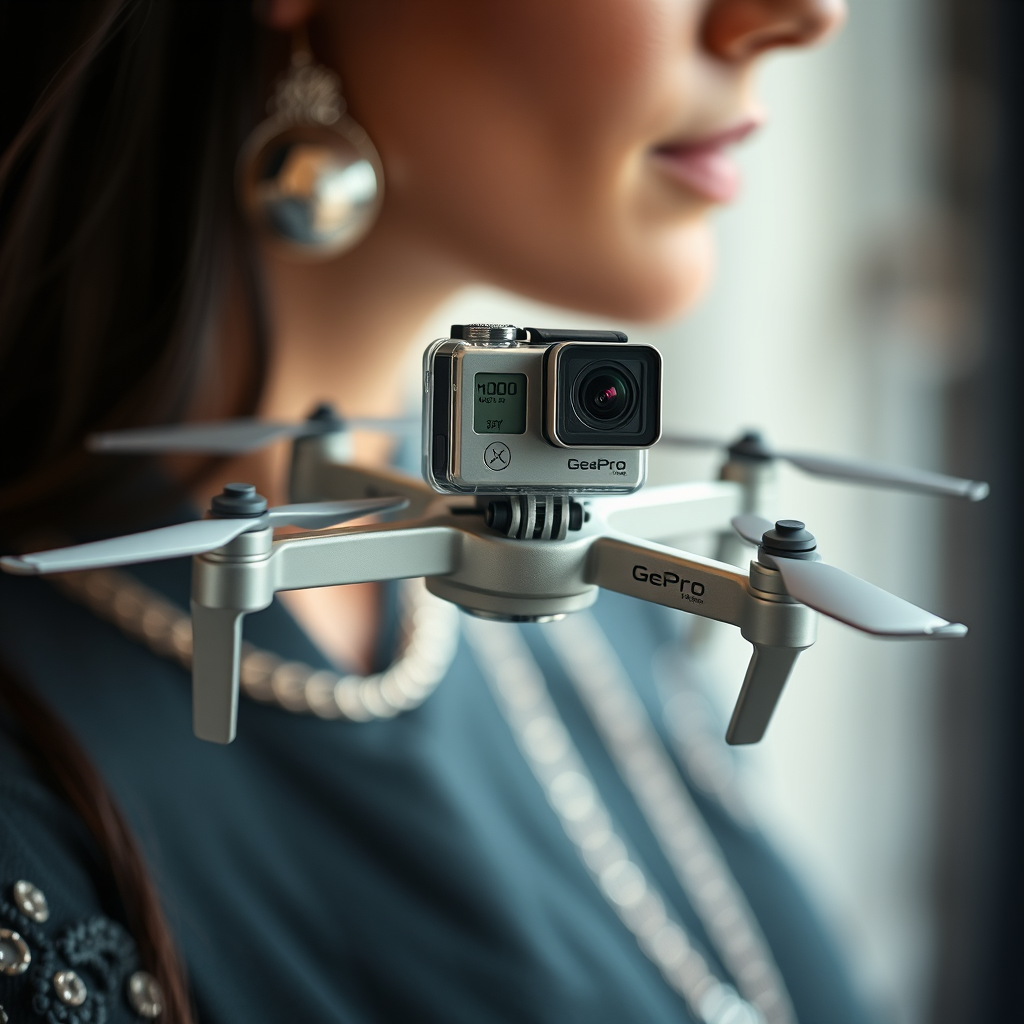
Yes, you can attach a GoPro to a drone, and many drone enthusiasts do so for enhanced aerial photography and videography. However, there are important considerations regarding compatibility, mounting options, and legal regulations that you should keep in mind. Understanding these factors will not only enhance your shooting experience but also ensure that you remain compliant and safe while flying.
Compatibility of GoPro and Drone

When considering attaching a GoPro to your drone, the first step is to assess the compatibility between the two devices. One of the most critical factors is the weight limit of your drone. Most consumer drones have specified payload capacities and exceeding these limits can not only affect flight performance but may make the drone unstable, risking a crash. For instance, if your drone can lift a maximum of 250 grams, but your GoPro model weighs 300 grams, it is essential to reconsider the setup.
Additionally, it is important to verify that your specific GoPro model is suitable for aerial use. While GoPro cameras are generally designed to be lightweight and compact, certain models, such as the GoPro Hero 9 and later, may be slightly heavier due to enhanced features like larger batteries and advanced stabilization technology. Consider the weight and size of your GoPro in relation to your drone’s design, as these factors will directly influence performance and safety.
Mounting Solutions for GoPro

Once you have confirmed that your drone can carry your GoPro, the next step is to explore appropriate mounting solutions. There are various mounting options available, including third-party mounts that are specifically designed for drones. These mounts often come with adjustable straps or brackets that securely hold the GoPro in place without obstructing the drone’s functionality or airflow.
For optimal video quality, consider investing in a gimbal. A gimbal is a stabilizing device that can help reduce vibrations and ensure smoother footage, especially during maneuvers or in windy conditions. Models like the FeiyuTech G6 or the Zhiyun Crane series are popular choices among drone users for stabilizing their GoPros. Utilizing a gimbal can dramatically enhance the quality of your video, making it appear more professional and visually appealing.
Battery Life and Power Management
Attaching a GoPro to your drone will inevitably affect its battery life due to the added weight and power consumption. It is crucial to monitor your drone’s battery levels more closely when flying with a GoPro, as the extra load can lead to shorter flight times. For instance, if your drone typically has a 20-minute flight time without the camera, this may reduce to around 15 minutes or less when carrying a GoPro.
To manage this effectively, plan for additional battery packs or opt for shorter flights when using your GoPro. Some drone enthusiasts recommend carrying at least one extra battery to ensure you can capture all the footage you need without risking a forced landing. Additionally, consider the battery specifications of your GoPro, as recording in higher resolutions or frame rates will drain the battery more quickly. Always check both devices’ batteries before takeoff to avoid interruptions during your flight.
Legal Regulations and Guidelines
Before flying your drone with a GoPro attached, it is vital to familiarize yourself with local drone regulations and guidelines that may apply. Many regions have specific rules regarding aerial photography and videography, especially in populated or sensitive areas. For example, the Federal Aviation Administration (FAA) in the United States imposes regulations requiring drone operators to adhere to certain operational protocols, including maintaining visual line of sight and not exceeding altitude limits.
In addition, some areas may have no-fly zones, especially near airports, government buildings, or schools. Always ensure that you are compliant with these regulations to avoid fines or other legal consequences. It is advisable to check your local laws and any updates regarding drone usage that may impact your filming plans. Being informed not only protects you legally but also promotes responsible drone usage in your community.
Safety Considerations When Flying
Safety should always be a top priority when flying a drone, especially with additional equipment like a GoPro attached. First and foremost, maintain a safe distance from people, animals, and private property to avoid accidents or potential injuries. This is particularly important in crowded areas or regions with many buildings, where losing control of the drone could result in damaging property or causing harm.
Additionally, regularly check your drone’s stability and the secure fit of the GoPro before each flight. Performing a pre-flight inspection can help identify any issues, such as loose mounts or low battery levels, which could compromise the safety and success of your flight. Always fly in clear weather conditions and avoid windy days, as these factors can dramatically affect your control over the drone and, consequently, your ability to capture high-quality footage.
Alternative Options to GoPro
While GoPro cameras are popular among drone users for their exceptional video quality and durability, it is worth exploring alternative options. Some drones come equipped with built-in cameras that may offer similar or even superior quality to that of a GoPro. For example, the DJI Mavic Air 2 features a 48MP camera with 4K video capabilities, potentially eliminating the need for an additional camera altogether.
Additionally, there are other action cameras on the market that may be lighter or more suited for drone use. Brands like Insta360 and DJI have released compact cameras specifically designed for aerial photography, providing users with various options that might better cater to their specific needs. These alternatives can help streamline your setup while still achieving excellent results.
In conclusion, attaching a GoPro to a drone is a feasible option for capturing breathtaking aerial footage, but it requires careful consideration of compatibility, mounting solutions, and legal regulations. Prioritizing safety and understanding the impact on battery life will enhance your experience, whether you are a hobbyist or a professional. By being informed and prepared, you can fully leverage the capabilities of both your GoPro and drone, ensuring a successful aerial photography adventure.
Frequently Asked Questions
Can I attach a GoPro to any drone?
While you can technically attach a GoPro to many drones, not all drones are designed to carry additional payloads. It’s essential to check the drone’s specifications regarding maximum weight limits and compatibility with external cameras. Specialized drones, like those designed for aerial photography, often provide mounting options or support for GoPro cameras, ensuring stable flight and optimal shot quality.
How do I securely mount a GoPro to my drone?
To securely mount a GoPro to your drone, you should use a compatible camera mount or gimbal designed for your specific drone model. Ensure that the mount is firmly attached to the drone and that the GoPro is securely fastened to the mount to prevent vibrations or dislodgment during flight. Additionally, consider using rubber dampers or anti-vibration mounts for improved stability and reduced camera shake.
Why would I want to attach a GoPro to a drone?
Attaching a GoPro to a drone opens up a world of creative possibilities for capturing stunning aerial footage. GoPros are known for their high-quality video and durability, making them ideal for outdoor adventures. Using a drone with a GoPro allows you to achieve unique perspectives and dynamic shots that are impossible to capture from the ground, enhancing your photography or videography projects.
What is the best drone to use with a GoPro?
The best drone for attaching a GoPro largely depends on your needs and budget. Popular choices include the DJI Phantom series and the Yuneec Typhoon, both of which offer stable flight and have compatible mounts. For a more budget-friendly option, consider drones like the Hubsan H501S, but always verify that the drone can handle the GoPro’s weight and that you have the right mount to ensure secure attachment.
Are there any legal restrictions on flying a drone with a GoPro?
Yes, there are legal restrictions when flying a drone with a GoPro, which vary by country and region. In the U.S., the Federal Aviation Administration (FAA) requires that drone operators follow specific regulations, including keeping the drone within visual line of sight, adhering to altitude limits, and obtaining any necessary permits for commercial use. Always check local laws and regulations to ensure compliance before flying your drone with a GoPro attached.
References
- https://en.wikipedia.org/wiki/Drone_photography
- https://www.faa.gov/uas/getting_started/part_107/
- https://www.reuters.com/article/us-usa-drone-photography-idUSKCN1VV2G4
- https://www.techradar.com/news/how-to-use-a-gopro-with-a-drone
- https://www.peta.org/blog/using-gopro-drone-photography/
- https://www.nytimes.com/2016/09/27/technology/go-pro-drones.html
- https://www.wired.com/story/best-drones-for-gopro/
- https://www.theguardian.com/technology/2020/aug/12/drones-and-gopro-cameras-what-you-need-to-know
