
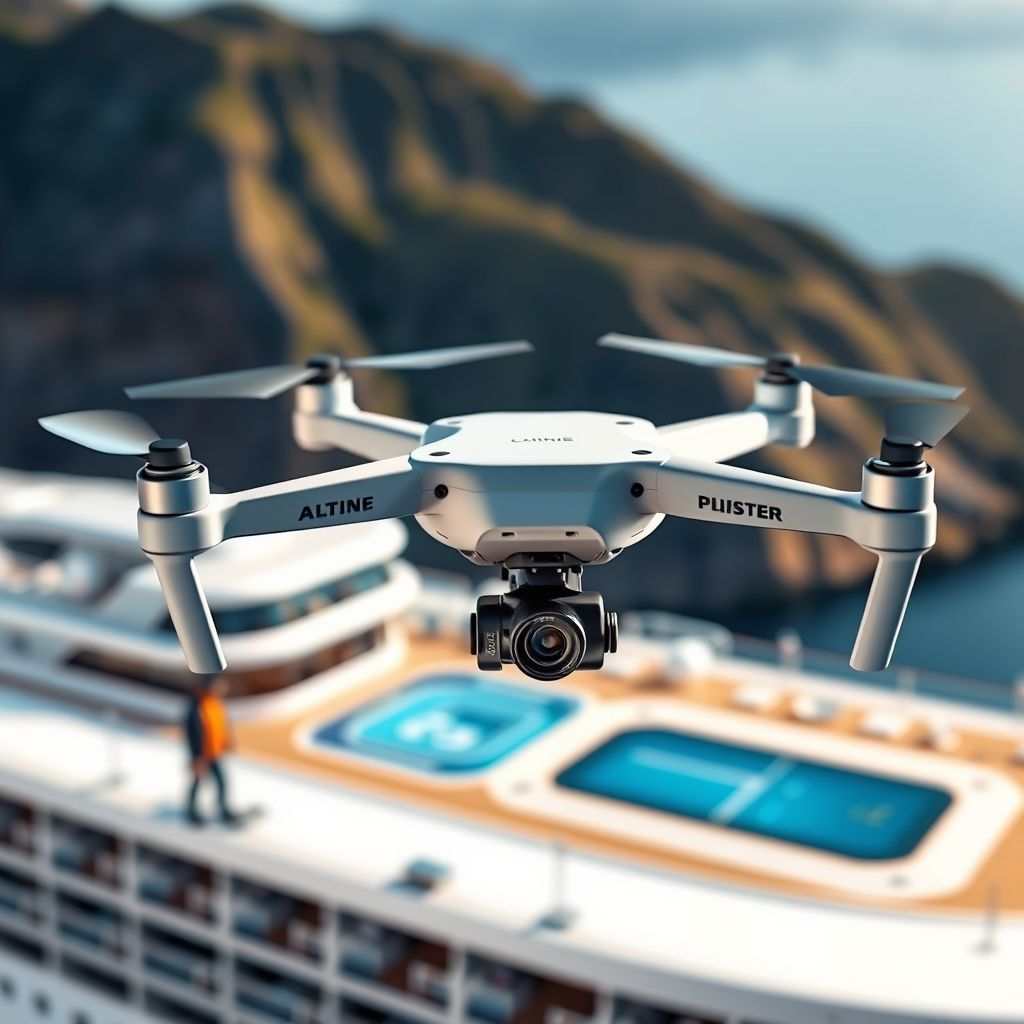
Yes, you can bring a drone on a cruise ship, but there are important regulations and restrictions you need to be aware of. Traveling with a drone can enhance your cruise experience, allowing you to capture breathtaking aerial views of the ocean and ports of call. However, to ensure a smooth experience, it’s crucial to understand the policies of your cruise line, local regulations at your ports of destination, and best practices for safe drone operation. This article will guide you through the key considerations for traveling with your drone on a cruise.
Cruise Line Policies
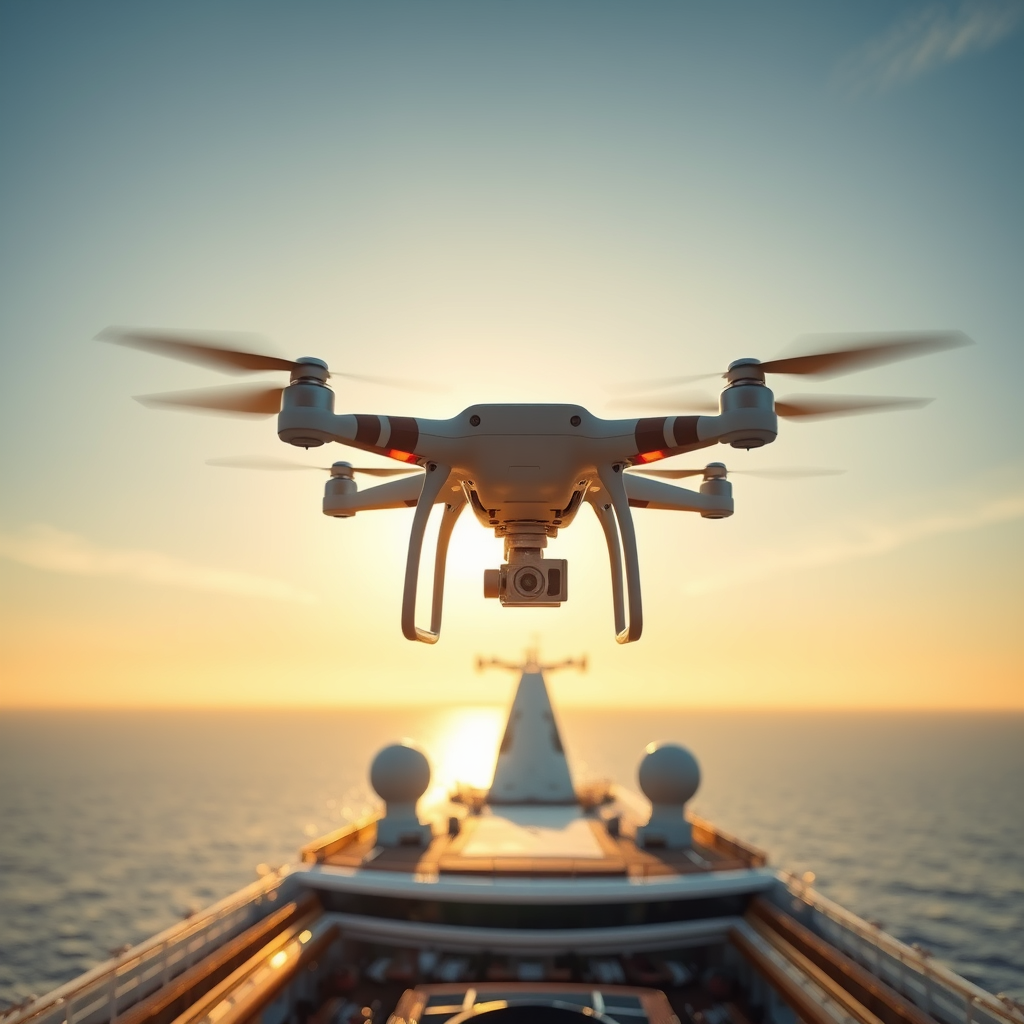
Each cruise line has its own rules regarding drones, so it is vital to check their specific policies before embarking on your trip. Major cruise lines such as Carnival, Royal Caribbean, and Norwegian have established guidelines that outline what is permissible. For instance, Royal Caribbean may allow drones onboard but has strict regulations regarding their usage in certain areas of the ship. Some lines may permit drones in designated areas but prohibit them in cabins, dining venues, or crowded public spaces. Always consult your cruise line’s official website or customer service for the latest information to avoid any surprises during your trip.
Additionally, some cruise lines may require you to register your drone or provide proof of insurance prior to boarding. Being aware of these requirements in advance can save you from potential issues during embarkation. Remember that even if a cruise line permits drones, individual crew members may enforce rules differently, so it’s always best to err on the side of caution.
Port Regulations
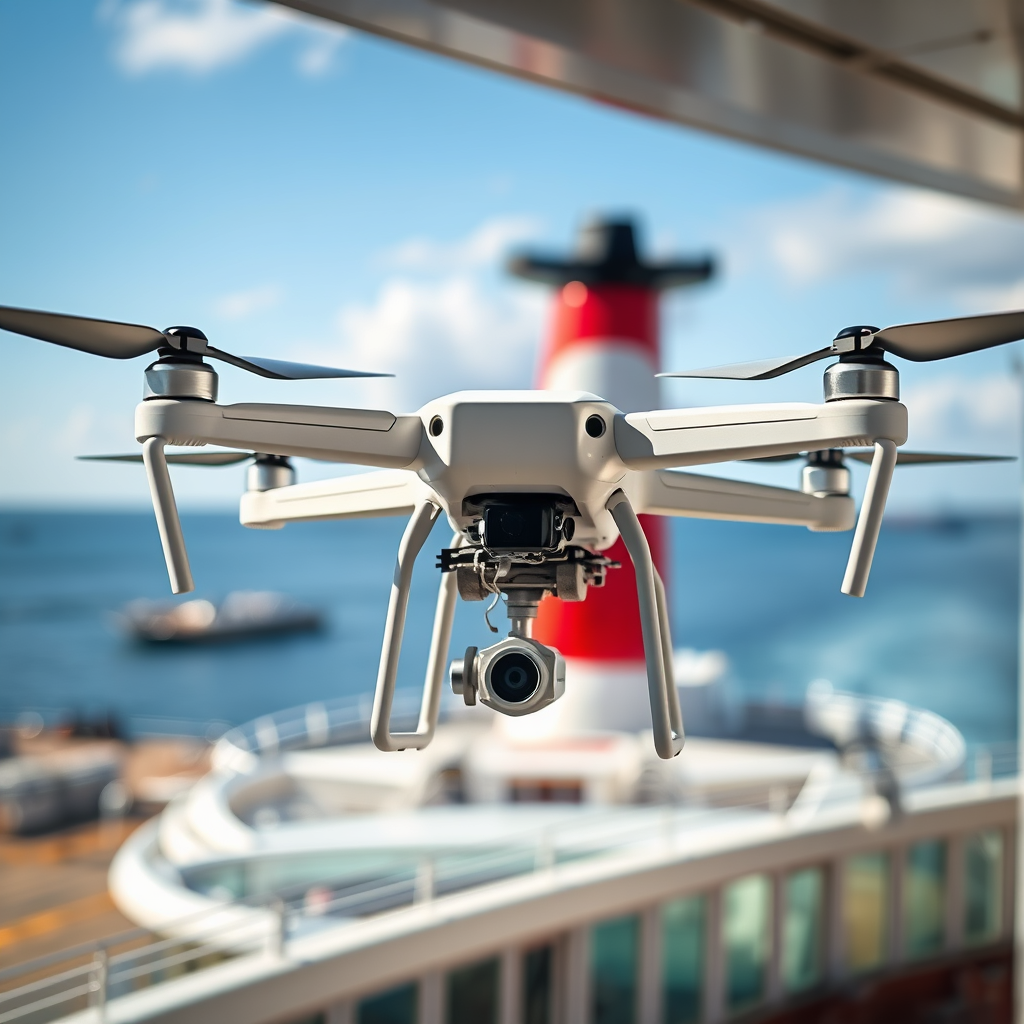
Different ports may have varying regulations regarding drone usage, meaning research into local laws is essential. Many popular cruise destinations, such as the Bahamas and Cozumel, allow drone flying, but specific guidelines and restrictions may apply. For example, certain areas might be designated as no-fly zones due to safety concerns or privacy regulations, particularly around sensitive sites like military installations or government buildings.
Before you set sail, familiarize yourself with the drone regulations of each port you plan to visit. Websites like the Federal Aviation Administration (FAA) for U.S. ports or local aviation authorities for international destinations can provide valuable insights. Failing to adhere to local drone laws can lead to fines or confiscation of your drone, ruining your vacation.
Safety and Security Checks
Be prepared for security checks at embarkation, as drones may need to be inspected by security personnel. Cruise lines typically conduct thorough screenings of luggage and personal items, and drones may be subject to additional scrutiny. To expedite this process, consider packing your drone in an easily accessible compartment of your carry-on luggage. This way, you can present it quickly for inspection and avoid delays.
Moreover, it’s important to follow all safety protocols set forth by both the cruise line and security personnel. Ensure that your drone’s battery is properly stored, as lithium batteries can pose a fire risk. Familiarize yourself with the cruise line’s requirements for battery storage, as these vary between companies. Adhering to these guidelines not only ensures your drone is safe but also minimizes the risk of confiscation.
Insurance and Liability
Consider getting insurance for your drone in case of damage or theft during the cruise. Many standard homeowner’s insurance policies may not cover drones, particularly if they are used for commercial purposes. Look for specialized drone insurance that offers coverage for theft, damage, and liability in case your drone causes harm to others or their property.
Understanding liability issues is also crucial if your drone causes damage while in use. If you are flying your drone in a public space or at a port, you may be held responsible for any accidents or injuries. Therefore, having adequate insurance coverage is not just a safety net; it is an essential part of responsible drone ownership.
Best Practices for Flying Drones
When allowed, fly your drone in open areas away from people and property. This ensures both the safety of individuals nearby and compliance with local regulations. Always check for designated flying zones and follow any posted guidelines. For instance, many cruise lines will allow drone usage in open deck spaces but may prohibit it in crowded areas or during specific activities.
Respect privacy by avoiding flying over restricted areas or private property. This is particularly important at ports of call where local residents may have expectations of privacy. Familiarize yourself with local customs and laws to ensure that your drone activity does not intrude on others’ personal space.
Tips for a Smooth Experience
To ensure a hassle-free experience while traveling with your drone, keep its documentation handy, including registration and insurance. These documents can be crucial during security checks or in the event of any issues with authorities at your ports of call. Additionally, having a printed copy of local regulations can be beneficial if you encounter any questions or concerns from port officials.
Plan your drone flights around your cruise itinerary to maximize opportunities without interfering with your scheduled activities. Consider the best times for flying, such as early morning or late afternoon when the lighting is optimal. Moreover, be sure to factor in any excursions or activities that may limit your time for flying.
In conclusion, while you can bring a drone on a cruise ship, it’s essential to familiarize yourself with the cruise line’s policies, port regulations, and best practices for drone usage. Understanding these key considerations will not only enhance your cruising experience but also ensure that your drone adventures are safe, compliant, and enjoyable. By taking the time to plan and prepare, you can capture stunning aerial footage of your journey, making your cruise memories even more remarkable.
Frequently Asked Questions
Can I bring a drone on a cruise ship?
Yes, you can bring a drone on a cruise ship, but it depends on the cruise line’s specific policies. Most cruise lines allow drones, but they often have restrictions regarding their use onboard and in port destinations. It’s essential to check with your cruise line before your trip to understand their regulations and ensure compliance with local laws at your ports of call.
What are the restrictions for flying a drone while on a cruise?
While aboard a cruise ship, flying a drone is typically prohibited due to safety concerns and regulations set by the cruise line. Additionally, many ports of call have strict laws against drone usage, which can include heavy fines or confiscation. Always research the drone regulations of each destination and consult your cruise line for any specific policies they enforce.
How do I prepare my drone for a cruise?
To prepare your drone for a cruise, first, ensure it is packed securely to prevent damage during travel. Remove any batteries and pack them according to airline regulations, as lithium batteries have specific guidelines. It’s also wise to download any necessary apps and familiarize yourself with local laws and regulations regarding drone use in your intended destinations before you set sail.
Why do some cruise lines prohibit drones?
Many cruise lines prohibit drones due to safety and privacy concerns. Drones can pose risks to passengers and crew, especially in crowded areas, and they may intrude on the privacy of others. Furthermore, compliance with aviation regulations and local laws at ports often leads cruise lines to take a conservative approach towards drone usage to avoid legal complications.
Which cruise lines allow drones on board?
While many cruise lines have varying policies regarding drones, some of the more lenient ones include Royal Caribbean and Norwegian Cruise Line, which generally allow you to bring drones but may restrict their use. Always check the latest guidelines from each cruise line prior to your trip, as policies can change and may vary based on the itinerary and destination.
References
- https://www.cruisemapper.com/faq/faq-can-i-take-my-drone-on-a-cruise-ship-40
- https://www.nytimes.com/2022/07/14/travel/cruise-ship-drones.html
- https://www.cdc.gov/quarantine/cruise/index.html
- https://www.faa.gov/uas/getting_started/
- https://www.ncl.com/us/en/freestyle-cruise/drone-policy
- https://www.cruisecritic.com/articles/faq-drones-on-cruise-ships
- https://www.washingtonpost.com/travel/2021/09/21/cruise-ship-drone-policy/
- https://www.carnival.com/faq/drone-policy
- https://www.vacationstogo.com/cruise_lines/drone_policy.cfm
