
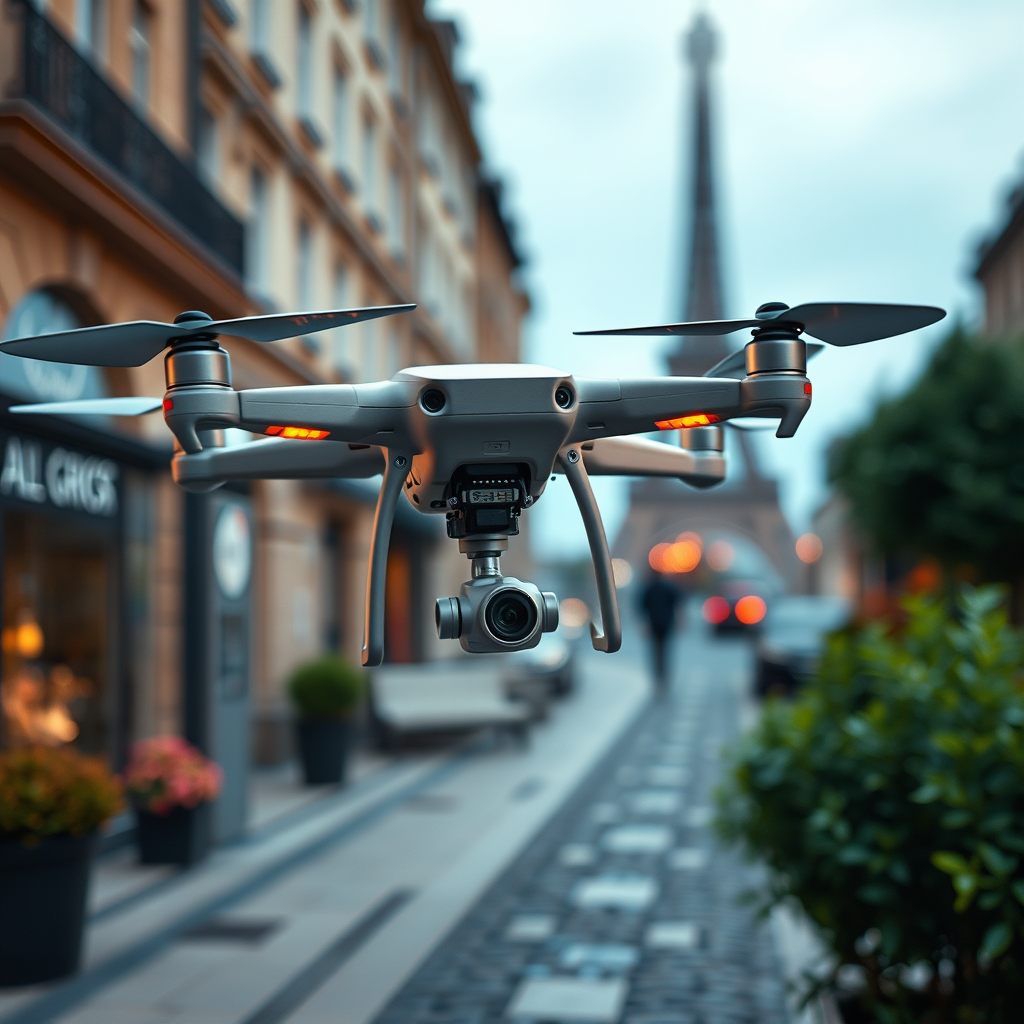
Yes, you can bring a drone to France, but there are specific regulations and restrictions you must follow to ensure compliance with local laws. Understanding these guidelines is crucial for a hassle-free experience while flying your drone in this picturesque country. This article will guide you through the necessary steps and considerations for flying your drone in France, ensuring you can capture stunning aerial views while adhering to legal requirements.
Understanding French Drone Regulations
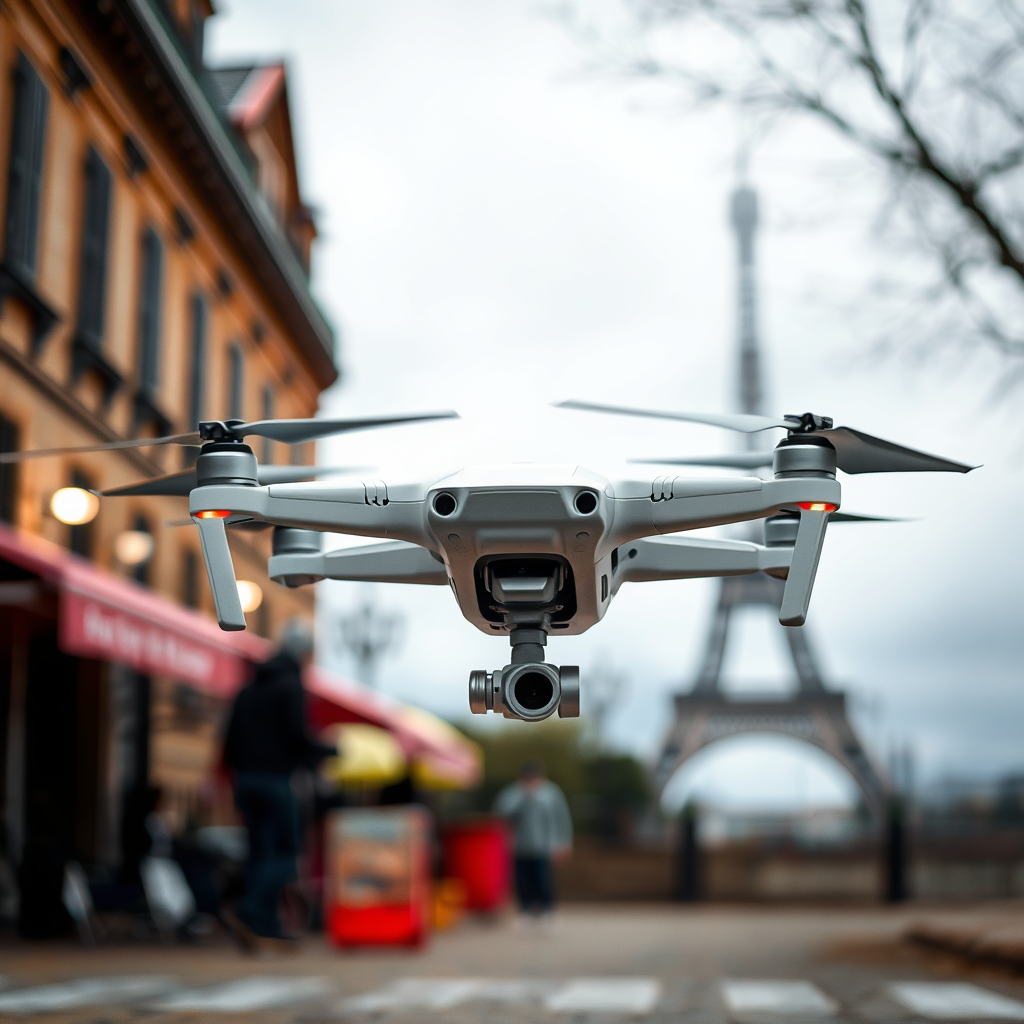
France has established specific rules regarding drone operation, largely governed by the European Union Aviation Safety Agency (EASA). These regulations categorize drone use into two primary types: recreational and commercial. Recreational drone pilots must adhere to certain operational guidelines, such as maintaining visual line of sight and avoiding populated areas. On the other hand, commercial operators must comply with more stringent requirements, including obtaining a specific license and adhering to additional safety measures. Familiarizing yourself with these categories is essential, as they dictate the level of training and certification required for drone operation in France.
Moreover, as of recent updates, drones are classified into three categories based on their weight and intended use—Open, Specific, and Certified. Each category has distinct operational limitations and requirements. For instance, drones under 250 grams may have fewer restrictions than heavier models. The EASA regulations aim to standardize drone operations across Europe, ensuring safety and accountability, making it crucial for you to understand which category your drone falls into before your journey.
Registering Your Drone
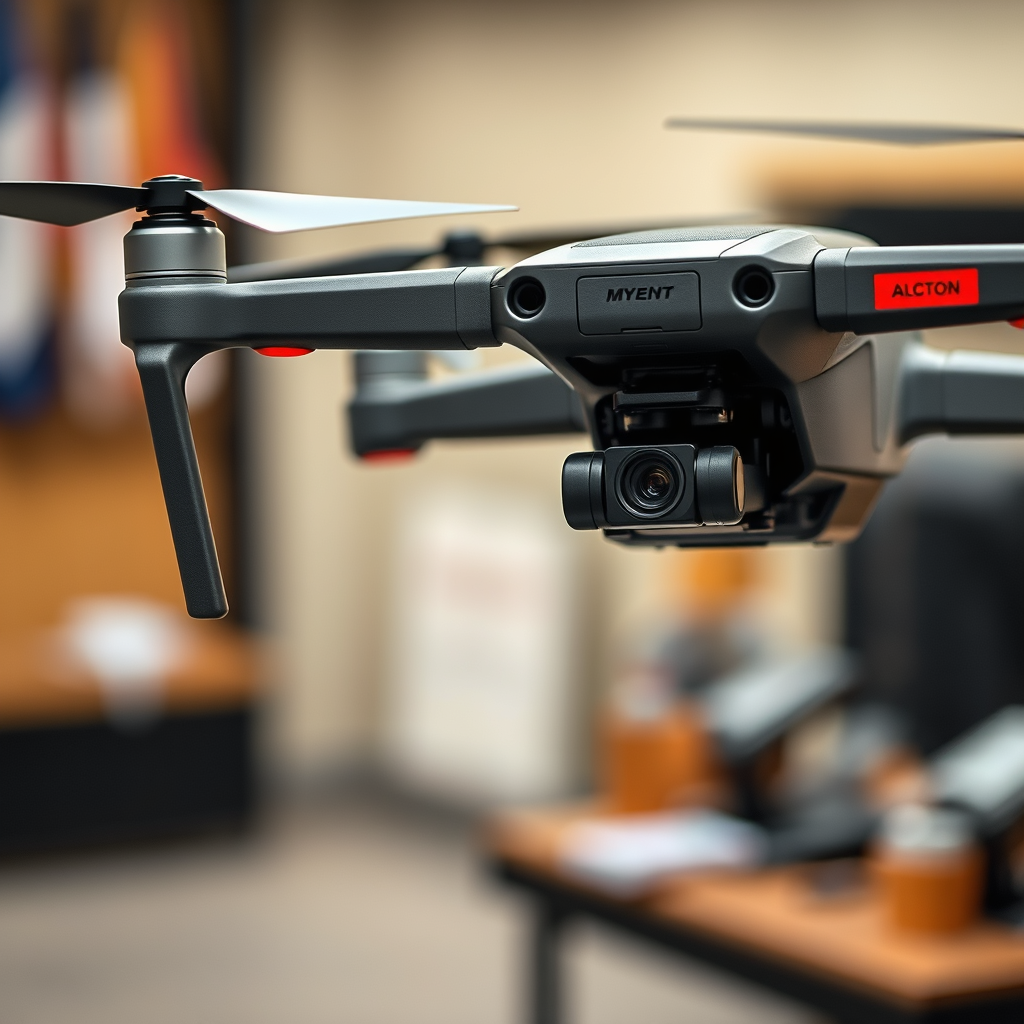
If your drone weighs over 250 grams, you must register it with the French Civil Aviation Authority (DGAC). This registration is a legal requirement aimed at ensuring that drone operators are accountable for their devices and understand the safety regulations associated with flying them. The registration process can be completed online, where you will provide necessary details about your drone, including its make, model, and serial number.
Once registered, you will receive a confirmation that must be kept on hand while operating your drone. This process not only helps you comply with French regulations but also contributes to safer skies by providing authorities with information about drone operators. It is advisable to complete this registration well in advance of your travel to avoid any last-minute issues.
No-Fly Zones and Restricted Areas
Before flying your drone in France, it is essential to familiarize yourself with no-fly zones and restricted areas. These zones include locations near airports, military bases, and significant national landmarks, where drone operations can pose safety and security risks. Notably, places like the Eiffel Tower and the Palace of Versailles have stringent restrictions due to their historical significance and high tourist traffic.
To stay informed, utilize apps or websites that provide updated maps of restricted areas. Tools such as the “Geoportail” and “DroneMapper” can help you identify no-fly zones and ensure you remain compliant with local regulations. Ignoring these restrictions can lead to hefty fines or, in severe cases, criminal charges, so thorough pre-flight planning is imperative.
Insurance Requirements
While liability insurance is not mandatory for recreational drone users in France, it is highly recommended. Having insurance can protect you from financial liability in case of accidents or property damage caused by your drone. This protection can be invaluable, especially in busy urban areas where the risk of incidents may be higher.
For commercial drone operators, the requirements are more stringent. You may be required to have specific insurance coverage that meets the standards set forth by the DGAC. It is advisable to consult with a professional insurance provider experienced in drone insurance to ensure that you have adequate coverage for your needs.
Drone Weight and Specifications
Adhering to the weight regulations set by French authorities is crucial for drone safety and compliance. Drones weighing over 250 grams must comply with specific operational rules, while those under this weight may have fewer restrictions. It is essential to ensure that your drone not only meets these weight limits but also includes necessary safety features such as geo-fencing capabilities and altitude limits.
Geo-fencing is particularly important, as it prevents your drone from entering restricted airspace inadvertently. Many modern drones come equipped with these safety features, but if yours does not, consider upgrading or modifying it to enhance safety and compliance during your flights.
Local Laws and Etiquette
When flying a drone in France, it is vital to respect local privacy laws and cultural norms. France has strict privacy regulations, particularly regarding capturing images of individuals without their consent. This means that flying your drone in populated areas or private property may lead to legal repercussions if you inadvertently capture footage of people in private settings.
In addition to privacy laws, different regions in France may impose unique restrictions on drone use. Before flying, check local ordinances and guidelines to ensure compliance with any additional rules that may apply in specific locations. Engaging with local drone enthusiasts or communities can also provide valuable insights into the best practices and regulations in the area.
Tips for a Smooth Experience
To ensure a smooth drone flying experience in France, consider learning a few basic French phrases. Being able to communicate with local authorities can be beneficial if you encounter any issues while flying. Always carry your drone’s registration and insurance documents while operating it, as you may be required to present these to authorities.
Additionally, plan your flights during times when drone activity is lower, such as early mornings or weekdays, to minimize conflicts with other air traffic or crowds. Respecting the environment and other people’s space can enhance your experience and the perception of drone users in general.
In conclusion, bringing a drone to France is possible, but adherence to various regulations and guidelines is essential for a safe and legal flying experience. By understanding French drone regulations, registering your drone, familiarizing yourself with no-fly zones, and respecting local laws and etiquette, you can enjoy capturing remarkable views of France’s breathtaking landscapes and landmarks. Preparing ahead of time will allow you to focus on what truly matters—creating unforgettable memories while exploring this beautiful country.
Frequently Asked Questions
Can I bring a drone to France for recreational use?
Yes, you can bring a drone to France for recreational use, but there are specific regulations you must follow. To fly your drone legally, you need to register it if it weighs more than 800 grams and adhere to the French Civil Aviation Authority’s guidelines, which include respecting no-fly zones, altitude limits, and privacy laws. Always check the local drone regulations in the area where you plan to fly to ensure compliance.
What are the drone regulations in France for tourists?
Drone regulations in France for tourists require that all drone operators adhere to the European Union’s drone laws, which include registering drones over 250 grams and obtaining a ‘drone pilot’ certificate if flying in specific categories. Additionally, you must avoid flying in restricted areas such as near airports, military zones, and urban areas unless you have permission. Familiarize yourself with the French airspace and local regulations before flying to ensure a safe and legal experience.
How do I register my drone in France?
To register your drone in France, you must visit the official website of the French Civil Aviation Authority (DGAC) and complete the online registration process. This involves providing details about your drone, including its weight and model, and obtaining a unique identifier that must be displayed on your drone. Registration is mandatory for drones that weigh over 800 grams and must be completed before you can legally operate your drone in French airspace.
Why are there restrictions on flying drones in France?
Restrictions on flying drones in France are primarily in place to ensure air safety, protect public privacy, and preserve the environment. The high density of urban areas, historical landmarks, and natural reserves necessitates stringent regulations to prevent potential accidents and disturbances. Understanding and respecting these restrictions is crucial for safe flying and to avoid legal consequences while enjoying your aerial photography or recreational flying in France.
What are the best places to fly a drone in France?
Some of the best places to fly a drone in France include the stunning landscapes of the French Alps, the picturesque vineyards of Bordeaux, and the beautiful beaches of the French Riviera. However, it’s essential to ensure that these locations do not fall under any restricted airspace, such as near airports or military installations. Always check local guidelines and consider obtaining permission if you wish to fly in sensitive or popular tourist areas to capture breathtaking aerial views legally.
References
- https://www.gouvernement.fr/en/drone-regulations-in-france
- https://www.faa.gov/uas/getting_started/where_to_fly/
- https://www.easa.europa.eu/the-agency/careers/drones
- https://www.cnbc.com/2020/07/07/everything-you-need-to-know-about-flying-drones-in-france.html
- https://www.legifrance.gouv.fr/affichTexte.do?cidTexte=LEGITEXT000036819398
- https://www.wired.com/story/drone-regulations-france/
- https://www.nytimes.com/2021/02/12/world/europe/drone-france-regulations.html
- https://www.droneii.com/drone-regulations-in-france
