
Yes, you can bring your DJI drone on a plane, but there are important regulations and guidelines to follow. As the popularity of drones continues to rise among travelers and aerial enthusiasts, it is essential to understand the specific rules and regulations set by airlines and countries regarding drone transport. Failing to comply with these regulations can lead to confiscation of your equipment or fines at your destination. This guide will help you navigate the complexities of traveling with your DJI drone, ensuring a smooth journey from departure to arrival.
Understanding Airline Regulations
Before you pack your drone, it is crucial to familiarize yourself with the policies of the airline you will be flying with. Each airline has its own set of rules regarding the transportation of drones, and these can vary significantly. For instance, while some airlines allow drones in carry-on luggage, others may impose restrictions on their size or weight. Checking the airline’s website or contacting customer service can provide clarity on their specific regulations.
Generally, drones are permitted in carry-on luggage, which is advisable since checked baggage may be subjected to rough handling and potential damage. Additionally, certain airlines may impose restrictions on lithium batteries, which are commonly used in drones. For example, many airlines restrict the number of batteries you can carry, so it’s essential to verify these limits prior to your travel.
TSA Guidelines for Drones
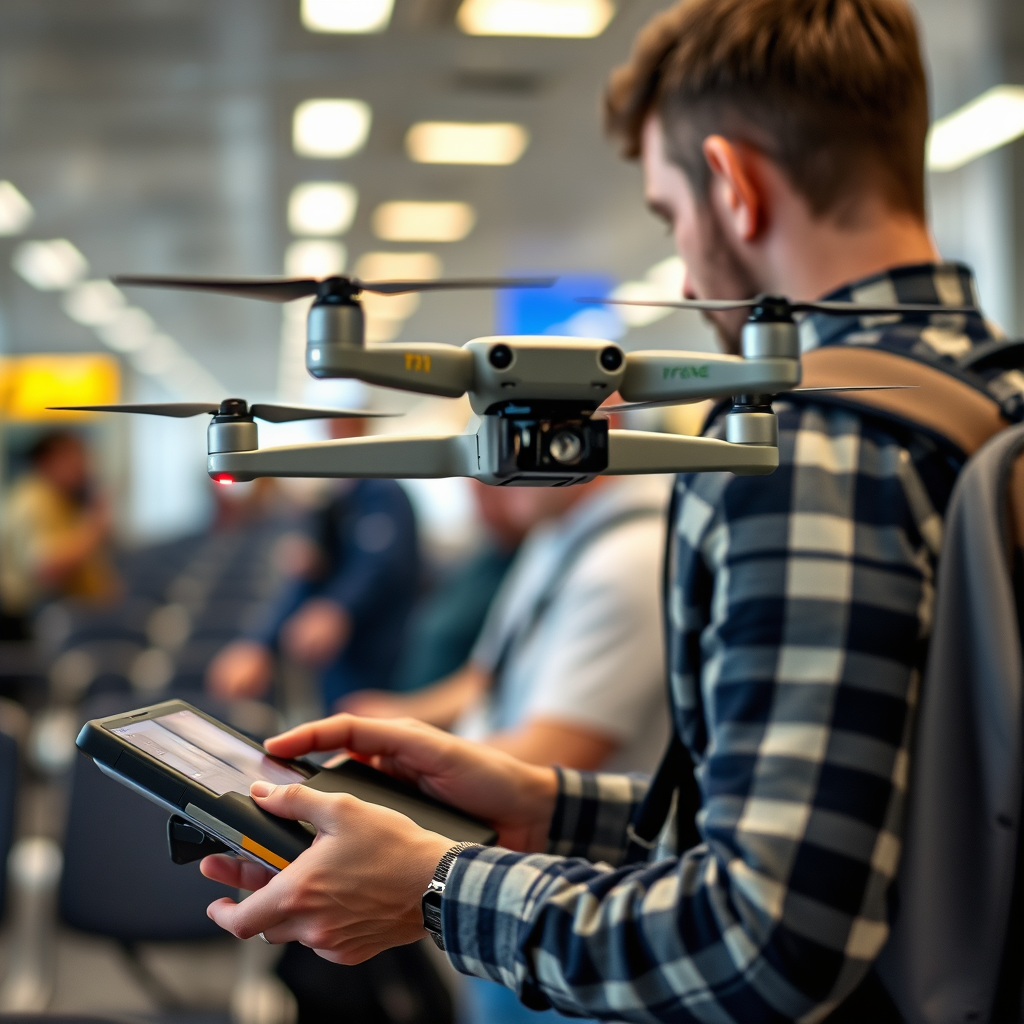
In the United States, the Transportation Security Administration (TSA) plays a pivotal role in regulating the transport of drones. According to TSA guidelines, you are allowed to bring your drone in your carry-on bag; however, you must remove it from your bag for separate screening at security checkpoints. This is similar to the protocol for electronics like laptops and tablets.
One of the primary concerns when traveling with drones is the lithium batteries that power them. The TSA has specific watt-hour limits for lithium batteries, typically restricting them to those under 100Wh for carry-on luggage. If your drone’s battery exceeds this limit, you may be required to leave it behind. It’s advisable to check the watt-hour rating of your batteries before you travel, ensuring compliance with TSA regulations.
International Travel Considerations
When traveling internationally with your DJI drone, you must be mindful of the regulations of the countries you will be visiting. Different countries have varied laws regarding the entry and use of drones, which can impact your travel plans significantly. For example, some countries may require you to register your drone or obtain a permit prior to flying. Researching the local drone regulations of your destination is vital to avoid issues upon arrival.
In some regions, such as parts of Europe and Asia, stringent rules exist regarding drone flying, including altitude restrictions and designated no-fly zones. Additionally, some countries may prohibit the importation of drones altogether, especially if they are equipped with certain technologies. Always perform thorough research before your trip to ensure you have the necessary documentation or permissions to fly your drone legally.
Packing Your Drone for Travel
Proper packing is essential for protecting your DJI drone during transit. Using a high-quality, protective carrying case specifically designed for drones can minimize the risk of damage. Look for cases that provide adequate cushioning and compartmentalization for the drone, remote controllers, and batteries. This will not only protect your equipment but also make it easier to handle during security checks.
Ensure that all components of your drone are securely packed. Loose parts can become damaged or misplaced during travel. Additionally, consider removing the propellers and packing them separately to prevent breakage. Utilizing foam inserts or custom-cut padding can further safeguard your drone from shocks and impacts.
What to Do at Security Checkpoints
Navigating security checkpoints with a drone requires preparation and patience. Be ready to explain your drone and its components to security personnel, as they may be unfamiliar with the equipment. It is advisable to keep the drone accessible in your carry-on bag, as you will likely need to remove it for screening.
Follow the instructions provided by airport security staff. In some cases, they may ask you to power on your drone during screening to verify that it is a functioning device. Cooperation with security personnel can expedite the process and ensure a smoother experience. Additionally, be aware that security regulations may vary between airports, so flexibility and readiness are key.
Tips for Flying Your Drone at the Destination
Once you arrive at your destination, it is crucial to familiarize yourself with the local drone flying regulations to avoid fines or the confiscation of your equipment. Each region may have its own set of rules regarding where drones can be flown, and violating these regulations can result in severe penalties. For instance, flying near airports, military installations, or within national parks may be strictly prohibited.
Before launching your drone, consult local aviation authorities or credible drone community forums for updated information on flying conditions and restrictions. Many countries offer mobile apps or websites that provide real-time data on no-fly zones and other relevant regulations. Being informed can enhance your flying experience and help you enjoy the beauty of aerial photography responsibly.
In conclusion, bringing your DJI drone on a plane is feasible, but it requires careful preparation and understanding of regulations. By being proactive in researching airline policies, TSA guidelines, and international laws, you can ensure a hassle-free journey with your drone. Remember to pack your equipment carefully and always check local regulations at your destination. With the right preparation, you can capture stunning aerial footage and create lasting memories during your travels. Happy flying!
Frequently Asked Questions
Can I bring my DJI drone on a plane as carry-on luggage?
Yes, you can bring your DJI drone on a plane, typically as carry-on luggage. Most airlines allow passengers to carry drones, provided that the drone and its batteries comply with the airline’s size and weight restrictions. It’s essential to check with your specific airline beforehand, as regulations can vary, and some may have restrictions on lithium batteries, which are commonly used in drones.
What are the regulations for bringing a DJI drone on an international flight?
When traveling internationally with a DJI drone, you must adhere to the regulations of both your departure and destination countries. Some countries have strict rules regarding drone use, including registration, permits, or even prohibitions on drone flights. Always research local laws and regulations to ensure compliance and avoid potential fines or confiscation of your drone at customs.
How should I pack my DJI drone for air travel?
To pack your DJI drone for air travel, use a sturdy, padded case specifically designed for drones to ensure protection against impact. Remove the propellers and store them separately to prevent damage, and ensure that all batteries are either in your carry-on luggage or packed according to airline regulations. Additionally, keep all necessary documentation, such as purchase receipts and registration, handy in case security personnel request verification.
Why do airlines have restrictions on drone batteries?
Airlines impose restrictions on drone batteries primarily due to safety concerns, as lithium batteries can pose a fire risk if damaged or improperly handled. Most airlines limit the watt-hour (Wh) rating of batteries that can be carried on board, typically allowing batteries under 100Wh in carry-on luggage. Understanding these restrictions is crucial for travelers to avoid delays or confiscation at the airport.
Which DJI drones are allowed on planes?
Most DJI drones, including popular models like the DJI Mavic series and DJI Phantom series, are allowed on planes, provided they meet size and battery restrictions. However, it’s important to verify the specific model’s weight and battery capacity against your airline’s guidelines. Always check the airline’s policy for any special requirements or prohibitions regarding specific drone models before you travel.
References
- https://www.faa.gov/uas/travel
- https://www.dji.com/newsroom/news/dji-drone-flying-regulations
- https://www.tsa.gov/travel/security-screening/whatcanibring/items/drone
- https://www.wired.com/story/flying-with-drones-what-to-know/
- https://www.reuters.com/business/aerospace-defense/faa-says-you-can-bring-your-drone-on-plane-but-theres-catch-2021-10-08/
- https://www.wikihow.com/Travel-with-a-Drone
- https://www.npr.org/2021/06/11/1004907303/what-to-know-about-flying-with-drones
