
Yes, you can bring your drone on a plane, but there are specific regulations and guidelines you need to follow. Understanding airline policies, TSA regulations, and local laws will ensure a smooth travel experience with your drone. With the increasing popularity of drones for personal and professional use, it’s essential to be well-informed before you embark on your journey. This guide will provide you with comprehensive insights into how to transport your drone safely and legally when flying.
Understanding Airline Policies
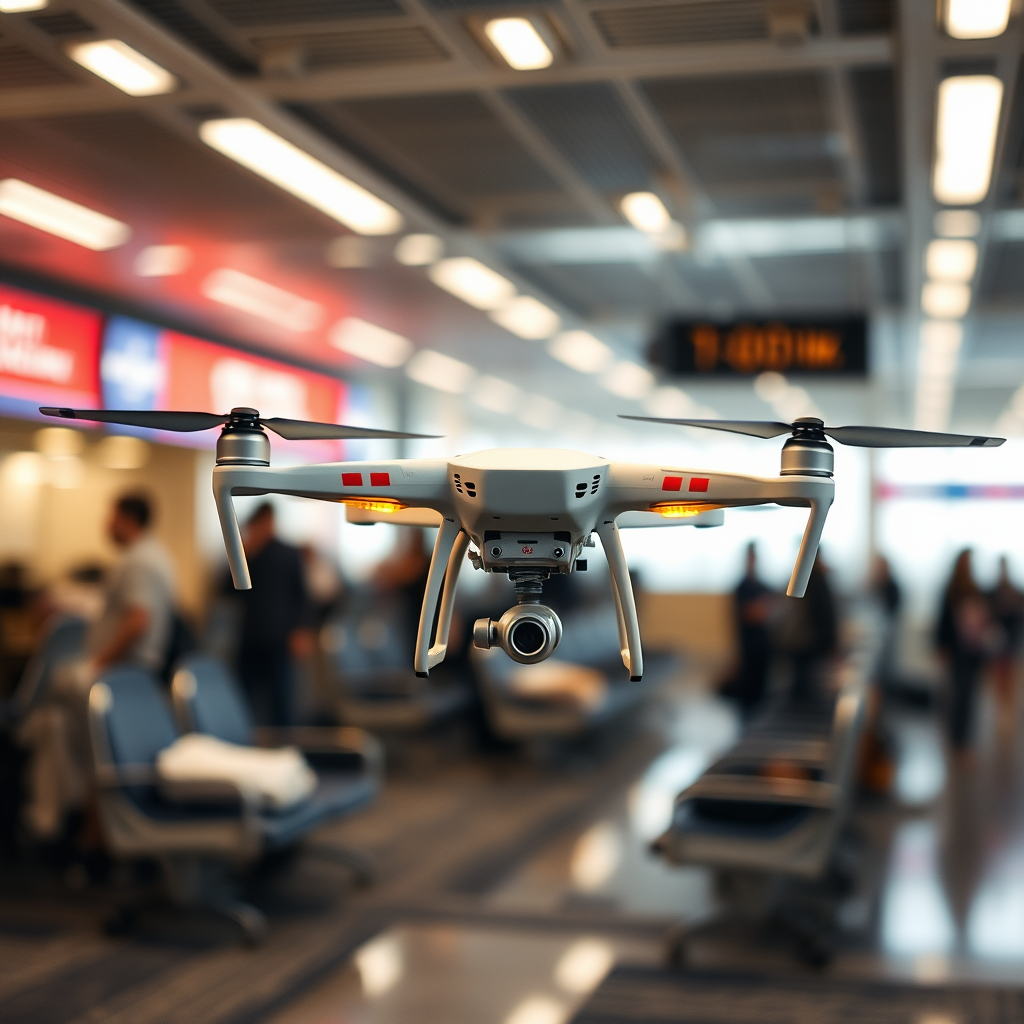
Transporting your drone by air requires careful consideration of individual airline policies. Each airline has its own rules regarding the transportation of drones, which can vary significantly. For example, some airlines may allow drones to be carried in the cabin as part of your carry-on luggage, while others may require them to be checked.
Before you travel, always check the specific airline’s website for their policies regarding drones. Additionally, pay close attention to size and weight restrictions for both carry-on and checked luggage. Many airlines adhere to standard carry-on dimensions, which typically range from 22 x 14 x 9 inches, but larger drones may exceed these limits. If your drone is particularly large or heavy, you may need to check it, which could incur additional fees. It’s also a good idea to contact customer service for clarification on any restrictions concerning the drone’s battery, as these can sometimes lead to complications during boarding.
TSA Regulations for Drones
The Transportation Security Administration (TSA) has established guidelines that permit the transport of drones in carry-on bags. This means that you can bring your drone onboard as long as it meets the size requirements set by your airline. However, there are crucial considerations regarding the drone’s battery.
Drones typically use lithium-ion batteries, which can pose a fire risk if not handled correctly. The TSA limits the size of lithium-ion batteries allowed in carry-on baggage to a maximum of 100 watt-hours (Wh) without requiring special permissions. Batteries exceeding this capacity must be approved by the airline and may need to be transported in checked luggage. Therefore, ensure your drone’s battery complies with the Federal Aviation Administration (FAA) guidelines to avoid any issues at the security checkpoint. When packing your drone, keep the batteries in their original packaging or a protective case to minimize the risk of short-circuiting.
Packing Your Drone for Travel
Properly packing your drone is vital to ensure its safety and functionality upon arrival at your destination. Using a well-padded case specifically designed for drone transport can protect it from impact during transit. Many manufacturers offer custom carrying cases that provide ample padding and compartments for your drone, remote control, and accessories.
When preparing your drone for travel, it is advisable to remove the propellers and any accessories that could be damaged or dislodged during travel. This not only protects these components but also reduces the overall size of the drone, making it easier to fit into your luggage. Additionally, consider labeling your drone case clearly to prevent confusion during security checks and baggage handling.
International Travel Considerations
If you plan to travel internationally with your drone, research the drone laws of your destination country thoroughly. Different countries have varying regulations regarding drone use, which may include restrictions on where you can fly, altitude limits, and whether you need permits or licenses.
For instance, countries like Canada and Australia have specific guidelines for drone operation that travelers must follow. In some countries, such as Japan and the United Kingdom, it is mandatory to register your drone and obtain a permit before flying. Failure to comply with local regulations can result in fines or confiscation of your equipment. Therefore, before you travel, ensure you familiarize yourself with the laws of your intended destination and, if necessary, apply for any required permits well in advance.
Security Screening Process
Navigating the security screening process with a drone can be straightforward if you are prepared. Be aware that you will likely need to remove your drone from your bag during security checks, similar to how you would treat a laptop or other large electronic devices.
Inform security personnel that you are carrying a drone, as this can help avoid misunderstandings and expedite the screening process. Additionally, be prepared for your drone and its components to undergo additional screening if deemed necessary. Keeping your drone easily accessible in your carry-on luggage can facilitate a smoother experience.
Flying Drones at Your Destination
Once you have arrived at your destination, it is crucial to familiarize yourself with the local regulations governing drone flight. Many places have designated no-fly zones, such as near airports, military installations, or populated urban environments. Failure to adhere to these regulations can lead to significant legal repercussions, including fines or confiscation of your drone.
Moreover, some countries may require you to obtain permits or register your drone before takeoff. For instance, in the European Union, drone operators must adhere to strict regulations set forth by the European Union Aviation Safety Agency (EASA). Researching these regulations in advance and ensuring compliance will allow you to enjoy a worry-free flying experience.
In addition to legal considerations, it’s advisable to connect with local drone communities or forums to get insights on popular flying spots, best practices, and any unique challenges that may arise in the area.
In conclusion, bringing your drone on a plane is possible, but it requires careful planning and adherence to regulations. Understanding airline policies, adhering to TSA regulations, packing your drone securely, and being aware of international laws are crucial steps to ensure a hassle-free journey. Always check with your airline and local laws to stay informed and compliant. By taking these precautions, you can enjoy capturing stunning aerial footage and experiences wherever your travels take you. Happy flying!
Frequently Asked Questions
Can I bring my drone on a plane as carry-on luggage?
Yes, you can bring your drone as carry-on luggage on most commercial airlines, but it’s important to check the specific airline’s policies beforehand. Most airlines allow drones in carry-on bags, provided they meet the size and weight restrictions. Make sure to remove the battery and pack it separately, as lithium batteries have specific regulations for air travel.
What are the regulations for flying drones in different countries?
Drone regulations vary significantly from one country to another, so it’s crucial to research the local laws of your destination before traveling. Many countries require drone registration, specific permits, or adherence to flight restrictions, especially in urban areas or near airports. Websites like the International Civil Aviation Organization (ICAO) and local aviation authorities are great resources for understanding these regulations.
How do I pack my drone for air travel?
To pack your drone safely for air travel, use a dedicated drone travel case that provides cushioning and protection against impacts. Detach propellers and secure any loose parts to prevent them from getting damaged. Additionally, ensure that the drone’s battery is fully discharged to comply with airline regulations regarding lithium batteries, and always carry batteries in your carry-on luggage.
Why do airlines have restrictions on drone batteries?
Airlines impose restrictions on drone batteries primarily due to safety concerns associated with lithium-ion batteries, which can pose fire hazards if damaged or improperly handled. The International Air Transport Association (IATA) guidelines limit the watt-hour rating of batteries that can be transported. Typically, batteries under 100 watt-hours are allowed in carry-on luggage, while those over this limit may require special handling or may be prohibited altogether.
What should I do if my drone gets damaged during air travel?
If your drone gets damaged during air travel, you should report the issue to the airline immediately upon discovering the damage. Document the condition of your drone with photos and gather any receipts or proof of purchase, as this will be helpful for any claims. Most airlines have specific procedures for handling damaged luggage or items, so it’s essential to follow their instructions to seek compensation or repairs.
References
- https://www.faa.gov/uas/travel/
- https://www.tsa.gov/travel/security-screening/whatcanibring/items/drone
- https://www.wired.com/story/take-drone-airplane-know-before-you-fly/
- https://www.npr.org/2021/06/07/1003139826/faa-drone-rules
- https://en.wikipedia.org/wiki/Drone#Transportation_regulations
- https://www.travelandleisure.com/travel-tips/what-to-know-about-flying-with-a-drone
- https://www.nyc.gov/assets/nyc.gov/downloads/pdf/aviation/drone_faq.pdf
