
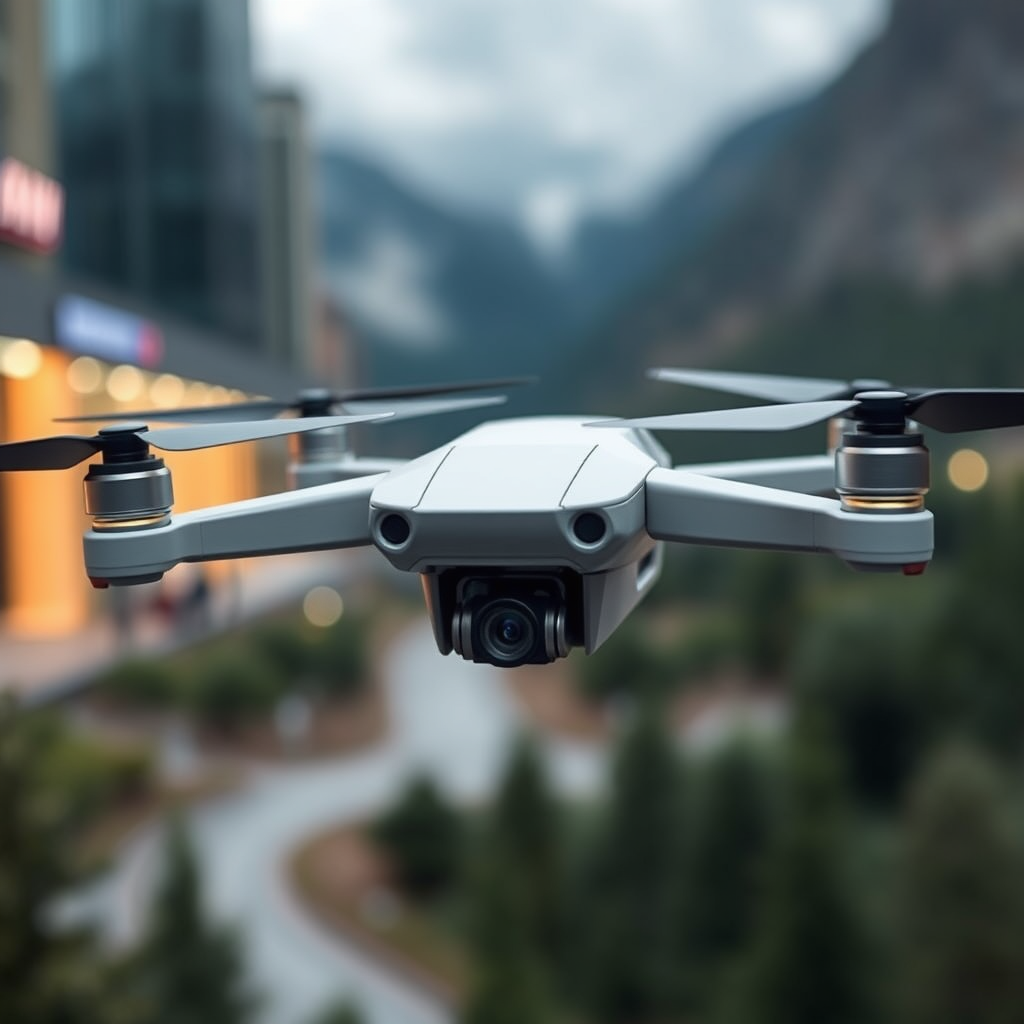
Yes, you can bring your drone to Canada, but there are specific regulations and guidelines you must follow. Understanding these rules can help ensure a smooth entry and enjoyable flying experience in Canadian airspace. Canada places a strong emphasis on safety and compliance, so being informed about the necessary requirements is crucial for both travelers and drone enthusiasts.
Understanding Canadian Drone Regulations
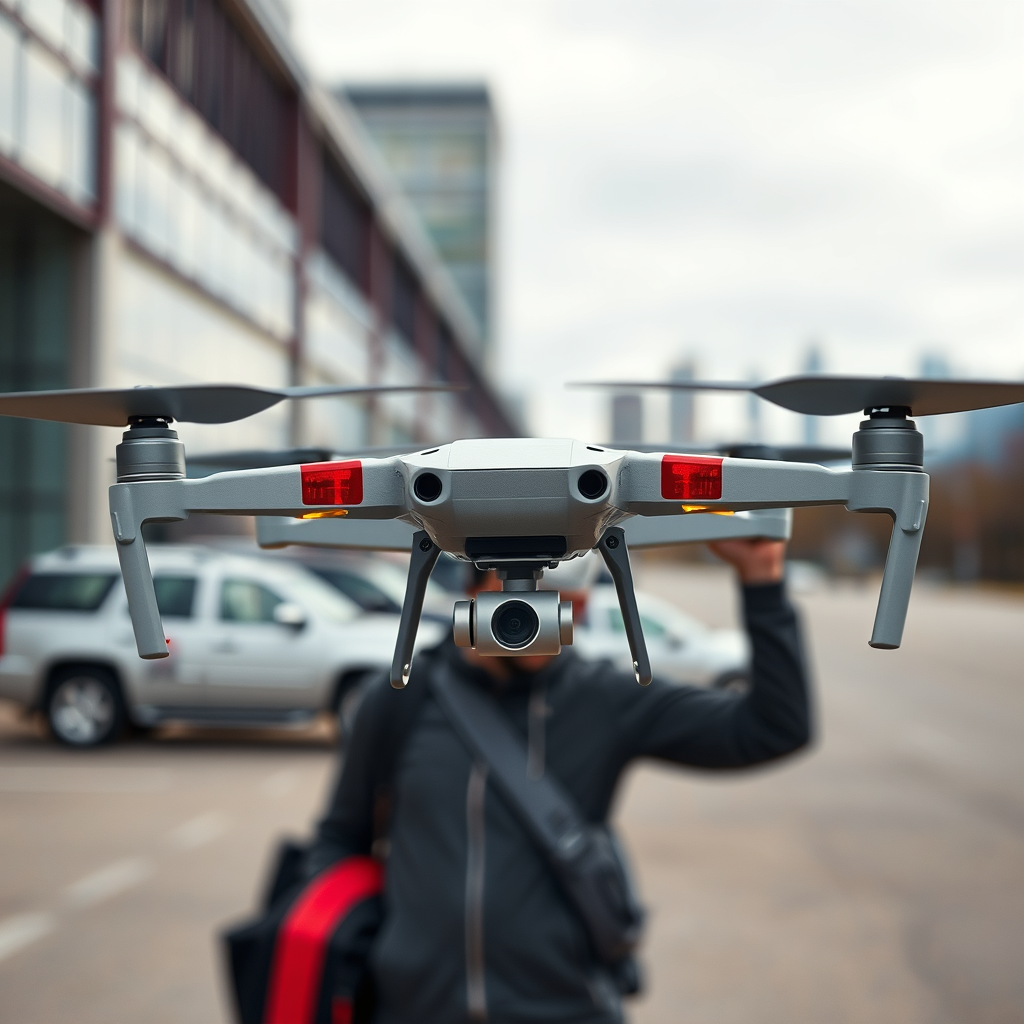
Canada has specific laws governing the use of drones, which are outlined by Transport Canada. The regulations are designed to promote safety in the skies and minimize the risks associated with drone operations. Drones are categorized based on their weight and intended use, which determines the applicable regulations.
Drones weighing over 250 grams (approximately 0.55 pounds) fall under a more stringent set of rules. These regulations are part of Canada’s ongoing effort to integrate drones safely into the national airspace system. For instance, operators must ensure that their drones comply with the Canadian Aviation Regulations (CARs), which include provisions for safe operation and maintenance. Familiarizing yourself with these regulations is essential for any drone pilot looking to fly in Canada.
Registration and Certification Requirements

All drones over 250 grams must be registered before you fly. The registration process is straightforward and can be completed online through the Transport Canada website. Once registered, you will receive a unique registration number that must be displayed on your drone.
In addition to registration, pilots must obtain either a Basic or Advanced Pilot Certificate, depending on the intended use of the drone. The Basic Pilot Certificate is sufficient for most recreational users, while the Advanced Pilot Certificate is required for commercial operations or flying in more complex environments, such as near populated areas or controlled airspace. To obtain either certificate, pilots must pass an online exam that tests their knowledge of airspace rules, operational safety, and emergency procedures.
Importing Your Drone into Canada
When importing your drone into Canada, it is crucial to ensure that your device complies with Canadian safety standards. This includes verifying that your drone meets the requirements set by Transport Canada, which may involve checking for specific features or certifications related to its design and manufacturing.
Upon entry, customs officials may ask for proof of purchase and compliance with regulations, such as the drone’s registration number. It’s advisable to carry all relevant documentation, including the drone’s manual and your pilot certification, to facilitate the customs process. Furthermore, be aware that some regions may have additional restrictions or requirements, so doing thorough research before your trip can save you time and potential complications.
Flying Your Drone in Canada
Flying your drone in Canada requires adherence to specific operational guidelines to ensure safety and compliance. One of the first steps is to familiarize yourself with no-fly zones, which are critical areas where drone flights are restricted or prohibited. These zones typically include locations near airports, military bases, and populated areas. The Canadian government has made it easier for drone operators to identify these zones through various online resources and mobile applications, such as the Drone Safety App.
Additionally, it is essential to always maintain a visual line of sight with your drone while flying. This means you should be able to see your drone at all times without the aid of binoculars or other visual enhancement devices. Maintaining visual contact allows for better control and situational awareness, significantly reducing the risk of accidents or incidents. Operators should also be aware of weather conditions and avoid flying in adverse weather, such as heavy rain or strong winds.
Insurance and Liability Considerations
When operating a drone in Canada, it’s advisable to consider obtaining liability insurance to protect yourself from potential damages or accidents. Drone insurance can cover various liabilities, such as property damage and bodily injury, providing peace of mind while flying.
Certain provinces in Canada may have additional insurance requirements for drone operators. For example, in British Columbia, drone operators may be required to have specific insurance coverage if they are flying commercially. Additionally, commercial drone operators should ensure their insurance includes coverage for any equipment used, as well as liability for third-party damages. It’s wise to consult with an insurance professional who specializes in drone insurance to ensure you meet all legal requirements and adequately protect yourself.
Tips for a Smooth Experience
To ensure a smooth experience flying your drone in Canada, it is essential to stay informed about the latest regulations and guidelines. The rules governing drone operations can change, so checking official resources such as the Transport Canada website or local aviation authorities before your trip is advisable.
Joining local drone flying communities can also provide valuable support and insights. These communities often share tips, experiences, and updates on regulations, making them an excellent resource for both novice and experienced drone pilots. Participating in local drone events or meetups can enhance your knowledge and help you connect with fellow enthusiasts.
In conclusion, while bringing your drone to Canada is permissible, it is crucial to follow the necessary regulations and guidelines. Understanding registration and certification requirements, being aware of no-fly zones, and considering insurance are all vital steps for a successful flying experience. Always stay informed and prepared to ensure a safe and enjoyable time in Canadian airspace.
Frequently Asked Questions
Can I bring my drone to Canada for recreational use?
Yes, you can bring your drone to Canada for recreational use, but you must adhere to Transport Canada’s regulations. This includes registering your drone if it weighs between 250 grams and 25 kilograms, and ensuring you have a valid proof of completion of the online safety test. Additionally, be aware of no-fly zones and local laws to ensure a safe flying experience.
What are the regulations for flying a drone in Canada?
In Canada, drone regulations are governed by Transport Canada. Drone pilots must follow the Canadian Aviation Regulations (CARs), which include flying below 122 meters (400 feet), maintaining a visual line of sight with the drone, and avoiding flying near airports, crowds, and emergency situations. For commercial drone use, you will also need to obtain a Special Flight Operations Certificate (SFOC).
How do I register my drone in Canada before traveling?
To register your drone in Canada, you need to visit the Transport Canada website and create an account. After providing the required information about your drone, including its make, model, and serial number, you will pay a registration fee. Once registered, you will receive a registration number that must be displayed on your drone before flying.
Why is it important to check local drone laws before bringing my drone to Canada?
Checking local drone laws is crucial because regulations can vary significantly between provinces and municipalities in Canada. Some areas may have additional restrictions, such as parks or urban zones where drone flying is prohibited. Being informed helps you avoid fines and ensures safe and responsible drone use while enjoying Canada’s beautiful landscapes.
What should I do if my drone gets damaged while in Canada?
If your drone gets damaged while in Canada, first assess the extent of the damage and determine if it can be repaired. If the damage is minor, you may find local repair shops or services that specialize in drones. However, if the damage is severe, consider contacting your insurance provider to see if your policy covers repairs or replacement. Always ensure you have proper travel insurance that includes coverage for your drone.
References
- https://www.tc.gc.ca/en/services/aviation/drone-safety.html
- https://www.canada.ca/en/transport-canada/services/drone-safety.html
- https://www.cbc.ca/news/canada/drone-transport-canada-regulations-1.4182778
- https://www.theglobeandmail.com/business/article-drone-regulations-in-canada-what-you-need-to-know/
- https://www.wired.com/story/drone-flying-regulations-canada/
- https://en.wikipedia.org/wiki/Drone_regulations_in_Canada
