
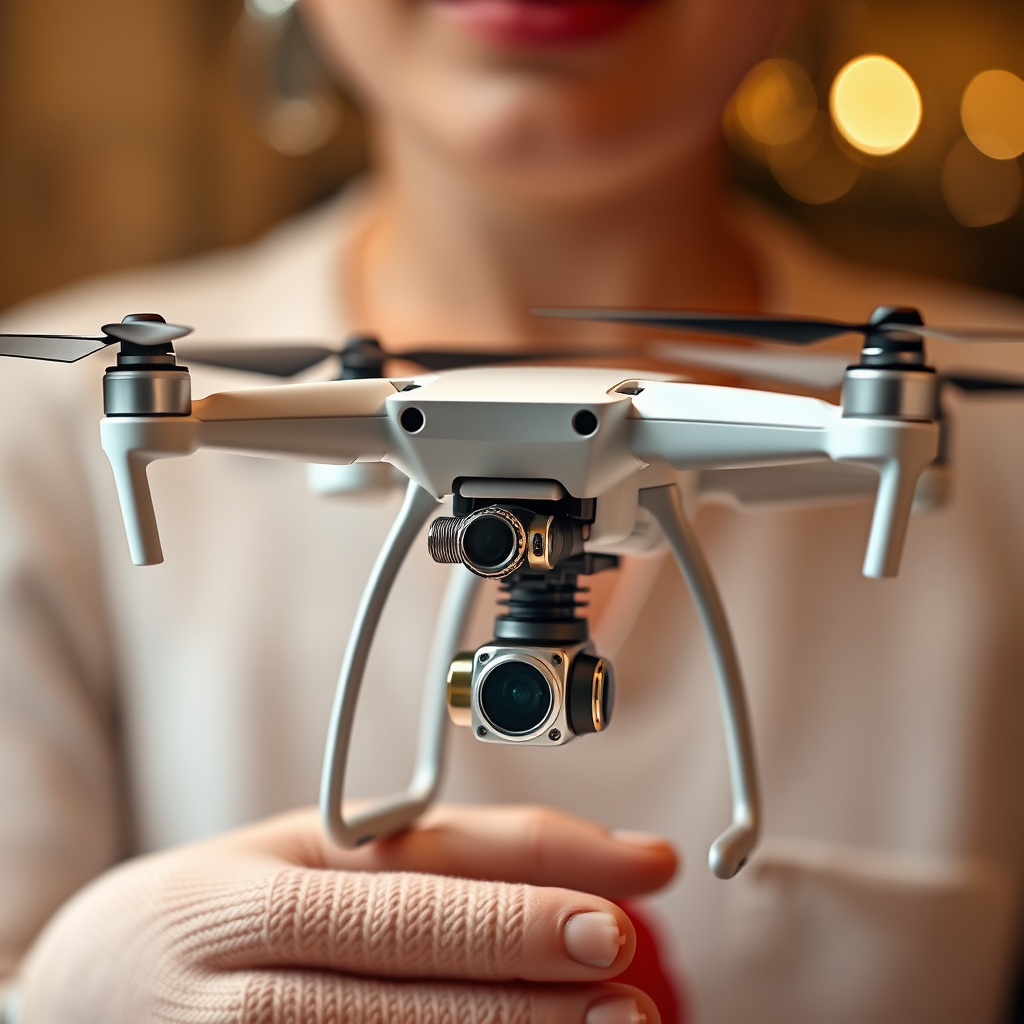
Yes, you can bring your drone to New Zealand, but there are specific regulations and guidelines you need to follow to ensure compliance. Understanding these rules will help you enjoy your drone flying experience safely and legally while exploring the beautiful landscapes of New Zealand. The country’s diverse geography—from breathtaking fjords to vibrant cities—offers unique opportunities for aerial photography and videography. However, neglecting the legal framework can lead to hefty fines and unwanted complications. This article will guide you through New Zealand’s drone regulations, registration requirements, no-fly zones, safety and privacy considerations, insurance, and tips for traveling with your drone.
Understanding New Zealand’s Drone Regulations
The Civil Aviation Authority (CAA) regulates drone usage in New Zealand, implementing a set of guidelines designed to ensure safety and minimize risks associated with unmanned aerial vehicles. Drones weighing less than 25 kg are categorized under specific operational rules that dictate how and where they can be flown. For instance, drone operators must maintain a maximum altitude of 120 meters (400 feet) above ground level and must keep their drone within visual line of sight at all times.
Additionally, operators are prohibited from flying their drones over people or moving vehicles, and they must not interfere with manned aircraft. These regulations are in place to mitigate potential hazards and ensure that both drone users and the general public remain safe. Before taking your drone out for a flight, familiarize yourself with the CAA’s Part 101 rules, which can be found on their official website.
Registration and Certification Requirements
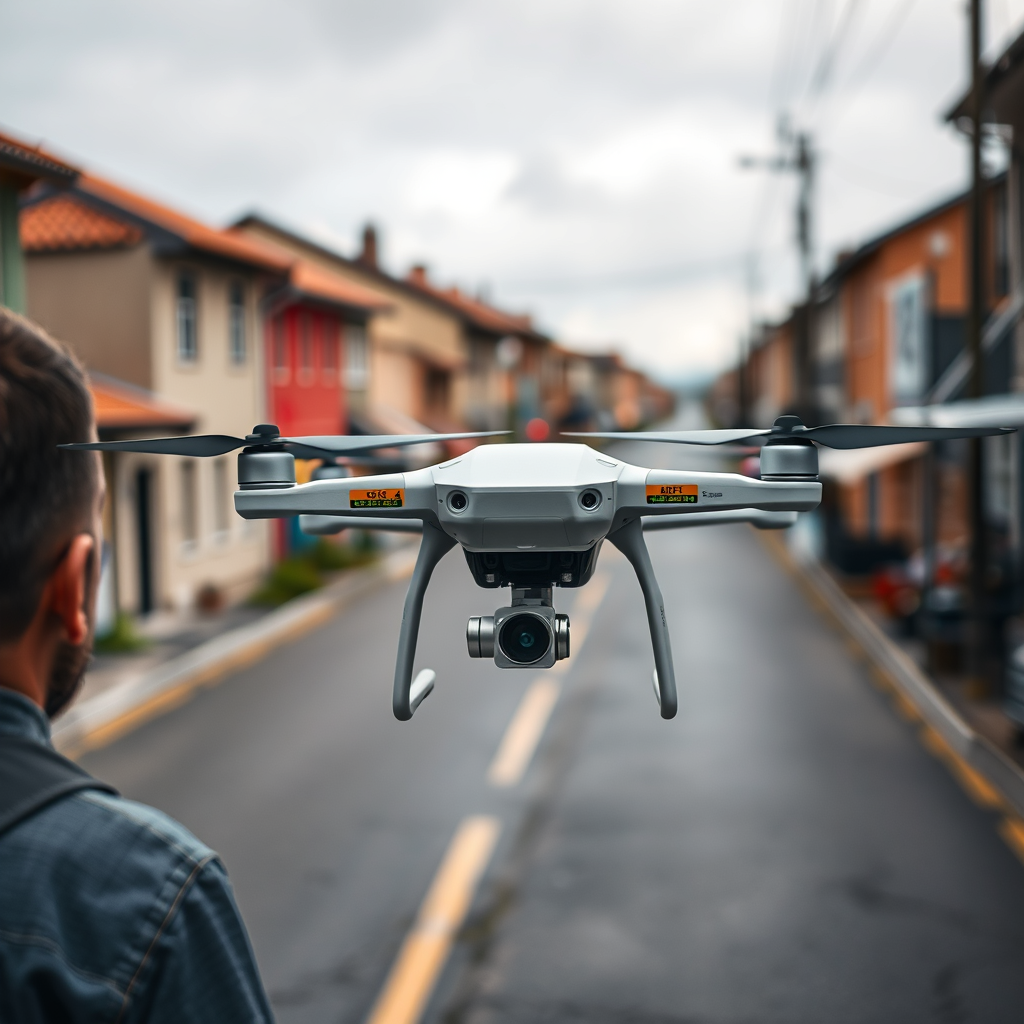
In New Zealand, drones that weigh over 250 grams must be registered with the CAA. Registration is a straightforward process that can be completed online. Once registered, drone owners receive a unique identification number that must be affixed to the drone itself. This registration is a crucial step, as it ensures accountability and traceability in the event of an incident.
Moreover, depending on how you intend to use your drone—whether for recreational or commercial purposes—you may need to obtain a remote pilot license (RePL). If your drone flights are purely for personal enjoyment and your drone weighs less than 25 kg, obtaining a RePL is not necessary. However, if you plan to use your drone for commercial activities, such as aerial photography or surveying, acquiring a RePL is mandatory. This certification process includes theoretical and practical assessments to ensure that operators are knowledgeable about aviation rules and safety measures.
No-Fly Zones and Restricted Areas
New Zealand has designated several no-fly zones and restricted areas to protect sensitive sites and ensure safety. Airports, military bases, and national parks often fall within these categories. For example, flying a drone within a 4-kilometer radius of any airport without prior consent is strictly prohibited. This restriction helps prevent interference with manned aircraft operations, which is crucial for aviation safety.
Furthermore, many national parks and conservation areas have specific regulations regarding drone usage, often prohibiting drone flights altogether to protect wildlife and natural habitats. Local councils may also impose additional restrictions on drone flying in certain areas, especially during events or in populated spaces. Always check local regulations and maps to avoid restricted airspace before flying your drone. The CAA provides detailed maps that outline these no-fly zones, making it easier for drone operators to plan their flights responsibly.
Safety and Privacy Considerations
When flying your drone in New Zealand, safety and respect for privacy are paramount. It is essential to maintain a respectful distance from people, property, and sensitive areas. This means avoiding flying over private property without explicit permission from the owner. Not only does this respect the privacy of individuals, but it also complies with legal obligations regarding trespass and privacy laws.
Moreover, it is crucial to maintain visual line of sight with your drone at all times while flying. This requirement ensures that operators can effectively monitor their drone’s position and avoid potential collisions with other aircraft or obstacles. Additionally, consider the weather conditions before flying; high winds, rain, or low visibility can significantly impact the safety and performance of your drone.
Engaging with local drone communities can also provide valuable insights about safe flying practices and local customs, further enhancing your experience while ensuring compliance with regulations.
Insurance and Liability
While drone insurance may not be a legal requirement in New Zealand, it is highly recommended for all drone operators. Insurance can provide financial protection against damages, accidents, and liability claims that may arise from flying your drone. The cost of drone insurance varies based on coverage levels, but it is a small price to pay for peace of mind, especially when flying in unfamiliar areas.
Understanding your liability in case of incidents involving your drone is also essential. If your drone causes damage to property or injures someone, you may be held legally responsible. Having adequate insurance coverage can help mitigate the financial repercussions of such incidents. It is advisable to consult with insurance providers who specialize in drone coverage to identify a policy that aligns with your flying activities.
Tips for Traveling with Your Drone
When planning to travel to New Zealand with your drone, there are several considerations to keep in mind. First and foremost, pack your drone securely to prevent damage during transit. Utilize a sturdy case designed specifically for drones, ensuring that all components are cushioned and protected from impact.
Additionally, familiarize yourself with customs regulations regarding drone importation. While New Zealand generally allows the importation of drones, it is wise to declare your drone at customs to avoid potential issues. Be prepared to show proof of registration and any relevant certifications, particularly if your drone is of higher value.
Lastly, research popular flying locations in New Zealand that comply with CAA regulations. This preparation allows you to plan your itinerary around scenic spots that are both legal and picturesque, enhancing your overall experience.
In conclusion, bringing your drone to New Zealand is possible, but it’s crucial to familiarize yourself with the local regulations and requirements. By adhering to these guidelines, including understanding the CAA’s rules, registering your drone, respecting no-fly zones, and prioritizing safety and privacy, you can ensure a safe and enjoyable experience while capturing the stunning scenery of New Zealand. Always consider insurance for added protection and prepare adequately before your trip to maximize your drone flying adventures. With the right knowledge and preparation, you can create unforgettable aerial memories in this beautiful country.
Frequently Asked Questions
What are the regulations for bringing a drone into New Zealand?
When bringing a drone into New Zealand, it’s essential to comply with the Civil Aviation Authority (CAA) regulations. Drones weighing more than 250 grams must be registered, and operators must follow specific safety guidelines, including not flying above 120 meters, keeping the drone within visual line of sight, and avoiding no-fly zones such as near airports and populated areas. It’s advisable to familiarize yourself with the local drone laws before your trip to ensure a smooth experience.
How do I register my drone in New Zealand?
To register your drone in New Zealand, you must visit the CAA’s official website and follow their registration process. Registration is required for drones that weigh more than 250 grams. You will need to provide personal details and information about your drone, and there may be a small fee involved. After registration, ensure you carry your registration details with you while flying.
Why do I need to check for no-fly zones before flying my drone in New Zealand?
Checking for no-fly zones is crucial because flying your drone in restricted areas can lead to fines and legal issues. New Zealand has several no-fly zones, including those around airports, military bases, and certain urban areas to ensure safety and privacy. Being aware of these zones not only helps you comply with the law but also ensures the safety of people and property around you.
What are the best places to fly a drone in New Zealand?
Some of the best places to fly a drone in New Zealand include the stunning landscapes of Queenstown, the breathtaking fjords of Milford Sound, and the vast beaches of the North Island. However, always verify local regulations and obtain any necessary permits, especially in popular tourist spots. Additionally, locations like Fiordland National Park and Mount Cook National Park offer incredible aerial views but come with strict flying regulations that must be adhered to.
Which documents should I carry when flying my drone in New Zealand?
When flying your drone in New Zealand, it’s essential to carry your drone registration documents, proof of insurance (if applicable), and any permits required for specific flying locations. Additionally, having identification and your drone’s user manual can be helpful in case of inquiries from local authorities. Keeping these documents on hand ensures that you are prepared and compliant with New Zealand’s drone regulations.
References
- https://www.caa.govt.nz/drones/
- https://www.govt.nz/browse/driving-and-transport/transportation/drones/
- https://www.nzta.govt.nz/resources/aviation-safety/
- https://www.mbie.govt.nz/dmsdocument/11533-aviation-security-manual
- https://www.wellingtonairport.co.nz/airports/drones-in-new-zealand/
- https://www.doc.govt.nz/parks-and-recreation/places-to-go/parks-and-forests/using-drones-in-parks/
- https://www.aviation.govt.nz/rules/part-101-small-unmanned-aircraft/
- https://www.civilaviation.govt.nz/assets/Uploads/Part-101-Drones.pdf
- https://www.legislation.govt.nz/regulation/public/2016/0221/latest/DLM7074745.html
