
Yes, you can build your own drone! With the right materials, knowledge, and a bit of patience, creating a custom drone is achievable for enthusiasts of all skill levels. Building your own drone not only enhances your technical skills but also allows for customization according to personal preferences and intended use. This guide will walk you through the essential components, tools, and steps involved in building your own drone, ensuring a smooth and rewarding experience.
Understanding Drone Components
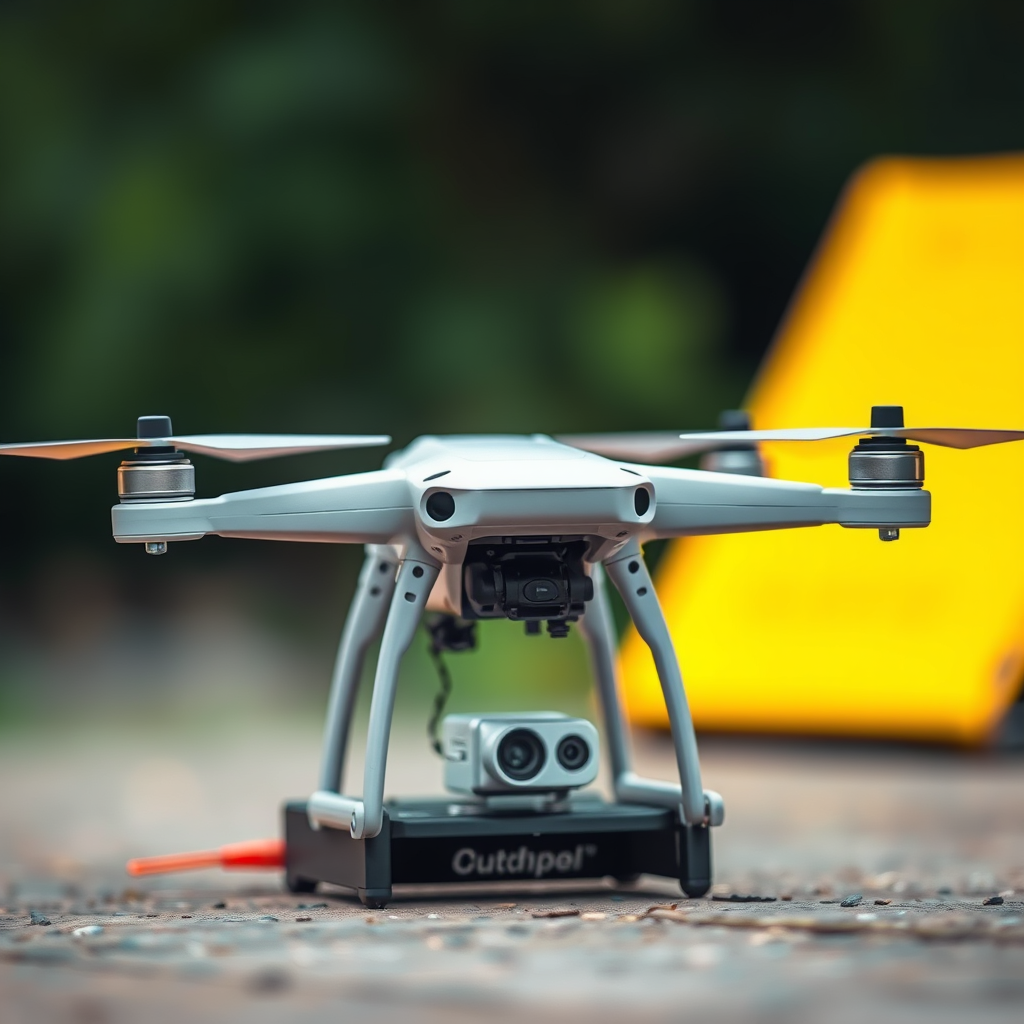
To construct a drone, it’s crucial to understand its fundamental components. Each part plays a vital role in the overall functionality and performance of the drone.
– Frame: The frame is the backbone of your drone, providing the structure that holds all components together. Frames are available in various materials such as carbon fiber, plastic, and aluminum, each offering different benefits. For example, carbon fiber frames are lightweight and durable, making them ideal for racing drones, while plastic frames may be suitable for beginners due to their affordability and ease of handling. Sizes vary based on the type of drone you intend to build, from mini drones for indoor use to larger models designed for aerial photography.
– Motors: Motors are essential for generating lift and enabling flight. Brushless motors are the most commonly used type due to their efficiency and power, making them suitable for both novice and experienced builders. When selecting motors, consider factors such as thrust-to-weight ratio and Kv rating, which indicates the motor’s RPM per volt. For instance, a motor with a higher Kv rating will spin faster, making it suitable for racing drones, while lower Kv motors are better for stability in photography drones.
Essential Tools and Equipment
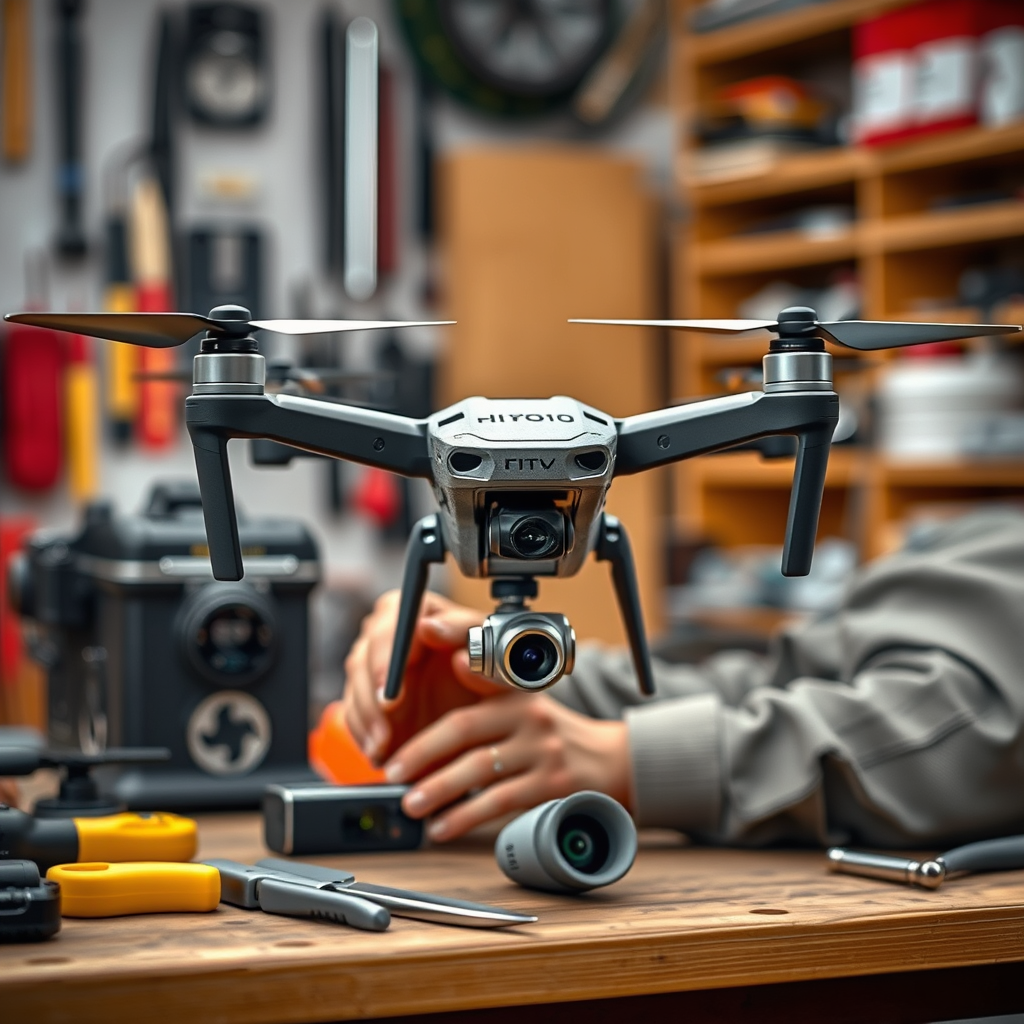
Having the right tools and equipment is crucial for a successful drone-building experience. Below are some essential tools that every drone builder should have.
– Soldering Iron: A soldering iron is vital for connecting electronic components securely. Proper soldering ensures that your connections are strong and reliable, preventing potential issues during flight. When selecting a soldering iron, choose one with adjustable temperature settings for versatility. A soldering kit that includes solder, flux, and desoldering tools can also be beneficial, especially for beginners.
– Multimeter: A multimeter is an indispensable tool for checking electrical connections and battery health. It allows you to measure voltage, current, and resistance, helping you diagnose issues effectively. Regularly checking connections with a multimeter can prevent electrical failures during flight and ensure that your drone operates safely and efficiently.
Choosing the Right Drone Type
The type of drone you decide to build will significantly influence your design choices and assembly process. Understanding the various types of drones available is essential.
– Quadcopters: Quadcopters are the most popular type of drone for beginners due to their stability and ease of control. They utilize four motors, which provide excellent lift and maneuverability. Beginners often choose quadcopters because they have a more forgiving flight experience, making them easier to learn and operate. Popular kits for quadcopters offer pre-configured components, simplifying the building process for newcomers.
– Racing Drones: Designed for speed and agility, racing drones are built for competitive flying and require more advanced skills. These drones prioritize lightweight materials and high-performance components to achieve rapid acceleration and agile handling. If you’re interested in drone racing, be prepared to invest time in learning about tuning and optimizing your drone for speed. Racing drones often come with FPV (First Person View) capabilities, allowing pilots to experience a unique flying perspective.
Assembly Process
Once you have chosen the type of drone you want to build, the assembly process begins. This stage requires attention to detail and patience, as it lays the foundation for your drone’s functionality.
– Frame Construction: Start by assembling the frame and securing all parts. Follow the manufacturer’s instructions carefully, ensuring that all components fit snugly and are aligned correctly. Use screws and bolts to fasten parts securely, and consider adding rubber dampeners to reduce vibrations that can affect flight performance. A well-constructed frame is essential for the structural integrity of your drone.
– Wiring: After constructing the frame, the next step involves wiring the motors, flight controller, and battery according to the schematic provided with your components. Pay close attention to the color coding of wires and ensure that connections are secure. Using heat-shrink tubing or electrical tape can help protect exposed wires and prevent short circuits. A tidy wiring job not only improves aesthetics but also enhances reliability during flight.
Flight Controller Setup
The flight controller is the brain of your drone, managing the inputs from your remote control and stabilizing the aircraft during flight.
– Firmware Installation: Load the appropriate firmware to the flight controller for optimal performance. Many flight controllers come with their own software that allows you to customize settings according to your flying style. For example, Betaflight and Cleanflight are popular firmware options that offer extensive features for tuning and optimizing flight characteristics.
– Calibration: Ensure all sensors are calibrated for a stable flight experience. Calibration involves balancing the drone in a level position and following specific procedures outlined in the flight controller’s documentation. This process is crucial, as improperly calibrated sensors can lead to unstable flight, making your drone difficult to control.
Safety Considerations
Safety should be a top priority when building and operating your drone. Understanding regulations and practicing safe flying habits can prevent accidents and ensure compliance with local laws.
– Regulations: Familiarize yourself with local laws regarding drone operation. Many countries have specific regulations governing drone flight, including altitude restrictions, no-fly zones, and registration requirements. In the United States, for example, the FAA requires all drones over 0.55 pounds to be registered. Compliance with these regulations is essential to avoid legal issues and contribute to safe airspace management.
– Testing: Conduct initial tests in open spaces to avoid accidents and ensure functionality. Start with short flights to assess stability and responsiveness. During these test flights, monitor how the drone behaves in various conditions and be prepared to make adjustments. It’s advisable to have a designated area for testing, away from people and obstacles, to minimize risks.
Troubleshooting Common Issues
Even the most carefully built drones can encounter issues. Understanding common problems and their solutions can save you time and frustration.
– Flight Instability: If your drone experiences flight instability, check for loose connections or unbalanced weight distribution. Ensure that all motors are functioning correctly and calibrated. Additionally, assess the placement of components within the frame; improper weight distribution can lead to erratic flight behavior.
– Battery Problems: Monitor battery health and replace it if necessary for safety and performance. Regularly check for swelling, leaks, or damage, as these can indicate potential problems that could lead to battery failure during flight. Using a dedicated battery charger with balancing capabilities can help maintain battery health and extend its lifespan.
Building your own drone can be a rewarding project that enhances your understanding of aerodynamics and electronics. By following these steps and guidelines, you can successfully create a drone tailored to your needs. Remember to stay informed about regulations and safety practices as you embark on this exciting journey! With dedication and attention to detail, you will not only master drone construction but also enjoy the thrill of piloting your very own creation.
Frequently Asked Questions
Can I build my own drone from scratch?
Yes, you can build your own drone from scratch, and many hobbyists enjoy the challenge. To do this, you’ll need to gather essential components such as a frame, motors, electronic speed controllers (ESCs), a flight controller, and a battery. There are numerous online tutorials and forums that can guide you through the assembly process, making it easier to create a drone tailored to your specific needs and preferences.
What are the essential components needed to build a drone?
The essential components for building a drone include the frame, motors, electronic speed controllers (ESCs), flight controller, battery, propellers, and a radio transmitter and receiver. Depending on your intended use, you may also want to add a camera or GPS module. Understanding each component’s function is crucial for successful assembly and optimal drone performance.
How difficult is it to build a drone compared to buying one?
Building a drone can be more challenging than buying a pre-assembled one, as it requires a good understanding of electronics, soldering skills, and knowledge of drone mechanics. However, the experience can be rewarding and educational, allowing you to customize your drone to suit specific applications. If you’re willing to invest time in learning, building your own drone can be an enjoyable and fulfilling project.
Why should I consider building my own drone instead of purchasing a ready-made one?
Building your own drone offers several advantages, including customization, cost-effectiveness, and a deeper understanding of how drones work. When you build a drone, you can select components that best meet your needs, whether for racing, aerial photography, or recreational flying. Additionally, the hands-on experience can enhance your skills and provide a sense of accomplishment that purchasing a ready-made drone may not offer.
Which tools and software do I need to build and program my own drone?
To build and program your own drone, you will need basic tools such as a soldering iron, screwdrivers, and possibly a multimeter for testing connections. For programming, popular software options include Betaflight or ArduPilot, which can help you configure your flight controller and tune your drone’s performance. Familiarizing yourself with these tools and software will greatly assist you in the building and setup process, ensuring a successful flight experience.
References
- https://en.wikipedia.org/wiki/Drone
- https://www.faa.gov/uas/getting_started/build_your_own_drone
- https://www.nasa.gov/feature/a-beginners-guide-to-drones
- https://www.uwaterloo.ca/engineering/undergraduate-programs/engineering-design/project-based-learning/drones
- https://www.cmu.edu/robotics/education/activities/drone-systems.html
- https://www.mit.edu/~jason/DroneBuild/
- https://www.nationalgeographic.com/science/article/how-drones-work
- https://www.thoughtco.com/how-to-build-a-drone-4585771
