
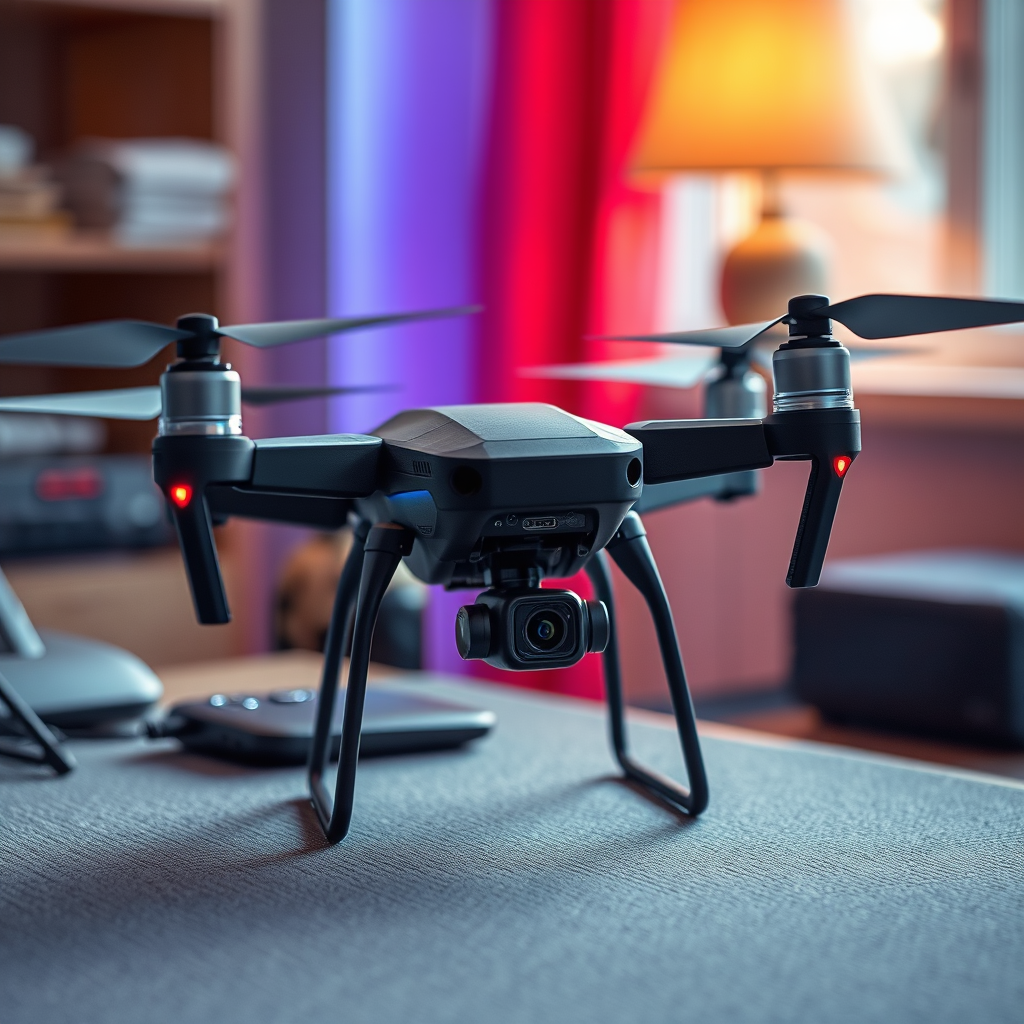
Yes, you can buy a Predator drone, but there are strict regulations and limitations. The purchase of military-grade drones like the Predator is typically restricted to military and government entities. For civilians, understanding the regulatory framework is essential, as it shapes the landscape of drone ownership and usage. This article will delve into the legal parameters, explore alternatives to military drones, and discuss the broader implications of drone technology in both civilian and military contexts.
Understanding Drone Classifications
Military vs. Civilian Drones
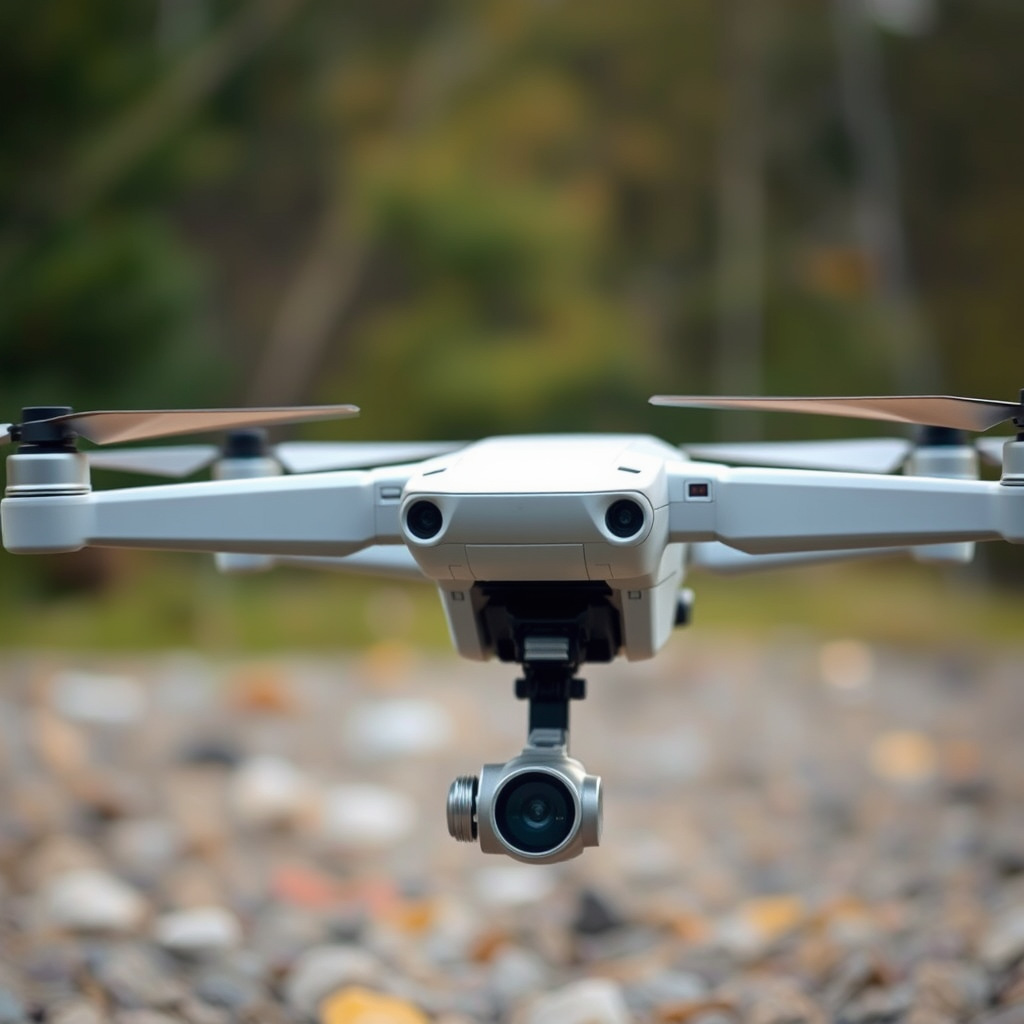
Drone technology can be broadly categorized into military-grade and civilian drones. Military drones, such as the Predator, are equipped with advanced capabilities, including surveillance, reconnaissance, and combat functionality. These drones are designed to operate in complex environments and require specialized training and authorization to use. In contrast, civilian drones are designed for commercial, recreational, and research purposes. They come in various models, from consumer-grade quadcopters to high-performance aerial photography drones.
Regulations
In the United States, the Federal Aviation Administration (FAA) regulates civilian drone operations, establishing guidelines that govern where and how drones can be flown. These regulations can include altitude restrictions, no-fly zones, and requirements for remote pilot certification. Military drones, on the other hand, fall under different regulatory frameworks and are subject to stringent military oversight and international agreements. Understanding these classifications and regulations is crucial for anyone interested in drone ownership.
Legal Restrictions on Purchasing Military Drones
Export Controls
The purchase and export of military drones are governed by the International Traffic in Arms Regulations (ITAR). ITAR is a set of regulations that control the export of defense-related materials and services. Under ITAR, military drones, including the Predator, are classified as defense articles. Consequently, only authorized government agencies and military entities can acquire these systems. Violating ITAR can lead to severe penalties, including fines and imprisonment, underscoring the importance of compliance for individuals and businesses.
Licensing Requirements
In addition to export controls, acquiring certain drones may require specific licenses. For example, the FAA mandates that commercial drone operators obtain a Remote Pilot Certificate to legally operate drones for business purposes. Similarly, military drones require extensive training and security clearance, which are only accessible to qualified personnel within designated organizations. Understanding these licensing requirements is essential for anyone considering drone operations, especially those interested in high-performance models.
Alternatives to Predator Drones
Commercial Drones
For those interested in high-performance drones without the military-grade specifications, several commercial options are available. Brands like DJI, Parrot, and Skydio offer drones equipped with advanced features such as high-resolution cameras, obstacle avoidance, and long flight times. For instance, the DJI Matrice series provides robust capabilities for aerial photography and surveying, making it a popular choice among professionals in construction and agriculture. These drones come with user-friendly interfaces and are compliant with FAA regulations, making them accessible to a wide range of users.
DIY Options
Another alternative for drone enthusiasts is to build or customize their drones. The DIY drone community has grown significantly, with numerous resources available for individuals looking to create drones tailored to their specific needs. Kits are available that include all necessary components, from frames to flight controllers, allowing users to assemble drones that suit their requirements without the complexities of military-grade specifications. Online forums and tutorials can guide builders through the process, fostering a community of innovation and creativity in drone technology.
Popular Uses for Drones
Surveillance and Reconnaissance
Drones have become invaluable tools for surveillance and reconnaissance across various industries. In agriculture, drones are used for crop monitoring, allowing farmers to assess plant health and optimize resource allocation. In the security sector, drones provide aerial surveillance capabilities that enhance monitoring of large events or sensitive sites. For example, police departments utilize drones for crowd control and search-and-rescue operations, demonstrating the versatility and effectiveness of drone technology in real-world applications.
Research and Development
Universities and private companies are increasingly incorporating drones into research and development projects. Drones are employed in environmental studies to gather data on wildlife populations, habitat changes, and climate impact assessments. For instance, researchers at the University of California have used drones to monitor coastal erosion and the effects of rising sea levels. These innovative uses highlight the potential of drones to advance scientific knowledge and foster sustainable practices.
The Future of Drone Ownership
Technological Advancements
The future of drone ownership is poised for transformation, driven by rapid technological advancements. Innovations in artificial intelligence, machine learning, and battery technology are enhancing drone capabilities, allowing for longer flight times, improved automation, and sophisticated data analysis. As drones become more accessible and capable, their applications will expand into sectors like logistics, emergency response, and even urban air mobility. Businesses are beginning to explore the potential of drone delivery systems, indicating a shift toward integrating drones into everyday life.
Regulatory Changes
As drone technology evolves, so too do the regulations governing their use. The FAA is actively working on updating regulations to accommodate the growing drone industry, including the integration of unmanned aerial vehicles into national airspace. Future regulatory changes may simplify the process for obtaining licenses or introduce new classifications for advanced commercial drones. Staying informed about these developments is essential for anyone interested in drone ownership, as regulations will significantly impact what is permissible in the future.
Ethical Considerations
Privacy Concerns
With the proliferation of drone technology, ethical considerations surrounding privacy and data collection have come to the forefront. Drones equipped with high-resolution cameras can easily capture images and video of private property, raising concerns about surveillance and privacy infringement. The potential for misuse of drone technology necessitates dialogue around ethical standards and regulations to protect individuals’ rights while allowing for beneficial uses of drone capabilities.
Military Use vs. Civilian Use
The moral dilemmas surrounding military versus civilian drone usage also warrant discussion. The deployment of military drones for combat raises questions about accountability, the psychological impact on operators, and the implications of remote warfare. Conversely, the adaptability of military drone technology for civilian purposes presents opportunities for innovation but also risks normalizing surveillance practices that could infringe on civil liberties. Engaging in ethical discourse is crucial for navigating these complex issues and ensuring that drone technology serves the public interest.
In conclusion, while purchasing a Predator drone is not feasible for civilians due to strict regulations, there are many alternatives available for enthusiasts and professionals alike. Understanding the legal landscape surrounding drone ownership and exploring options such as high-performance commercial drones and DIY builds can lead to exciting opportunities in drone technology. As the industry continues to evolve, staying informed about technological advancements and regulatory changes will be essential for responsible and ethical drone use.
Frequently Asked Questions
Can I legally buy a Predator drone for personal use?
No, you cannot legally buy a Predator drone for personal use. Predators are classified as military-grade unmanned aerial vehicles (UAVs) and are primarily used by military and governmental agencies. Civilian use of drones is regulated by aviation authorities like the FAA in the U.S., and while you can purchase commercial drones, military drones like the Predator are restricted and not available to the general public.
What are the primary uses of Predator drones?
Predator drones are primarily used for military surveillance and reconnaissance, as well as targeted strikes in combat situations. They provide real-time intelligence, surveillance, and reconnaissance (ISR) capabilities, allowing for strategic planning and execution in military operations. Additionally, they are equipped with advanced technology such as high-resolution cameras and sensor systems, which make them valuable for specific governmental and defense purposes.
Why are Predator drones not available for civilian purchase?
Predator drones are not available for civilian purchase due to their advanced military capabilities and the potential risks associated with their use. They are designed for combat and surveillance, which raises concerns about security and misuse in civilian contexts. Governments impose strict regulations on military technology to prevent proliferation and ensure public safety, making these drones accessible only to authorized military and governmental entities.
What are the best alternatives to Predator drones for personal use?
For personal use, the best alternatives to Predator drones are consumer-grade UAVs such as the DJI Mavic series or Parrot Anafi. These drones offer excellent camera quality, advanced flight capabilities, and user-friendly controls for hobbyists, photographers, and videographers. While they lack military features, they are affordable and widely available, making them suitable for recreational flying and aerial photography.
How can I learn more about drone regulations and purchasing options?
To learn more about drone regulations and purchasing options, you can visit the Federal Aviation Administration (FAA) website, which provides comprehensive information on drone laws and guidelines for both recreational and commercial use. Additionally, joining drone communities or forums can offer insights from experienced users, while local hobby shops often have knowledgeable staff who can assist with questions about legal drone models and flight regulations in your area.
References
- https://en.wikipedia.org/wiki/Predator_(drone
- https://www.nytimes.com/2021/03/15/us/predator-drones.html
- https://www.reuters.com/world/us/predator-drones-are-no-longer-just-military-assets-2021-05-12/
- https://www.armytimes.com/2021/03/03/what-you-need-to-know-about-predator-drones/
- https://www.c-span.org/video/?c4945729/user-clip-predator-drones
- https://www.defense.gov/Explore/Spotlight/Predator-Drones/
- https://www.theguardian.com/us-news/2020/jan/05/predator-drone-iran-us-foreign-policy
- https://www.rand.org/pubs/research_briefs/RB10034.html
