
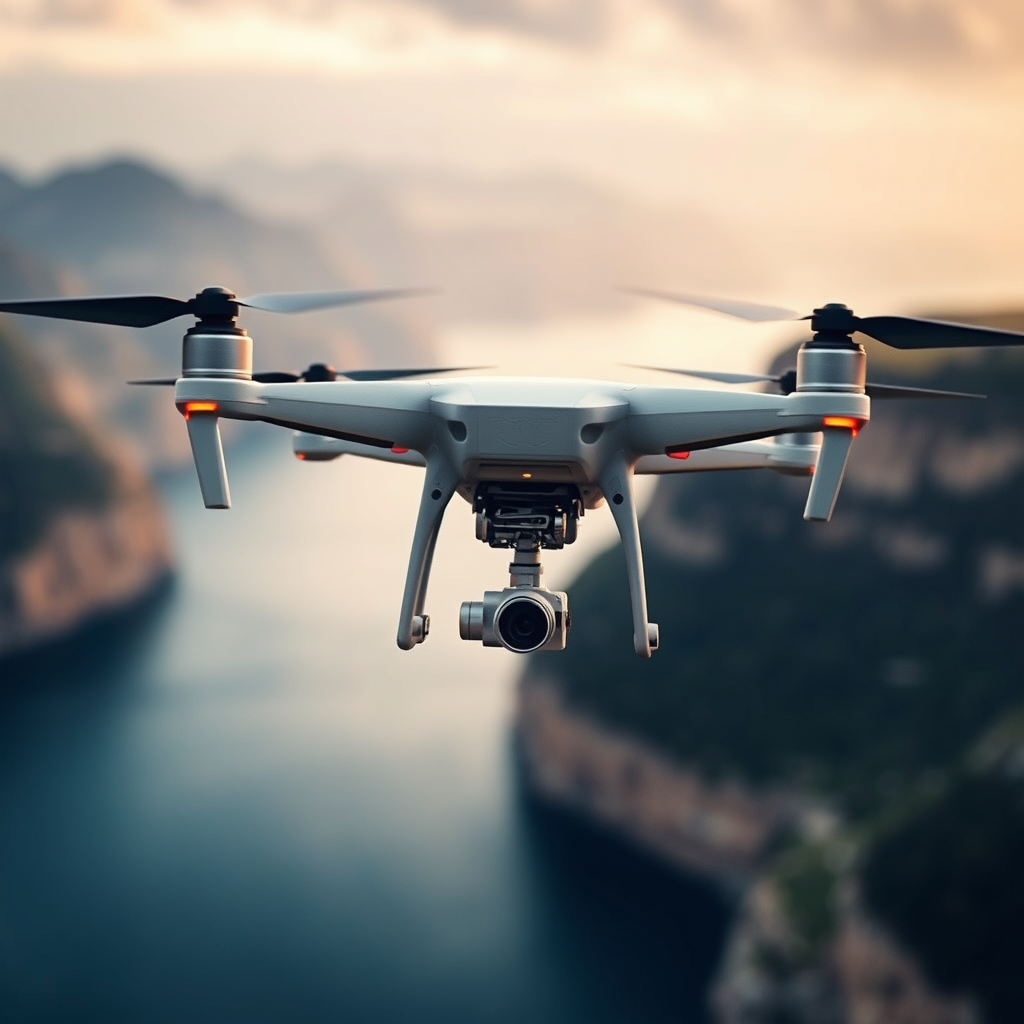
Yes, you can generally carry a drone on an international flight, but there are specific regulations and restrictions that vary by airline and destination country. Understanding these guidelines is essential for a hassle-free travel experience, as it ensures that you are compliant with both airline policies and the laws of the country you are visiting. Drones have become increasingly popular for both recreational and professional use, making it critical to be informed about the complexities of transporting them internationally.
Understanding Airline Policies
When planning to travel with a drone, the first step is to verify the individual regulations of your chosen airline. Each airline has its own set of rules regarding the transportation of drones, which may include specific size and weight restrictions. For example, some airlines may classify drones as carry-on items, while others might require them to be checked in. It’s important to note that lithium batteries, commonly used in drones, may also have specific limitations. Airlines like Delta, American Airlines, and United have established guidelines that address battery capacity, with many allowing batteries up to 100 watt-hours in carry-on luggage but prohibiting them in checked baggage. Always consult the airline’s website or customer service for the most accurate and current information.
Additionally, airlines may have restrictions based on the type of drone. For instance, larger drones or those equipped with advanced technology might face stricter regulations due to safety concerns. Being well-prepared by understanding these policies can save you time and potential complications at the airport.
International Regulations on Drones
The regulations surrounding drone usage vary greatly from country to country, which means it is crucial to research the laws of your destination before traveling. Some countries have stringent rules regarding the importation and use of drones, including the requirement for permits or registration. For example, countries like Australia and Canada have established comprehensive regulations that govern drone operation, including restrictions on where and how you can fly.
Moreover, some nations may completely prohibit the importation of drones, or they might require customs declarations upon arrival. Failing to comply with these regulations can result in confiscation of your equipment or hefty fines. Therefore, it is advisable to visit the official government or aviation authority websites of the country you are traveling to for the most accurate and detailed information.
Packing Your Drone for Travel
To ensure that your drone arrives safely at your destination, proper packing is essential. Using a protective case is highly recommended, as it can prevent damage from impacts during transit. Hard cases or padded backpacks designed specifically for drones provide the best protection. Ensure that all parts of the drone are securely stowed, and consider disassembling any removable components, such as propellers or cameras, to further reduce the risk of damage.
Additionally, special attention must be given to the batteries. Airlines typically require that lithium batteries be stored in a manner that prevents accidental activation. This usually means keeping them in their original packaging or using battery cases designed to contain any potential fire hazards. Always check the specific airline guidelines to ensure compliance with their battery storage requirements.
Security Screening Procedures
Carrying a drone through airport security may result in additional screening processes. Be prepared for the possibility of having to remove your drone from its case for inspection, similar to how laptops and other electronics are treated. It is advisable to inform security personnel that you are carrying a drone, which may expedite the screening process and help clarify any questions they might have about your equipment.
Keep in mind that airport security protocols can vary significantly by location, so be ready for different procedures depending on where you are traveling. Arriving at the airport earlier than usual can help alleviate stress during this process, allowing you ample time to navigate security checks without feeling rushed.
Insurance and Liability Considerations
When traveling with a drone, it is wise to consider obtaining travel insurance that specifically covers drone-related incidents. This can protect you against potential loss, damage, or theft while traveling. Additionally, many insurance policies offer liability coverage that can be crucial should your drone cause harm to another person or property.
Familiarizing yourself with local laws regarding liability and drone operation is also imperative. In some countries, you may be held accountable for any damage or injury caused by your drone, regardless of whether you were operating it at the time of the incident. Understanding these laws can not only protect your financial investment but also help you navigate the legal landscape of drone operation abroad.
Post-Arrival Guidelines
Once you arrive at your destination, it is essential to check the local regulations pertaining to drone operation. Many countries have specific zones where drones are prohibited, such as near airports, military installations, or populated urban areas. Failing to adhere to these regulations can lead to fines, confiscation of your drone, or legal repercussions.
In addition to understanding where you can fly, familiarize yourself with any necessary registration or permits required for drone operation in your destination country. Some countries may require you to register your drone with a local authority even if you are just visiting. Utilizing local resources, such as drone clubs or online forums, may provide valuable insights into best practices for flying in your area.
In conclusion, while you can carry a drone on an international flight, it is crucial to be aware of and comply with airline policies and local regulations. By thoroughly researching airline rules, international regulations, packing your drone properly, preparing for security screening, considering insurance options, and understanding post-arrival guidelines, you can ensure a smooth travel experience with your drone. Planning ahead will not only enhance your travel experience but also allow you to fully enjoy capturing stunning aerial footage in new and exciting locations.
Frequently Asked Questions
What are the regulations for carrying a drone on an international flight?
When carrying a drone on an international flight, regulations vary significantly by airline and destination country. Generally, you can pack your drone in your carry-on luggage, but you must ensure that the drone’s batteries comply with airline restrictions, typically not exceeding 100 watt-hours for lithium batteries. Always check both your airline’s specific policies and the regulations of the country you’re traveling to, as some nations may have restrictions or require permits for drone use.
How should I pack my drone for international travel?
To pack your drone safely for international travel, disassemble it if possible, and use a hard-shell case to protect it from damage during transit. Make sure to secure the batteries separately and follow the airline’s guidelines for battery transport. Additionally, keep essential accessories like remote controls and chargers in your carry-on bag to avoid loss and ensure easy access at security checkpoints.
Why might I need to declare my drone when traveling internationally?
Declaring your drone when traveling internationally is essential because some countries have strict regulations regarding drone ownership and usage. Failing to declare your drone could lead to fines, confiscation, or legal action upon arrival. Declaring it not only ensures compliance with customs regulations but also demonstrates that you are a responsible traveler aware of the laws regarding unmanned aircraft.
Which countries have the strictest regulations on drone usage?
Countries like China, India, and Australia have some of the strictest regulations regarding drone use. In China, for instance, drones must be registered, and flying in certain areas is heavily restricted. Before traveling, it’s crucial to research the specific regulations of your destination country to avoid potential fines and legal issues, as many nations require permits for commercial use or have designated no-fly zones.
What should I do if my drone is damaged during international travel?
If your drone is damaged during international travel, the first step is to document the damage thoroughly with photos and notes. Immediately report the issue to the airline’s baggage service desk, as they may provide compensation or assistance based on their policy. Additionally, check your travel insurance policy to see if it covers damage to electronics, as this can help you recover costs for repairs or replacement.
References
- https://www.faa.gov/uas/getting_started/registration
- https://www.transportation.gov/individuals/aviation-consumer-protection/drones
- https://www.who.int/news-room/questions-and-answers/item/drone-transportation
- https://www.caa.co.uk/Consumers/Unmanned-aircraft/
- https://www.easa.europa.eu/document-library/general-publications/faq-drones
- https://www.nytimes.com/2021/12/29/business/drones-airline-travel.html
- https://www.bbc.com/news/world-us-canada-56066023
- https://www.international.gc.ca/travel-travelled/airlines-aeriennes/drone.aspx?lang=eng
