
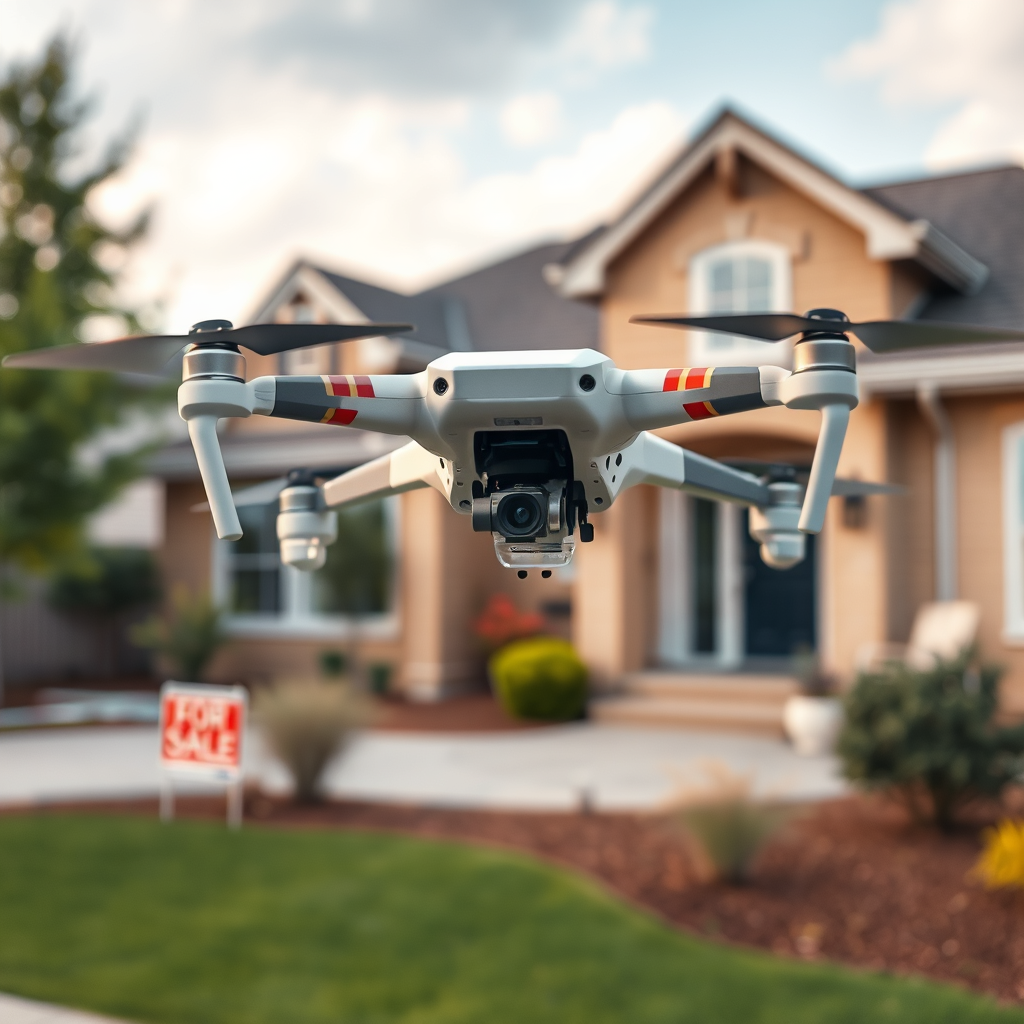
Yes, you can take action against a drone that is invading your privacy or posing a threat on your property, but there are important legal considerations to keep in mind. The legality of destroying a drone hinges on various factors, including ownership, local laws, and the specific circumstances surrounding the drone’s presence. Understanding these nuances is crucial for any property owner contemplating such an action, as it could have significant legal ramifications.
Understanding Drone Ownership and Rights
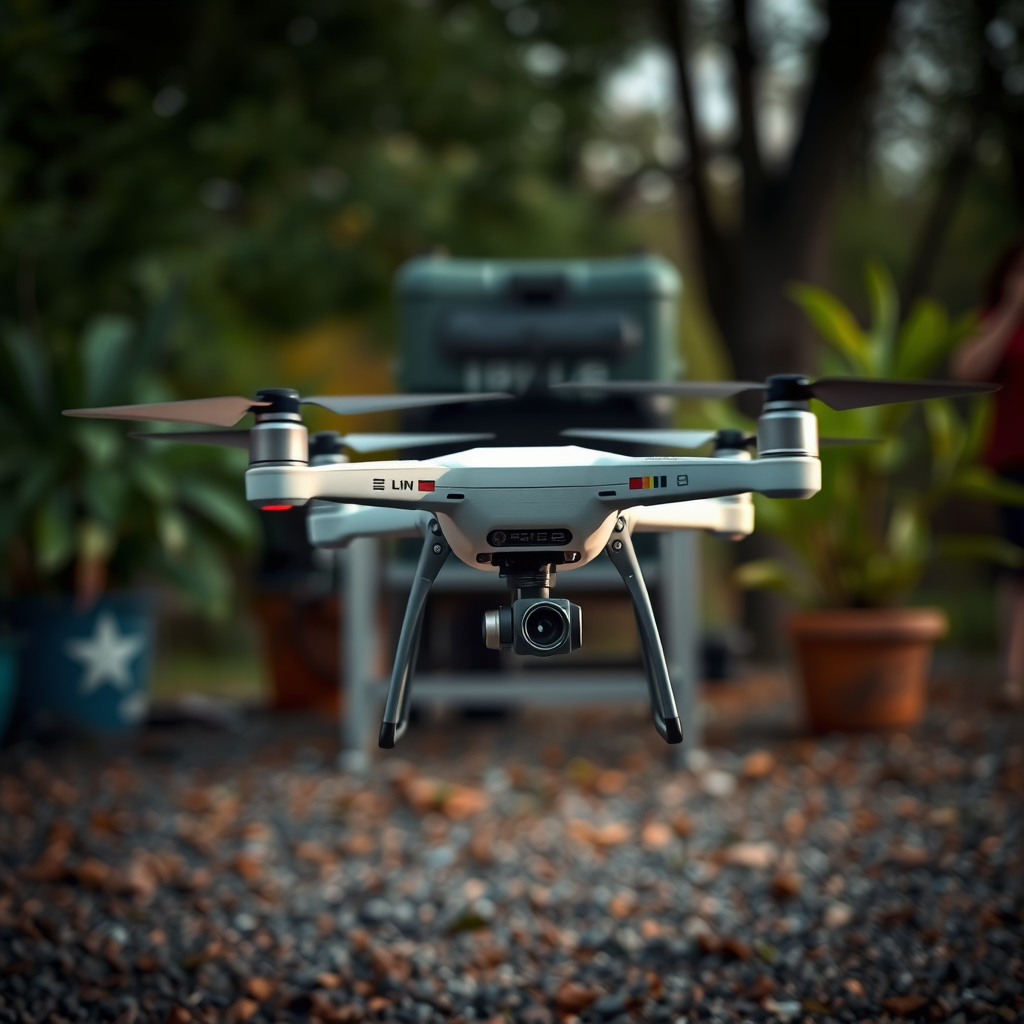
Drones, like any other objects, are considered personal property belonging to their respective owners. This classification means that the operator of the drone has certain rights to their device, similar to how one would have rights over any other vehicle or piece of equipment. However, the complexities arise when a drone is operating over private property. Laws regarding the rights of property owners versus drone operators can vary significantly from state to state.
For instance, in some states, property owners have the right to a certain vertical airspace above their land, which may give them grounds to take action if a drone intrudes into that airspace. However, federal regulations, particularly those set forth by the Federal Aviation Administration (FAA), govern airspace usage broadly and can supersede state laws. This means that while you may have rights as a property owner, you must also navigate the legal framework established by federal regulations regarding drone operation and airspace management.
Legal Implications of Destroying a Drone

Before considering the destruction of a drone, it’s essential to be aware of the federal laws that govern airspace and drone operations. The FAA has established regulations that dictate where and how drones can operate, and these laws are designed to ensure safety in the national airspace system.
Destroying a drone can lead to serious legal repercussions. For example, if you were to shoot down a drone, you could potentially face criminal charges, civil liability, or hefty fines for destruction of property. The owner of the drone could take you to court, seeking damages for the loss of their device, which could lead to costly legal battles. Additionally, the FAA may impose fines for interference with a drone’s operation. Therefore, it is critical to weigh the potential legal consequences before taking any drastic action against a drone.
Alternatives to Destruction
Given the legal risks associated with destroying a drone, it’s prudent to consider alternatives. One effective approach is to report the drone to local authorities or law enforcement. Many police departments have protocols in place for handling drone-related complaints, particularly if the drone is believed to be invading privacy or conducting illegal surveillance.
Another non-destructive method is to attempt to communicate with the drone operator if you can identify them. Some drones are equipped with identifiers that can help you locate the operator on the ground. Politely notifying them of your concerns may lead to a resolution without further escalation. Additionally, using signal jamming devices is illegal in many jurisdictions, so this approach should be avoided.
Privacy Laws Related to Drones
As drones become increasingly common, understanding privacy laws related to their use is crucial. Many states have enacted specific laws that address the use of drones for surveillance purposes. For instance, if a drone equipped with a camera is being used to capture images or video of individuals on private property without their consent, this could potentially violate state privacy laws.
To protect yourself, familiarize yourself with the applicable privacy laws in your state. Some states require drone operators to obtain consent before capturing images or videos of people, while others may have stricter regulations regarding the use of drones for surveillance. Being aware of these laws can provide you with a legal basis should you choose to take action against a drone operator.
Steps to Take if a Drone is Harassing You
If you feel that a drone is harassing you or invading your privacy, the first step is to document the drone’s activity. Take photos or videos of the drone as it flies over your property, noting the time and date of each occurrence. This evidence can be invaluable if you decide to escalate the situation to law enforcement or pursue legal action.
Once you have gathered sufficient evidence, contact local authorities to report the harassment or unlawful surveillance. Many law enforcement agencies are becoming more familiar with drone-related issues and can provide guidance on how to handle the situation. Additionally, some regions have specific laws or ordinances that can apply to drone operations, which local officials can enforce.
Safety Considerations
When dealing with a drone situation, safety should always be your top priority. Ensure that any actions you take do not endanger yourself or those around you. For example, attempting to shoot down a drone could result in unintended harm to bystanders or property. It is also essential to be aware of your surroundings to avoid conflict with the drone operator or others who may be involved.
If you feel threatened or unsafe, seek assistance from law enforcement. They are trained to handle such situations and can intervene appropriately to ensure that everyone remains safe.
Seeking Legal Advice
If you find yourself facing persistent drone issues or are unsure of your rights and options, it is advisable to consult with a legal professional. An attorney who specializes in property law or privacy rights can provide you with tailored advice based on your specific situation and local laws. They can help you explore potential remedies under both local and federal law, ensuring you are well-informed before taking any action.
Understanding the legal landscape surrounding drone use can empower you to protect your property and privacy effectively.
In conclusion, while you may feel justified in wanting to destroy a drone on your property, it’s crucial to understand the legal ramifications and explore alternatives first. Drones are considered personal property, and federal and state laws play a significant role in determining your rights as a property owner. Always prioritize safety and legality, and don’t hesitate to seek professional advice if needed. By addressing drone-related issues through the appropriate channels, you can better protect your privacy without facing potential legal consequences.
Frequently Asked Questions
What are the legal implications of destroying a drone on my property?
Destroying a drone on your property can have serious legal implications. While you may feel justified in protecting your privacy, the law typically considers drones as property, and damaging them could lead to criminal charges or civil lawsuits. It’s crucial to check local laws and regulations before taking any action, as there may be specific statutes regarding property damage and privacy rights.
How can I report a drone that is invading my privacy?
If a drone is invading your privacy, the first step is to document the situation, taking note of the time, date, and any identifying features of the drone. You can then report the incident to local law enforcement or the Federal Aviation Administration (FAA), especially if the drone is flying at unauthorized altitudes or locations. Additionally, consider talking to neighbors or community groups about the issue, as there may be collective actions or local ordinances that can help address the problem.
Why are drones allowed to fly over private property?
Drones are typically allowed to fly over private property due to airspace laws that grant pilots the right to operate in public airspace, which includes areas directly above private land. This does not mean they can hover or invade your privacy, but many drone operators follow the rules set by the FAA regarding altitude and safety. Understanding these regulations can help you navigate the complexities of drone use near your home and advocate for your rights effectively.
What steps can I take to deter drones from flying over my property?
To deter drones from flying over your property, consider installing privacy fences, using landscape features, and planting trees to create natural barriers. Additionally, you can employ anti-drone technology like drone jammers or signal blockers, though these options may have legal restrictions. Finally, raising community awareness about drone privacy issues can encourage local regulations that help protect your space from unwanted aerial surveillance.
Which actions are legal for protecting my property from drones?
Legal actions you can take to protect your property from drones include installing security cameras, utilizing privacy screens, and communicating with neighbors about drone activity. You can also contact local authorities if a drone is violating privacy laws or operating recklessly. Always avoid taking matters into your own hands, such as attempting to destroy or capture the drone, as this can lead to legal trouble and escalate the situation.
References
- https://en.wikipedia.org/wiki/Drone#Legal_aspects
- https://www.faa.gov/uas/getting_started/
- https://www.nytimes.com/2020/01/20/us/drone-law.html
- https://www.theguardian.com/us-news/2021/jun/02/drones-property-rights-privacy-laws
- https://www.law.cornell.edu/wex/drone
- https://www.nolo.com/legal-encyclopedia/drone-law-safety-29791.html
- https://www.aclu.org/news/privacy-technology/drone-privacy-and-federal-law
- https://www.wired.com/story/what-to-know-about-drone-laws/
- https://www.ama-assn.org/delivering-care/public-health/drones-legal-issues-and-safety-concerns
