
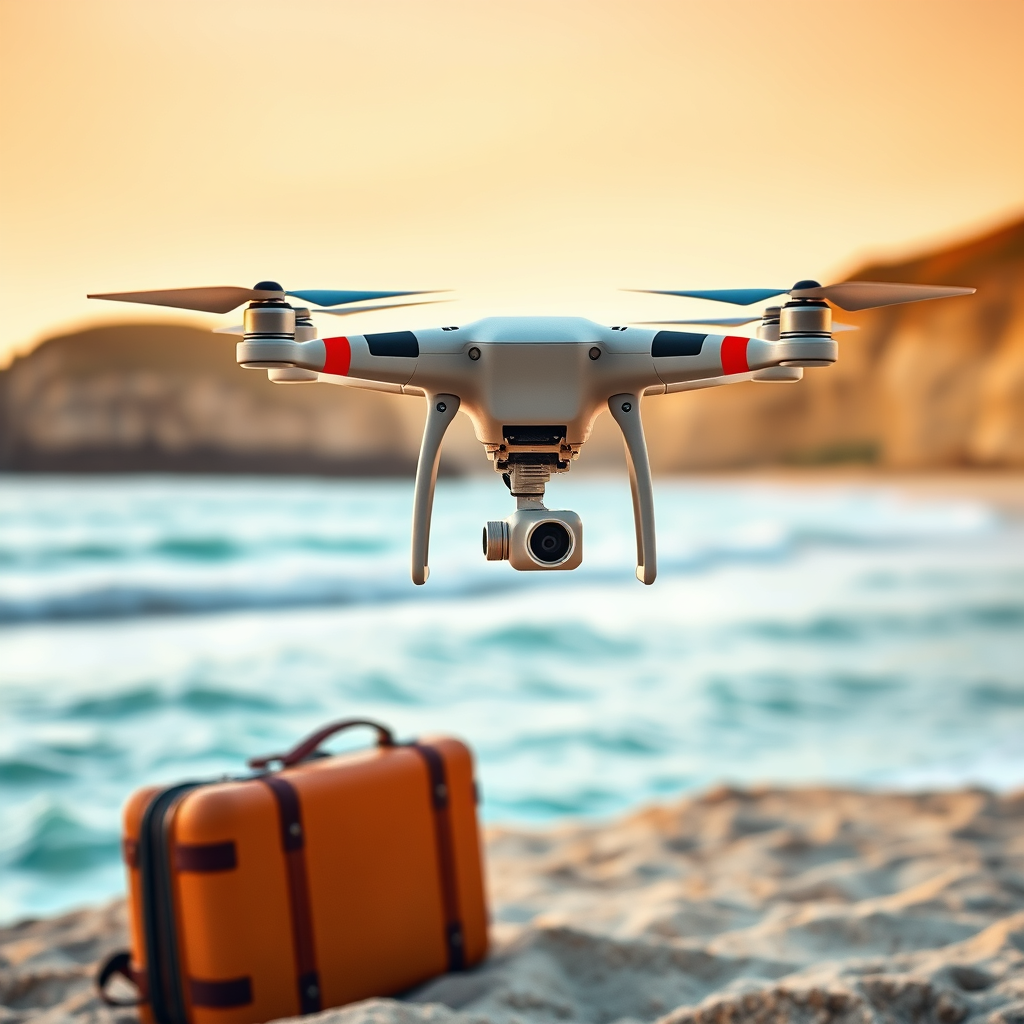
Yes, you can fly a drone at the beach, but there are several important factors to consider before taking off. Flying a drone near coastlines can offer stunning aerial views and unique photographic opportunities. However, it is crucial to be aware of local regulations, specific beach rules, safety concerns, weather conditions, and insurance liabilities. Proper preparation and adherence to guidelines will ensure a safe and enjoyable flying experience.
Local Regulations and Laws
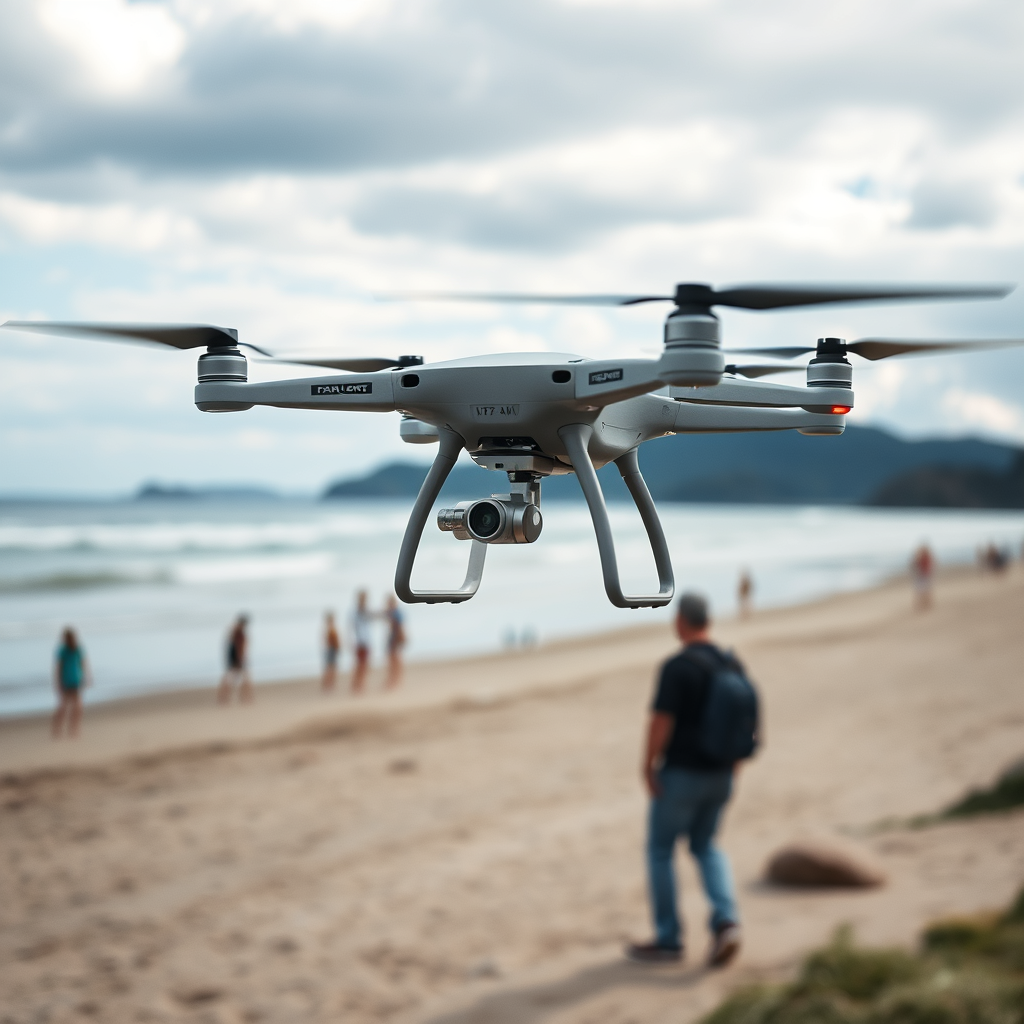
Before you launch your drone at the beach, it is essential to familiarize yourself with the local regulations and laws governing drone operation. Many coastal areas have specific restrictions in place to protect the environment and ensure the safety of beachgoers. For instance, some municipalities may prohibit drone flights entirely, while others might restrict flying to certain times or locations.
Furthermore, federal regulations set forth by the Federal Aviation Administration (FAA) apply nationwide. According to these guidelines, drone operators must register their drones if they weigh more than 0.55 pounds and must adhere to rules such as flying below 400 feet, maintaining visual line of sight, and avoiding restricted airspace. It’s vital to check the FAA’s website or local government resources to ensure compliance with these regulations before you fly.
Beach-Specific Rules
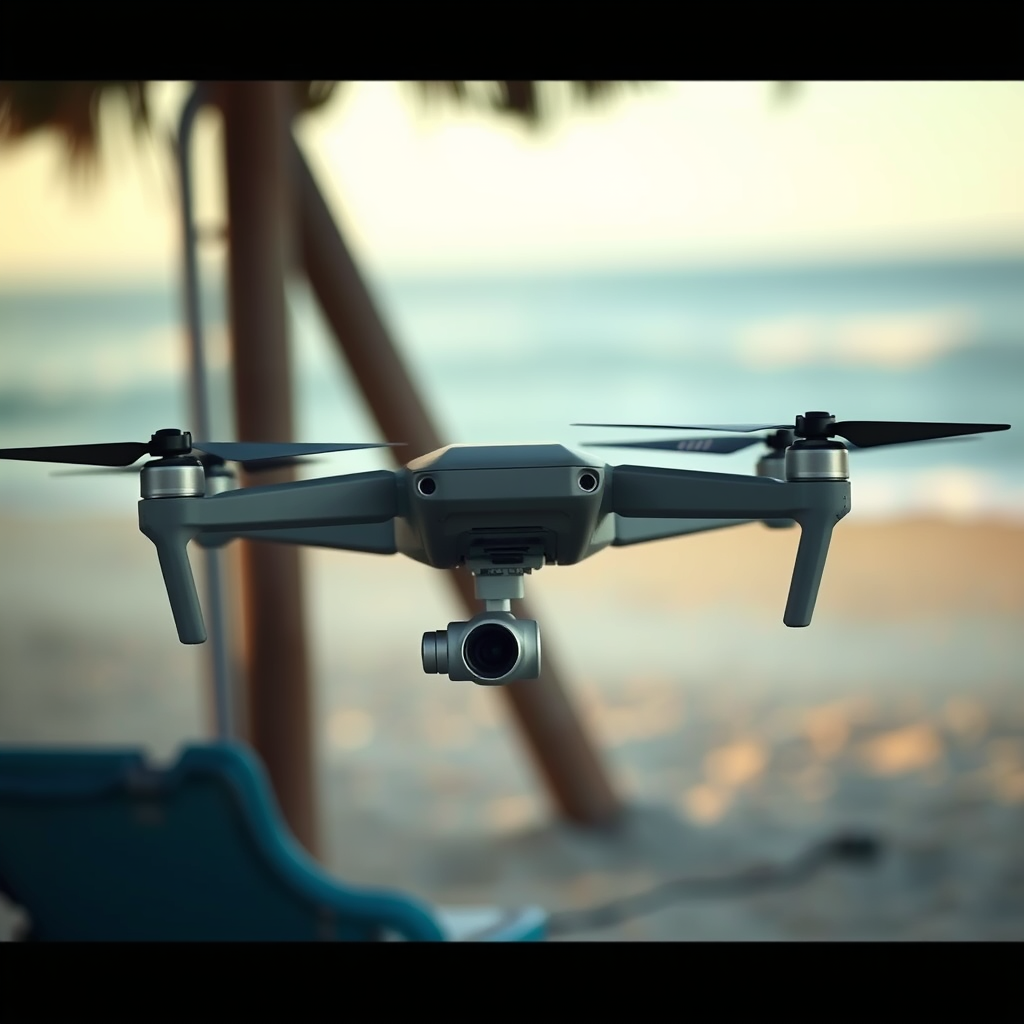
In addition to broader regulations, many beaches implement their own specific rules regarding drone usage. Some popular tourist beaches may have designated zones where drone flying is permitted, while others may completely ban it to avoid disturbing wildlife and preserving the serenity of the environment.
Always look for signage indicating drone regulations or consult local authorities for guidance. For example, certain beaches in California have been known to allow drone flying only in specific areas to minimize disturbances to wildlife and other beach visitors. Being aware of and respecting these rules not only protects the environment but also enhances your flying experience by preventing conflicts with local authorities.
Safety Considerations
Safety should always be a top priority when flying a drone, especially in crowded beach environments. To ensure the safety of both yourself and those around you, maintain a safe distance from beachgoers. Ideally, you should avoid flying over people and congested areas. The recommended distance is at least 50 feet away from individuals to minimize the risk of accidents.
Additionally, be mindful of wildlife in the area, particularly nesting birds, marine life, and other sensitive species. Drones can be startling to wildlife, potentially disrupting their natural behaviors. For instance, nesting seabirds may abandon their nests if threatened by drone activity. Always conduct a pre-flight assessment of the area to identify any wildlife habitats and adjust your flight plan accordingly.
Weather Conditions
Weather plays a significant role in drone operation, and flying at the beach can present unique challenges. Strong winds, rain, and sudden weather changes can negatively affect your drone’s performance and stability. Always monitor local weather forecasts before flying to ensure safe operating conditions.
Ideal flying conditions typically include mild winds (under 15 mph) and clear skies. Additionally, be cautious during peak beach hours when foot traffic is high, as this can increase the likelihood of accidents. If you notice inclement weather approaching, it’s best to postpone your flight until conditions improve.
Insurance and Liability
As a responsible drone operator, it is prudent to consider obtaining drone insurance. This can provide coverage in the event of accidents, damage to property, or injuries caused by your drone. Many insurance companies offer specific policies tailored for drone operators, which can give you peace of mind while flying in public spaces.
Understanding your liabilities is also crucial. If your drone causes harm to someone or something, you may be held financially responsible. Familiarize yourself with local laws regarding liability and insurance requirements to protect yourself and your assets while flying.
Best Practices for Flying at the Beach
To enhance your flying experience and ensure safety, consider adopting best practices when operating your drone at the beach. One effective strategy is to have a spotter accompany you during the flight. A spotter can help monitor the surroundings, watch for potential hazards, and assist in maintaining situational awareness while you focus on piloting the drone.
Additionally, adhere to the “line of sight” rule, which requires you to keep your drone within your visual line of sight at all times. This practice not only complies with FAA regulations but also helps you avoid potential collisions with obstacles such as trees, buildings, or other drones.
Lastly, consider using a pre-flight checklist to ensure that your drone is in optimal condition before takeoff. This checklist can include verifying battery levels, ensuring firmware updates are completed, and confirming that all controls are functioning correctly.
In conclusion, flying a drone at the beach is indeed possible, but it necessitates careful attention to local laws, safety practices, and environmental considerations. By conducting thorough research, adhering to regulations, and maintaining awareness of your surroundings, you can have a positive and enjoyable experience while capturing the beauty of coastal landscapes. Always prioritize safety and respect for others to ensure that your drone flying adventure is both memorable and responsible. Happy flying!
Frequently Asked Questions
Can I fly a drone at the beach without any restrictions?
Flying a drone at the beach is subject to both federal and local regulations. While the Federal Aviation Administration (FAA) allows drone use in many public spaces, specific areas like national parks or certain beaches may have restrictions. Always check local laws and regulations, and consider any posted signs or guidelines to ensure compliance before flying your drone.
What are the safety considerations for flying a drone at the beach?
Safety is paramount when flying a drone at the beach. Be mindful of strong winds, which can affect drone stability and control. Additionally, avoid crowded areas to prevent accidents, and keep a safe distance from people, wildlife, and other drones. Always maintain visual line-of-sight with your drone and be aware of any temporary flight restrictions in place due to events or wildlife nesting.
How can I find out if a specific beach allows drone flying?
To determine if a specific beach allows drone flying, start by searching the official website of the beach or local government authority, which often provides regulations related to drone use. You can also consult the FAA’s website for general guidelines and restrictions. Lastly, local drone enthusiast groups or forums may have valuable insights about flying drones in your desired location.
What is the best time to fly a drone at the beach for optimal conditions?
The best time to fly a drone at the beach is during early morning or late afternoon when wind speeds are typically lower, and the sun is less harsh. These times also provide stunning lighting for photography and videography. Additionally, flying during weekdays rather than weekends can help you avoid crowds, allowing for a more enjoyable and safer flying experience.
Which drones are best suited for flying at the beach?
When choosing a drone for beach flying, look for models that are wind-resistant and have a good battery life, such as the DJI Mavic Air 2 or the Autel Robotics EVO Lite. Ideally, opt for drones with a robust camera system if you plan to capture stunning beach landscapes. Additionally, consider waterproof or water-resistant drones if you’re close to water, as this can protect your investment from unexpected splashes or sand exposure.
References
- https://www.faa.gov/uas/getting_started/learn_about/
- https://www.nps.gov/subjects/drones/index.htm
- https://www.nytimes.com/2021/06/09/us/drone-beach-safety.html
- https://www.wired.com/story/faa-drone-regulations/
- https://www.abc.net.au/news/2021-11-15/drone-safety-beach-regulations/100634272
- https://www.surfertoday.com/drone-safety-at-the-beach
- https://www.nationalgeographic.com/science/article/drone-flying-rules-regulations-safety-tips
- https://www.nps.gov/articles/drone-use-in-national-parks.htm
- https://www.faa.gov/uas/where_to_fly/
- https://www.cnet.com/home/smart-home/drones-at-the-beach-what-you-need-to-know/
