
Yes, you can fly a drone in a city park, but it depends on local regulations and park policies. Each city has different rules governing drone usage, and parks may have their own specific guidelines that dictate where and how drones can be operated. Understanding these regulations is crucial to ensure a safe and legal flying experience. This article will delve into the necessary regulations, safety considerations, and best practices for operating drones in city parks.
Understanding Local Regulations
Before flying a drone in any public space, including city parks, it is imperative to research and understand local laws regarding drone usage. Many municipalities have enacted specific rules that govern where and how drones can be flown. For instance, some cities may prohibit drone flights in highly populated areas, near schools, or in spaces where large gatherings occur.
Additionally, it is essential to check if the city park itself has specific policies against drone flying. Some parks may have outright bans on drone operations due to noise concerns, the potential for accidents, or wildlife disturbances. To find accurate information, visit your local government’s website or contact the park management directly. By being informed of the rules that apply to your locality, you can avoid hefty fines and ensure a positive experience for yourself and other park-goers.
Federal Aviation Administration (FAA) Guidelines
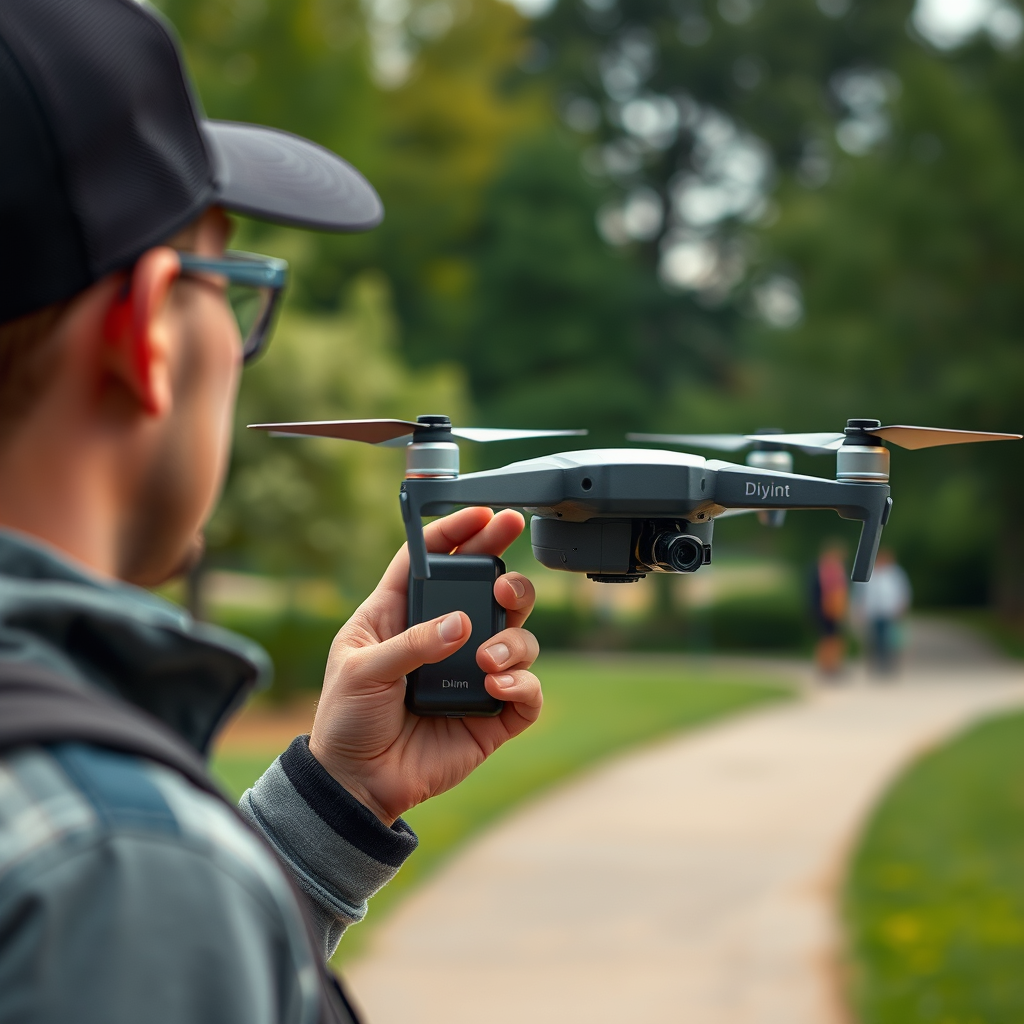
The Federal Aviation Administration (FAA) sets overarching regulations for drone operations in the United States, which all drone pilots must adhere to, regardless of location. First and foremost, familiarize yourself with FAA rules for drone operation, which include maintaining a visual line of sight with your drone, avoiding airspace near airports, and flying below 400 feet.
If your drone weighs more than 0.55 pounds, it must be registered with the FAA. Registration is a straightforward process that can be completed online, and it costs only $5 for a three-year period. Failure to register your drone can result in penalties and fines, so ensure that you comply with this federal requirement. The FAA’s guidelines are designed to promote safety and accountability among drone operators, contributing to a more secure flying environment for everyone.
Park-Specific Rules
Once you have familiarized yourself with local and federal regulations, the next step is to confirm if the park has designated areas for drone flying. Many parks have specific zones where drone use is permitted, while other areas may be restricted due to safety concerns or environmental protections.
Look for any posted signs that indicate drone restrictions. These signs can provide valuable information about where you can and cannot fly your drone. If no signs are present, it is still prudent to check with park officials to ensure compliance. Understanding park-specific rules not only helps you avoid penalties but also promotes goodwill between drone users and the wider community.
Safety Considerations
Safety should always be a priority when flying drones in public spaces. First and foremost, maintain a safe distance from people, animals, and property. The FAA recommends keeping at least 25 feet of distance from individuals and 100 feet from crowds. This precaution minimizes the risk of accidents and injuries.
Moreover, avoid flying in crowded areas to minimize risks. Parks can be busy places, especially on weekends, and operating a drone in close proximity to large groups can lead to dangerous situations. Instead, seek out open areas where you can fly without the risk of colliding with people or obstacles. Additionally, ensure that your drone is equipped with safety features such as “return to home” functionality and GPS tracking to enhance safety during your flight.
Best Practices for Flying Drones
To ensure a successful and enjoyable drone flying experience, adhere to best practices. Using a pre-flight checklist is an effective way to guarantee that your equipment is ready for operation. This checklist should include verifying battery levels, checking propeller conditions, and ensuring that your drone’s software is up to date. A thorough check can help prevent mechanical failures during flight, which can lead to accidents.
Respecting privacy is another critical aspect of responsible drone operation. Avoid filming individuals without their consent, especially in public spaces like parks where people expect a degree of privacy. If you plan to capture video footage, consider notifying those around you or seeking their permission. This practice fosters a respectful relationship between drone operators and the public, contributing to a more positive perception of drone usage.
Environmental Considerations
When flying a drone in a city park, it is crucial to be aware of wildlife and natural habitats. Parks often serve as sanctuaries for various animal species, and drone flights can potentially disturb their habitats. For example, flying drones near nesting birds can lead to abandonment of nests, which can have dire consequences for wildlife populations.
To minimize your impact on the environment, follow guidelines that promote conservation. This may involve avoiding certain flying times, such as during breeding seasons for local wildlife, and keeping your drone above designated altitudes to prevent disturbances. By being mindful of the natural ecosystem, drone pilots can enjoy their hobby while also promoting environmental stewardship.
Community Engagement
Engaging with the local drone community can provide valuable insights and enhance your flying experience. Joining local drone clubs or forums can connect you with other pilots who can share tips, experiences, and best practices. These connections can also keep you informed about local events, meetups, and changes in regulations.
Additionally, attending community meetings can help you understand public sentiment about drones and address any concerns that residents may have. Open dialogue with the community fosters goodwill and helps build a positive reputation for drone users. Being an active and responsible member of the community can contribute to more inclusive drone policies in the future.
In conclusion, flying a drone in a city park can be a rewarding experience, provided you adhere to local regulations and park policies. By understanding the rules, prioritizing safety, and respecting the community and environment, you can ensure a positive flying experience. Engaging with both the drone community and the public will further enhance your experience while promoting responsible drone use in shared spaces.
Frequently Asked Questions
Can I fly a drone in a city park without permission?
Generally, flying a drone in a city park may require permission, depending on local regulations and park rules. Many city parks have restrictions to ensure public safety and minimize disturbances to wildlife and other visitors. It’s essential to check with your city’s park department or local government website for specific regulations regarding drone usage in public parks.
What are the common restrictions for flying drones in urban parks?
Common restrictions for flying drones in urban parks include altitude limits, designated no-fly zones, and restrictions on flying near crowded areas or sensitive wildlife habitats. Additionally, many parks prohibit flying drones during specific hours, especially during events or peak visitor times. Always review park signage and local laws to ensure compliance before flying your drone.
How can I find out if a city park allows drone flying?
To determine if a city park allows drone flying, start by visiting the official website of your local parks and recreation department. They often provide guidelines and regulations regarding drone use. You can also contact park authorities directly to clarify any questions or concerns you may have about flying drones in that specific area.
Why is it important to follow drone regulations in city parks?
Following drone regulations in city parks is crucial for several reasons, including public safety, privacy, and wildlife protection. Non-compliance can lead to accidents, injuries, or violations that may result in fines or confiscation of your drone. By adhering to regulations, you contribute to a safer environment for all park visitors and help preserve natural habitats.
What is the best practice for flying a drone in a city park?
The best practice for flying a drone in a city park includes conducting thorough research on local regulations, ensuring you have the necessary permits, and maintaining a safe distance from people and wildlife. Additionally, always fly your drone within your visual line of sight, avoid flying during busy hours, and respect any posted signs regarding drone usage. This not only helps you stay compliant but also enhances the experience for everyone in the park.
References
- https://www.faa.gov/uas/getting_started/where_to_fly
- https://www.nationalparks.org/our-work/advocacy/drone-use-parks
- https://www.nps.gov/subjects/policy/drone-use-in-national-parks.htm
- https://www.ama-flightschool.com/news/drone-flying-in-parks-what-you-need-to-know
- https://www.smithsonianmag.com/smart-news/drone-use-national-parks-180970323/
- https://www.washingtonpost.com/technology/2021/07/06/drone-parks-regulations/
- https://www.nerdwallet.com/article/loans/drone-laws-what-you-need-to-know
- https://www.usc.edu/dept/publications/book/DroneRegulations.pdf
