
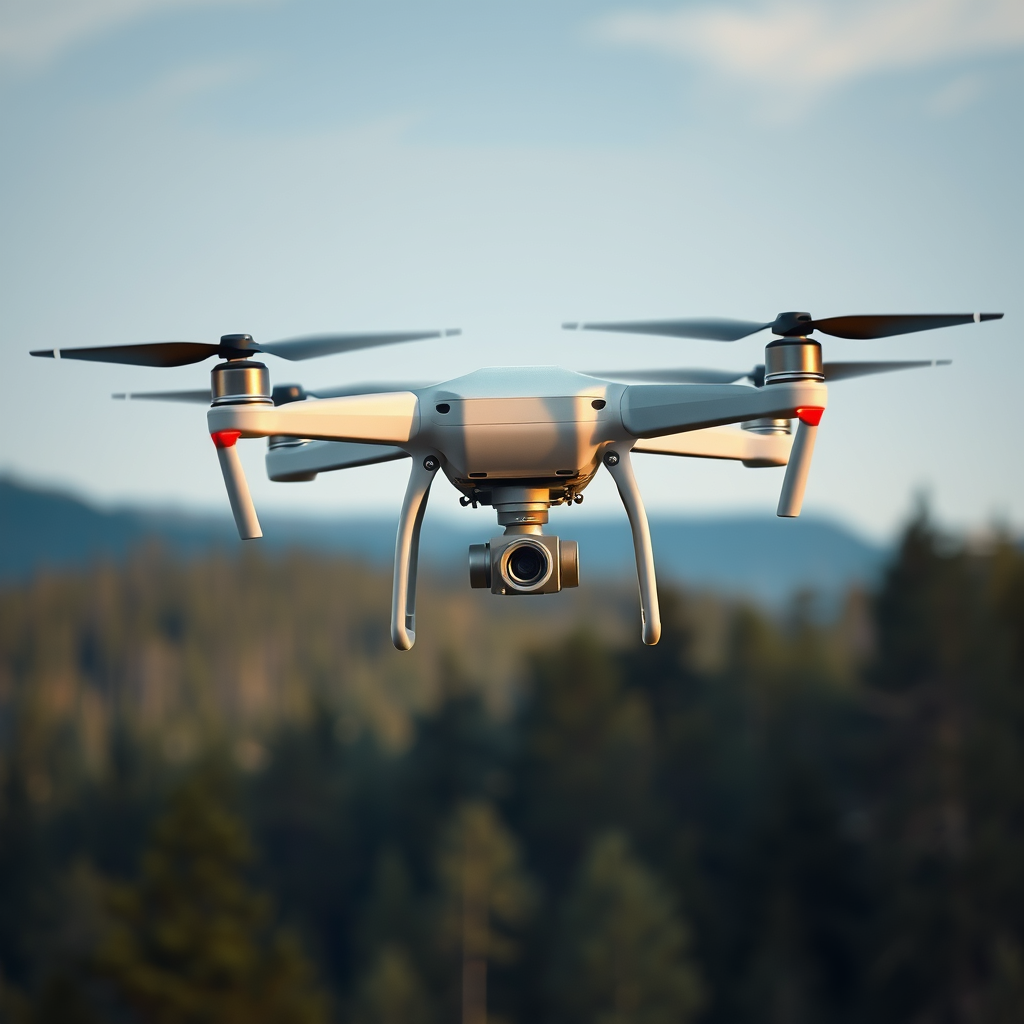
Yes, you can fly a drone in certain national forests, but there are specific regulations and restrictions you must follow. Understanding these guidelines is crucial to ensure that your drone flying experience is safe, legal, and respectful of the environment. National forests often provide breathtaking landscapes and unique wildlife, making them popular spots for drone enthusiasts. However, to enjoy these natural wonders responsibly, it’s essential to be well-informed about the relevant rules and best practices.
Understanding National Forest Regulations
The regulations governing drone use can vary significantly from one national forest to another. Some forests may allow drone flying in most areas, while others may impose strict limitations. For instance, many national forests have designated wilderness areas where drone use is strictly prohibited. These areas are often set aside to protect natural habitats and wildlife from disturbances caused by human activity.
For example, in the Sierra National Forest in California, drones are not allowed in designated wilderness areas to preserve the natural experience for visitors and protect sensitive ecosystems. Conversely, in the Coconino National Forest in Arizona, drone flying is generally permitted, but operators must adhere to specific guidelines. Therefore, it is imperative to consult the rules for the specific national forest you plan to visit to avoid any legal issues.
Federal Aviation Administration (FAA) Guidelines
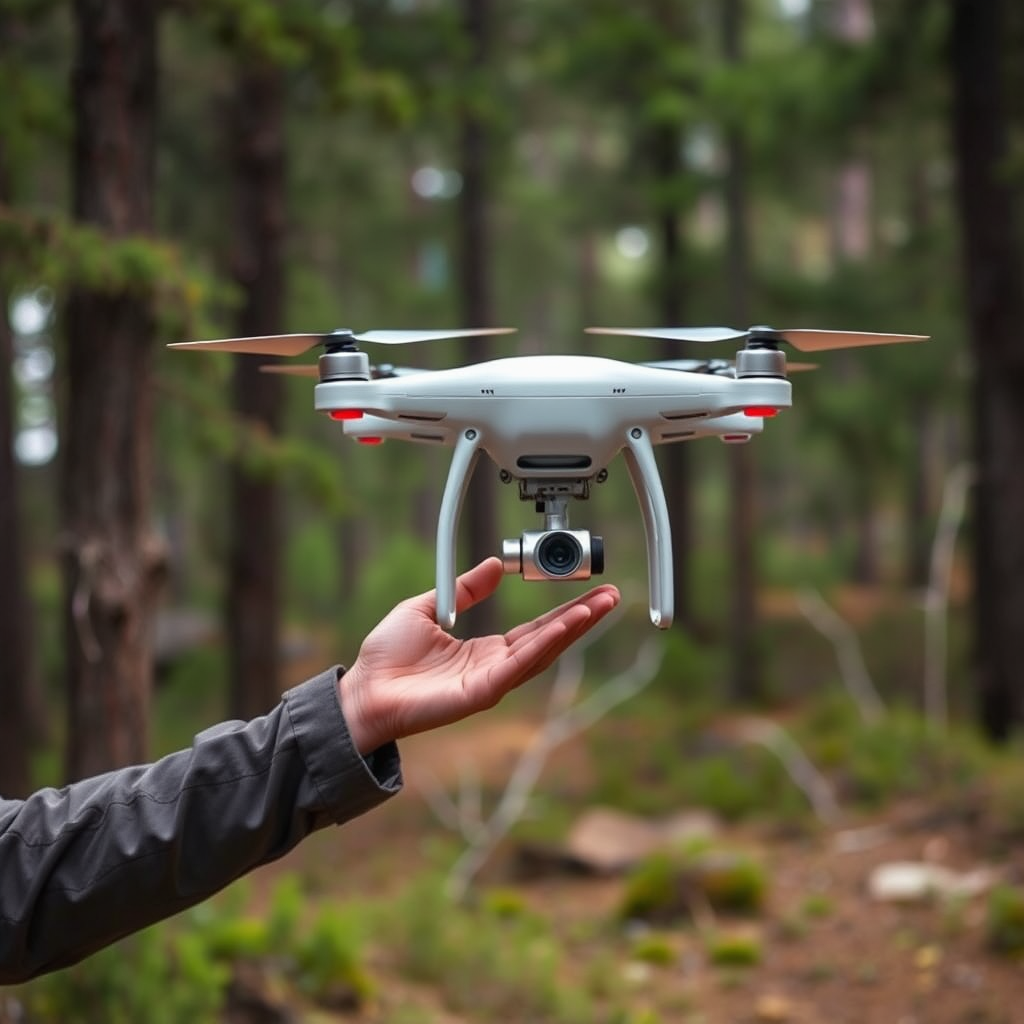
In addition to national forest regulations, drone operators must also comply with the Federal Aviation Administration (FAA) guidelines. According to the FAA, drones weighing over 0.55 pounds must be registered. This registration process is relatively straightforward and can be completed online. Once registered, operators must adhere to several FAA regulations, including maintaining visual line of sight with their drone and flying at or below 400 feet in altitude.
Furthermore, the FAA restricts drone operations near airports and other controlled airspace. Many national forests are located in proximity to airports, so it is essential to check local airspace regulations before flying. The FAA also stresses the importance of flying during daylight hours and avoiding flying over people or moving vehicles to ensure safety. Familiarizing yourself with FAA guidelines is crucial for a successful and lawful drone flying experience.
Local Forest Service Policies
Beyond federal regulations, each national forest may have its own set of policies regarding drone operation. It is advisable to consult the local U.S. Forest Service office or their website for specific policies related to drone use. Some forests may require special permits for drone flying, particularly if you plan to use your drone for commercial purposes or in sensitive areas.
For example, the U.S. Forest Service has established specific drone use policies in the Tongass National Forest in Alaska, where permits are required for any aerial photography or filming. Additionally, certain national forests may have designated flying zones where drone operation is encouraged, while others may have restricted areas. Always check local policies before your visit to ensure compliance and a seamless drone-flying experience.
Environmental Considerations
When flying a drone in national forests, it’s crucial to consider the potential impact on wildlife and the environment. Drones can disturb nesting birds and other sensitive species, which is why many national forests have established restrictions on flying in or near wildlife habitats. For instance, during certain times of the year, specific areas may be off-limits to drones to protect endangered species.
Respecting natural habitats is paramount. Operators should avoid flying over protected areas and should be vigilant about any wildlife they may encounter. If you spot wildlife while flying, it’s best to maintain a respectful distance. Additionally, some national forests may have specific guidelines on flying near water bodies to protect aquatic life. Always prioritize environmental stewardship when operating a drone to ensure that these beautiful ecosystems remain intact for future generations.
Safety and Best Practices
Safety should always be a top priority when flying a drone, especially in national forests where natural hazards may exist. Operators should be aware of their surroundings and avoid crowded areas, as well as other air traffic. Before flying, it is advisable to conduct a thorough pre-flight check of your drone’s equipment to ensure that it is functioning correctly.
Staying informed about any temporary flight restrictions in the area is also essential, as wildfires, search-and-rescue missions, or other emergencies may result in temporary no-fly zones. Additionally, operators should be prepared for changing weather conditions, as strong winds, rain, or poor visibility can pose risks to drone operation.
Best practices for drone flying in national forests include respecting fellow visitors, maintaining a safe distance from wildlife, and being mindful of noise pollution. Using a drone with a quiet operation mode can minimize disturbances to both wildlife and other visitors, enhancing the overall experience in nature.
Consequences of Violating Drone Regulations
Failing to adhere to drone regulations can lead to serious consequences, both from federal and local authorities. Violating FAA regulations may result in fines, and in some cases, criminal charges may be filed against the operator. The penalties can vary based on the severity of the violation, but they can reach thousands of dollars.
Moreover, local forest authorities may impose additional fines for non-compliance with forest service policies. In extreme cases, if an operator is found flying a drone illegally, there is a possibility of confiscation of the drone. To avoid these repercussions, it is crucial to remain informed about the regulations in the national forest you are visiting and to fly responsibly.
In conclusion, while flying a drone in a national forest is often permitted, it is essential to follow the specific regulations set by the FAA and local forest authorities. Understanding the nuances of national forest regulations, adhering to FAA guidelines, and being mindful of environmental considerations will help ensure a safe and enjoyable experience. Always prioritize safety and environmental stewardship when planning your flight. For more information, check your local forest service website or contact them directly to stay updated on the latest regulations and policies.
Frequently Asked Questions
Can I fly a drone in a national forest without a permit?
Flying a drone in a national forest typically requires adherence to specific regulations set forth by the U.S. Forest Service. Generally, you may need a special use permit to operate your drone commercially, while recreational users are often subject to different restrictions. It’s crucial to check the specific forest’s regulations on the U.S. Forest Service website or contact them directly to ensure compliance and avoid potential fines.
What are the rules for flying a drone in national parks versus national forests?
The rules for flying drones in national parks are much stricter than those in national forests. Most national parks prohibit drone use entirely, while national forests may allow it under certain conditions. Always check the regulations for the specific area you plan to visit, as rules can vary significantly based on local policies and wildlife preservation efforts.
Why is it important to follow drone regulations in national forests?
Following drone regulations in national forests is essential for several reasons, including protecting wildlife, ensuring public safety, and preserving the natural environment. Non-compliance can lead to disturbances in animal habitats and even endanger people who are hiking or camping in the area. Adhering to regulations helps maintain the natural beauty and integrity of these protected lands.
How can I find information about drone flying restrictions in a specific national forest?
To find information about drone flying restrictions in a specific national forest, visit the U.S. Forest Service website or the official website of the particular forest you are interested in. These resources typically provide detailed guidelines on drone usage, including any necessary permits and specific areas where flying is prohibited. Additionally, local ranger stations can offer updated information and advice.
What is the best way to ensure my drone flight in a national forest is safe and compliant?
To ensure your drone flight in a national forest is safe and compliant, start by reviewing and understanding the specific regulations for that forest. Always check for any temporary flight restrictions and avoid flying near crowds or wildlife to minimize disturbances. Additionally, maintain visual line of sight with your drone, avoid flying above the maximum altitude limit, and respect no-fly zones to ensure a responsible and enjoyable experience.
References
- https://www.fs.usda.gov/managing-land/national-forests-and-grasslands/recreational-activities/drone-use
- https://www.nps.gov/subjects/drones/index.htm
- https://www.faa.gov/uas/
- https://www.wildlife.state.nh.us/wildlife/drones.html
- https://www.nitrc.org/forum/forum.php?forum_id=6511
- https://www.apa.org/advocacy/technology/drones
- https://www.researchgate.net/publication/320610582_Use_of_Drones_in_Forest_Management
- https://www.sciencedirect.com/science/article/pii/S1470160X17301494
