

Yes, you can fly a drone in light rain, but it’s not recommended due to potential risks and damage to your equipment. While some drones may handle slight moisture, many consumer models are not built for wet conditions, which can lead to malfunctions, reduced visibility, and increased risk of accidents. Understanding the limitations and precautions can help you make an informed decision about flying in less-than-ideal weather.
Understanding Drone Weather Resistance
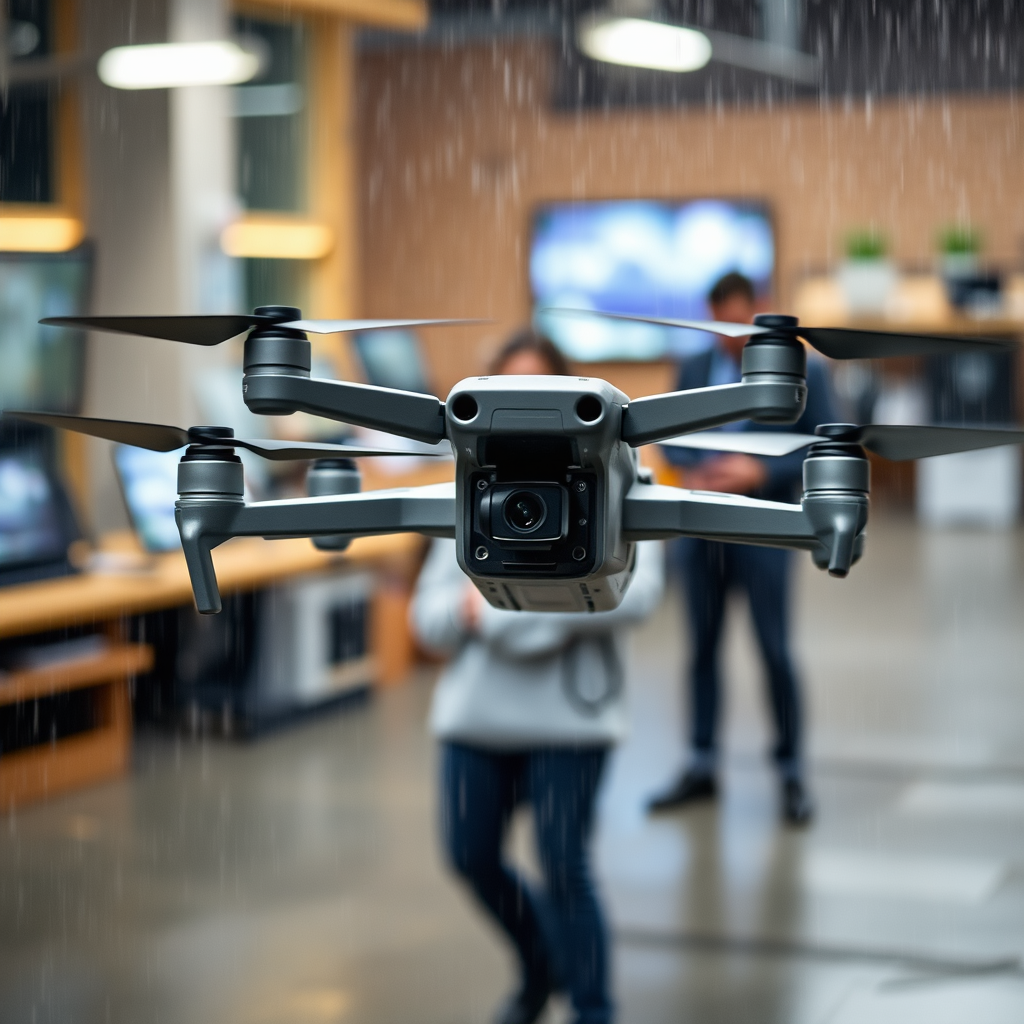
When considering whether to fly your drone in light rain, it is crucial to understand the weather resistance of your specific model. Many consumer drones are not equipped to handle wet conditions effectively. The degree of water resistance can vary significantly between different models, making it essential to check each drone’s IP rating (Ingress Protection). The IP rating provides a standardized measure of a device’s protection against solids and liquids. For example, a drone with an IP rating of IP43 is protected against water sprayed at an angle, while a drone rated IP67 can withstand immersion in water up to a meter for a limited time. Knowing your drone’s IP rating can help you gauge its suitability for flying in light rain.
In addition to IP ratings, consider the materials used in your drone’s construction. Drones with sealed components and corrosion-resistant materials are better suited for adverse weather conditions. However, even drones designed for wet environments are not immune to damage from heavy rain or prolonged exposure. Therefore, it is advisable to err on the side of caution and avoid flying in any significant precipitation.
Risks of Flying in Light Rain
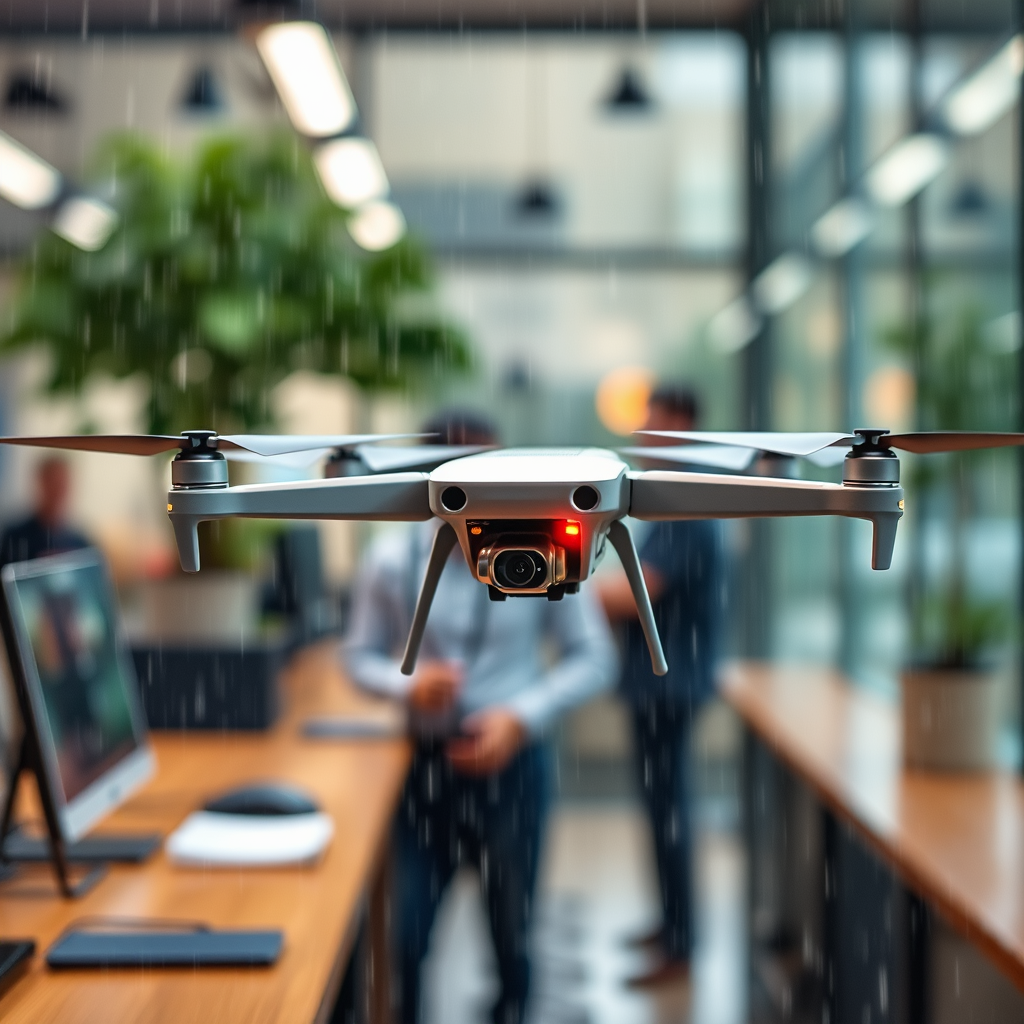
Flying a drone in light rain introduces several risks that can jeopardize both the safety of the drone and the surrounding environment. One of the primary concerns is the potential for water to interfere with the drone’s electronics. Moisture can seep into sensitive components, leading to electrical shorts and malfunctions. For instance, a malfunctioning GPS signal could result in loss of control, causing the drone to crash.
Another significant risk is reduced visibility. Light rain can obscure your line of sight, making it difficult to navigate or see the drone clearly. This can lead to collisions with obstacles, as well as create challenges in maintaining visual contact, which is often a legal requirement for drone operators. Additionally, rain can affect the drone’s radar systems, making it harder for the drone to detect nearby objects and navigate safely.
Furthermore, flying in light rain can expose the drone to gusty winds, which can exacerbate the effects of rain and make control more challenging. Wind can cause the drone to drift unpredictably, increasing the risk of accidents. As such, understanding these risks is vital in making a responsible decision about flying in adverse weather conditions.
Recommended Precautions
If you decide to fly in light rain despite the risks, taking the right precautions can help mitigate potential issues. First and foremost, choose a drone with a high IP rating or one specifically designed for inclement weather. For example, professional-grade drones like the DJI Matrice series offer robust weather resistance that may allow for limited flying in light rain.
Additionally, avoid flying near water bodies or in areas where gusty winds are common. Flying in such environments can increase the likelihood of encountering unexpected weather changes, which can pose serious risks. If you must fly, keep your flights short and close to your launch point, allowing for quick retrieval in case of adverse conditions.
Another precaution is to monitor weather forecasts closely. Stay informed about changing weather patterns and be prepared to abort your flight if conditions worsen. Having a reliable weather app or service can provide real-time updates that help you make timely decisions about flying.
Alternative Solutions
If the weather forecast predicts rain or if you’re already experiencing light rain, consider postponing your flight until conditions improve. While it may be disappointing to delay your plans, the safety of your drone and the surrounding environment should take precedence.
If flying in light rain is absolutely necessary, consider using a drone with a rain cover. These covers can provide an additional layer of protection against rain, helping to keep your drone’s electronics dry. However, it’s important to ensure that the cover does not obstruct any sensors or cameras, as this could lead to further complications.
Finally, exploring indoor flying options can be an excellent alternative when weather conditions are unfavorable. Many drone enthusiasts enjoy flying in indoor spaces or drone racing arenas that offer controlled environments, allowing for practice and enjoyment without the risks associated with outdoor flying in inclement weather.
Legal Considerations
Before flying a drone in light rain or any adverse weather conditions, it is essential to familiarize yourself with local regulations governing drone operation. In some jurisdictions, there are specific laws regarding flying in inclement weather that may prohibit such activities entirely. For example, the Federal Aviation Administration (FAA) in the United States has established guidelines that require operators to maintain visual line of sight and avoid conditions that may impair their ability to do so.
Moreover, local aviation authorities may have additional restrictions in place that govern drone flight during adverse weather. Therefore, it is wise to consult local regulations before proceeding with your flight. Ensuring compliance not only helps avoid legal repercussions but also promotes safe flying practices for all drone enthusiasts.
Maintenance After Flying in Rain
If you do fly your drone in light rain, proper maintenance afterward is crucial to ensure its longevity and performance. Start by drying off the drone thoroughly using a soft, lint-free cloth to remove any moisture from the exterior. Pay special attention to crevices and joints where water may accumulate, as these areas are prone to corrosion.
Next, inspect and clean the drone’s components, including the propellers, motors, and camera. Use a soft brush or compressed air to remove any debris or water that may have entered the drone during flight. Additionally, consider applying a protective coating to sensitive areas to enhance water resistance in future flights.
Regular maintenance checks should also include assessing the drone’s battery, as moisture can significantly impact battery performance and safety. If you suspect that water has penetrated the battery compartment, it may be wise to consult a professional for further evaluation and service.
In summary, while flying a drone in light rain is technically possible, it poses significant risks to your equipment and safety. Always weigh the conditions and consider alternative options before proceeding. Prioritizing safety and understanding your drone’s limitations can ensure a more enjoyable flying experience.
Frequently Asked Questions
Can I fly a drone in light rain?
While flying a drone in light rain is technically possible, it is generally not recommended. Most consumer drones are not designed to be water-resistant, and exposure to moisture can damage the internal components or affect the drone’s performance. In addition, rain can impair visibility and GPS signals, making it harder to control the drone safely.
What are the risks of flying a drone in light rain?
The primary risks of flying a drone in light rain include potential water damage to the electronic components, reduced battery life due to cooler temperatures, and compromised flight stability. Rain can also lead to poor video quality and difficulty in maintaining a clear line of sight, which can result in accidents or crashes.
How can I protect my drone from rain while flying?
To protect your drone from rain, consider investing in a waterproof drone or using a protective cover designed for your specific model. Additionally, you can limit your flight time to minimize exposure to moisture and avoid flying in areas where rain is heavy or persistent. Always check the weather forecast before your flight to ensure conditions are safe.
Why do some drones claim to be water-resistant?
Some drones are marketed as water-resistant because they are designed with seals and coatings that help prevent moisture from entering their internal components. However, “water-resistant” does not mean “waterproof”; these drones can still be damaged if exposed to heavy rain or submersion in water. Always review the manufacturer’s specifications and limitations regarding water exposure before flying in adverse weather conditions.
What should I do if my drone gets wet in light rain?
If your drone gets wet in light rain, immediately land it in a safe location and power it off to prevent short-circuiting. Gently wipe off any excess water and allow the drone to dry completely before attempting to use it again. In more severe cases, consider consulting a professional for repairs if you suspect water damage has occurred.
References
- https://www.faa.gov/uas/getting_started/part_107
- https://www.suasnews.com/2020/01/the-impact-of-weather-on-drone-operations/
- https://www.wired.com/story/drones-in-the-rain/
- https://www.theguardian.com/technology/2021/oct/12/drones-and-the-weather-what-you-need-to-know
- https://www.nasa.gov/feature/nasa-researching-how-drones-can-fly-in-the-rain
- https://www.droneenthusiast.com/drone-weather-flying-in-the-rain/
- https://www.nytimes.com/2020/08/04/technology/drone-flying-tips.html
- https://www.dji.com/uk/flying-safely/weather
