
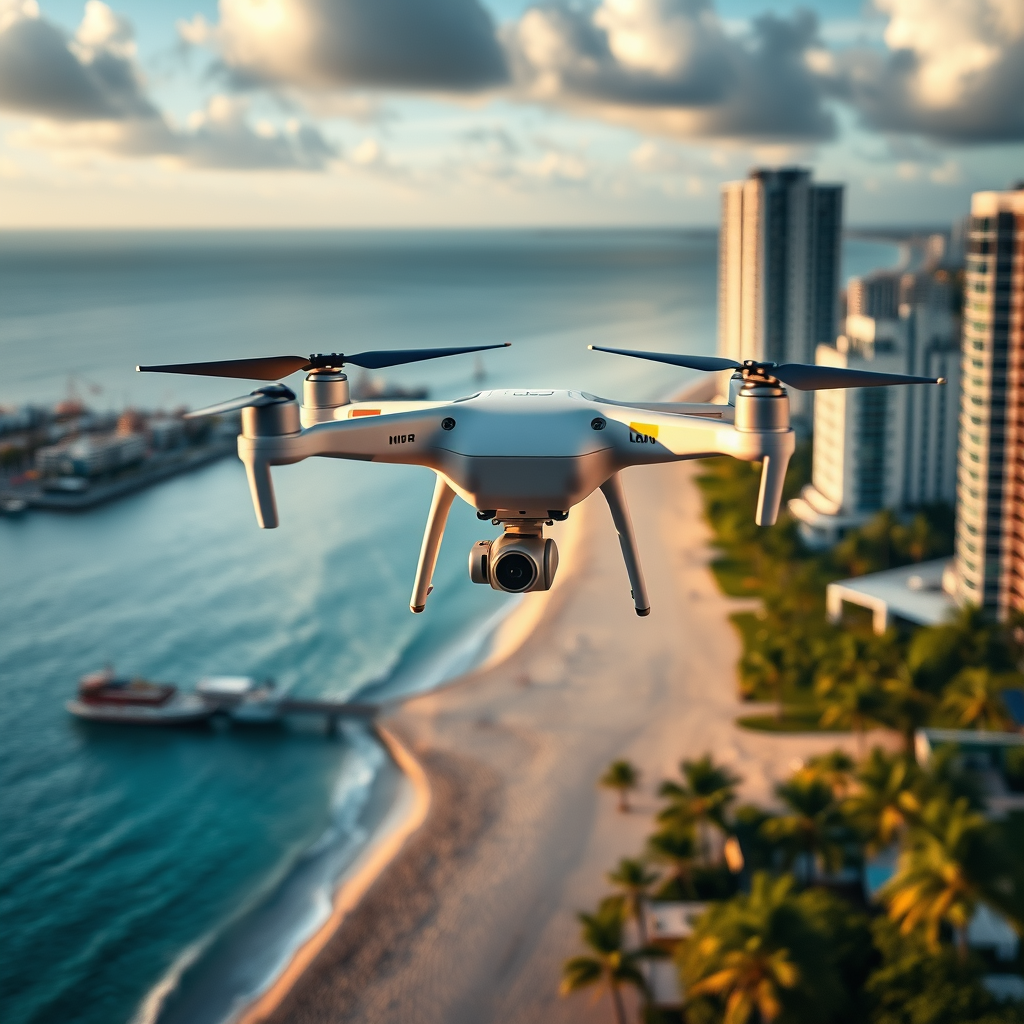
Yes, you can fly a drone in Miami Beach, but there are specific regulations and guidelines you must follow to ensure safety and compliance. Miami Beach, with its stunning coastline and vibrant atmosphere, is a fantastic location for drone enthusiasts. However, it is essential to navigate the complex landscape of federal and local laws to enjoy this hobby responsibly. This article will guide you through the necessary steps, local laws, and best practices for flying your drone in this vibrant location.
Understanding FAA Regulations
The Federal Aviation Administration (FAA) governs drone use across the United States and establishes the framework under which all drone operators must operate. If your drone weighs over 0.55 pounds, registration with the FAA is mandatory. This regulation is designed to promote accountability among drone operators and facilitate the tracking of drones in the event of violations or incidents.
For commercial drone operators, adherence to the FAA’s Part 107 rules is non-negotiable. These regulations encompass a wide range of requirements, including passing an aeronautical knowledge test, obtaining a remote pilot certificate, and following specific operational guidelines, such as maintaining visual line-of-sight and limiting flight altitude to 400 feet. Furthermore, commercial operators must also ensure that their drones are equipped with appropriate safety features, such as anti-collision systems.
Understanding these regulations is crucial for any drone pilot in Miami Beach, as failure to comply can result in significant penalties, including fines and legal action.
Local Laws and Restrictions
In addition to federal regulations, Miami Beach has its own specific ordinances that may restrict drone use in certain areas. Local laws are often enacted to protect public safety and privacy, and drone operators must be aware of these regulations to avoid legal repercussions.
Before taking off, it is essential to check local parks and beach regulations, as many public spaces have rules governing drone flight. For instance, certain zones, such as South Beach, are popular among tourists and locals, but flying a drone in these crowded areas can pose safety hazards. Additionally, drone use is typically prohibited within a certain radius of Miami International Airport due to air traffic considerations.
Operators should also be mindful of events such as concerts, festivals, or sporting events, where drone flights may be banned entirely to ensure the safety of attendees. It is always prudent to check with local authorities or consult the Miami Beach Parks and Recreation Department for the latest updates on drone regulations.
Best Practices for Flying Drones in Miami Beach
To ensure a safe and enjoyable flying experience in Miami Beach, adhering to best practices is essential. First and foremost, maintain visual line of sight with your drone at all times. This not only complies with FAA regulations but also allows you to maintain awareness of your surroundings and avoid potential collisions with other aircraft, structures, or people.
It’s also crucial to avoid flying over people and private property without obtaining explicit permission. Respecting the privacy of residents and beachgoers fosters goodwill and helps to mitigate conflicts. In addition, be mindful of weather conditions—strong winds, rain, or poor visibility can significantly impact your drone’s performance and increase the risk of accidents.
Lastly, familiarize yourself with the drone’s controls and capabilities. Conducting a test flight in an open, low-traffic area before taking your drone to scenic spots can help you gauge its responsiveness and ensure you are comfortable operating it.
Popular Drone Flying Spots in Miami Beach
Miami Beach offers several prime locations for drone flying, each providing unique perspectives and picturesque views. The beach areas, with their expansive horizons and clear blue waters, are a favorite choice among drone enthusiasts. Capturing aerial shots of the coastline can yield stunning visuals that showcase Miami Beach’s natural beauty.
Lummus Park is another favored spot, known for its lush greenery and vibrant atmosphere. This park provides ample open space for drone flying while allowing operators to capture the essence of Miami Beach’s culture.
For those interested in architecture, the Art Deco Historic District offers unique backdrops that highlight Miami’s architectural heritage. The colorful buildings and distinct styles can create captivating images from an aerial perspective. However, when flying in this area, always be cautious of the crowds and adhere to local regulations regarding drone use.
Safety Tips for Drone Operators
Safety should always be a top priority for drone operators. Before each flight, conduct a thorough pre-flight check on your drone, ensuring that the battery is fully charged, the propellers are in good condition, and the firmware is up-to-date. This can prevent technical malfunctions and ensure a smooth flying experience.
During your flight, keep a safe distance from other flyers and pedestrians to avoid accidents. Always be prepared to land your drone quickly in case of emergencies, such as sudden weather changes or equipment failure.
Additionally, consider the use of ‘geofencing’ technology, which can help prevent your drone from entering restricted airspace. Many modern drones come equipped with this feature, which can be particularly beneficial in urban environments like Miami Beach.
Consequences of Violating Drone Laws
Violating FAA or local regulations can lead to serious consequences, including fines, penalties, and even criminal charges in extreme cases. The FAA has been known to impose hefty fines for non-compliance, and local law enforcement may take action against individuals flying drones in restricted areas.
Moreover, there is a significant risk of having your drone confiscated if found in violation of regulations. This can be particularly disheartening for enthusiasts who invest considerable time and resources into their hobby. Practicing responsible flying not only ensures compliance with laws but also helps maintain a positive perception of drone use within the community.
In summary, flying a drone in Miami Beach is possible, but it requires adherence to specific regulations and safety practices. Always stay informed about local laws and be a responsible flyer to enjoy this exciting hobby while respecting the community. By following the guidelines outlined in this article, you can ensure a safe and enjoyable experience while capturing the breathtaking views that Miami Beach has to offer. For the most up-to-date information, always check local resources and the FAA website before your next flight!
Frequently Asked Questions
Can I fly a drone in Miami Beach without a permit?
In Miami Beach, flying a drone typically requires adherence to both federal regulations set by the Federal Aviation Administration (FAA) and local laws. While recreational drone pilots might not need a specific permit, they must register their drone if it weighs more than 0.55 pounds and follow the guidelines for flying in crowded areas or near airports. Always check local ordinances as they may impose additional restrictions.
What are the drone flying regulations in Miami Beach?
Drone flying regulations in Miami Beach mandate that operators must comply with FAA guidelines, which include flying below 400 feet, keeping the drone within visual line-of-sight, and avoiding flying over people or moving vehicles. Additionally, drone pilots should also check for any specific local restrictions imposed by the city, particularly concerning parks and beaches, to ensure compliance and avoid fines.
Why are there restrictions on flying drones in Miami Beach?
Restrictions on flying drones in Miami Beach are primarily in place for safety, privacy, and environmental protection. Given the high density of people, the proximity to airports, and the presence of wildlife, these regulations help minimize risks of accidents, protect personal privacy, and preserve the natural habitat. Adhering to these regulations ensures a safer experience for both drone users and the general public.
Which areas in Miami Beach are prohibited for drone flying?
In Miami Beach, certain areas are designated as no-fly zones for drone usage, including near airports, densely populated tourist areas, and public parks. Specific beaches may also have restrictions, especially during events or festivals. It’s important for drone operators to research and verify these no-fly zones to avoid legal issues and ensure safety while flying.
What is the best time to fly a drone in Miami Beach?
The best time to fly a drone in Miami Beach is typically early in the morning or late in the afternoon when the weather is calmer and there are fewer people on the beaches. These times provide optimal flying conditions and stunning lighting for photography and videography. Additionally, checking weather forecasts for wind and rain conditions can help ensure a successful flight experience.
References
- https://www.faa.gov/uas/getting_started/register_drone
- https://www.faa.gov/uas
- https://www.miami-beach-fl.gov/city-hall/transportation/drone-operations/
- https://www.nps.gov/articles/drone-use-in-national-parks.htm
- https://www.wm.edu/as/english/faq/faq_drone_use_on_campus.php
- https://www.abcnews.go.com/US/drone-flying-rules-know/story?id=67801396
- https://www.nerdwallet.com/article/investing/drone-law-guide
