
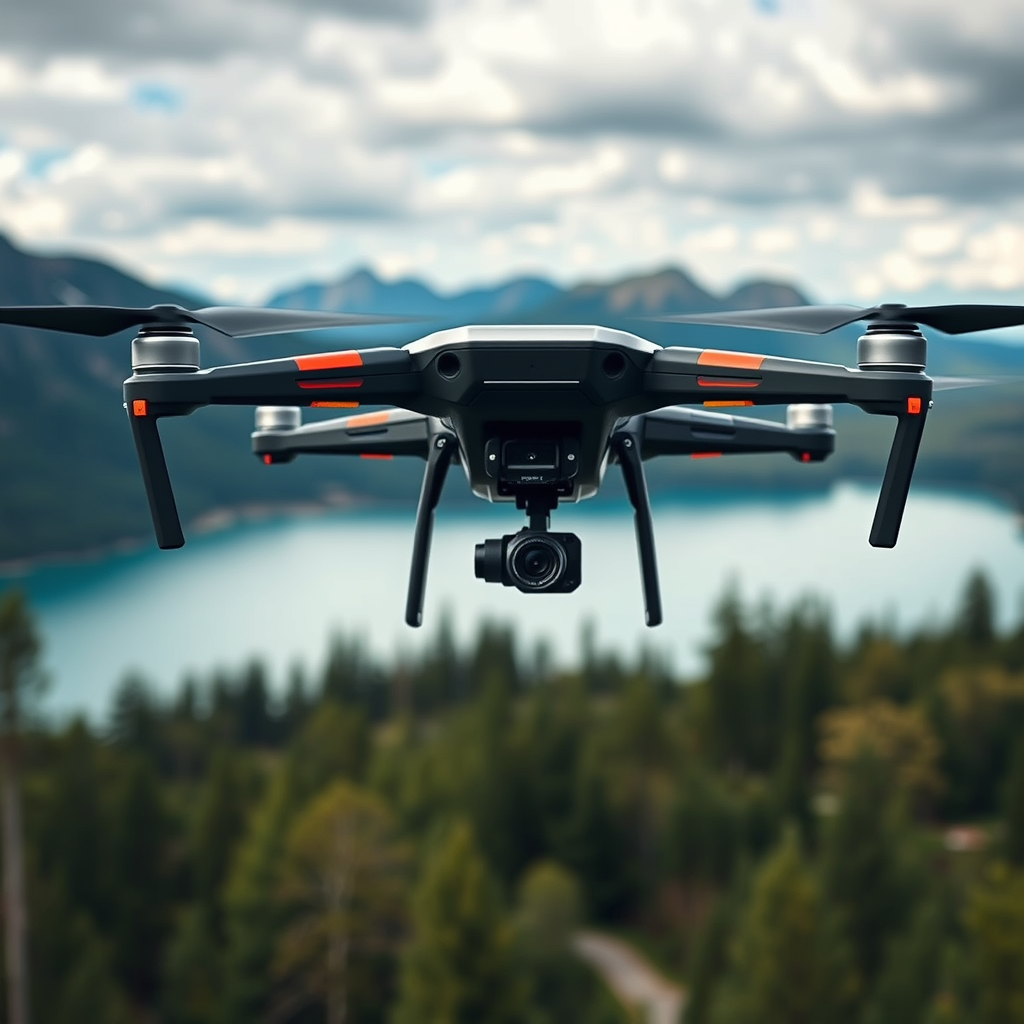
Yes, you cannot fly a drone in national parks. The National Park Service (NPS) has implemented strict regulations prohibiting drone use to protect wildlife and ensure the safety of all visitors. Understanding these regulations is crucial for both drone enthusiasts and nature lovers alike. In this article, we will delve into the rationale behind these restrictions, outline any exceptions that may apply, and suggest alternative ways for drone operators to enjoy their hobby while respecting park guidelines.
Overview of National Park Service Regulations
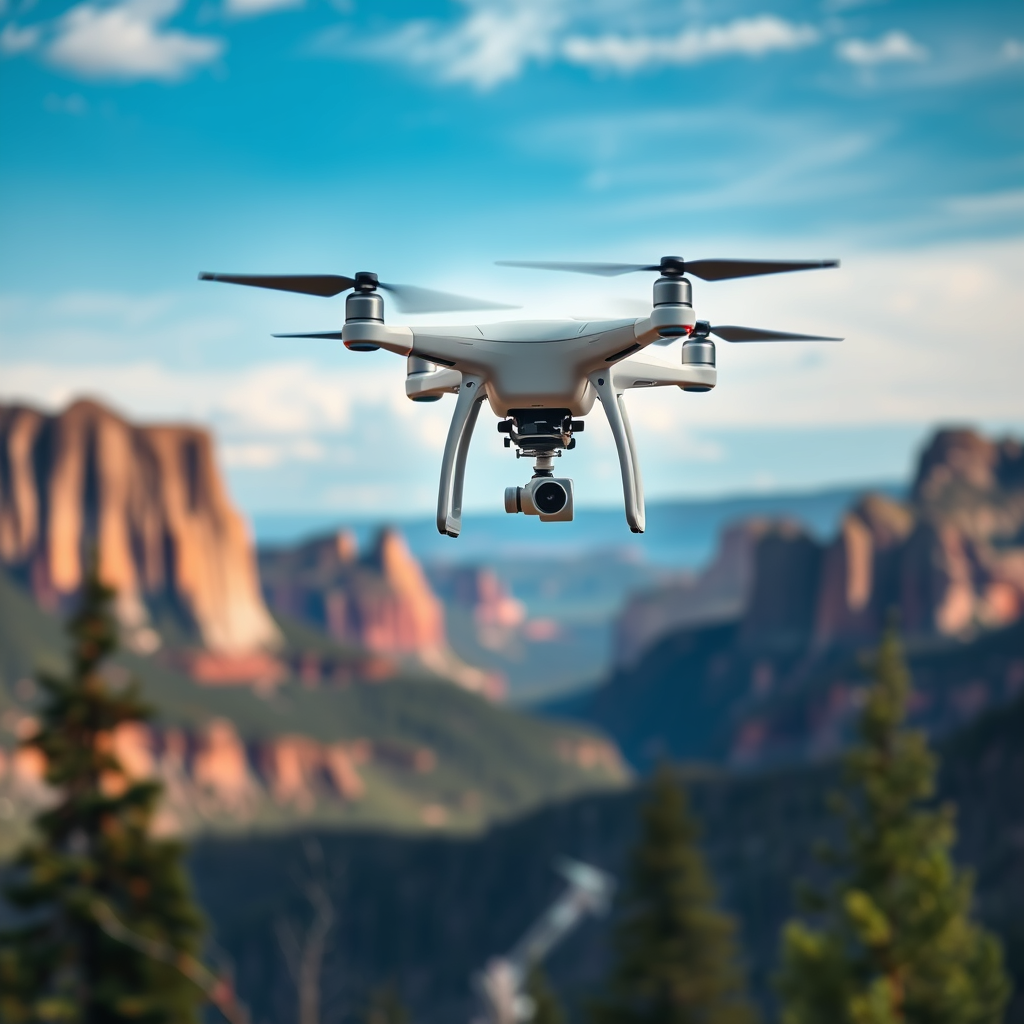
The National Park Service (NPS) enforces a set of regulations aimed at preserving the natural environment and enhancing visitor experiences in national parks. Drones, classified as “unmanned aircraft,” fall under these regulations and are generally prohibited within park boundaries. This prohibition applies to all national parks across the United States, including iconic locations such as Yellowstone, Yosemite, and the Grand Canyon. The primary intent behind these regulations is to maintain the serene and unspoiled nature of these environments, which are often home to diverse wildlife and serve as recreational spaces for millions of visitors each year.
The NPS has established clear guidelines regarding drone operation, which can be found on their official website. This includes a comprehensive list of prohibited activities and the reasoning behind them. As drone technology evolves and becomes more accessible, the need for clear regulations has become imperative to ensure that national parks remain safe and enjoyable for everyone.
Reasons for the Ban on Drones
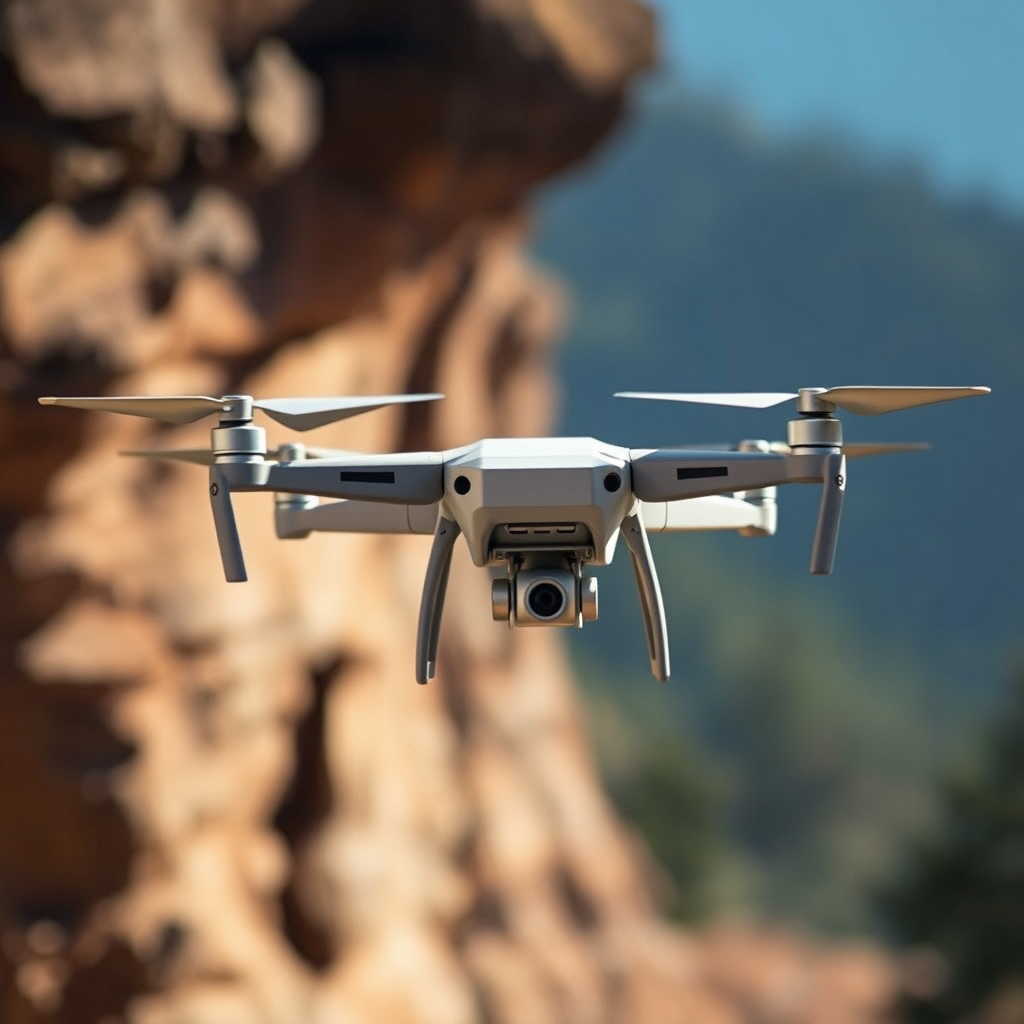
The ban on drones in national parks is primarily motivated by two significant concerns: wildlife disturbance and visitor experience.
Wildlife Disturbance
One of the foremost reasons for the NPS’s drone prohibition is the potential for wildlife disturbance. Drones can create noise and visual disturbances that can stress animals, leading them to alter their natural behaviors. For instance, nesting birds may abandon their nests due to the presence of drones, while larger mammals such as bears and elk may exhibit heightened stress responses when approached by the buzzing of unmanned aircraft. This disruption can have far-reaching impacts on animal populations and their habitats, ultimately threatening the delicate balance of ecosystems that national parks strive to protect.
Visitor Experience
In addition to wildlife concerns, the presence of drones can significantly detract from the visitor experience that national parks aim to provide. Many park-goers seek the tranquility and natural beauty that these lands offer, and the noise generated by drones can disrupt this peaceful environment. Visitors may find the sight of drones flying overhead to be intrusive, diminishing the immersive experience of connecting with nature. The NPS prioritizes preserving the natural ambiance of parks, ensuring that all visitors can enjoy their surroundings without unnecessary disturbances.
Exceptions to the Rule
While the use of drones is largely banned in national parks, there are rare exceptions where permits may be granted for specific purposes.
Special Permits
In exceptional circumstances, individuals or organizations may apply for special permits to use drones for research, educational purposes, or film production. These permits are not easily obtained and are typically reserved for projects that can demonstrate a clear benefit to conservation or education within the park. For example, a wildlife biologist studying animal behavior might be granted permission to use a drone for aerial surveys, provided that it is conducted in a way that minimizes disturbance to wildlife.
Commercial Use
Commercial drone operators looking to capture high-quality aerial footage or conduct business-related activities in national parks must also apply for a special use permit. This process is stringent and requires operators to adhere to specific guidelines that prioritize safety and environmental stewardship. The application process typically involves submitting detailed plans outlining the intended use, potential impacts, and measures to mitigate any disturbances.
Alternatives to Flying Drones
For drone enthusiasts seeking to capture stunning landscapes and aerial views, there are several alternatives to flying drones in national parks.
Photography
One effective alternative is using high-quality cameras equipped with telephoto lenses. This allows photographers to capture breathtaking images from a distance without the need for drones. Many national parks offer spectacular vantage points that provide excellent opportunities for landscape photography, showcasing the park’s natural beauty without disturbing wildlife or fellow visitors.
Drone-Friendly Locations
Another option is to explore areas outside national parks that permit drone flying. Many local parks, open spaces, and recreational areas allow drone use. Researching these locations on platforms such as DroneAdventures or local drone community forums can help enthusiasts find drone-friendly spots that still offer impressive scenery.
Tips for Responsible Drone Use
For those who choose to fly drones outside of national parks or in permitted areas, adhering to responsible drone use is crucial.
– Research Local Laws and Regulations: Always familiarize yourself with the local laws regarding drone operation. Each state and municipality may have its own set of rules, and it’s important to be aware of any restrictions that may apply.
– Respect Wildlife and Fellow Park Visitors: When flying a drone, maintain a respectful distance from wildlife and minimize noise levels. Avoid flying near nesting areas or known wildlife habitats to reduce the risk of disturbing animals. Furthermore, be considerate of other visitors by flying your drone in less crowded areas and being mindful of their experience.
Resources for Drone Operators
To stay informed about regulations and best practices for drone operation, several valuable resources are available.
– National Park Service Website: The NPS website is the primary source for the latest updates on regulations concerning drone use in national parks. It provides comprehensive information on permitted activities, special use permits, and any changes to existing policies.
– Local Drone Clubs or Communities: Engaging with local drone clubs can provide insights into drone-friendly locations and foster connections with fellow enthusiasts. These communities often share tips, resources, and experiences related to responsible drone use.
In conclusion, while flying a drone in national parks is prohibited, there are still ample opportunities for enthusiasts to engage in aerial photography and videography. By understanding and respecting the regulations set forth by the National Park Service, individuals can help preserve the natural beauty and integrity of these treasured landscapes. Exploring alternative methods to capture stunning imagery and staying informed about local regulations will ensure that nature remains unspoiled for future generations to enjoy.
Frequently Asked Questions
Can I fly a drone in national parks without a permit?
No, you cannot fly a drone in national parks without a permit. The National Park Service has strict regulations that prohibit the use of drones in these areas to protect wildlife, preserve the natural beauty, and ensure the safety of all visitors. If you wish to use a drone for commercial purposes, you must apply for a special use permit and adhere to specific guidelines set by the park’s management.
What are the consequences of flying a drone in a national park?
The consequences of flying a drone in a national park can include hefty fines, the confiscation of your drone, and even a ban from the park. Violating the National Park Service regulations can also lead to criminal charges, depending on the severity of the offense. It’s essential to respect these rules to protect the environment and avoid legal issues.
Why are drones banned in national parks?
Drones are banned in national parks primarily to protect wildlife and their habitats, minimize noise pollution, and ensure the safety of visitors. The presence of drones can disturb animals, disrupt natural behaviors, and detract from the serene experience that parks aim to provide. By prohibiting drone use, the National Park Service strives to maintain the parks’ natural and cultural resources.
How can I legally fly a drone near a national park?
To legally fly a drone near a national park, ensure you comply with local laws and regulations governing drone use. Check the FAA guidelines and any state-specific laws, and consider flying from designated areas outside the park boundaries. Additionally, familiarize yourself with any local ordinances, and always respect private properties when choosing a location.
What are the best alternatives to flying a drone in national parks?
The best alternatives to flying a drone in national parks include using high-quality cameras for photography or videography, participating in guided tours that may offer scenic views, or utilizing professional aerial footage services. You can also consider visiting nearby areas where drone flying is permitted, ensuring you capture breathtaking landscapes without violating regulations.
References
- https://www.nps.gov/subjects/drones/index.htm
- https://www.faa.gov/uas/recreational_fliers/
- https://www.nps.gov/aboutus/news/publications/drone-flying-in-national-parks.htm
- https://www.audubon.org/news/flying-drones-national-parks-what-you-need-know
- https://www.usatoday.com/story/travel/2021/06/30/drone-use-national-parks/7760055002/
- https://www.washingtonpost.com/transportation/2021/07/12/drone-national-parks/
- https://www.wildlife.org/drones-are-they-harmful-to-wildlife/
