
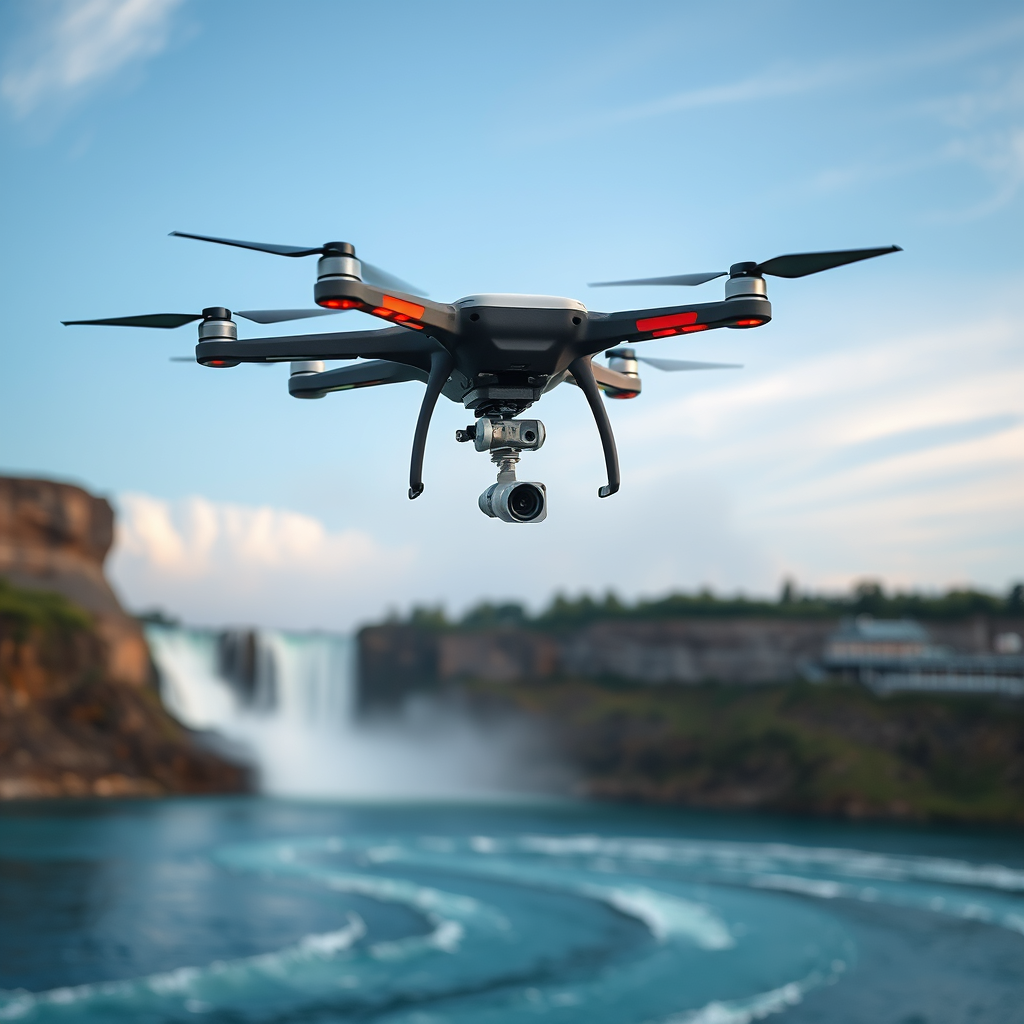
Yes, you can fly a drone in Niagara Falls, but there are specific regulations and restrictions you must follow. Understanding these rules is crucial for a safe and enjoyable flying experience. As one of the most breathtaking natural wonders of the world, Niagara Falls attracts millions of visitors each year, making it a popular destination for drone enthusiasts. However, to ensure safety and respect for the environment, it’s essential to be aware of the legal framework governing drone use in the area.
Understanding Drone Regulations
Drones in Canada are governed by federal regulations established by Transport Canada, which oversees all aspects of aviation safety, including drone operations. According to these regulations, drones must be flown within the pilot’s visual line of sight, and operators must adhere to specific altitude restrictions, typically not exceeding 122 meters (400 feet) above ground level. Additionally, drone operators must possess a valid pilot certificate, especially for drones weighing over 250 grams.
Local laws may impose additional restrictions, particularly within national parks such as Niagara Parks. It is essential to familiarize yourself with these local statutes, as they can vary significantly from federal regulations. For instance, Niagara Parks has specific rules prohibiting drone use in certain areas to protect wildlife and ensure the safety of park visitors.
Designated Flying Areas
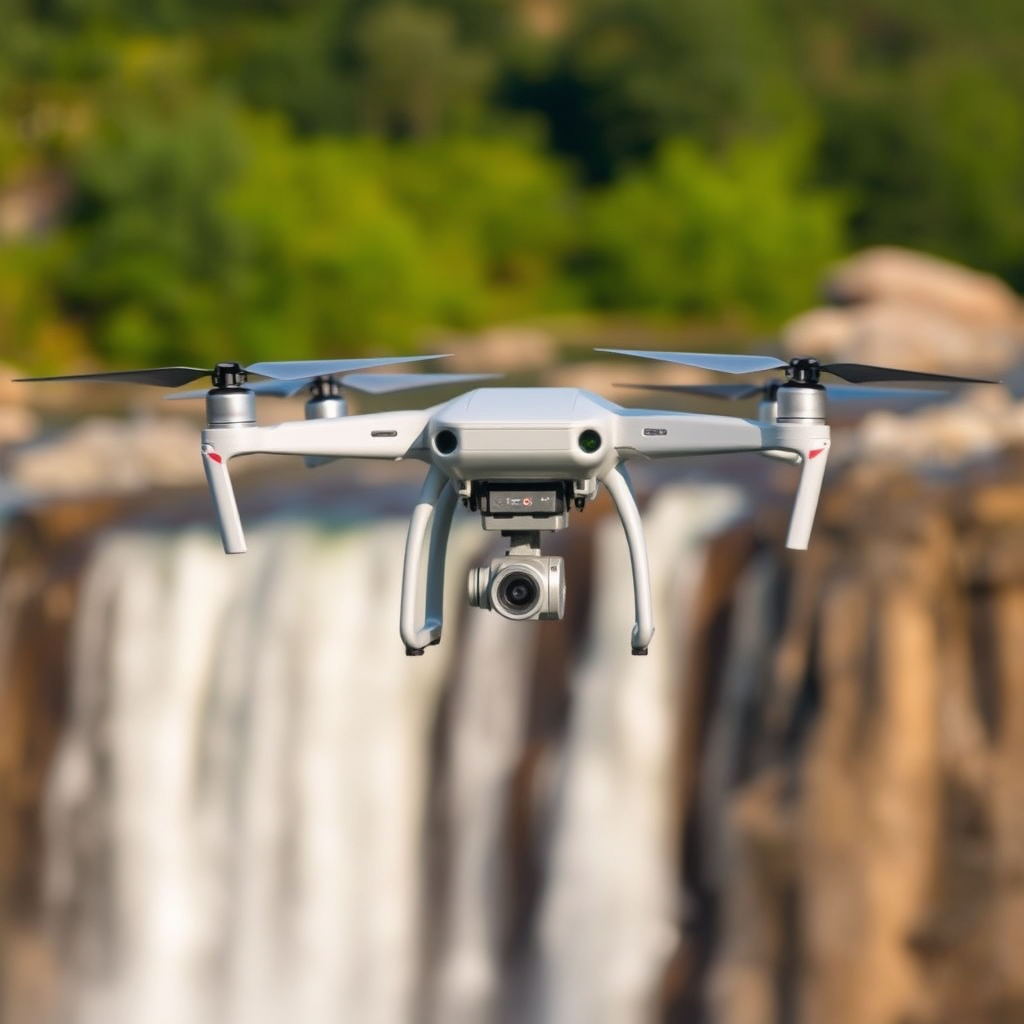
To maximize your drone-flying experience at Niagara Falls, it is vital to identify specific zones where drone flying is permitted. Certain areas may be designated for recreational use, allowing enthusiasts to capture stunning aerial footage of the falls while adhering to safety regulations. For example, locations away from the densely populated tourist areas may offer more freedom for drone flying.
Conversely, you must be aware of established no-fly zones to avoid fines and legal repercussions. The vicinity around the falls is often restricted due to safety concerns and the high volume of visitors. Always consult the latest drone maps available from Transport Canada or local authorities to ensure you are flying in approved areas.
Seasonal Restrictions
Seasonal changes can significantly impact drone operations at Niagara Falls. During peak tourist seasons, typically from late spring to early fall, the volume of visitors increases dramatically. This surge can lead to stricter enforcement of drone regulations as authorities prioritize safety. Events such as the Niagara Falls Winter Festival of Lights or other local festivities may further impose temporary restrictions on drone usage due to increased crowds and activities.
Drone operators should stay informed about these seasonal changes and plan their flights accordingly. Checking local news, official Niagara Parks announcements, or drone community forums can provide timely information about any upcoming restrictions.
Safety Precautions
Ensuring safety while flying your drone is paramount. Always maintain a safe distance from crowds and wildlife, as unexpected movements can lead to accidents. It is advisable to keep a minimum distance of at least 30 meters from people and animals, particularly in crowded areas like Niagara Falls.
Before takeoff, ensure your drone is in good working condition. Conduct a pre-flight check that includes battery levels, propeller integrity, and software updates. Familiarizing yourself with the drone’s controls and features will also help prevent mishaps. Additionally, consider using a spotter to assist in monitoring your surroundings while you focus on flying.
Permits and Permissions
If you plan to operate a drone for commercial purposes, you will need to investigate whether a special permit is required. Transport Canada mandates that all commercial drone operators obtain a Special Flight Operations Certificate (SFOC). This process involves submitting an application detailing your intended flight operations, including safety measures and risk assessments.
For recreational flyers, while a permit may not be necessary, it is still prudent to notify local authorities, particularly if you are flying near populated areas or in parks. This proactive approach can help prevent misunderstandings and ensure compliance with local regulations.
Respecting Privacy
Respecting the privacy of individuals is a critical aspect of responsible drone use. When flying in areas near residential neighborhoods or public spaces, be mindful of privacy issues. Avoid capturing images or videos of people without their consent, as this could lead to legal complications.
Additionally, consider the ethical implications of your drone activities. The use of drones should enhance the experience of capturing the beauty of Niagara Falls without infringing upon the rights of others. Always prioritize respectful and ethical flying practices.
Resources for Drone Pilots
Utilizing online resources and local drone communities can significantly enhance your knowledge and experience as a drone pilot. Websites such as Transport Canada’s official site provide up-to-date information on regulations, safety tips, and designated flying areas.
Joining local drone pilot associations or forums can also be beneficial. These communities often share valuable insights, tips, and experiences that can help you navigate the complexities of drone flying in popular tourist destinations like Niagara Falls. Engaging with fellow drone enthusiasts can provide support and foster a sense of camaraderie among pilots.
In conclusion, while flying a drone in Niagara Falls is possible, adhering to regulations and safety protocols is essential. By understanding the federal and local laws, being aware of designated flying areas and seasonal restrictions, and respecting the privacy of others, you can ensure a positive and memorable experience. Always stay informed and respectful of the environment and others around you. Happy flying!
Frequently Asked Questions
Can I legally fly a drone over Niagara Falls?
No, flying a drone directly over Niagara Falls is prohibited. The area is designated as a national park, and the use of drones is restricted to ensure public safety and protect the natural environment. If you want to fly a drone near the falls, it’s crucial to check the specific regulations set by the Niagara Parks Commission and the Canadian Aviation Regulations, which govern drone use in Canada.
What are the regulations for flying drones in Niagara Falls State Park?
In Niagara Falls State Park, drone use is generally restricted. You will need to obtain a special permit to operate a drone there, and it is essential to abide by local laws and park rules. Ensure you are familiar with the FAA guidelines for unmanned aircraft systems, which include maintaining a line of sight and not flying above 400 feet, alongside obtaining any necessary permissions.
How can I obtain permission to fly a drone near Niagara Falls?
To obtain permission for flying a drone near Niagara Falls, contact the local park authorities or the Niagara Parks Commission. They can provide information on whether permits are available, the application process, and any associated fees. Be prepared to outline your intended use and demonstrate compliance with safety regulations and guidelines.
What is the best time to fly a drone in the Niagara Falls area?
The best time to fly a drone in the Niagara Falls area is during early mornings or late afternoons when winds are typically calmer, and crowds are minimal. Additionally, flying during these times can provide beautiful lighting for photography, enhancing your aerial shots of the falls. Always check the weather conditions beforehand to ensure a safe flying experience.
Which drones are best suited for capturing images of Niagara Falls?
When selecting a drone for capturing images of Niagara Falls, look for models equipped with high-resolution cameras and stable flight capabilities. Drones like the DJI Mavic Air 2 or the DJI Phantom 4 Pro are popular choices due to their excellent image quality, user-friendly controls, and advanced safety features. Ensure your drone has a strong battery life to maximize your time in the air, particularly in scenic locations.
References
- https://www.nps.gov/subjects/drones/index.htm
- https://www.niagarafalls.ca/visitors/drones-in-niagara-falls.aspx
- https://www.faa.gov/uas/getting_started/fly_for_fun/
- https://www.ontario.ca/page/drone-regulations
- https://www.cbc.ca/news/canada/niagara-falls-drone-regulations-1.5208911
- https://www.niagaraparks.com/plan-your-visit/faq/faq-drones/
