
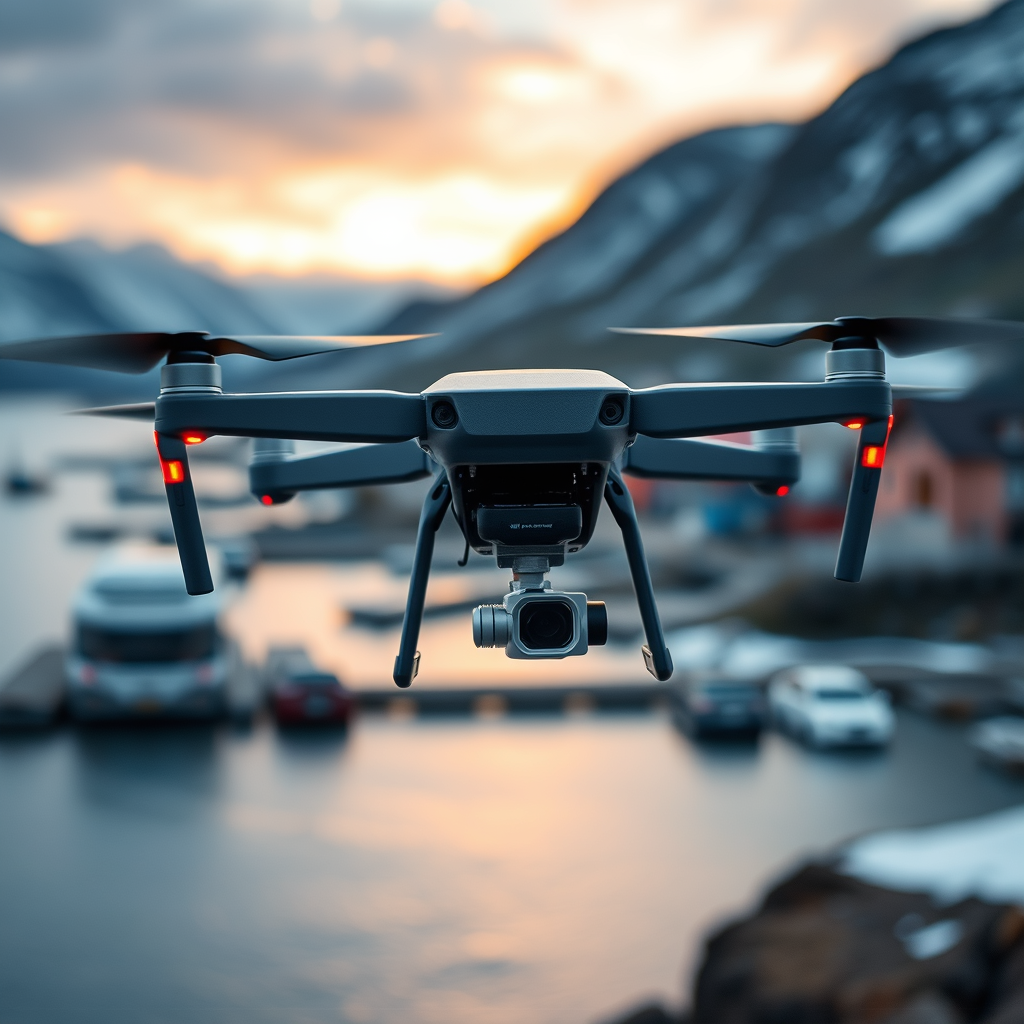
Yes, you can fly a drone in Norway, but there are specific regulations and guidelines you must follow. As drone technology continues to grow, so do the rules that govern their use, ensuring safety for both the operator and the public. Understanding these regulations is crucial for both casual flyers and professional operators looking to capture Norway’s breathtaking landscapes from above.
Understanding Norwegian Drone Regulations
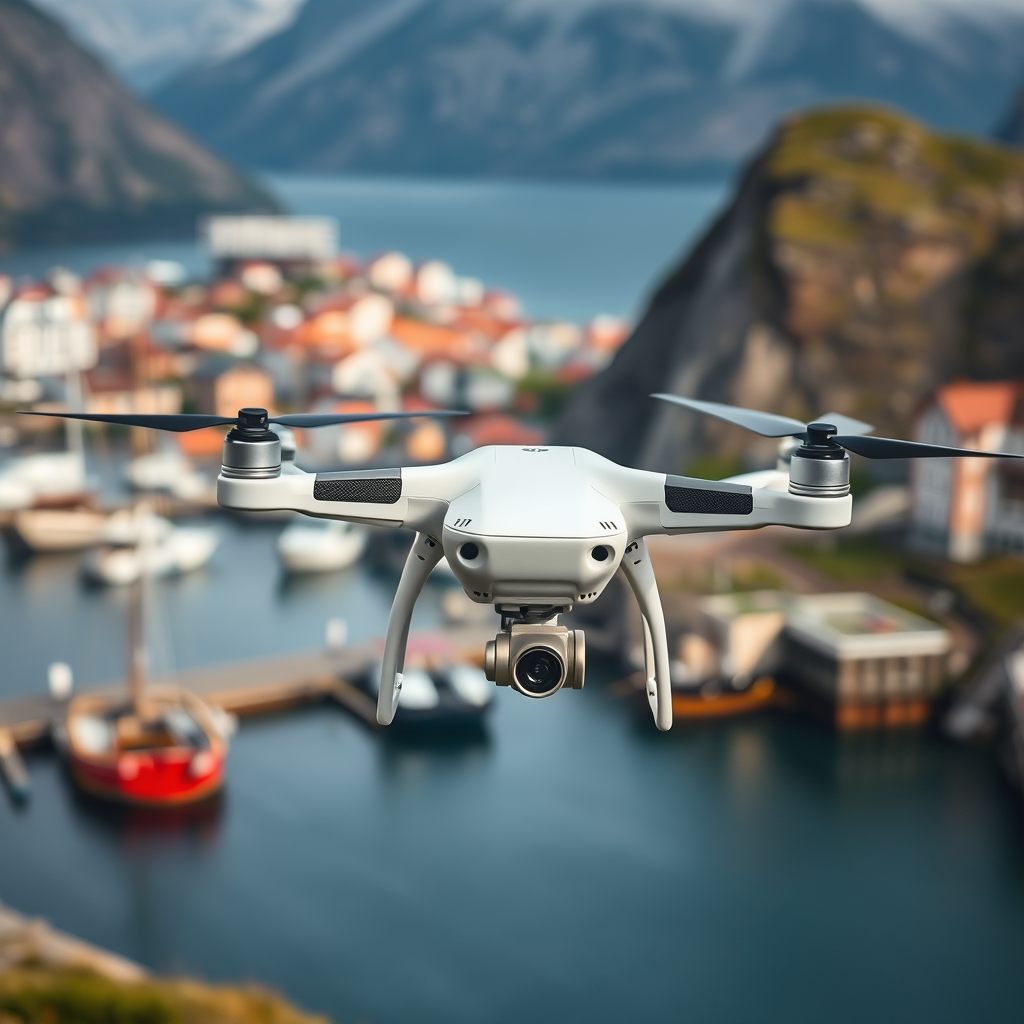
In Norway, all drone operators must adhere to the regulations set forth by the Norwegian Civil Aviation Authority (CAA). One of the key regulations is that drones weighing more than 250 grams must be registered. This registration process is straightforward and can typically be completed online through the CAA’s official website. In addition, all drone pilots must be familiar with the operational guidelines stipulated by the CAA, which include maintaining visual line-of-sight with the drone at all times and ensuring that the drone does not exceed a maximum altitude of 120 meters above ground level.
Furthermore, operators must also be aware of the distinction between recreational and commercial use. While recreational flyers have fewer requirements, those using drones for commercial purposes must obtain a specific permit and demonstrate proficiency in flying according to the standards set by the CAA. This may include passing a theory exam and demonstrating practical flying skills to ensure safe operation.
Where You Can Fly Drones
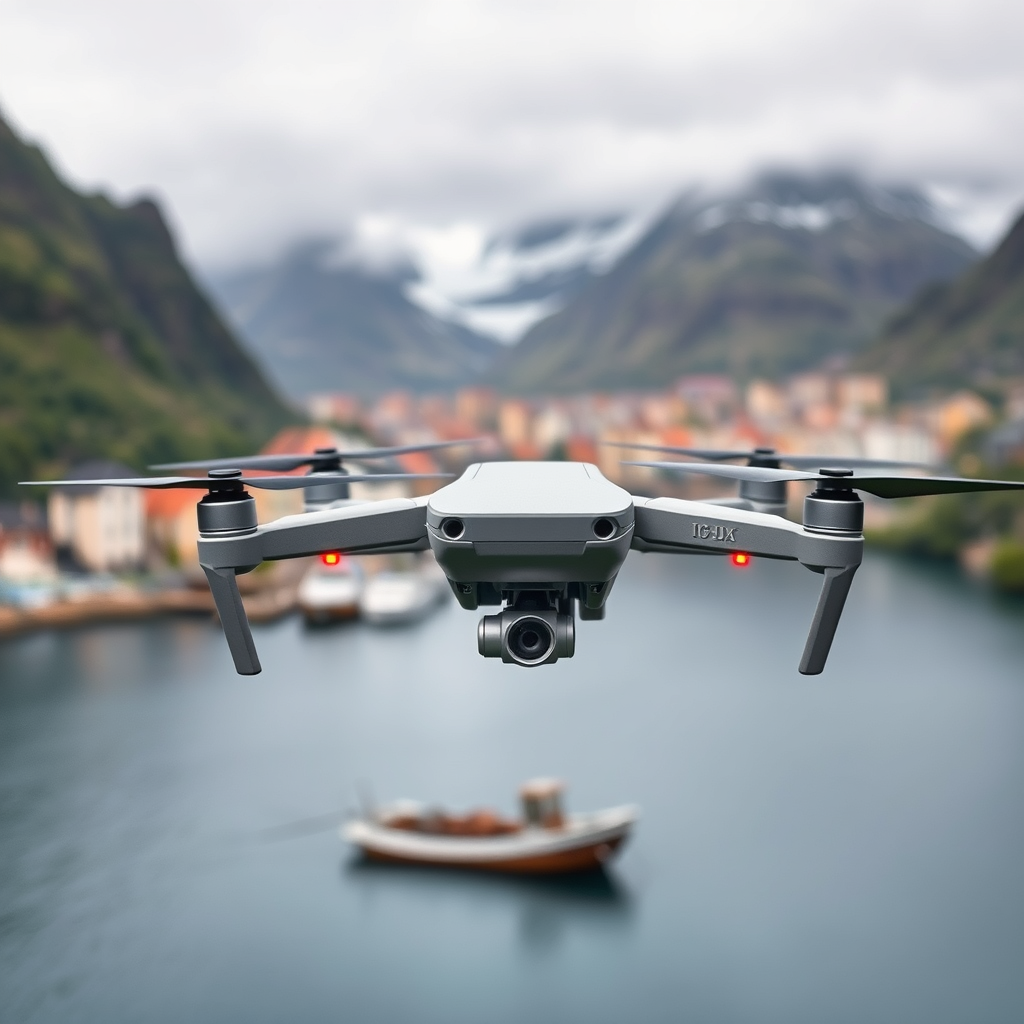
When it comes to choosing where to fly your drone in Norway, it’s essential to consider the regulations that apply in different areas. Urban environments present stricter regulations due to the higher concentration of people and infrastructure. In cities like Oslo and Bergen, drone flying is often prohibited in densely populated areas, particularly near airports and other critical infrastructure. Operators must maintain a safe distance from crowds and avoid areas where flying could pose a safety risk.
On the other hand, rural and remote areas offer more freedom for drone operation. For instance, the stunning fjords and remote islands of Norway provide excellent opportunities for capturing breathtaking aerial footage. However, it remains imperative to check local restrictions, as some remote areas may have specific guidelines or no-fly zones that apply due to wildlife concerns or protected natural environments.
No-Fly Zones and Restricted Areas
Norway has designated several no-fly zones and restricted areas where drone operation is strictly prohibited. Military bases, for instance, are off-limits to drone pilots due to security concerns. Additionally, many nature reserves and national parks have restrictions in place to protect wildlife and ecosystems from disturbances that drones may cause.
To navigate these restrictions effectively, pilots should utilize drone mapping apps that provide real-time updates on no-fly zones. These tools can help operators avoid restricted areas and ensure compliance with local regulations. Apps such as AirMap and UAV Forecast are valuable resources for drone pilots, offering detailed maps that highlight where flight is permitted and where it is not.
Safety and Privacy Considerations
Safety is paramount when operating a drone, and maintaining a safe distance from people and property is a critical aspect of responsible flying. The CAA guidelines emphasize the importance of not flying over crowds or large gatherings. Additionally, operators should always be aware of their surroundings, avoiding obstacles such as trees and buildings that could interfere with the drone’s flight path.
Privacy considerations are also significant in Norway. The country has strict privacy laws, and drone operators must respect these by avoiding flying over private property without explicit permission from the property owner. This is particularly important in residential areas, where individuals may feel uncomfortable with drones flying overhead. Being mindful of privacy helps foster a positive relationship between drone users and the general public.
Required Documentation and Permits
For those looking to use drones for commercial purposes, obtaining the necessary documentation and permits is essential. In Norway, commercial drone operators must apply for a permit from the CAA, which includes demonstrating knowledge of aviation regulations and safe flying practices. This may involve submitting a flight plan and providing details about the intended use of the drone.
Additionally, liability insurance is highly recommended for all drone operators, but it is mandatory for commercial users. This insurance should cover any potential damages that may occur during operation. Ensuring that your drone insurance is comprehensive and up-to-date protects both the operator and the public in case of accidents or incidents.
Best Practices for Flying Drones in Norway
To ensure a safe and enjoyable flying experience, operators should adhere to best practices when piloting their drones. Conducting a pre-flight checklist is essential to ensure that the drone is in good working condition. This checklist should include checking the battery levels, ensuring that the camera and gimbal are functioning correctly, and verifying that all firmware is updated.
Planning the flight route is also critical for a successful operation. Pilots should familiarize themselves with the area they intend to fly in and be prepared for changing weather conditions, as Norway’s climate can be unpredictable. Always check the weather forecast before flying and be prepared to postpone your flight if conditions are not favorable.
Moreover, engaging with local drone communities can provide valuable insights and tips about flying in specific regions of Norway. These communities often share information about the best spots for aerial photography, upcoming regulations, and local events, enhancing the overall flying experience.
In conclusion, flying a drone in Norway is certainly feasible, provided that operators adhere to the established regulations and respect the environment and local communities. By understanding the rules, being aware of no-fly zones, and prioritizing safety and privacy, drone enthusiasts can responsibly enjoy the stunning vistas that Norway has to offer. Always stay informed about the latest regulations and practices to ensure your drone flying experience is both enjoyable and compliant with local laws.
Frequently Asked Questions
What are the regulations for flying a drone in Norway?
In Norway, drone operators must adhere to the Norwegian Civil Aviation Authority’s regulations, which include flying below 120 meters (394 feet) and keeping the drone within visual line of sight. Additionally, operators must obtain a drone license if their drone weighs over 250 grams (0.55 pounds) or if they plan to fly in urban areas. It’s also important to avoid flying near airports, densely populated areas, and nature reserves to ensure safety and compliance with local laws.
How do I register my drone in Norway?
To register your drone in Norway, you need to visit the Norwegian Civil Aviation Authority’s website and create an account. Drones that weigh more than 250 grams must be registered, and operators will need to provide details about the drone, including its weight and type. After completing the registration, you’ll receive a unique registration number that must be displayed on the drone, ensuring compliance with Norwegian drone laws.
Why do I need a drone license to fly in Norway?
A drone license is required in Norway for safety and regulatory reasons, particularly for drones weighing over 250 grams or for those used in commercial activities. The licensing process ensures that operators are knowledgeable about airspace rules, safety procedures, and the rights of others, which helps prevent accidents and promotes responsible drone use. Obtaining a license also enhances the credibility of drone operators, especially if they are using drones for business purposes.
What are the best places to fly a drone in Norway?
Some of the best places to fly a drone in Norway include the picturesque fjords, such as Geirangerfjord and Nærøyfjord, where stunning landscapes offer breathtaking aerial views. Other popular spots include the Lofoten Islands and the North Cape, which feature dramatic coastlines and mountains. However, it’s crucial to check local regulations and restrictions, as some areas may be off-limits to drone flights due to wildlife protection or airspace regulations.
Which drone models are recommended for flying in Norway?
Recommended drone models for flying in Norway include the DJI Mavic Air 2 and the DJI Mini 2, both known for their compact size and excellent camera quality. These drones are lightweight and easy to transport, making them suitable for capturing Norway’s stunning landscapes. Additionally, they comply with the weight regulations set by the Norwegian Civil Aviation Authority, ensuring that you can fly them without a license if they are under 250 grams. Always check for the latest models and user reviews to ensure you choose the best drone for your needs.
References
- https://www.faa.gov/uas/getting_started/flyers
- https://www.aviationauthority.no/en/aircraft/uas-drones/
- https://www.norwegianpetroleum.no/en/framework/norways-drone-regulations/
- https://www.norge.no/en/guide/drone-regulations-in-norway
- https://www.ustad.no/faq/drone-flying-in-norway
- https://www.norwegian.no/en/drone-regulations/
- https://www.wired.com/story/norway-drone-law/
