
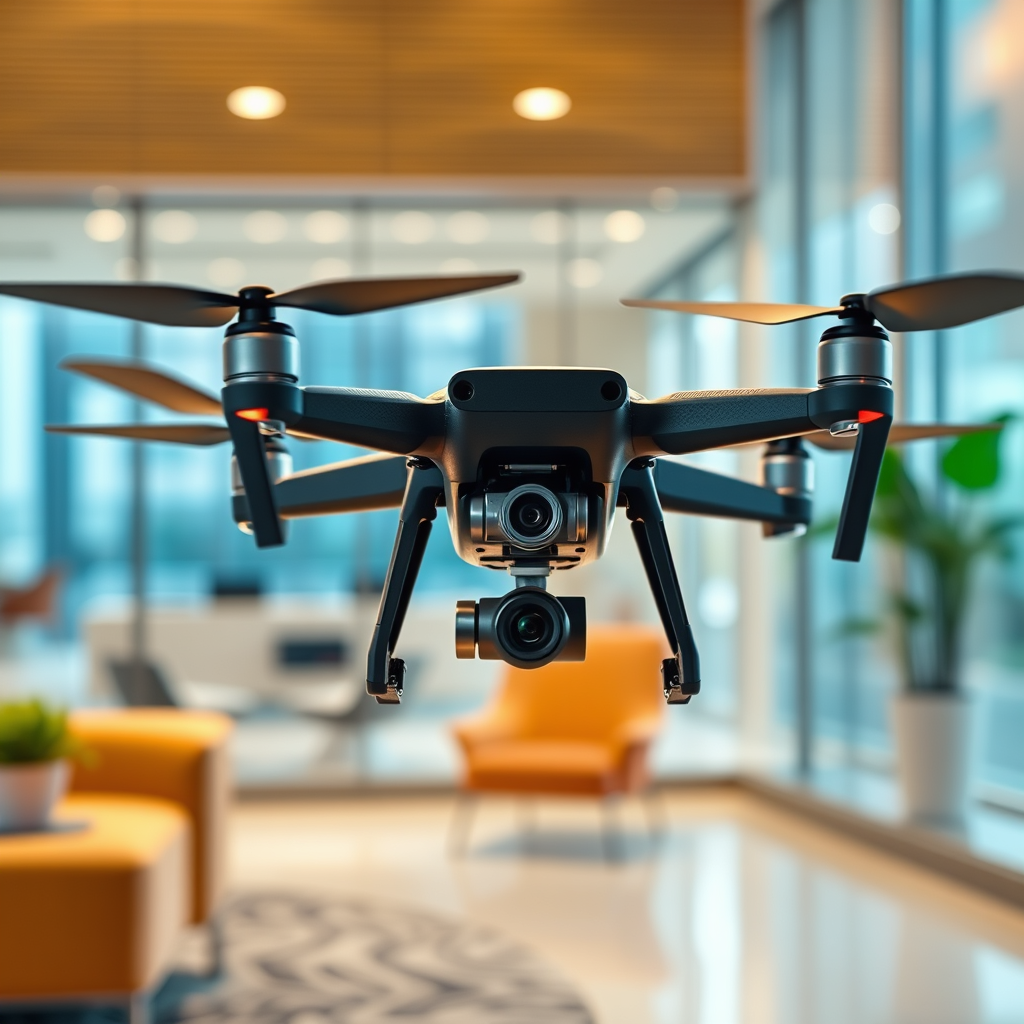
Yes, you can fly a drone in Singapore, but there are specific regulations and guidelines you must follow. Understanding these rules is crucial to ensure safe flying and compliance with local laws. Singapore is known for its strict adherence to regulations, and drone operations are no exception. By familiarizing yourself with the governing frameworks, you can enjoy a safe and enjoyable flying experience while contributing to the overall safety of the airspace.
Overview of Drone Regulations in Singapore
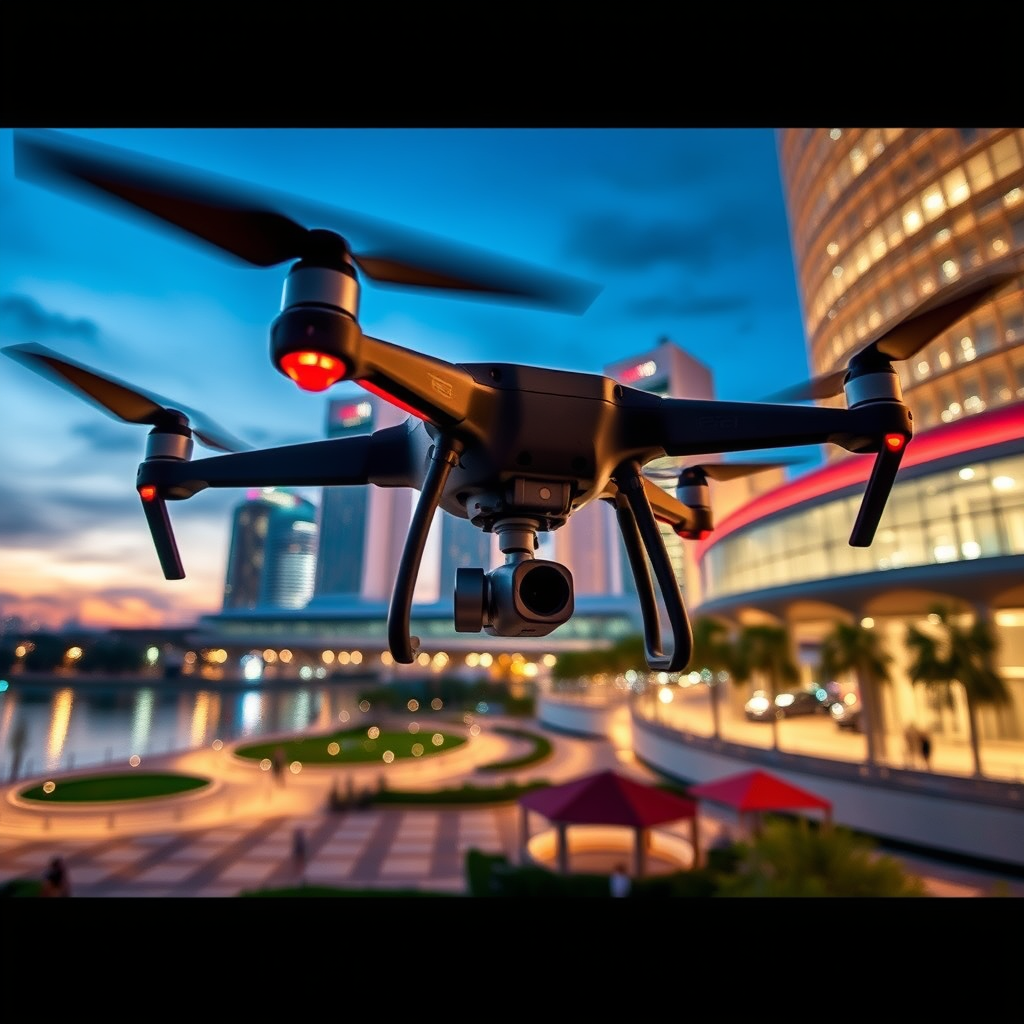
In Singapore, the Civil Aviation Authority of Singapore (CAAS) is the primary authority that regulates drone operations. The CAAS has put in place comprehensive regulations to manage the use of unmanned aerial vehicles (UAVs) within the nation’s airspace. All drone operators must comply with the Unmanned Aircraft (UAV) regulations, which encompass a variety of operational guidelines tailored for different types of drone usage.
Understanding the scope of these regulations is crucial for all drone enthusiasts, whether they are hobbyists or professionals. The regulations aim to ensure safety, privacy, and security, reflecting Singapore’s commitment to maintaining orderly civil aviation. For instance, operators are required to adhere to altitude restrictions, which typically limit drone flights to a maximum altitude of 200 feet above ground level unless they have obtained special permission for higher flights.
Types of Drones and Their Classifications
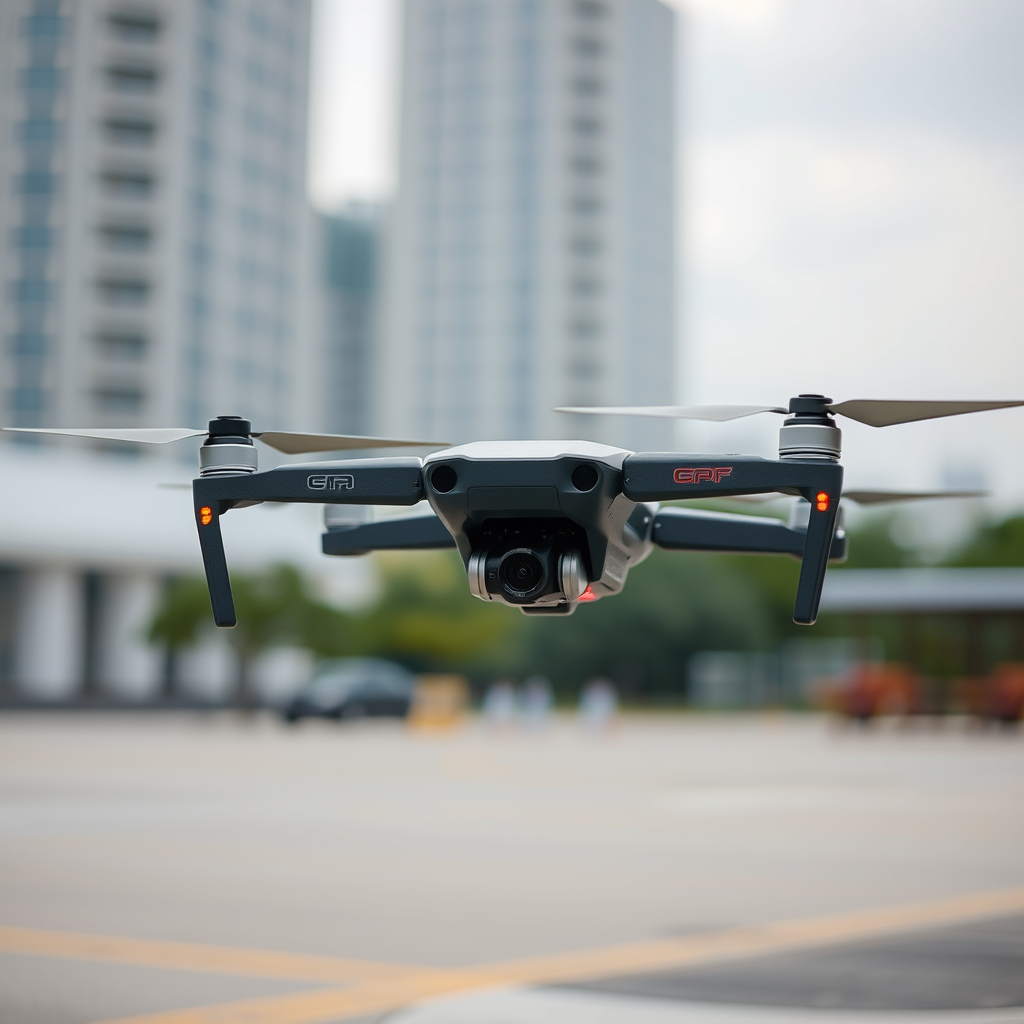
Drones are classified into different categories based on their weight and purpose, which directly influences the regulations that apply to them. In Singapore, drones are generally categorized into two main types: micro drones (weighing less than 250 grams) and larger drones (weighing 250 grams or more).
For recreational use, micro drones enjoy a more relaxed set of regulations compared to their heavier counterparts. However, those using drones for commercial purposes, such as aerial photography, surveying, or delivery services, must comply with stricter rules. For example, commercial drone operators must possess a valid Remote Pilot License and follow additional operational procedures to ensure safety during their flights.
Registration Requirements for Drones
If you plan to operate a drone that weighs more than 250 grams, you are required to register your drone with the CAAS. The registration process is straightforward but essential for compliance. Operators must provide important details, including the drone’s specifications, ownership information, and intended use.
Once registered, drone operators receive a unique identification number that must be affixed to the drone itself. This identification helps authorities track drone activity and ensures accountability. It is vital to note that failing to register your drone can lead to significant penalties, including fines and restrictions on flying.
No-Fly Zones and Restricted Areas
Singapore has designated several no-fly zones and restricted areas to ensure the safety and security of its airspace. Key locations include airports, military bases, and densely populated urban areas. These areas are strictly off-limits for drone operations, and flying in these zones can result in severe consequences, including legal action.
To avoid penalties, drone operators should familiarize themselves with local maps that highlight these no-fly zones. The CAAS provides detailed resources, including an online tool that helps pilots check the status of their intended flying location against current regulations. Awareness of these restrictions is paramount to ensure compliance and promote responsible flying.
Safety Guidelines for Flying Drones
Safety is a primary concern for drone operators, and adhering to established safety guidelines is essential. Operators should maintain a safe distance from people, vehicles, and structures, typically advised to be at least 30 meters away from any person or property not under their control.
Additionally, always fly your drone within your line of sight, as this allows for better control and situational awareness. Flying at night is generally prohibited unless you have received explicit permission from the CAAS, as visibility issues can lead to accidents. Other safety measures include conducting pre-flight checks to ensure the drone is in good working condition and being aware of adverse weather conditions that may affect flight stability.
Drone Insurance and Liability
While obtaining drone insurance is not mandatory in Singapore, it is highly recommended for liability protection. Drone accidents can lead to significant property damage or personal injury, and having insurance can provide peace of mind for operators.
Understanding the potential legal consequences of accidents or violations is crucial. In the event of a mishap, operators may face civil liabilities and could be held responsible for damages. By securing appropriate insurance coverage, drone pilots can mitigate financial risks and protect themselves against unforeseen circumstances.
Resources for Drone Pilots in Singapore
For those looking to fly drones in Singapore, the CAAS website serves as an invaluable resource, providing comprehensive guidelines, updates on regulations, and additional tools for drone operators. The site includes information on how to register drones, apply for licenses, and access no-fly zone maps.
Moreover, joining local drone flying communities can offer additional support and insights. These communities often share experiences, tips, and the latest news regarding drone regulations, helping both novice and experienced pilots stay informed and connected.
In conclusion, flying a drone in Singapore is feasible as long as you adhere to the established regulations and guidelines. By understanding the rules surrounding registration, no-fly zones, and safety practices, you can ensure a safe and enjoyable flying experience. Always stay informed about any changes in the law and practice safe flying methods to make the most of your drone flying experience in this vibrant city-state.
Frequently Asked Questions
What are the regulations for flying a drone in Singapore?
In Singapore, drone operators must adhere to regulations set by the Civil Aviation Authority of Singapore (CAAS). Drones weighing more than 250 grams must be registered, and operators must obtain a Remote Pilot License (RPL) if flying for commercial purposes. Additionally, drones must not be flown within 5 km of airports or in restricted areas, and operators are required to maintain a visual line of sight with their drones at all times.
How can I register my drone in Singapore?
To register your drone in Singapore, you must visit the CAAS website and create an account on the Unmanned Aircraft Systems (UAS) portal. After logging in, provide the necessary details about your drone, including its weight and model, and pay the registration fee. Once approved, you will receive a registration number that must be displayed on the drone before flying.
Why is a Remote Pilot License (RPL) necessary for drone operations in Singapore?
A Remote Pilot License (RPL) is essential for operating drones for commercial purposes in Singapore as it ensures that pilots are knowledgeable about airspace regulations, safety protocols, and operational standards. The RPL training covers critical topics such as risk assessment, emergency procedures, and understanding of air traffic rules, which are vital for safe drone operations and minimizing risks to public safety.
What are the penalties for flying a drone illegally in Singapore?
Flying a drone illegally in Singapore can result in severe penalties, including fines of up to SGD 50,000 and imprisonment for up to two years. Additionally, violators may face suspension or revocation of their Remote Pilot License and may be banned from future drone operations. It is crucial to familiarize yourself with the regulations to avoid such penalties.
Which areas are restricted for drone flying in Singapore?
Restricted areas for drone flying in Singapore include locations within 5 km of airports, military installations, and other sensitive sites such as government buildings and major public events. The CAAS provides a detailed map of no-fly zones, and it is imperative for drone operators to check this map before flying to ensure compliance and avoid potential legal issues.
References
- https://www.caas.gov.sg/who-we-are/our-people/aviation-safety/drone-regulations
- https://www.caas.gov.sg/our-services/aviation-safety/drone-safety
- https://www.hdb.gov.sg/cs/infoweb/for-residents/drones
- https://www.straitstimes.com/singapore/transport/drone-flying-in-singapore-what-you-need-to-know
- https://www.nparks.gov.sg/gardens-parks-and-nature/parks-and-nature-reserves/drone-usage-in-parks
- https://www.ura.gov.sg/Corporate/Guidelines/Drone-Operations-in-Singapore
- https://www.channelnewsasia.com/singapore/drone-flying-regulations-singapore-what-you-need-know-2020-706716
- https://www.ntu.edu.sg/News/Pages/newsdetail.aspx?news=7e6d4a47-45e5-4c53-b2d2-91c5d3b4e8bc
