
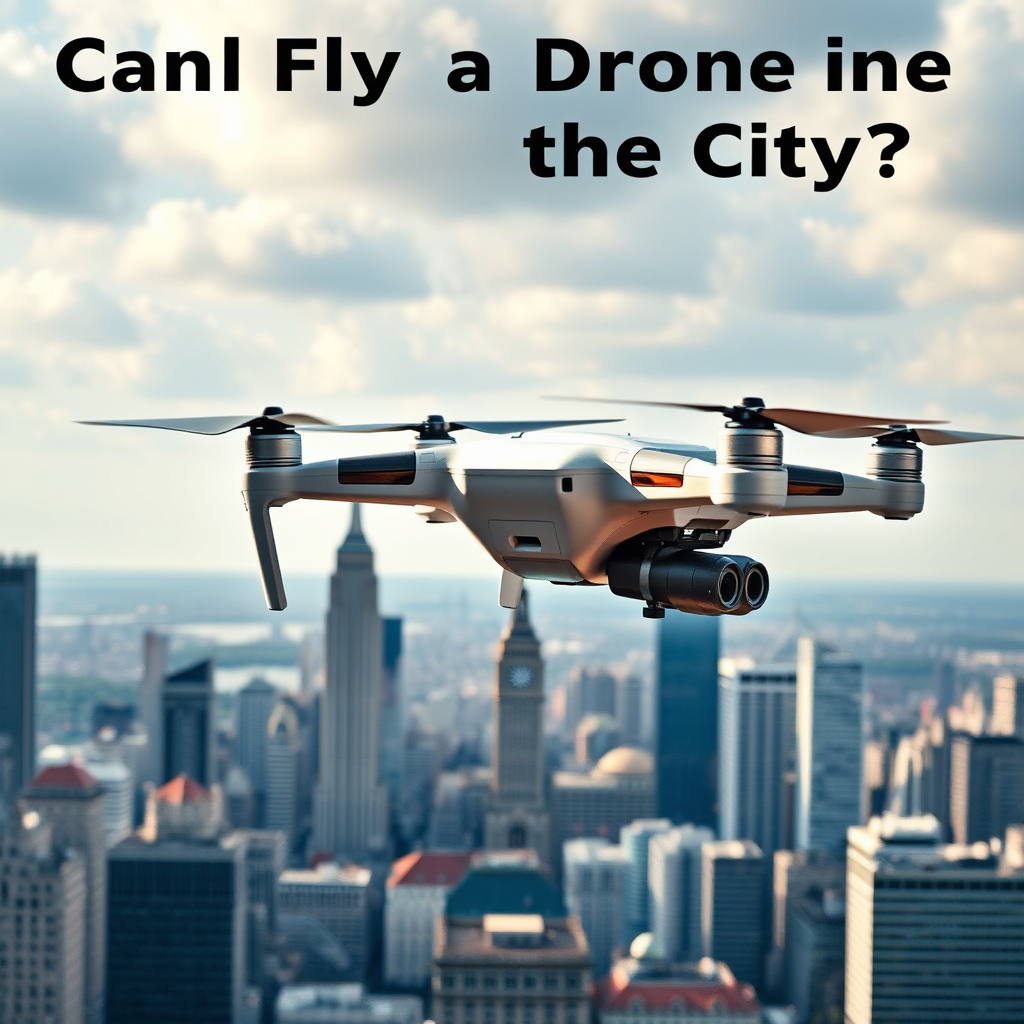
Yes, you can fly a drone in the city, but there are important regulations and considerations to keep in mind. Urban environments present unique challenges, including crowded spaces, potential hazards, and strict regulations that can vary widely from one location to another. Understanding local laws, safety guidelines, and best practices will ensure a smooth flying experience while respecting the rights of others and adhering to legal requirements.
Understanding Local Regulations
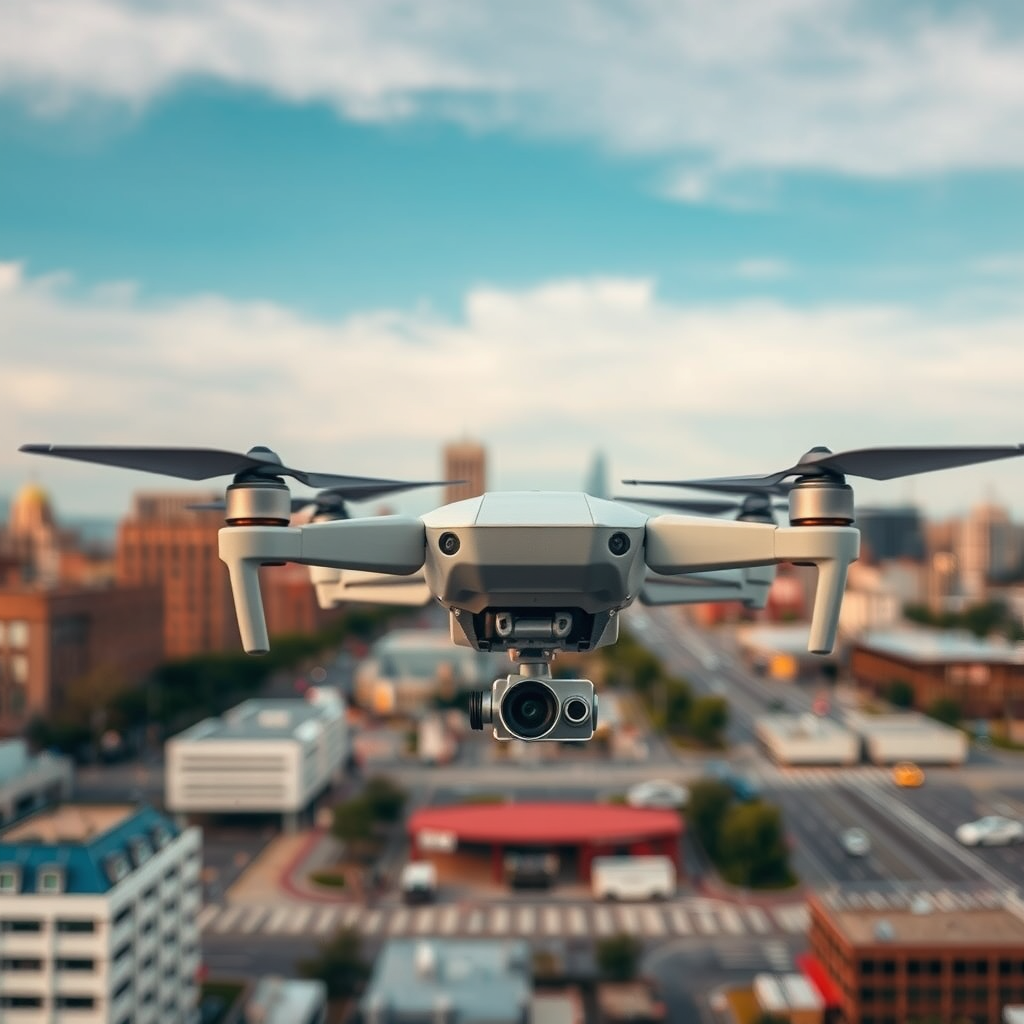
Before you take to the skies, it is essential to familiarize yourself with the regulations governing drone usage in your specific city. Each municipality has its own set of laws that dictate where and when drones can be flown. For instance, some cities may prohibit drone flights in parks, residential areas, or public spaces due to noise or privacy concerns. Furthermore, the Federal Aviation Administration (FAA) has established guidelines that apply to all drone operations across the United States. These federal regulations encompass aspects such as registration requirements for drones weighing over 0.55 pounds, operational rules, and restrictions on flying near airports or in controlled airspace. Before you fly, consult local ordinances and the FAA’s resources to ensure compliance.
Safety Guidelines for Urban Flying
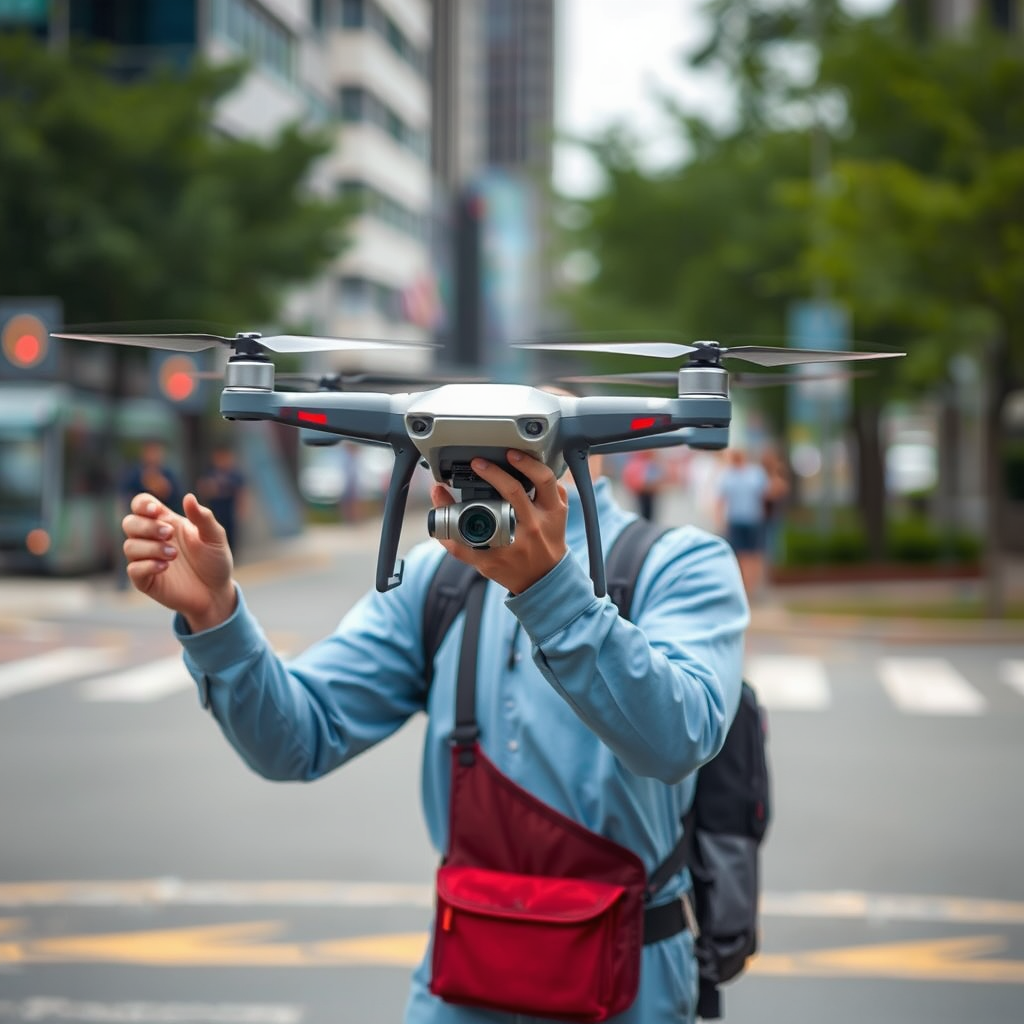
Safety is paramount when flying drones in urban settings. To reduce the risk of accidents and ensure the safety of yourself and others, maintain a safe distance from people, vehicles, and buildings. A general rule of thumb is to keep at least 25 feet away from individuals who are not involved in the flight; this helps mitigate the risk of injury should an incident occur. Additionally, always fly below 400 feet, as this is the legal limit set by the FAA for drone operations. This altitude restriction not only helps prevent collisions with manned aircraft but also aids in maintaining a clear line of sight with your drone, which is crucial for safe flying.
No-Fly Zones and Restrictions
Understanding no-fly zones is critical for any urban drone pilot. These areas are typically established for safety and security reasons and include locations such as airports, government buildings, and large public events. Failing to adhere to these restrictions can lead to hefty fines and legal repercussions. To navigate these constraints effectively, utilize apps or websites that provide real-time information on restricted zones. Tools such as the FAA’s B4UFLY app can help you identify no-fly zones and provide updates on airspace status. Regularly checking these resources will help you avoid unintended violations and ensure a compliant flying experience.
Best Practices for Flying in Crowded Areas
Flying in crowded areas requires careful planning and consideration. One effective strategy is to choose times and locations with minimal foot traffic, such as early mornings or late afternoons during weekdays. This reduces the likelihood of encountering people while piloting your drone. Additionally, consider flying in designated areas such as parks or open fields that are specifically approved for drone use. Communicating with individuals nearby is also advisable; informing onlookers about your drone activity can foster goodwill and enhance safety. By being transparent and courteous, you can create a more positive environment for your flying operations.
Insurance and Liability Considerations
While flying a drone can be an enjoyable endeavor, it also comes with risks that necessitate consideration of insurance and liability. Accidents can happen, and the financial implications of damaging property or injuring a person can be significant. Obtaining drone insurance can provide peace of mind by covering potential damages or accidents. Standard insurance policies may not cover drone activities, so it’s essential to seek specialized drone insurance that caters to your specific needs. Additionally, familiarize yourself with your liability in the event of an accident. Understanding your responsibilities as a drone operator can help you mitigate risks and prepare for unforeseen circumstances.
Monitoring Noise and Privacy Concerns
In urban settings, noise and privacy are two critical concerns that drone pilots must address. Drones can be noisy, and excessive noise can be disruptive to the urban environment and its inhabitants. To demonstrate respect for your surroundings, consider flying quieter drones or operating during times when noise is less likely to disturb others. Furthermore, privacy is a significant issue; avoid flying over private properties without explicit permission from the owners. Being considerate of others’ privacy rights not only fosters goodwill but also helps you maintain compliance with local regulations.
Resources for Urban Drone Pilots
Staying connected with fellow drone enthusiasts can significantly enhance your flying experience. Joining local drone clubs or online communities can provide valuable insights, shared experiences, and tips tailored to urban drone flying. These platforms often facilitate networking opportunities, workshops, and meetups that can enhance your skills and knowledge. Additionally, staying informed through FAA updates, drone workshops, and local seminars is vital for keeping abreast of changes in regulations or best practices. Engaging with these resources can help you become a more responsible and knowledgeable drone pilot.
Flying a drone in the city is possible but requires careful planning and adherence to regulations. By understanding local laws, implementing safety measures, and respecting the rights of others, you can enjoy your drone while ensuring safety and respect for your urban environment. As urban drone flying continues to grow in popularity, remaining informed and responsible will enhance your experience and contribute to the positive perception of drone use in cities.
Frequently Asked Questions
Can I fly a drone in the city without special permission?
Flying a drone in the city typically requires adhering to local regulations and obtaining necessary permits. Most urban areas have restrictions to ensure safety and privacy, which may include flying below a certain altitude, staying away from congested areas, and avoiding no-fly zones such as near airports or government buildings. Always check with your local aviation authority or city regulations to understand the requirements specific to your area.
What are the common restrictions for flying drones in urban areas?
Common restrictions for flying drones in urban areas include altitude limits (usually capped at 400 feet), bans on flying over people or private property without permission, and regulations regarding the proximity to airports. Additionally, many cities have enacted laws prohibiting drone use in parks or recreational areas. Before flying, familiarize yourself with both FAA regulations and local ordinances to ensure compliance.
How can I find out if there are no-fly zones in my city for drone flying?
To identify no-fly zones in your city, you can use tools like the FAA’s B4UFLY app or the FAA’s online airspace maps. These resources provide information on restricted airspace, including temporary flight restrictions and areas designated for safety. Checking local government websites may also reveal additional regulations specific to your city or municipality.
Why is it important to check local laws before flying a drone in the city?
Checking local laws before flying a drone in the city is essential to comply with regulations and avoid fines or legal issues. Urban environments often have unique challenges, such as crowded spaces and privacy concerns, making it crucial to understand the rules to ensure both your safety and that of others. Additionally, non-compliance can result in your drone being confiscated or other penalties.
What is the best practice for flying a drone in a crowded urban area?
The best practice for flying a drone in a crowded urban area includes maintaining a safe distance from people, ensuring you have a clear line of sight, and flying during favorable weather conditions. It’s advisable to fly in designated areas, such as parks that allow drone use, and to always prioritize safety by being aware of your surroundings. Additionally, consider using a drone equipped with obstacle avoidance technology for added safety when navigating urban landscapes.
References
- https://en.wikipedia.org/wiki/Drone_regulations
- https://www.faa.gov/uas/getting_started/
- https://www.nolo.com/legal-encyclopedia/drone-laws-legal-requirements-33082.html
- https://www.suasnews.com/2021/06/drone-laws-in-the-us-a-comprehensive-guide/
- https://www.ama-flightschool.com/drone-laws-and-regulations-in-the-us/
- https://www.faa.gov/uas/faq/
- https://www.nytimes.com/2020/06/17/technology/drone-regulations-faa.html
