
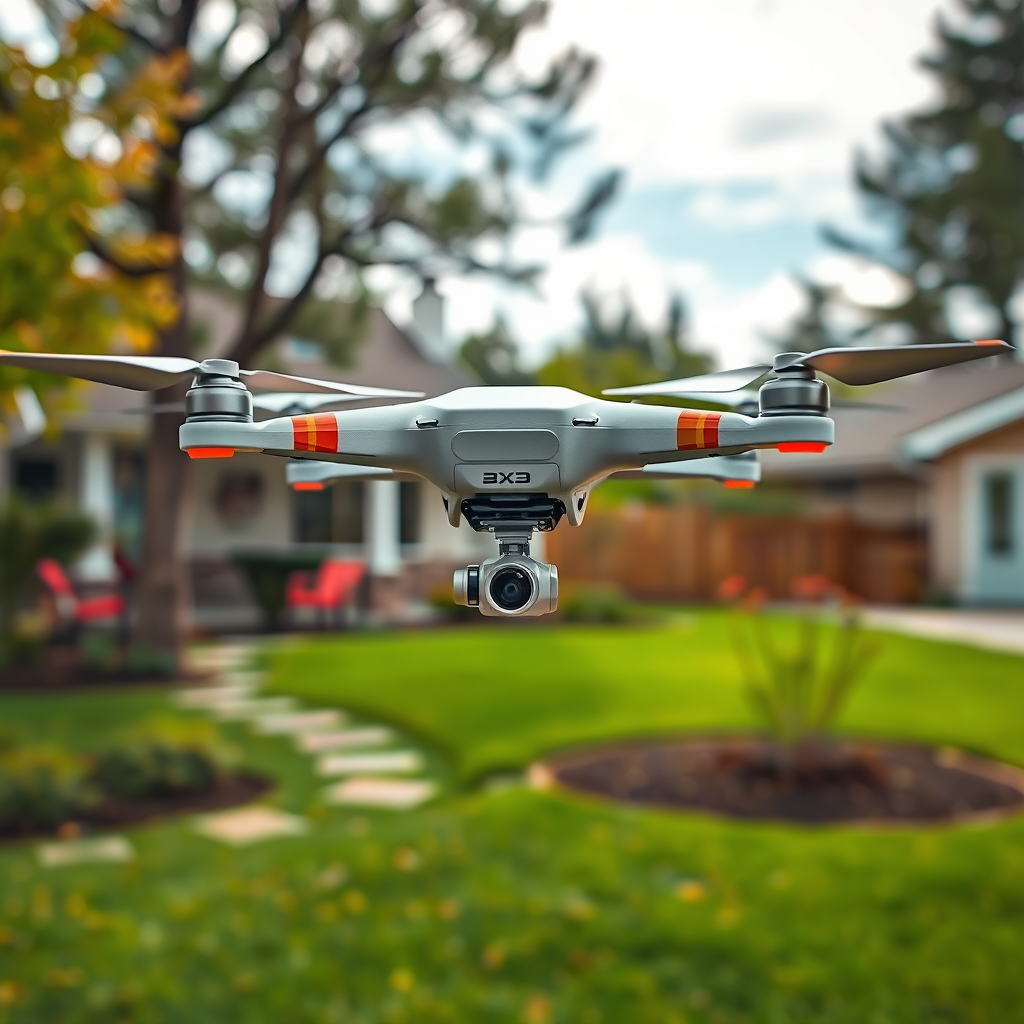
Yes, you can generally fly a drone on your own property, but there are important regulations and guidelines to consider. While property ownership provides you with certain rights, it does not exempt you from federal laws and local ordinances governing drone usage. This article will explore the rules governing drone flights, safety considerations, and best practices for flying drones responsibly, ensuring you remain compliant while enjoying this modern technology.
Understanding Drone Regulations
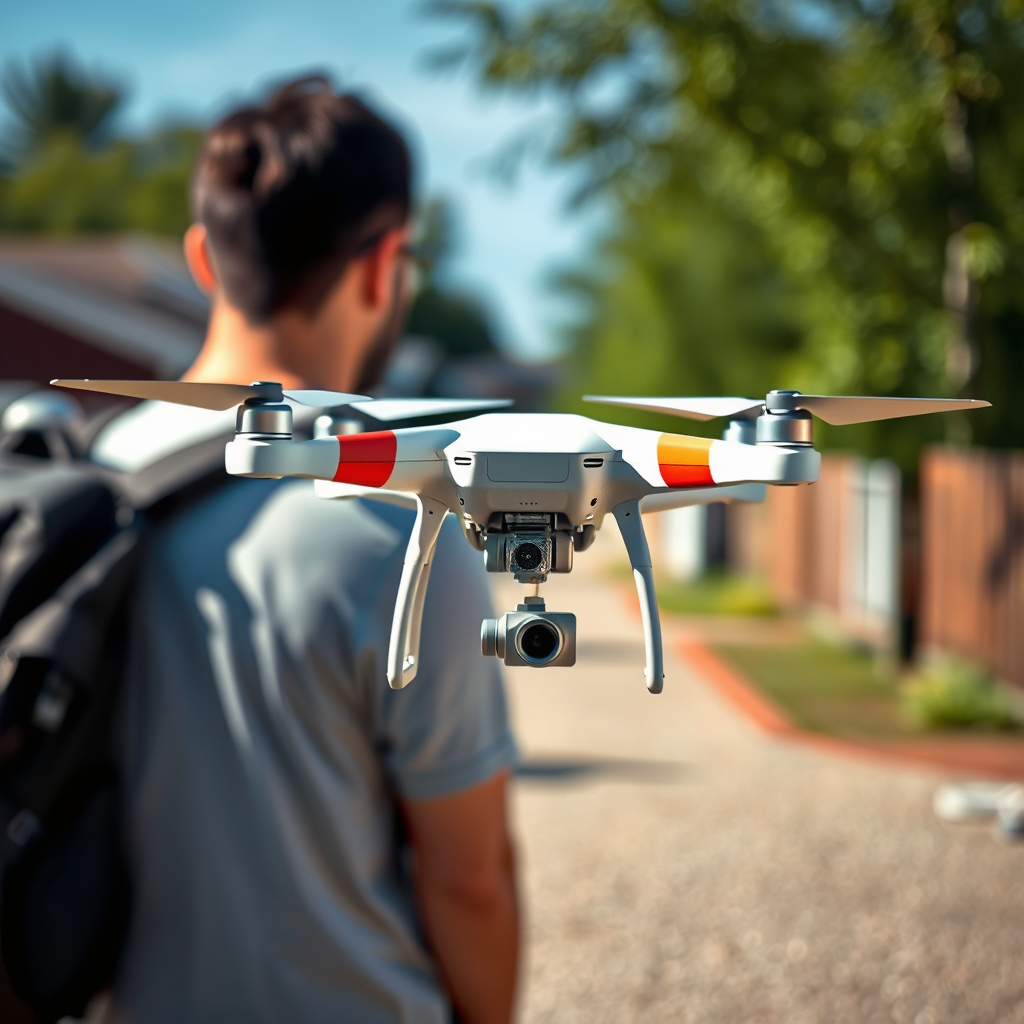
The Federal Aviation Administration (FAA) plays a pivotal role in regulating drone flights across the United States. According to FAA guidelines, all drone operators must register their drones if they exceed a weight of 0.55 pounds. This registration process ensures that drone operators are informed of safety regulations and operational restrictions. Additionally, drone pilots must adhere to Part 107 regulations if they intend to use their drones for commercial purposes, including aerial photography, surveying, or agricultural monitoring.
Local laws and ordinances may also impose additional restrictions on drone use. For example, some municipalities may have specific laws that limit drone flights in residential areas or require permits for aerial photography. It is crucial to check with local government websites or consult legal resources to understand these regulations fully. Failing to comply with both federal and local laws could result in fines or other legal repercussions, making it important to stay informed.
Homeowner Rights and Responsibilities
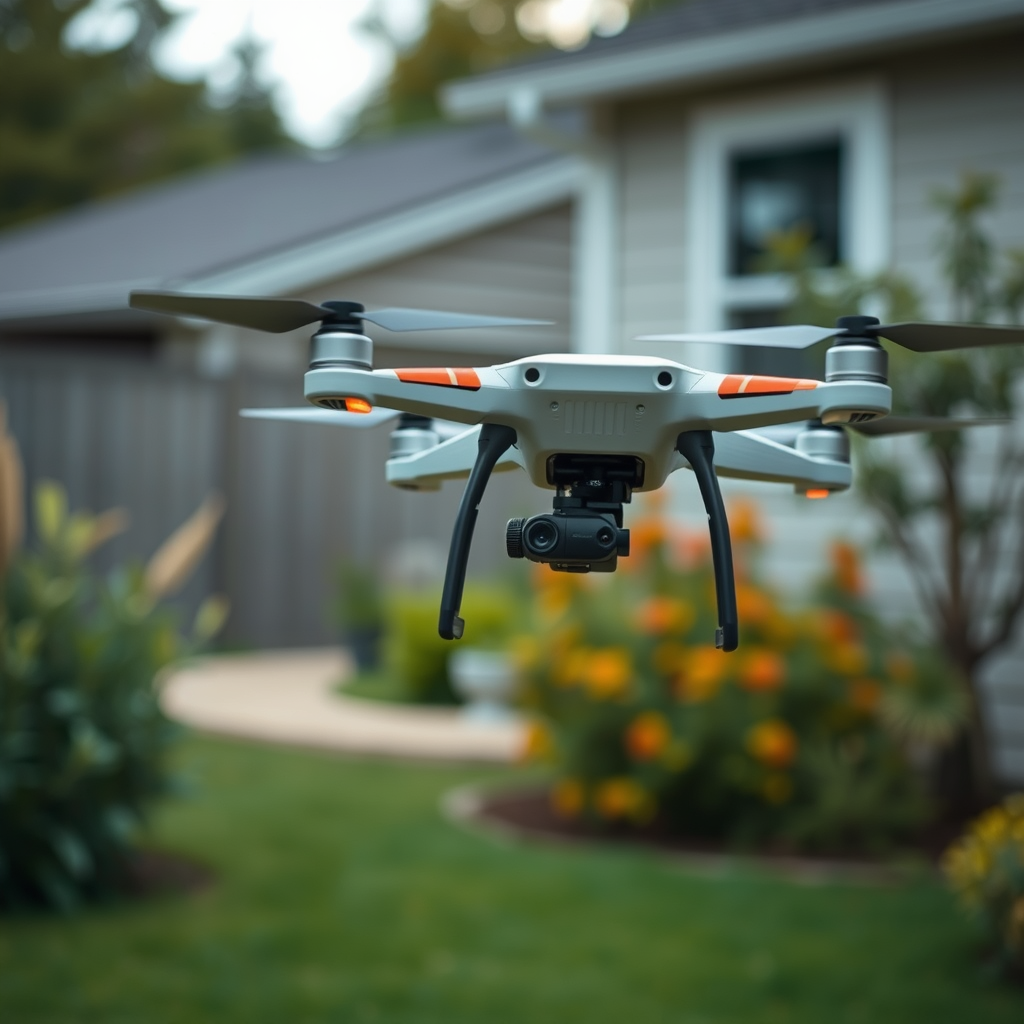
Owning property does not grant limitless flying rights. While you may have the right to fly a drone on your land, you must still adhere to the laws and regulations that govern airspace. For instance, the FAA maintains that airspace above certain altitudes is regulated, and flying too high can infringe upon navigable airspace, which is strictly controlled.
Respecting neighbors’ privacy is another critical aspect of drone operation. Flying a drone that captures video or images can easily lead to privacy violations, especially if it invades the personal space of those living nearby. To avoid potential legal issues, it is advisable to communicate with neighbors about your drone activities and set clear boundaries regarding flight paths. This proactive approach can help maintain good neighborly relations and prevent misunderstandings.
Safety Considerations for Drone Flight
Safety is paramount when flying a drone, both for the operator and the surrounding community. One of the fundamental safety guidelines is to always maintain visual line of sight with your drone. This practice ensures that you can effectively monitor the drone’s position and avoid potential collisions with obstacles, other aircraft, or people.
Additionally, it is essential to be aware of no-fly zones, which include areas around airports, military bases, and other restricted locations. The FAA provides resources, such as the B4UFLY mobile app, that allow drone operators to check for restricted airspace in real-time. Failing to adhere to these restrictions not only poses safety risks but could also result in legal consequences, including fines and the potential seizure of your drone.
Best Practices for Flying Drones
To ensure a positive and safe experience while flying your drone, implementing best practices is essential. Before each flight, conduct thorough pre-flight checks to confirm that your drone is in good working order. This includes checking battery levels, ensuring propellers are secure, and verifying that all systems are operational. Such checks can prevent in-flight failures that may lead to accidents or damage.
Choosing appropriate times to fly is also important. Be mindful of noise disruptions, especially during early morning or late evening hours when many people are at home. Opting for mid-day flights can help reduce disturbances to neighbors while still allowing you to enjoy your drone.
Additionally, consider joining local drone clubs or online communities. These organizations often offer valuable resources, training, and support, ensuring that you are well-informed and connected with others who share your interest in drone flying.
Insurance and Liability
As with any form of recreational or professional operation, considering insurance for your drone is a prudent decision. Drone insurance can protect you from financial liabilities arising from damages or accidents that may occur during flight. Many insurance providers offer policies that cover property damage, bodily injury, and even legal fees associated with drone-related incidents.
Understanding your liability in the event of a crash or injury is equally critical. If your drone accidentally damages a neighbor’s property or injures someone, you may be held responsible for the costs associated with the incident. Therefore, having adequate insurance coverage is not only a safeguard for your investment but also a responsible approach to drone ownership.
Drone Flight and Privacy Concerns
As drone technology continues to evolve, privacy concerns have become increasingly relevant. Familiarizing yourself with privacy laws related to aerial photography and videography is essential, as these laws can vary significantly by state and municipality. For example, capturing images of individuals without their consent may violate privacy rights, leading to legal repercussions.
Moreover, avoid flying over private property without obtaining permission from the owners. Doing so can lead to conflicts and potential legal disputes. If you are considering using your drone for photography or videography, always seek consent from individuals or property owners to ensure ethical and legal compliance.
In conclusion, while you can fly a drone on your own property, it is essential to remain informed about regulations and best practices to ensure safe and responsible usage. Always check local laws and consider the impact on your neighbors and community. By adhering to guidelines set forth by the FAA and engaging with your local regulations, you can enjoy the benefits of drone flying while fostering a respectful environment for everyone around you.
Frequently Asked Questions
Can I fly a drone on my own property without any restrictions?
Yes, you can generally fly a drone on your own property, but there are important restrictions to keep in mind. You must adhere to the Federal Aviation Administration (FAA) regulations, which include flying below 400 feet, maintaining visual line of sight, and avoiding flying near airports. Additionally, local laws and homeowner association rules may impose further restrictions, so it’s wise to check those before launching your drone.
What permissions do I need to fly my drone on private property?
While you don’t typically need permission from the FAA to fly a drone on your own property, it’s essential to ensure you’re compliant with local laws and regulations. If your drone use could impact neighbors (e.g., noise, privacy concerns), it’s courteous to inform them. Also, if you plan to use the drone for commercial purposes, you will need to obtain a Remote Pilot Certificate from the FAA.
Why is it important to understand drone regulations when flying on my property?
Understanding drone regulations is crucial to avoid legal issues and ensure safe flying practices. Violating FAA regulations can result in fines or penalties, and being unaware of local laws could lead to disputes with neighbors or legal action. Additionally, understanding these regulations helps promote responsible drone use, enhancing safety for both you and the surrounding community.
What are the best practices for flying a drone on my own property?
To ensure a safe and enjoyable drone flying experience on your property, follow best practices such as conducting a pre-flight safety check, flying during good weather conditions, and maintaining a safe distance from people and structures. Keep your drone within visual line of sight and be aware of any restricted airspace nearby. Additionally, consider using a drone with built-in safety features like obstacle avoidance and geofencing to enhance your flying experience.
Which insurance options are available for flying a drone on personal property?
When flying a drone on your own property, it’s advisable to consider drone insurance to protect against potential damages or liability claims. Options include general liability insurance, which covers damage to third-party property or injury, and hull insurance, which covers repair or replacement of your drone itself. Many specialized drone insurance providers offer tailored policies, so it’s beneficial to shop around and find coverage that meets your specific needs.
References
- https://www.faa.gov/uas/getting_started/registration
- https://www.faa.gov/uas/getting_started/part_107
- https://www.nolo.com/legal-encyclopedia/drone-law-property-rights-29736.html
- https://www.ama-flights.com/
- https://www.theverge.com/2021/4/14/22381190/drone-laws-us-faa-property-rights-ownership
- https://www.nationalgeographic.com/science/article/what-you-need-to-know-about-drones-and-law
- https://www.consumerreports.org/drone-laws-and-regulations-a1050202509/
