
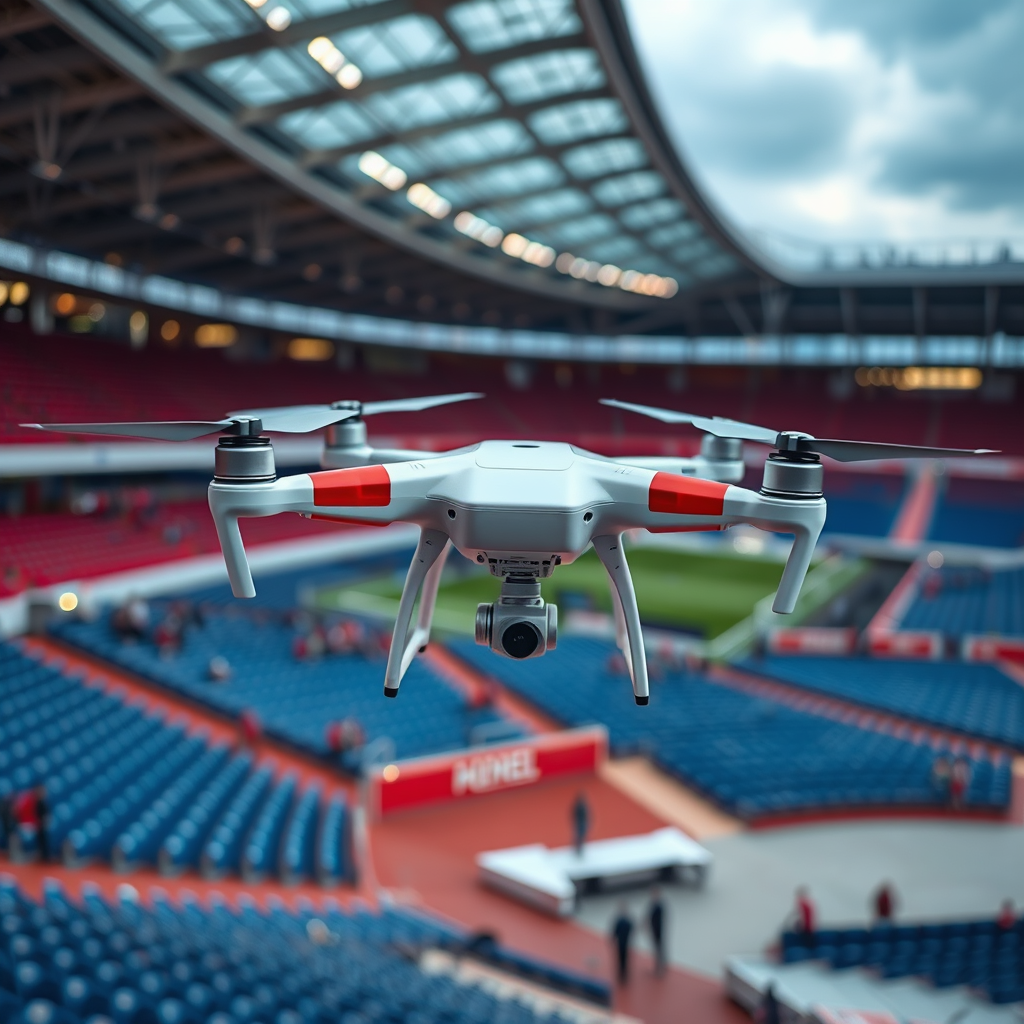
Yes, you can fly a drone over a stadium, but there are strict regulations and guidelines you must follow. Understanding these rules is essential to avoid legal issues and ensure safety for all. With the growing popularity of drones for photography, videography, and recreational use, many enthusiasts are eager to capture stunning aerial shots of large venues like sports stadiums. However, the complexities of airspace regulations, local laws, and safety considerations require thorough research and compliance before taking flight.
Understanding FAA Regulations
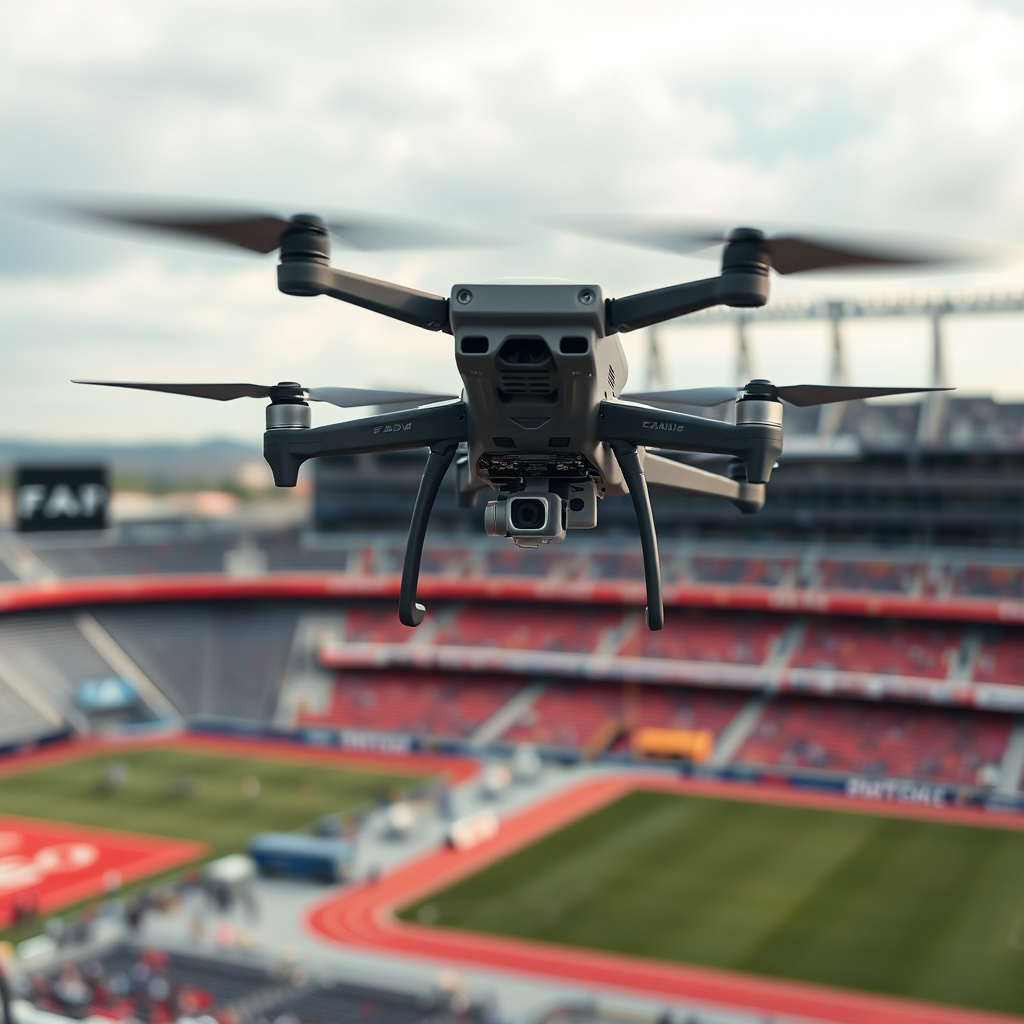
The Federal Aviation Administration (FAA) is the primary regulatory body governing airspace and drone operations in the United States. According to FAA regulations, flying a drone over a stadium typically falls under restricted airspace, especially during events that attract large crowds. This is primarily due to safety concerns, as drones can pose hazards to both attendees and aircraft.
In most circumstances, flying a drone in controlled airspace requires adherence to specific guidelines, including obtaining any necessary permissions. For instance, if the stadium is located near an airport, it may be classified as Class B, C, or D airspace, which imposes additional restrictions. Drone operators must apply for a waiver if they plan to operate in these areas, and understanding the FAA’s airspace classification system is crucial for compliance.
Additionally, drone pilots must be aware of the FAA’s Part 107 rules, which outline the required operational procedures for commercial drone use. This includes maintaining visual line-of-sight with the drone, not flying over people, and ensuring the drone does not exceed 400 feet in altitude. Failure to comply with these regulations can result in significant fines and legal repercussions.
Local Laws and Stadium Policies
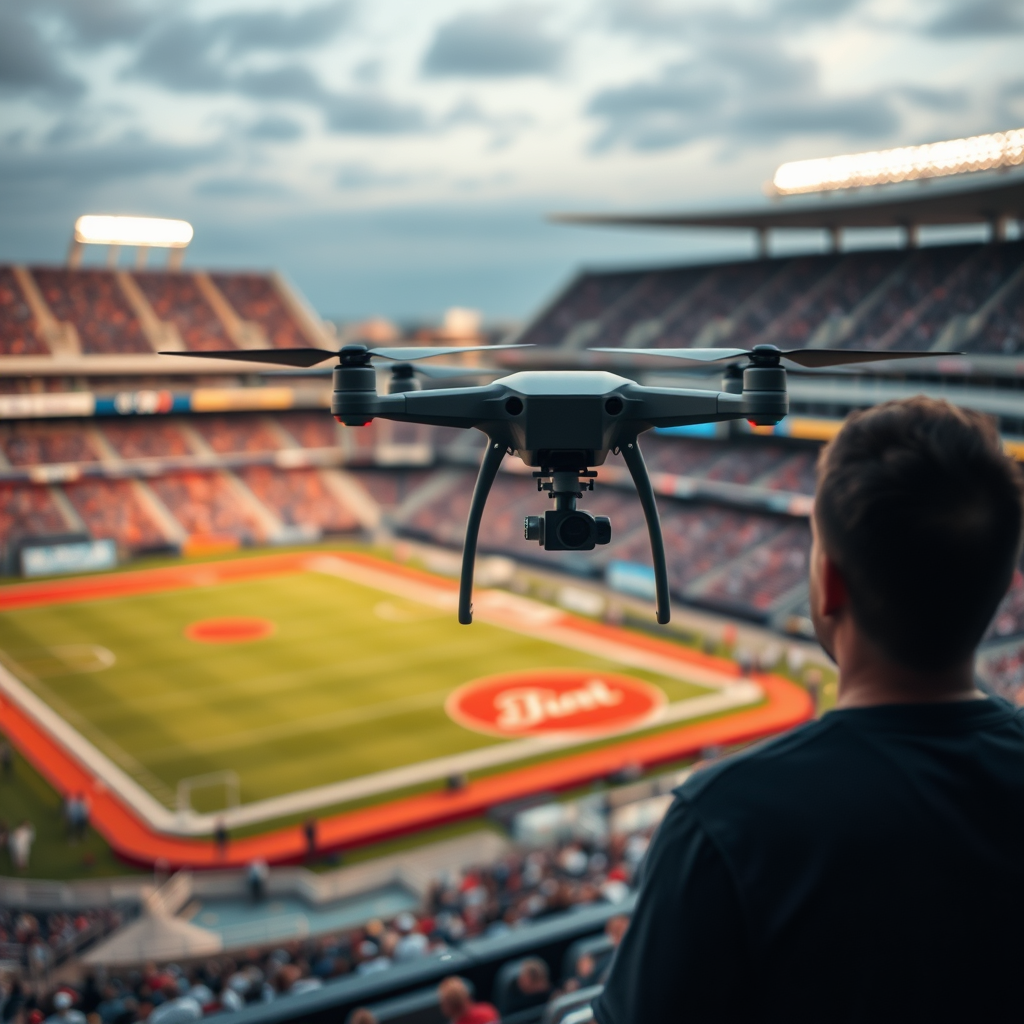
Beyond FAA regulations, many stadiums have their own policies regarding drone use, which may prohibit flights entirely. Stadium management often prioritizes the safety of attendees and the integrity of the event, leading to stringent no-fly zones. For example, several high-profile stadiums, such as the AT&T Stadium in Arlington, Texas, and the Mercedes-Benz Stadium in Atlanta, have explicitly banned drone operations during events.
It is essential to check with local authorities or the stadium management for specific rules that govern drone usage. Many venues will have clear guidelines published on their websites, and contacting event coordinators can provide additional insights. Furthermore, local government regulations may also dictate whether drones can be flown in public spaces surrounding the stadium, adding another layer of complexity.
Before planning a drone flight over a stadium, it is prudent to conduct thorough research and, if necessary, seek permission from the appropriate authorities to avoid any potential conflicts.
Safety Considerations
Safety is a paramount concern when flying drones, particularly over large crowds. Drones can pose risks to people, including potential injuries from crashes or malfunctions. For instance, a drone falling from the sky due to battery failure or interference can lead to serious injuries or even fatalities, particularly in densely populated environments like stadiums.
Additionally, drones can disrupt events, causing panic among attendees and potentially leading to evacuations. This not only endangers people but can also result in significant legal ramifications for the drone operator. As such, it is crucial to assess the environment and conditions before operating a drone near people. Factors like wind speed, visibility, and the drone’s operational capabilities should be carefully considered.
Furthermore, implementing risk management strategies, such as conducting pre-flight checks and ensuring that the drone is equipped with safety features like propeller guards or emergency landing protocols, can enhance safety. Operators should also be prepared for rapid decision-making in case of an emergency situation.
Required Permits and Notifications
When it comes to flying drones, obtaining the necessary permits and notifying relevant authorities is crucial. Depending on the nature of the flight, certain drone operations may require a Section 333 exemption or a Part 107 certification from the FAA. A Part 107 certification is particularly important for commercial drone pilots as it ensures they have the required knowledge of airspace regulations and safety procedures.
Before flying over a stadium, it is also advisable to notify local law enforcement and stadium officials of your intended flight. This not only helps in maintaining transparency but can also aid in coordinating efforts to ensure safety during the operation. In some cases, event organizers may even provide opportunities for authorized drone usage, particularly for promotional purposes, where collaboration can lead to mutually beneficial arrangements.
Failing to secure the necessary permits or to inform the relevant authorities can result in fines, penalties, or even criminal charges, underscoring the importance of compliance in drone operations.
Drone Technology and Features
Choosing the right drone equipped with advanced safety features can significantly enhance compliance with regulations and ensure safe operation in crowded areas. Modern drones come with a variety of features such as GPS, geofencing, and obstacle avoidance systems, which can help mitigate risks associated with flying over large crowds.
For example, drones with geofencing technology can prevent operators from flying into restricted airspace automatically, thereby reducing the likelihood of unintentional violations. Additionally, drones equipped with high-definition cameras and stabilization technology can capture stunning aerial footage without compromising safety.
Understanding your drone’s capabilities and limitations is crucial for safe operation. Operators should familiarize themselves with the drone’s flight range, battery life, and responsiveness to ensure they can maintain control during the flight. Investing in a reliable drone with robust technology not only improves the quality of footage but also enhances overall safety and compliance.
Alternatives to Flying Over a Stadium
If flying over a stadium poses too many regulatory or safety challenges, consider alternative options for capturing aerial footage. One effective strategy is to utilize nearby locations that offer a vantage point for capturing the stadium without flying directly overhead. Ideal spots might include elevated parks, rooftops of nearby buildings, or designated viewing areas that provide an unobstructed view of the venue.
Additionally, collaborating with stadium events for authorized drone usage can open doors to unique opportunities. Some stadiums may allow drone pilots to capture footage during special events or promotional activities, provided all safety and regulatory guidelines are strictly followed. This approach not only ensures compliance but can also result in high-quality content that benefits both the drone operator and the event organizers.
Exploring other drone-friendly environments, such as open fields or rural areas, can also provide excellent opportunities for capturing stunning aerial imagery without the complications associated with crowded venues.
In conclusion, while flying a drone over a stadium is possible, it involves navigating a complex set of regulations and safety considerations. Understanding FAA regulations, local laws, stadium policies, and the importance of safety is critical for ensuring compliance and protecting the well-being of attendees. Additionally, obtaining the necessary permits, choosing the right technology, and exploring alternative options can enhance the overall drone experience. Always do your research and ensure compliance to have a safe and enjoyable drone experience.
Frequently Asked Questions
Can I fly a drone over a stadium during an event?
No, flying a drone over a stadium during an event is generally prohibited due to safety and security regulations. The Federal Aviation Administration (FAA) restricts drone operations in certain controlled airspaces, which typically include areas around stadiums where large crowds gather. Violating these regulations can result in hefty fines and legal consequences, so it’s essential to check local laws and regulations before attempting to fly a drone in such areas.
What are the legal regulations for flying drones near sports stadiums?
The legal regulations for flying drones near sports stadiums are primarily governed by the FAA and typically include a No Fly Zone designation around stadiums during events. Drones must also be registered and operated below 400 feet, away from people, and not interfere with manned aircraft. It’s crucial to review both federal and local laws, as some states or municipalities may have additional restrictions in place, especially during major events.
Why are drones restricted from flying over stadiums?
Drones are restricted from flying over stadiums primarily for safety and security reasons. The presence of large crowds increases the risk of accidents, and drones can pose serious hazards if they malfunction or collide with people or structures. Additionally, drones could potentially be used for malicious purposes, prompting security concerns that lead to stricter regulations in these high-traffic areas.
What should I do if I want to capture aerial footage of a stadium?
If you want to capture aerial footage of a stadium, consider obtaining permission from the stadium management and exploring opportunities for official drone photography licenses or partnerships. Alternatively, you can fly your drone from a safe distance, ensuring you comply with all FAA regulations and local laws. Hiring a professional drone service with experience in filming events can also be a viable option to get the footage you desire without legal complications.
Which drones are best for capturing high-quality footage, and can they be flown near stadiums?
Drones equipped with high-resolution cameras, such as the DJI Mavic Air 2 or the DJI Phantom 4, are excellent for capturing high-quality footage. While these drones offer impressive capabilities, they cannot be flown near stadiums during events due to legal restrictions. Always ensure you have the necessary permissions and are in compliance with local laws when planning to use your drone for photography or videography in proximity to large venues.
References
- https://en.wikipedia.org/wiki/Drone_regulations_in_the_United_States
- https://www.faa.gov/uas/getting_started/
- https://www.faa.gov/uas/resources/policy_library/
- https://www.nytimes.com/2021/07/20/us/drone-stadium-safety.html
- https://www.reuters.com/technology/us-drone-use-sports-events-raises-safety-concerns-2021-07-20/
- https://www.theguardian.com/technology/2020/jun/03/drone-flying-rules-regulations-what-you-need-know
- https://www.nasa.gov/press-release/nasa-initiates-public-discussion-on-drone-operations-near-stadiums-and-large-gatherings
- https://www.dronepilotgroundschool.com/drone-flying-restrictions-near-stadiums/
