
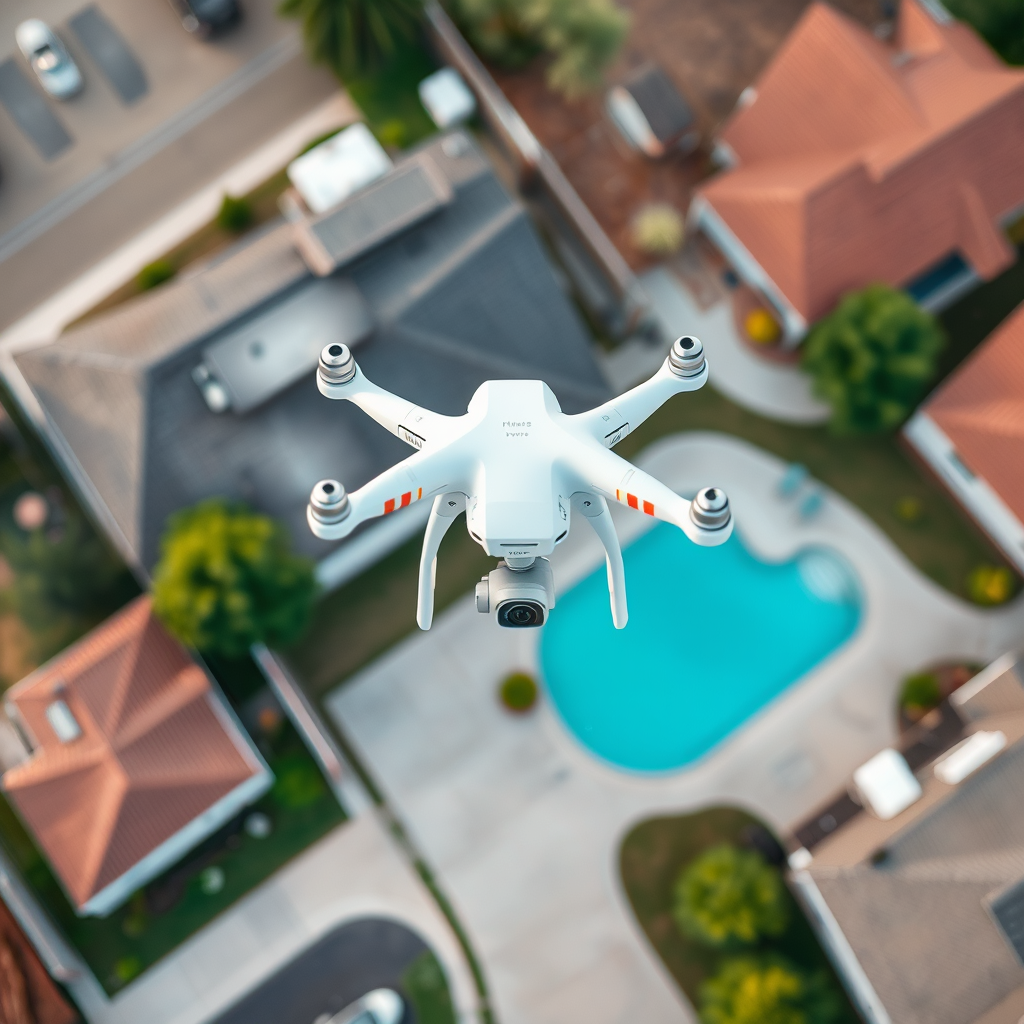
Yes, you can generally fly a drone over your own property, but there are important regulations and considerations to keep in mind. Understanding local laws and safety guidelines is crucial to ensure you enjoy your drone flying experience without legal complications. As drone technology continues to evolve, so too does the framework of laws and regulations surrounding their use. This article will delve into the nuances of flying a drone over your own property, ensuring you are well-informed before taking to the skies.
Understanding Drone Regulations
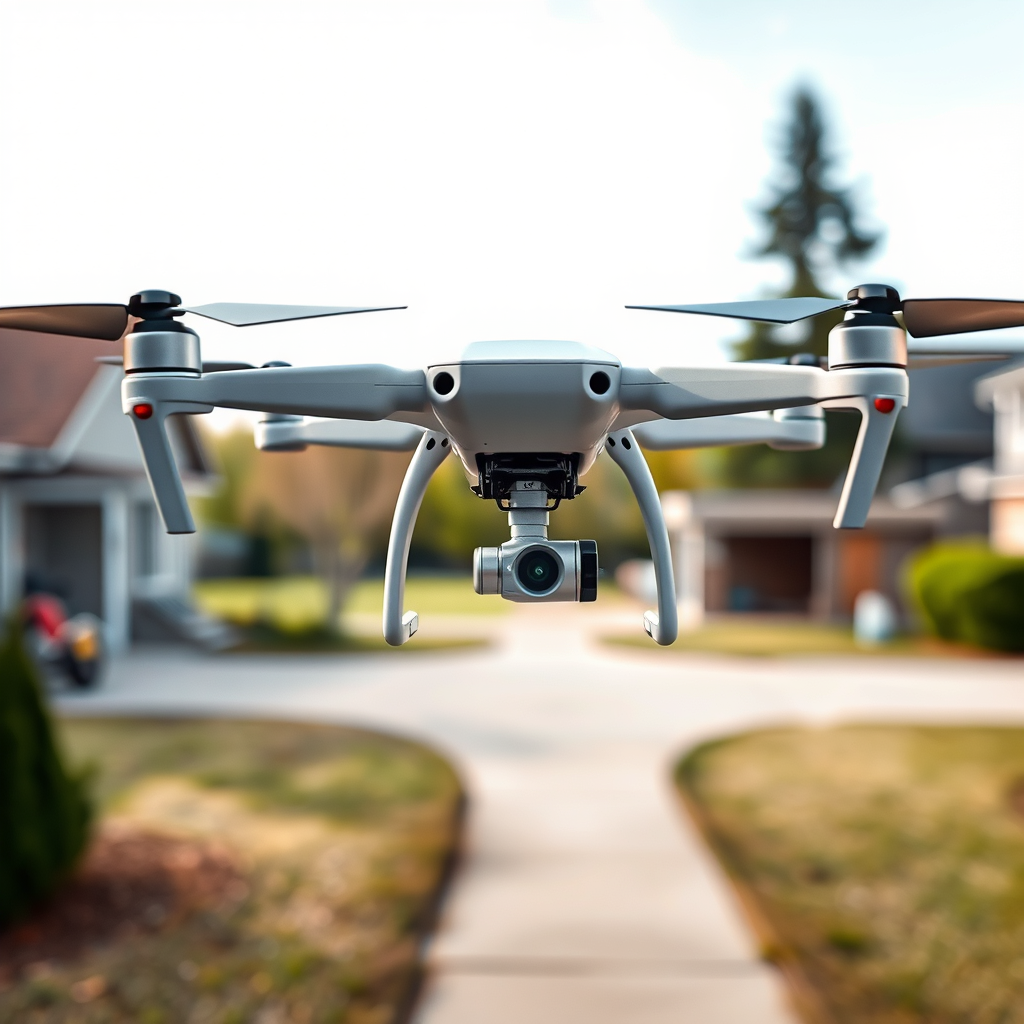
To operate a drone legally, it’s essential to familiarize yourself with the Federal Aviation Administration (FAA) regulations that govern drone use in the United States. The FAA classifies drones based on their weight and purpose, and most hobbyist drones fall under the Part 107 rules for commercial use. Hobbyists are required to register their drones if they weigh more than 0.55 pounds (250 grams).
Moreover, regardless of whether you’re flying for recreation or commercial purposes, you must adhere to the FAA’s guidelines, which include maintaining a visual line of sight with the drone, flying below 400 feet, and not flying near airports or in restricted airspace. Additionally, it is prudent to check for any local and state laws that might impose further restrictions on drone operation over private property. Some municipalities may have specific rules regarding the altitude at which drones can fly or may even prohibit drone flights altogether in certain areas.
Property Rights and Airspace
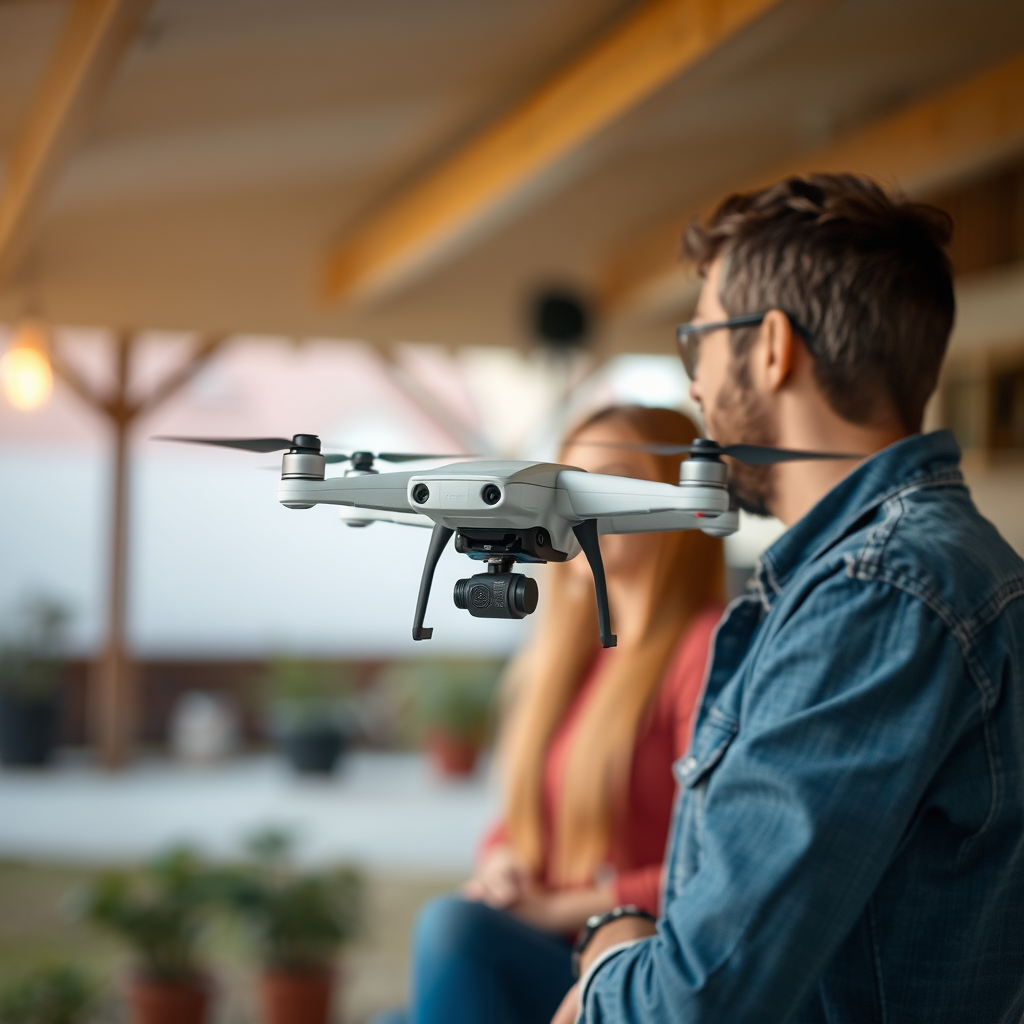
Understanding the concept of airspace ownership is crucial for any drone operator. While you own the land beneath your property, the airspace above it is subject to federal regulations. The FAA controls navigable airspace, which generally extends from the ground up to 400 feet above ground level in most residential areas. This means that while you can fly your drone over your own property, you must remain within the confines of the law concerning airspace usage.
Moreover, be aware of the limitations of flying drones near neighboring properties. It is essential to respect the privacy and rights of your neighbors, as flying your drone too close to their property can lead to disputes. A good practice is to maintain a distance that avoids encroaching on their airspace and to communicate openly with neighbors about your drone activities, especially if you plan to fly frequently.
Safety Considerations
Safety should be a top priority when flying drones. Always conduct a pre-flight check to ensure your drone is in proper working condition, including checking battery life, propellers, and camera functionality if applicable. Familiarize yourself with the drone’s controls and features, especially if you are a novice pilot.
Being aware of your surroundings is equally important to avoid accidents or injuries. Look out for people, animals, and obstacles such as trees and power lines. Flying in open areas, away from crowded spaces, can minimize risks. Additionally, consider the weather conditions before your flight; high winds, rain, or fog can significantly impact your drone’s stability and control.
Privacy Concerns
Respecting the privacy of others is a critical ethical consideration for drone operators. While you may have the right to fly over your property, capturing images or videos of your neighbors without their consent could raise legal and ethical concerns. Many states have laws regarding the invasion of privacy, which could result in potential lawsuits if you inadvertently invade someone’s personal space while flying.
To mitigate these privacy concerns, avoid flying your drone in close proximity to neighboring homes or yards. If you do capture footage that includes other people’s property or individuals, consider seeking their permission before sharing or posting the material online. By being considerate of others’ privacy, you can foster goodwill within your community and reduce the likelihood of conflicts arising from your drone use.
Best Practices for Drone Use
To ensure a responsible and enjoyable drone flying experience, follow best practices that enhance both safety and compliance with regulations. First, plan your flight path carefully to avoid crowded areas and sensitive locations, such as schools, hospitals, or private gatherings. Using a flight planning app can help you assess airspace restrictions and identify optimal flight routes.
Incorporate appropriate technology to enhance safety, such as geofencing, which prevents your drone from flying into restricted areas, and automated return-to-home features, which ensure your drone can safely return to you if you lose connection. It’s also wise to familiarize yourself with local landmarks and potential hazards before flying, as this knowledge can help you navigate more effectively.
Lastly, consider investing in insurance for your drone, particularly if you use it for commercial purposes or fly frequently. Insurance can provide peace of mind and financial protection in the event of accidents or damage.
Resources for Drone Operators
A wealth of resources is available for drone operators seeking to improve their skills and knowledge. Online platforms such as the FAA’s website provide comprehensive information about drone regulations, safety guidelines, and best practices. Many drone manufacturers also offer tutorials and user manuals that can be invaluable for new pilots.
Community forums and social media groups dedicated to drone pilots are excellent venues for sharing tips, experiences, and advice. Joining local drone clubs can also enhance your knowledge, as these organizations often host events, workshops, and group flights that allow you to learn from experienced pilots in a supportive environment.
Additionally, consider enrolling in a formal training course. Many flight schools and online programs offer pilot training specifically tailored for drone operators, ensuring you are well-equipped with the skills needed for safe and responsible drone operation.
In conclusion, while you can fly a drone over your own property, it’s essential to adhere to regulations, prioritize safety, and respect others’ privacy. Being informed about local laws, conducting thorough pre-flight checks, and practicing responsible flying will not only enhance your experience but also contribute to a positive perception of drone use in your community. Stay updated on changing regulations and continue to expand your knowledge to ensure a responsible and enjoyable drone flying experience.
Frequently Asked Questions
Can I legally fly a drone over my own property?
Yes, you can legally fly a drone over your own property, but there are specific regulations you must follow. The Federal Aviation Administration (FAA) governs airspace in the United States, and while you may own the land, you do not own the airspace above it. Make sure you adhere to FAA guidelines, such as flying below 400 feet, keeping your drone within visual line of sight, and avoiding restricted airspace nearby.
What are the restrictions for flying a drone over residential areas?
When flying a drone over residential areas, you need to consider both federal and local regulations. The FAA requires that drone operators do not fly over people or moving vehicles without a waiver. Additionally, many local municipalities have their own rules regarding noise ordinances and privacy concerns, so it’s essential to check local laws before flying your drone in these areas to avoid potential fines or legal issues.
How can I ensure I’m flying my drone legally over my property?
To ensure you’re flying your drone legally over your property, start by registering your drone with the FAA if it weighs more than 0.55 pounds. Familiarize yourself with the FAA’s Part 107 regulations, which govern commercial drone flying, and review any local laws and ordinances that may apply. Additionally, consider using apps or resources that provide information on airspace classification and restrictions to stay informed while flying.
Why do I need to check airspace regulations when flying a drone over my property?
Checking airspace regulations is crucial because flying a drone can inadvertently violate federal or local laws, potentially leading to fines or legal action. The airspace above your property may be classified as restricted or controlled due to proximity to airports, government buildings, or other sensitive areas. By staying informed about these regulations, you can ensure safe and responsible drone operation while protecting your rights and property.
What should I do if a neighbor complains about my drone flying over their property?
If a neighbor complains about your drone flying over their property, the best course of action is to engage in open communication. Explain the legalities of flying a drone over your property and assure them you are following all regulations. If their concerns persist, consider adjusting your flight path to avoid their property or establish a mutual understanding about drone usage to maintain a good neighborly relationship.
References
- https://www.faa.gov/uas/getting_started/part_107
- https://www.faa.gov/uas/
- https://www.nolo.com/legal-encyclopedia/drone-law-flying-drones-your-property-29932.html
- https://www.wired.com/story/drone-laws-2021/
- https://en.wikipedia.org/wiki/Drone_regulation_in_the_United_States
- https://www.nasao.org/what-is-drone-law/
- https://www.nerdwallet.com/article/investing/flying-drone-property-laws
