
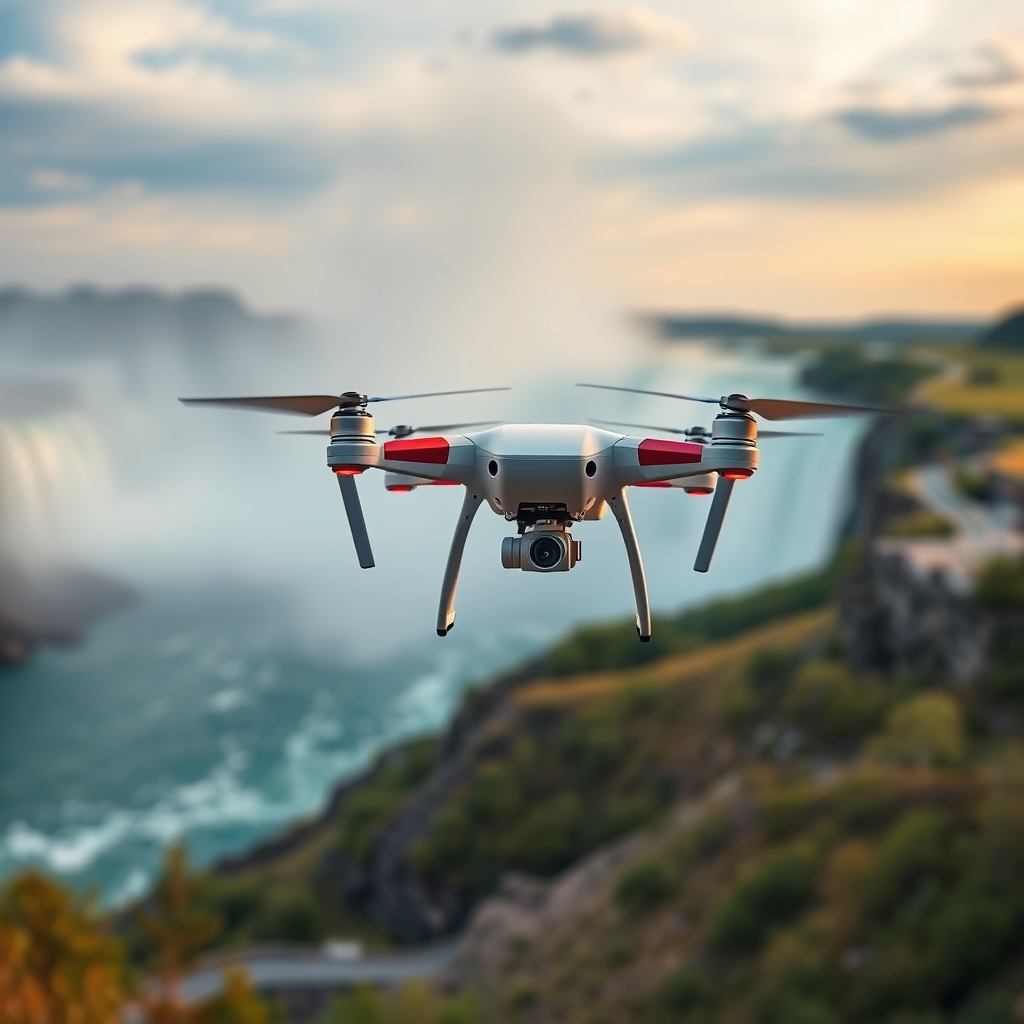
Yes, you can fly a drone over Niagara Falls, but there are specific regulations and guidelines you must follow to ensure safety and compliance with the law. The iconic location, known for its breathtaking views and natural beauty, attracts drone enthusiasts; however, understanding the legal framework is essential to avoid penalties and ensure a safe flying experience. This article will explore the rules, risks, and best practices for flying drones in this iconic location.
Understanding Drone Regulations at Niagara Falls
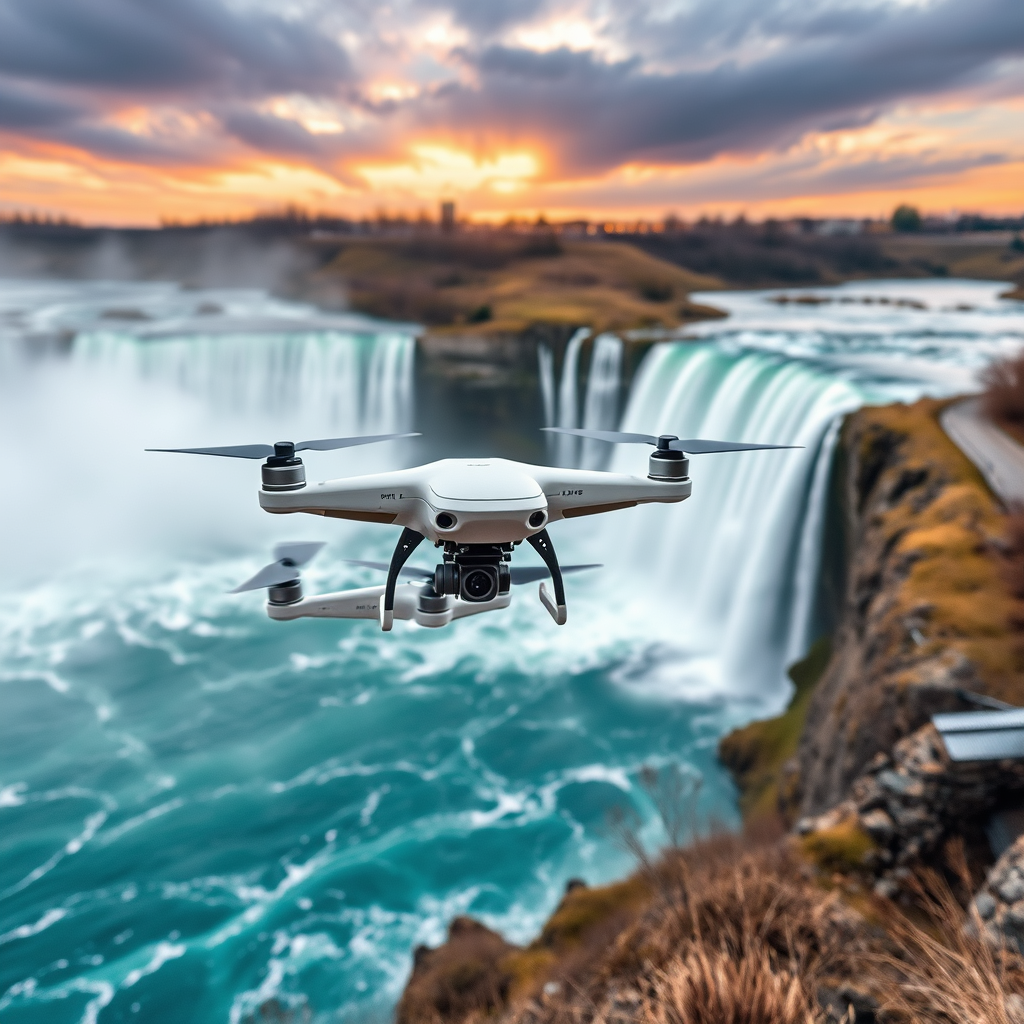
The area surrounding Niagara Falls is subject to regulations enforced by both the Federal Aviation Administration (FAA) and local laws. In general, the FAA governs the airspace and has established rules for drone operation, including the requirement for commercial operators to obtain a Part 107 certification. However, as Niagara Falls is a national park, additional restrictions come into play. Drones are prohibited in certain zones, particularly within the boundaries of national parks, which includes a significant portion of the falls area. The National Park Service aims to protect wildlife and the natural environment, making compliance with these regulations crucial for drone operators.
It’s essential for drone pilots to familiarize themselves with the specific rules that apply to the Niagara Falls area. For instance, flying near the falls could interfere with visitor experiences or wildlife, which is why strict guidelines are in place. Before planning a flight, check the official FAA website and local regulations for any updates or changes that may affect your ability to operate a drone in the area.
Necessary Permits and Permissions
If you plan to fly a drone over Niagara Falls, obtaining the necessary permits and permissions is crucial, particularly if your operation is for commercial purposes. For recreational use, you generally do not need a special permit; however, compliance with FAA regulations and local laws is mandatory. If you are a commercial operator, you must ensure that you hold a Part 107 certification from the FAA, which requires passing a knowledge test on aviation safety and regulations.
In addition to FAA requirements, you must also seek approval from the National Park Service if you intend to fly within park boundaries. This may involve submitting a request detailing your flight plan, intended use, and safety measures. Be sure to allow ample time for your application to be processed, as approvals can take time, especially during peak tourist seasons. Ultimately, understanding the necessary permits and permissions will help you avoid legal complications and ensure a smooth flying experience.
Safety Guidelines for Flying Drones
Safety should be your top priority when flying a drone, particularly in a high-traffic tourist area like Niagara Falls. To maintain safety, it is essential to adhere to several guidelines. First, always maintain a safe distance from crowds and wildlife. The area around the falls can become congested, and operating a drone near people can lead to accidents or injuries. Additionally, wildlife, including various bird species, may be disturbed by drone operations, which can disrupt their natural behaviors.
Another critical safety guideline is to stay within visual line-of-sight while operating your drone. This means you should always be able to see your drone with your own eyes, rather than relying solely on the drone’s camera feed. This practice not only enhances safety but also helps you avoid potential collisions with other aircraft, which is crucial given the proximity to tourist areas and the potential for unexpected aerial traffic. Familiarize yourself with emergency procedures and fail-safe measures to ensure you can quickly respond to any issues that arise during your flight.
Best Times to Fly a Drone Over Niagara Falls
Identifying the optimal times to fly your drone can enhance your experience and improve the quality of your footage. Early mornings or weekdays are generally recommended, as these times tend to offer less crowded conditions, allowing for more freedom of movement and better opportunities to capture stunning visuals. The soft morning light can also lend a magical quality to your photographs and videos.
In addition to timing, weather conditions play a significant role in drone operations. Be sure to check the weather forecast before your flight, as changing conditions can significantly affect visibility and safety. Overcast days may limit your ability to capture vibrant colors, while sunny days can produce glare and harsh shadows. Always aim for clear, calm weather conditions to maximize the quality of your aerial photography.
Tips for Capturing Stunning Footage
To make the most of your drone flight over Niagara Falls, consider these tips for capturing stunning footage. First, using filters can significantly enhance your images, particularly in bright sunlight. Polarizing filters can reduce glare and help saturate colors, making the falls appear more vibrant in your photos. Neutral density (ND) filters can also be beneficial for controlling exposure and achieving smooth motion in your video footage.
Planning your flight path is equally important for optimal angles and perspectives. Research the area beforehand and identify key landmarks and vantage points that can add depth to your shots. Incorporate a variety of angles, such as sweeping panoramas of the falls and close-ups of the water cascading down. Experiment with different altitudes to find the best height for capturing the grandeur of the location. By planning carefully, you can create a compelling visual narrative that showcases the beauty of Niagara Falls.
Potential Risks and Challenges
While flying a drone over Niagara Falls can be a rewarding experience, it is essential to be aware of the potential risks and challenges involved. One of the primary concerns is the changing weather conditions near the falls. The mist generated by the crashing water can create unpredictable shifts in wind patterns, which may affect your drone’s stability and performance. Pilots should be prepared for these challenges and avoid flying in adverse weather conditions.
Another significant risk is the potential for losing your drone in the mist or water. The proximity of the falls means that drones can easily be caught in strong currents or swept away by the force of the water. To mitigate this risk, ensure that your drone is equipped with a reliable return-to-home feature, which can assist in recovering the drone in case it drifts too far. Always have a contingency plan in place and be prepared for the possibility of an emergency landing.
Alternative Viewing Options
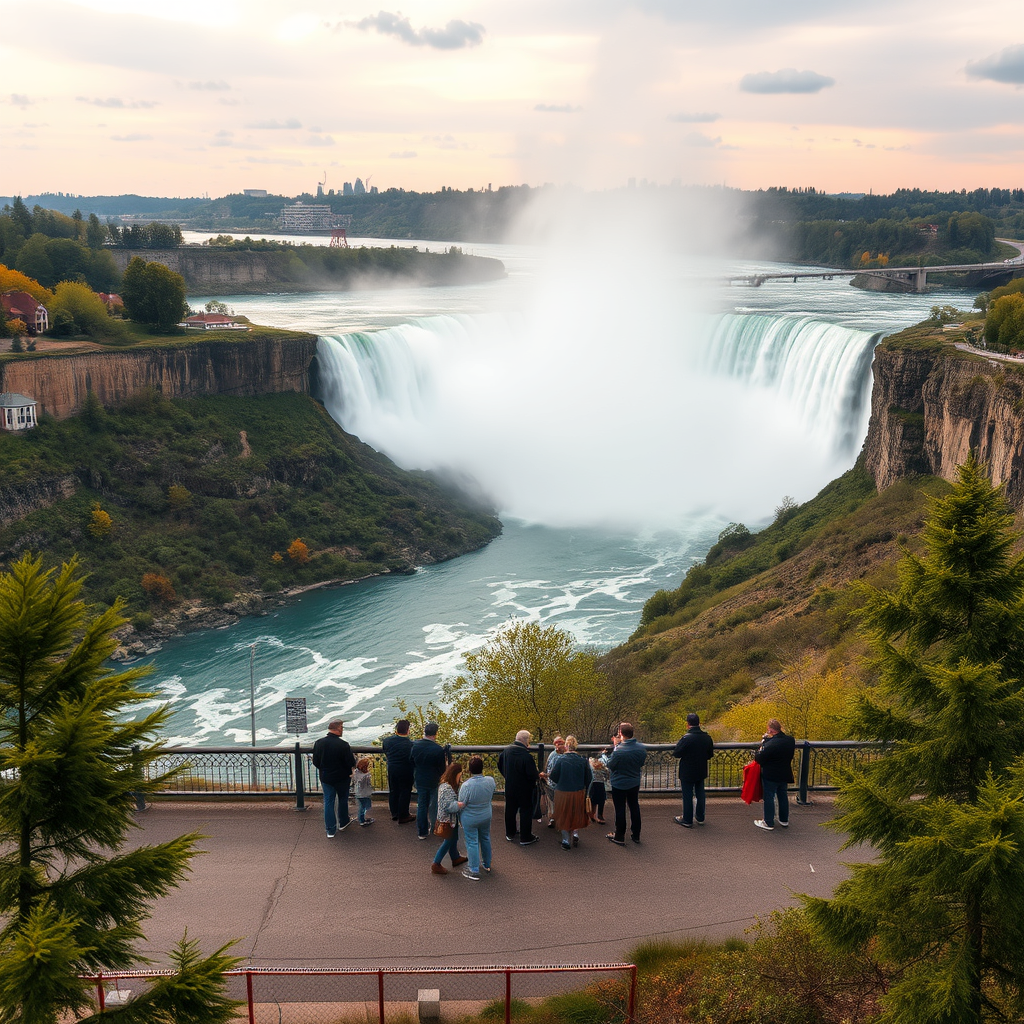
If flying a drone over Niagara Falls seems daunting or overly complicated, consider exploring alternative viewing options that allow you to enjoy the scenery without the associated regulations and risks. Numerous scenic viewpoints around the falls provide excellent opportunities for photography without requiring drone operation. Popular spots include the Observation Tower, which offers a panoramic view of the falls, and various vantage points along the walking paths.
Additionally, guided tours can provide unique perspectives of the falls without the hassle of navigating regulations or managing drone equipment. Boat tours, such as the iconic Maid of the Mist, allow visitors to get up close to the falls, providing an exhilarating experience along with fantastic photo opportunities. These options not only enhance your experience but also respect the natural environment and the regulations in place.
In conclusion, while flying a drone over Niagara Falls is possible, it requires careful planning and adherence to regulations. Understanding drone regulations, securing necessary permits, and following safety guidelines are essential steps for a successful flight. Additionally, being aware of the best times to fly, tips for capturing stunning footage, and potential risks will help ensure a rewarding experience. For those who prefer to avoid the complexities of drone operation, alternative viewing options offer incredible opportunities to appreciate the beauty of this natural wonder. Always prioritize safety, respect the environment, and enjoy the breathtaking views that Niagara Falls has to offer.
Frequently Asked Questions
Can I legally fly a drone over Niagara Falls?
No, flying a drone over Niagara Falls is prohibited due to strict regulations set by both the National Park Service and Transport Canada. These regulations are in place to ensure the safety of visitors and protect the natural environment. If you’re planning to fly a drone in the vicinity, it’s essential to check local laws and obtain any necessary permits, but be aware that most areas near the falls have restrictions.
What are the penalties for flying a drone in restricted areas around Niagara Falls?
Penalties for flying a drone in restricted areas like Niagara Falls can be severe, including hefty fines and potential confiscation of the drone. Violators may face fines ranging from hundreds to thousands of dollars, depending on the severity of the infraction. It’s crucial to familiarize yourself with the regulations to avoid these penalties and ensure a safe experience for everyone.
Where can I legally fly my drone near Niagara Falls?
Although flying directly over Niagara Falls is not allowed, there are designated areas nearby where drone use is permitted. For example, you can explore locations outside the immediate vicinity of the falls, such as designated parks or open spaces where drone flying is allowed. Always check for local drone regulations and guidelines to ensure compliance before launching your drone.
How can I capture aerial photos of Niagara Falls without flying a drone?
If you want to capture stunning aerial photos of Niagara Falls without flying a drone, consider hiring a professional aerial photography service or using a helicopter tour. These options not only provide breathtaking views but also adhere to legal regulations. Additionally, you can explore vantage points along the Niagara River or use elevated platforms in nearby parks to capture dramatic images from a safe distance.
Why are drones banned over Niagara Falls?
Drones are banned over Niagara Falls primarily to protect public safety and wildlife. The high volume of visitors, combined with the natural hazards of the falls, makes it crucial to minimize risks associated with drone operations. Furthermore, the sound and presence of drones can disturb wildlife and disrupt the natural beauty of this iconic landmark, prompting regulations that prioritize conservation and visitor enjoyment.
References
- https://www.nps.gov/nr/travel/american_latinos_heritage/Niagara_Falls.html
- https://www.faa.gov/uas/getting_started/
- https://www.niagarafalls.ca/business/drone-operations.html
- https://www.niagarafallsusa.com/plan-your-visit/faq/
- https://www.ontario.ca/page/drone-safety
- https://www.niagaraparks.com/plan-your-visit/drones/
- https://www.cbc.ca/news/canada/niagara-falls-drones-regulations-1.5081235
