
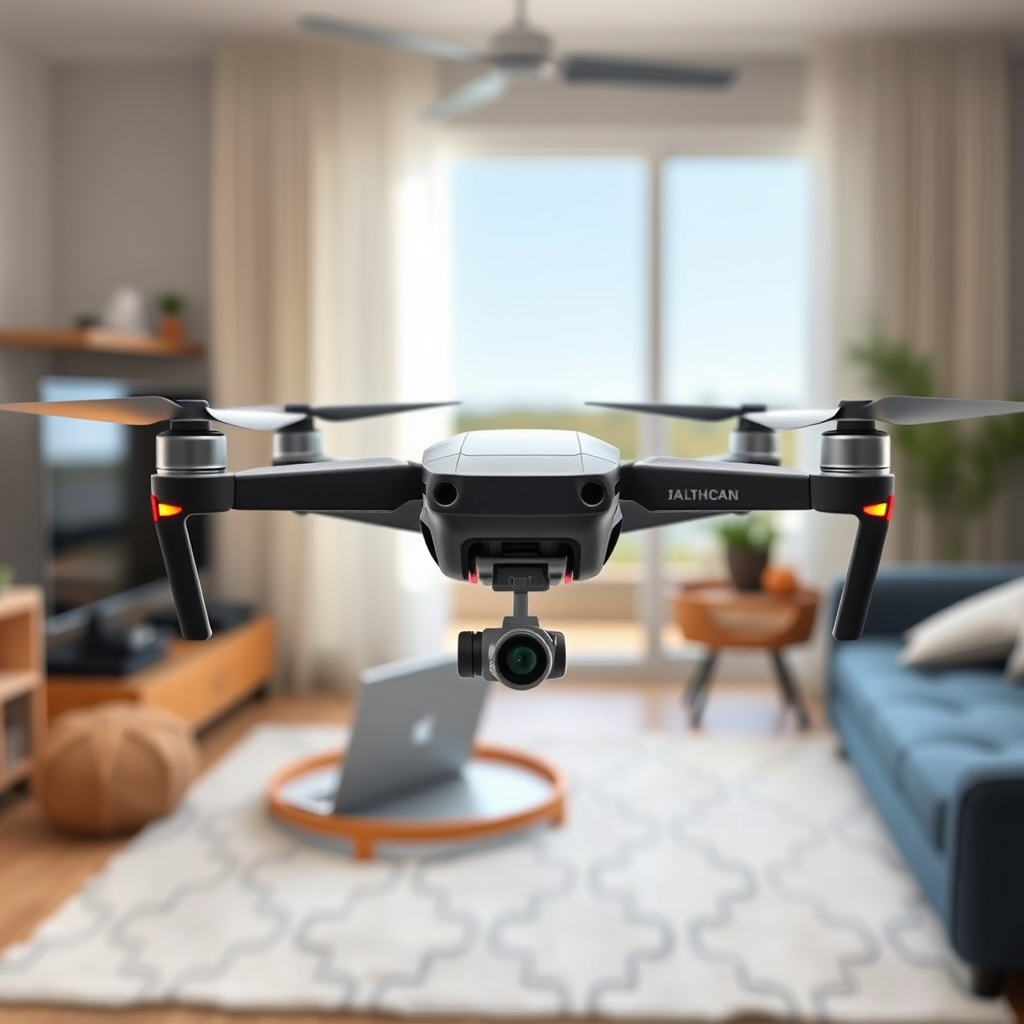
Yes, you can fly a drone in California, but there are specific regulations and guidelines you must follow to ensure safety and compliance. Understanding these rules will help you operate your drone legally and responsibly, preventing any potential legal issues and enhancing the overall flying experience. California is known for its diverse landscapes, making it an attractive location for drone enthusiasts; however, the state has implemented strict regulations to protect both public safety and privacy.
Understanding California Drone Laws
California has both federal and state drone regulations that govern the use of unmanned aerial vehicles (UAVs). At the federal level, the Federal Aviation Administration (FAA) sets the framework for drone operation, which is applicable across all states, including California. Additionally, the state’s own laws introduce specific provisions that address unique local concerns, such as privacy and safety.
It is crucial to be aware of airspace restrictions, especially near airports. California boasts several densely populated urban areas and numerous airports, which necessitate strict adherence to no-fly zones. For instance, flying a drone within five miles of an airport without prior notification to the air traffic control is prohibited. Understanding these regulations is essential for anyone looking to operate a drone in California, as violations can result in significant penalties.
Federal Regulations to Consider
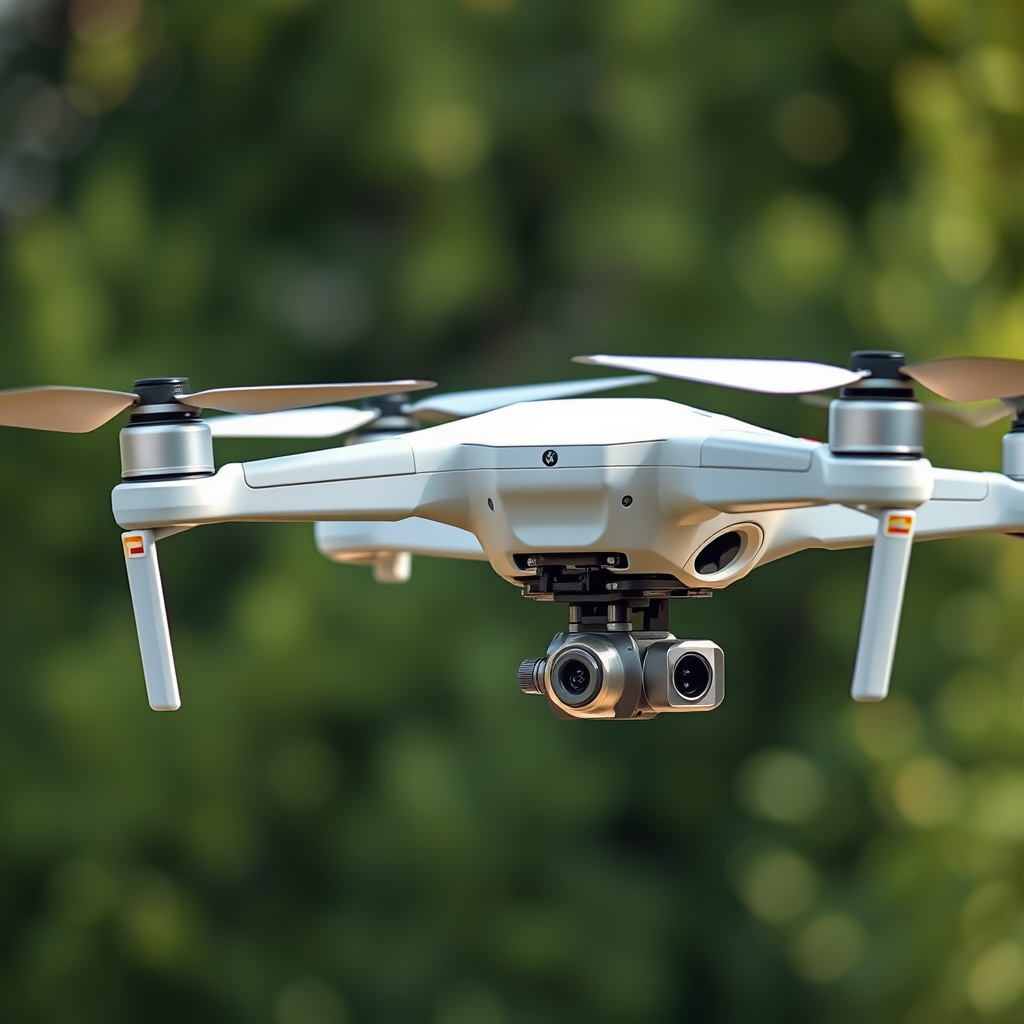
The FAA governs drone usage across the United States, requiring registration for drones that weigh more than 0.55 pounds (approximately 250 grams). This registration process is straightforward and can be completed online. Once registered, operators receive a unique identification number that must be displayed on the drone.
For those seeking to fly commercially, compliance with the FAA’s Part 107 rules is a must. These rules encompass various operational guidelines, including altitude restrictions, airspace classifications, and pilot certification requirements. Commercial drone pilots must pass a written exam to obtain a Remote Pilot Certificate, which ensures they understand the nuances of safe drone operation. Non-compliance with these federal regulations can lead to hefty fines and legal repercussions, making it imperative for drone pilots to familiarize themselves with all applicable rules.
State-Specific Regulations
California has enacted additional laws that focus on privacy concerns, particularly regarding the use of drones for surveillance or capturing images and videos of individuals without their consent. According to California Civil Code Section 1708.8, using a drone to invade someone’s privacy can lead to civil liability. This means that if you capture images or recordings of individuals in private settings, you could face lawsuits.
Moreover, certain areas in California, such as national parks and wildlife refuges, impose strict restrictions against drone usage. For instance, the National Park Service has prohibited drone flights in all national parks to protect wildlife and preserve the natural environment. Violating these restrictions can not only result in fines but may also damage the fragile ecosystems these areas are meant to protect. Therefore, it is vital to research and understand state-specific regulations before operating a drone in California.
Local Ordinances and Restrictions
In addition to state and federal laws, various cities and counties in California may have their own rules regarding drone operations. For example, cities like Los Angeles and San Francisco have implemented regulations that further restrict where and how drones can be flown within their jurisdictions. Local ordinances may include bans on flying in public parks, over certain public events, or during specific times of the day.
Always check local laws to avoid fines and legal issues. It is advisable to consult city or county websites, or even contact local law enforcement if you are unsure about specific regulations in your area. Engaging with local authorities can provide clarity and ensure compliance with any unique restrictions that might apply to your intended flying location.
Safety Guidelines for Drone Operators
Operating a drone responsibly involves adhering to several safety guidelines. First and foremost, maintain a visual line of sight with your drone at all times. This practice not only helps in avoiding collisions but is also a requirement under FAA regulations. Drones should be flown in a manner that does not pose a risk to individuals, property, or other aircraft.
Additionally, avoid flying over people and private property without permission. This is essential for respecting privacy rights and minimizing the risk of accidents. It is also advisable to avoid flying in adverse weather conditions, as wind and rain can significantly affect drone stability and control. Consider using pre-flight checklists to ensure equipment is functioning correctly before each flight, and always have a plan for emergency landings.
Recommended Resources for Drone Operators
To enhance your flying experience and ensure compliance with regulations, utilize apps and websites that provide real-time information on airspace restrictions. Tools like the FAA’s B4UFLY app allow drone operators to check airspace status and identify any restrictions before flying. Other resources, such as Airmap, offer detailed maps that show no-fly zones, temporary flight restrictions, and local regulations.
Joining local drone flying clubs can also be beneficial for community support and knowledge sharing. These clubs often provide valuable insights into local flying conditions, upcoming events, and best practices for safe drone operation. Networking with fellow drone enthusiasts can enhance your flying skills and keep you informed about the latest developments in drone technology and regulations.
In conclusion, while flying a drone in California is permissible, it is essential to understand and follow all applicable laws and regulations. By familiarizing yourself with federal, state, and local guidelines, you can operate your drone legally and responsibly. Always stay informed about airspace restrictions, privacy concerns, and safety practices to enjoy this exciting hobby safely. Embracing these regulations not only protects you as an operator but also contributes to the broader community’s enjoyment and safety.
Frequently Asked Questions
What are the regulations for flying a drone in California?
In California, drone operators must adhere to both federal and state regulations. The Federal Aviation Administration (FAA) requires that all drones are registered if they weigh more than 0.55 pounds, and operators must follow the Part 107 rules for commercial use, which include keeping the drone within visual line of sight and not flying above 400 feet. Additionally, California has specific laws regarding privacy and no-fly zones, so it’s crucial to research local regulations before flying.
How do I obtain a drone license in California?
To fly a drone for commercial purposes in California, you must obtain a Part 107 Remote Pilot Certificate from the FAA. This involves passing a knowledge test that covers various topics, including airspace classification, weather effects, and drone operation rules. You can prepare for the test by studying the FAA’s resources or enrolling in a training course, and once you pass, you can apply for your license online.
Why are there restrictions on where I can fly my drone in California?
Restrictions on drone flights in California exist primarily for safety and privacy concerns. Certain areas, such as near airports, military installations, and national parks, are designated as no-fly zones to prevent accidents and protect sensitive locations. Additionally, California law prohibits using drones to capture images or data in a way that violates privacy rights, ensuring that drone operators respect the privacy of individuals and property.
What are the best practices for flying a drone safely in California?
To ensure safe drone operation in California, drone pilots should always conduct a pre-flight check, including inspecting the drone’s battery, propellers, and overall functionality. It’s essential to fly during daylight hours and maintain a visual line of sight with the drone at all times. Furthermore, being aware of your surroundings, avoiding crowded areas, and respecting privacy by not flying over private property without permission are crucial best practices for responsible drone flying.
Which drone models are recommended for beginners in California?
For beginners looking to fly drones in California, models like the DJI Mini SE and the Holy Stone HS720 are highly recommended due to their user-friendly features, stability, and camera quality. These drones offer easy-to-use controls, decent flight times, and built-in safety features like GPS and obstacle avoidance, making them ideal for new pilots. Additionally, ensure that any drone you choose complies with FAA regulations for safe operation.
References
- https://www.faa.gov/uas/getting_started/uas_flyers
- https://www.calparks.org/learn/faq/drone-flying-in-california
- https://www.nasa.gov/mission_pages/drones/faq/index.html
- https://www.nolo.com/legal-encyclopedia/drone-laws-california-32967.html
- https://www.coursera.org/learn/drone-flying-california
- https://www.sfgate.com/california-live/article/flying-drones-in-california-15965500.php
