
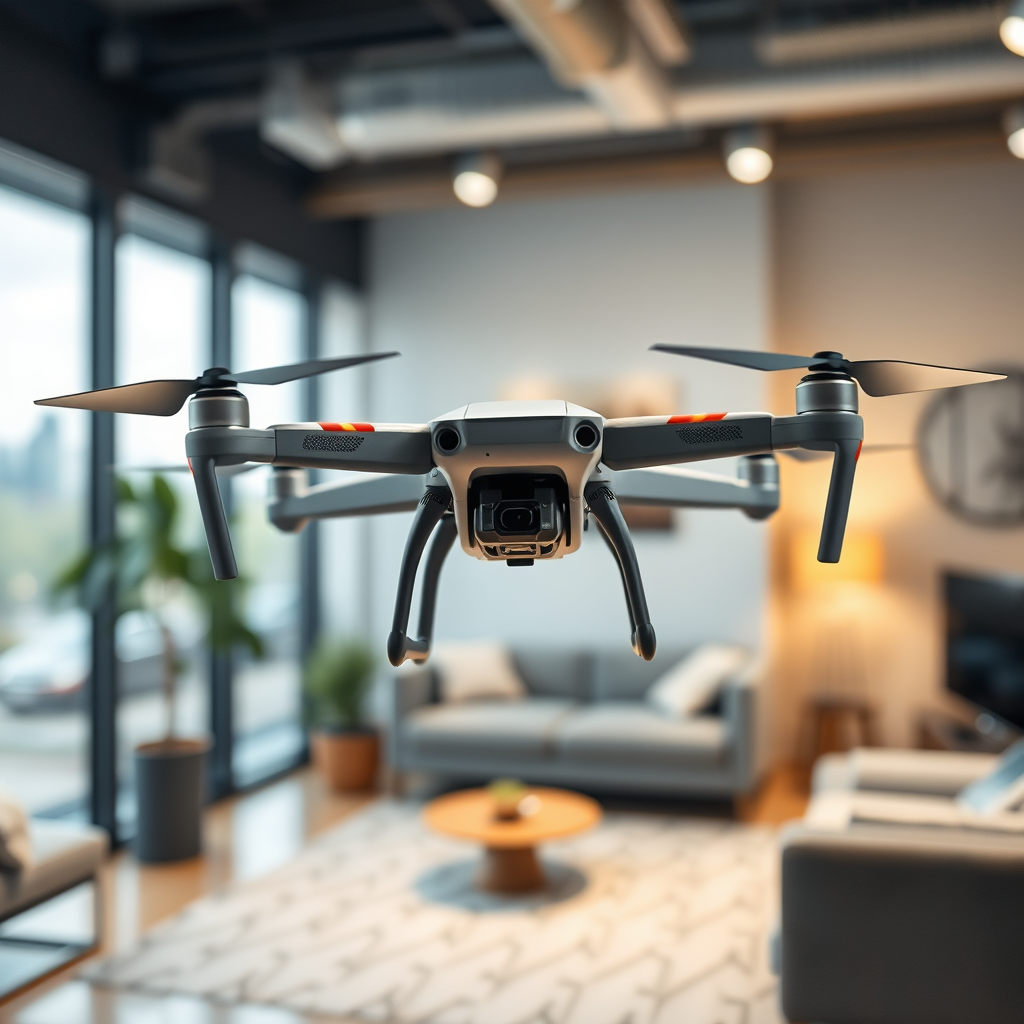
Yes, you can fly a drone in Canada, but there are specific regulations and guidelines you must follow to ensure safety and compliance. Canada has developed a comprehensive framework that governs drone operations, ensuring that both recreational and commercial users can enjoy the benefits of drone technology while maintaining safety and respect for public and environmental concerns. Understanding these regulations will help you navigate the complex landscape of drone usage legally and responsibly.
Understanding Canadian Drone Regulations
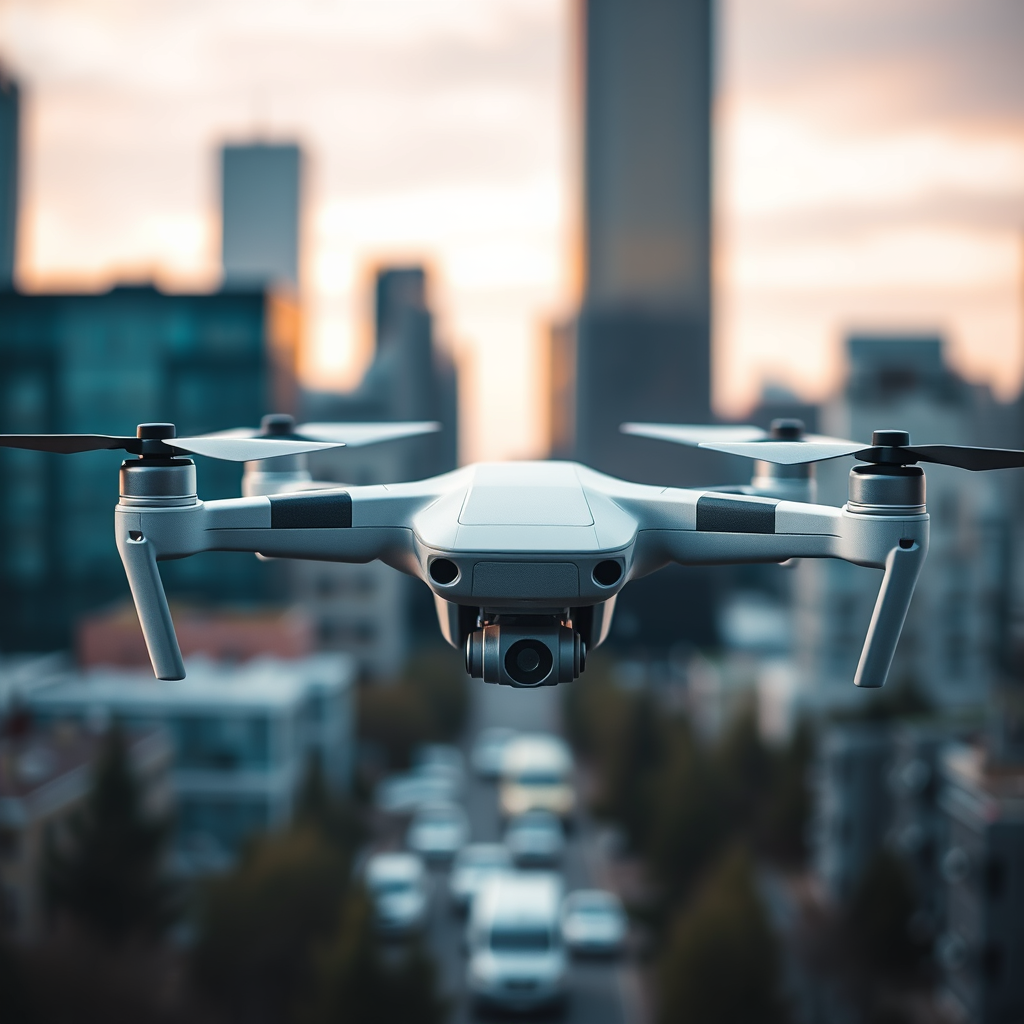
The Canadian Aviation Regulations (CARs) are the cornerstone of drone operation laws in Canada. These regulations are established by Transport Canada, which is responsible for ensuring the safety of civil aviation in the country. Under these guidelines, drones that weigh over 250 grams must be registered with Transport Canada, and operators must obtain a pilot certificate. Registration involves providing details about the drone, such as its make, model, and serial number, which helps in tracking and accountability.
For those flying drones weighing 250 grams or less, while registration is not required, operators are still encouraged to follow guidelines to ensure safe operation. The regulations encompass various aspects, including altitude limits, safe distances from populated areas, and adherence to no-fly zones. Familiarizing yourself with these regulations is essential for avoiding penalties and ensuring a safe flying experience.
Types of Drone Operations
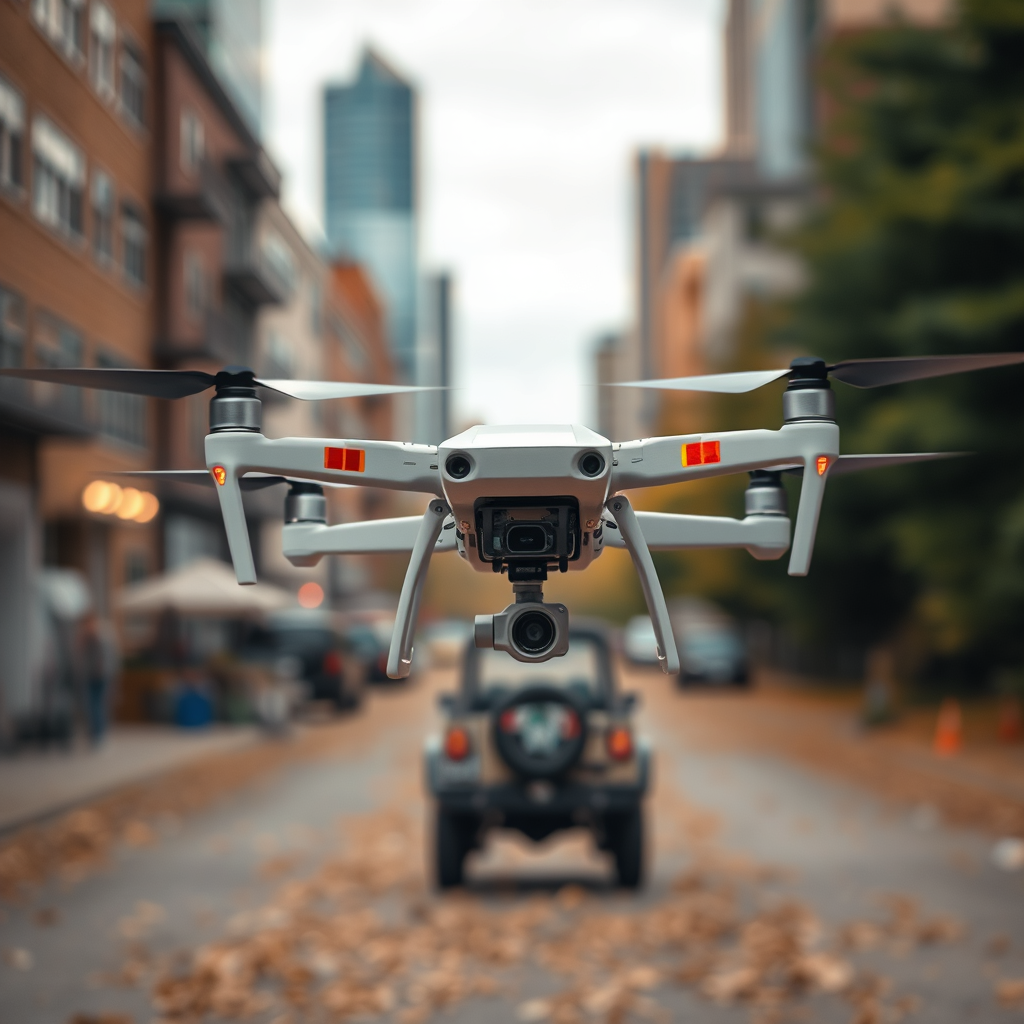
Drone operations in Canada can be categorized primarily into two types: recreational flying and commercial flying.
Recreational flying is akin to flying a model aircraft and is governed by more lenient rules, primarily focusing on basic safety and operational guidelines. Recreational drone pilots must have a basic understanding of the regulations and are required to operate within visual line of sight. This means you should always be able to see your drone without the aid of binoculars or other devices.
On the other hand, commercial flying involves using drones for business purposes, such as aerial photography, surveying, agriculture, and more. Commercial operators must adhere to stricter guidelines, including obtaining an Advanced Pilot Certificate, which requires passing a written exam and demonstrating flight proficiency. Additionally, commercial operators may need special permissions depending on their operational needs, such as flying in controlled airspace or near people.
Where You Can Fly Drones
Understanding where you can and cannot fly your drone is crucial to remaining compliant with Canadian regulations. Certain areas are designated as no-fly zones, which include airports, urban areas, and national parks. For example, flying within a 5.6-kilometer radius of an airport is prohibited unless you have special authorization. Urban areas pose a greater risk to safety and privacy, thus necessitating strict adherence to regulations.
Conversely, recommended flying locations include rural areas, open fields, and designated drone parks. Many municipalities have established drone parks specifically for this purpose, where drone enthusiasts can fly safely without infringing on the rights of others. Always check local regulations and guidelines, as they may vary from one province or municipality to another.
Drone Pilot Certification
To legally operate a drone in Canada, obtaining the appropriate pilot certification is essential. The Basic Pilot Certificate is the minimum requirement for most recreational flyers. This certification can be obtained by completing an online exam that tests your knowledge of drone regulations, safety guidelines, and operational procedures.
For those who intend to engage in more complex operations, the Advanced Pilot Certificate is necessary. This certification process is more rigorous, requiring candidates to pass a written exam and demonstrate their ability to fly in controlled airspace. The Advanced Pilot Certificate is ideal for commercial operators and those looking to push the boundaries of drone technology, as it opens up opportunities for more sophisticated aerial operations.
Safety Guidelines for Flying Drones
Safety is paramount when flying drones, and adhering to established safety guidelines can prevent accidents and ensure a positive experience for all involved. One of the most critical guidelines is to always maintain visual line of sight with your drone. This means you should be able to see your drone at all times without the use of visual aids.
Additionally, operators should avoid flying near people, animals, and vehicles. A good rule of thumb is to maintain a distance of at least 30 meters from anyone not involved in the operation. This helps to mitigate risks associated with potential crashes or loss of control. Furthermore, be mindful of weather conditions, as flying in high winds, rain, or poor visibility can compromise your ability to control the drone effectively.
Lastly, pre-flight checks are essential. Before each flight, inspect your drone for any mechanical issues, ensure that your battery is fully charged, and verify that your firmware is up to date. These precautions can significantly reduce the likelihood of accidents and improve your overall flying experience.
Consequences of Non-Compliance
Failing to comply with Canadian drone regulations can have serious consequences. Penalties for flying without proper registration or certification can include substantial fines and legal action. Transport Canada actively enforces these regulations and has the authority to impose penalties on operators who violate the rules.
In addition to financial penalties, non-compliance can lead to serious accidents, endangering the safety of others. For instance, flying in restricted airspace can obstruct commercial air traffic and lead to catastrophic incidents. Understanding the potential risks associated with non-compliance is crucial, not only for your safety but also for the safety of those around you.
In conclusion, flying a drone in Canada is possible if you adhere to the regulations and guidelines set forth by Transport Canada. Familiarizing yourself with the Canadian Aviation Regulations, understanding the types of drone operations, and obtaining the necessary certifications are vital steps towards responsible drone usage. Always prioritize safety by adhering to established guidelines and ensuring you are informed about local regulations. By doing so, you can enjoy the benefits of drone technology while contributing to a safer aerial environment for everyone.
Frequently Asked Questions
What are the legal requirements to fly a drone in Canada?
To fly a drone in Canada, you must adhere to the regulations set by Transport Canada. This includes registering your drone if it weighs between 250 grams and 25 kilograms, obtaining a Special Flight Operations Certificate (SFOC) for advanced operations, and following the safety guidelines outlined in the Canadian Aviation Regulations (CARs). Additionally, drone pilots must maintain a distance of at least 30 meters from people and avoid flying near airports and restricted airspace.
How do I register my drone in Canada?
To register your drone in Canada, visit the Transport Canada website and create an account on the Drone Management Portal. You will need to provide information about your drone, including its make, model, and serial number. After completing the registration process, you’ll receive a unique registration number that must be marked on your drone before you can legally fly it. This process helps ensure accountability and safety in Canadian airspace.
Why is it important to follow drone flying regulations in Canada?
Following drone flying regulations in Canada is crucial for maintaining public safety and airspace integrity. By adhering to the rules, you minimize the risk of accidents with other aircraft and ensure the safety of people on the ground. Non-compliance can lead to hefty fines, legal consequences, and potential harm to others. Understanding and following these regulations not only protects you as a drone operator but also contributes to the responsible use of drone technology in Canada.
What are the best practices for flying a drone safely in Canada?
The best practices for flying a drone safely in Canada include conducting a pre-flight check to ensure that your drone is in good working order, always keeping your drone within visual line of sight, and avoiding flying in adverse weather conditions. Additionally, it’s essential to respect the privacy of others by not flying over private property without permission and to stay clear of populated areas. By following these best practices, you can help ensure a safe and enjoyable flying experience.
Which areas are restricted for drone flying in Canada?
In Canada, restricted areas for drone flying include zones near airports, heliports, and military bases, as well as national parks and wildlife reserves. You can find a detailed map of restricted airspace on the NAV CANADA website or use apps designed for drone pilots that provide real-time airspace information. It’s vital to plan your flight carefully and check for any temporary flight restrictions to avoid potential violations and ensure safe operations.
References
- https://www.canada.ca/en/transport-canada/services/drone-safety.html
- https://www.tc.gc.ca/en/services/drone-safety.html
- https://www.cbc.ca/news/canada/drone-regulations-1.5463642
- https://www.theglobeandmail.com/business/article-what-you-need-to-know-about-drone-regulations-in-canada/
- https://en.wikipedia.org/wiki/Unmanned_aerial_vehicle#Regulations_in_Canada
- https://www.aviation.ca/faq/drone-flying-in-canada/
- https://www.ontario.ca/page/drone-safety-guide
- https://www.nrcan.gc.ca/our-natural-resources/minerals-mining/drone-use-mining/21908
