
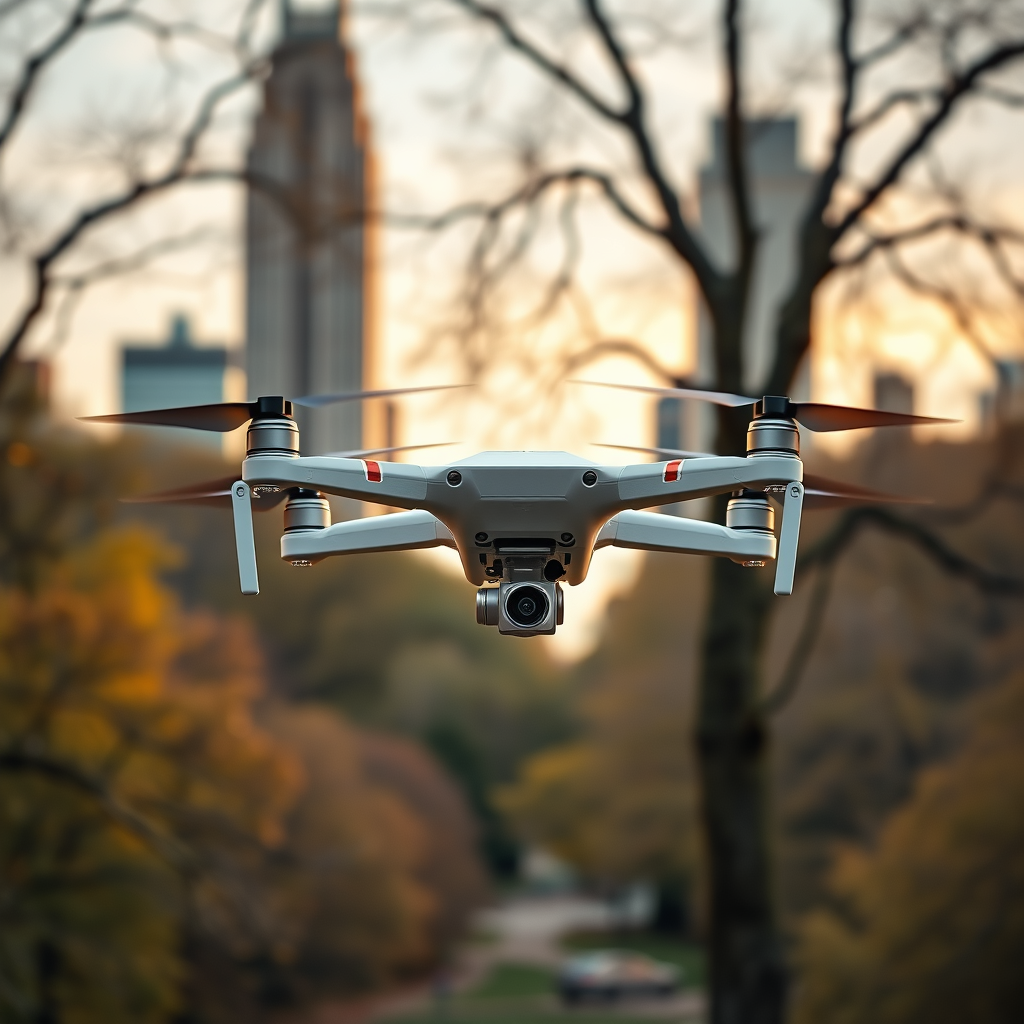
Yes, you can fly a drone in Central Park, but there are strict regulations and guidelines you must follow. These rules are designed to ensure the safety of park visitors, wildlife, and the overall environment. Familiarizing yourself with the necessary permissions, safety protocols, and designated areas is crucial for a responsible and legal flying experience in one of New York City’s most iconic parks.
Understanding the Regulations
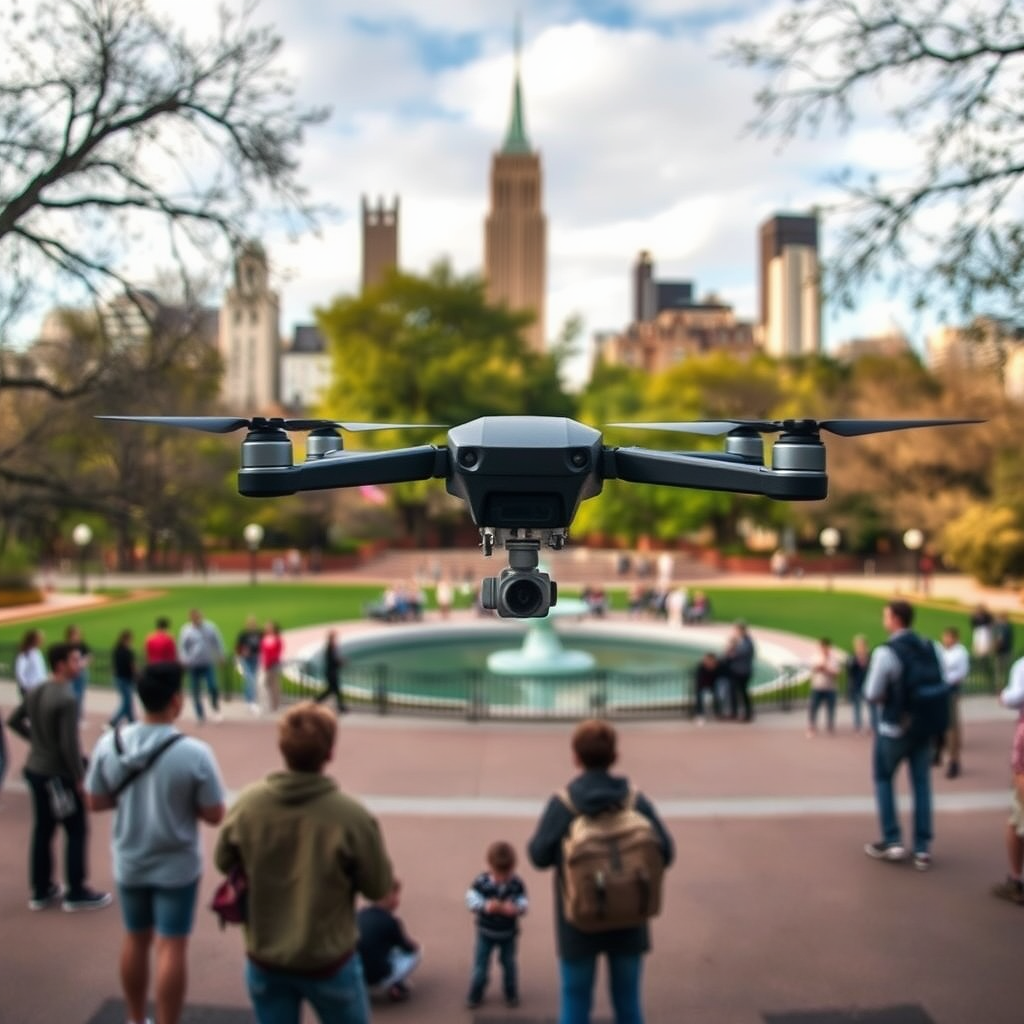
Central Park operates under the jurisdiction of both the Federal Aviation Administration (FAA) and New York City laws. The FAA governs the airspace and sets national standards for drone operation, while city laws impose additional restrictions, particularly concerning public safety and conservation efforts. According to New York City Department of Parks & Recreation, drones are generally prohibited in city parks unless you obtain a special permit. This means that any recreational drone operation without a permit could be subject to fines and other legal repercussions.
Moreover, the New York City Parks Department has specific guidelines that restrict the use of drones in areas with heavy foot traffic or sensitive ecosystems. For instance, flying near playgrounds, sports fields, and wildlife habitats is heavily regulated to protect both park users and the natural environment. Understanding these regulations not only helps you avoid legal issues but also promotes a culture of respect and safety among all park visitors.
Required Permits and Permissions
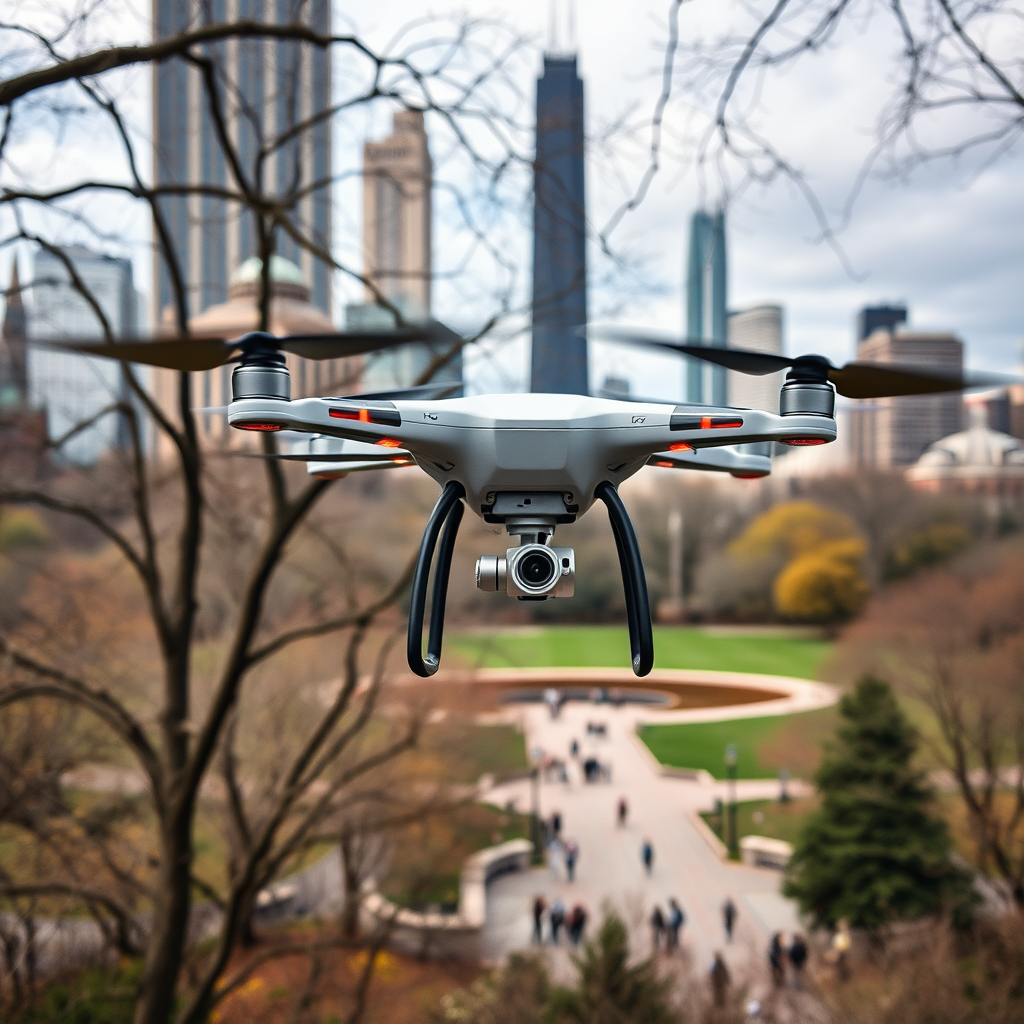
For those looking to use a drone for commercial purposes in Central Park, obtaining a permit from the New York City Parks Department is mandatory. This process involves submitting an application that outlines the purpose of the drone operation, along with proof of insurance and adherence to FAA regulations. The Parks Department evaluates each application carefully, considering factors such as public safety and potential disruption to park activities.
Recreational users, on the other hand, must ensure they are compliant with FAA regulations, which typically require drone registration for devices weighing more than 0.55 pounds. This involves registering your drone online through the FAA’s website and receiving a unique identification number to affix to your drone. While registration may not be required for all recreational drone users, it is highly recommended to avoid complications during flight.
Safety Guidelines for Drone Flying
Flying a drone safely requires strict adherence to several guidelines. First and foremost, maintaining a visual line of sight with your drone at all times is essential. This means you should be able to see your drone without the aid of binoculars or other devices. Additionally, flying below 400 feet is crucial to avoid interference with manned aircraft, which typically operate at altitudes above this limit.
Moreover, it is advisable to avoid flying during high winds or inclement weather, as these conditions can significantly affect your drone’s stability and control. Implementing a pre-flight checklist can also help ensure that your drone is in good working order. This checklist should include battery checks, propeller inspections, and GPS calibration, all of which contribute to a safer flying experience.
Lastly, it is important to respect the privacy of others while flying your drone. Avoid capturing images or videos of individuals without their consent, as this can lead to privacy violations and potential legal issues.
Designated Flying Areas
Familiarizing yourself with specific areas in Central Park where drone flying may be allowed is key to a successful experience. While most of the park is off-limits for drone use, certain designated zones may permit flying under specific conditions. Before heading out, it is prudent to check the New York City Parks Department’s official website or contact them directly for the latest information on approved flying areas.
When flying your drone, always avoid crowded areas and sensitive wildlife habitats. For example, areas near popular attractions like Bethesda Terrace or the Great Lawn are typically bustling with visitors and should be avoided to prevent accidents. Likewise, regions that are home to nesting birds or other wildlife should also be off-limits to protect these species and their habitats.
Being mindful of where you fly not only promotes safety but also helps maintain the park’s serene environment, allowing everyone to enjoy the natural beauty of Central Park without disturbance.
Potential Risks and Consequences
Flying a drone without permission in Central Park can lead to severe consequences, including fines and potential legal action. The New York City Parks Department has enforcement officers who are vigilant about unauthorized drone activity. If caught flying without a permit, you may face fines that can range from a few hundred to several thousand dollars, depending on the severity of the violation.
In addition to legal repercussions, there are inherent risks associated with drone flying, such as accidents involving pedestrians, wildlife, or other aircraft. Drones can malfunction or be difficult to control, especially in crowded spaces, leading to accidents that can result in injury or property damage. The potential impact on wildlife, particularly in sensitive areas, can also have long-lasting ecological consequences.
Therefore, it is vital to approach drone flying in Central Park with an understanding of these risks and a commitment to safety and legality.
Community Input and Resources
Engaging with local drone flying communities can provide valuable insights and best practices for responsible flying. Many enthusiasts share tips, experiences, and resources that can help you navigate the complexities of drone operation in urban environments. Online forums, social media groups, and local meetups can be excellent platforms for connecting with other drone pilots.
Moreover, utilizing online resources for the latest updates on regulations and park guidelines is essential. Websites like the FAA’s official site and the New York City Parks Department page offer comprehensive information regarding drone policies. Staying informed about changes in laws or new designated areas for flying can significantly enhance your flying experience and ensure compliance with current regulations.
Additionally, participating in workshops or training sessions offered by drone organizations can further improve your skills and knowledge about safe and responsible flying.
In conclusion, while flying a drone in Central Park is possible, it comes with specific rules and responsibilities that must be adhered to. Understanding the regulations, obtaining the necessary permits, and following safety guidelines are crucial for a safe and enjoyable experience. Always keep yourself informed of the latest regulations and respect the park’s natural environment and its visitors. By doing so, you can ensure a positive drone flying experience that contributes to the vibrant community of Central Park.
Frequently Asked Questions
Can I legally fly a drone in Central Park?
No, flying a drone in Central Park is generally prohibited. The New York City Parks Department has strict regulations that ban drone use in all city parks, including Central Park, due to safety concerns and the potential for disturbances to wildlife and other park visitors. It’s important to check local regulations before flying a drone anywhere to avoid fines or legal issues.
Why are drones not allowed in Central Park?
Drones are not allowed in Central Park primarily for safety reasons and to protect the park’s environment. The presence of drones can pose risks to people, wildlife, and the natural landscape. Additionally, the high volume of visitors in Central Park makes it a challenging environment for safe drone operation, leading to the prohibition of their use.
What are the drone regulations in New York City?
In New York City, drone regulations include a complete ban on flying in city parks, including Central Park, as well as near airports and crowded areas. Operators must also adhere to FAA regulations, which require drones to be flown below 400 feet, away from people, and within the visual line of sight. Understanding and following these regulations is crucial for safe and legal drone operation in urban environments.
How can I find places to fly my drone legally near Central Park?
To find legal places to fly your drone near Central Park, consider heading to designated drone-friendly areas outside of city parks. Local parks, open fields, or specific recreational zones that permit drone flying are good options. Additionally, online resources such as the FAA’s website and drone community forums can provide valuable information about local regulations and potential flying spots.
Which drones are suitable for flying in crowded areas if permitted?
If you find a legal area to fly your drone in a crowded setting, consider using smaller, quieter drones that are designed for indoor or urban flying, such as the DJI Mini series or the Parrot Anafi. These drones are lightweight, less intrusive, and often come equipped with advanced safety features. Always remember to maintain a safe distance from people and follow local regulations to ensure a safe flying experience.
References
- https://www.nyc.gov/site/dep/environment/drone-use.page
- https://www.nps.gov/subjects/science/drone-use-in-national-parks.htm
- https://www.nyc.gov/site/parks/about/drones-in-parks.page
- https://www.nytimes.com/2021/09/17/nyregion/drone-central-park.html
- https://www.wired.com/story/drone-regulations-nyc-parks/
- https://www.faa.gov/uas/resources/policy_library/
- https://www.nyc.gov/site/parks/learn/drone-use-in-parks.page
