
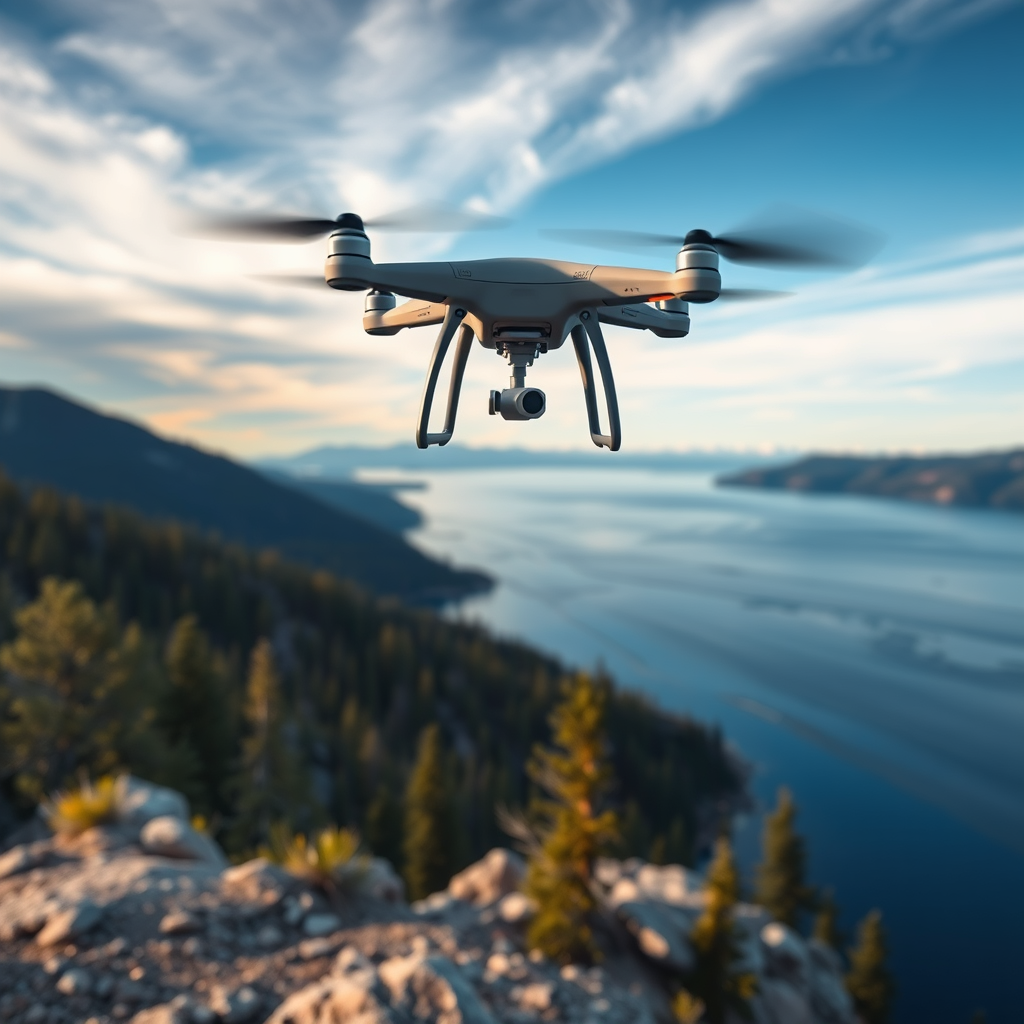
Yes, you can fly a drone in Lake Tahoe, but there are specific regulations and guidelines you need to follow to ensure safety and compliance. The breathtaking scenery and diverse wildlife make Lake Tahoe an appealing destination for drone enthusiasts; however, understanding local laws and respecting the natural environment is essential to enjoying your drone experience while minimizing any negative impact.
Understanding Local Drone Regulations
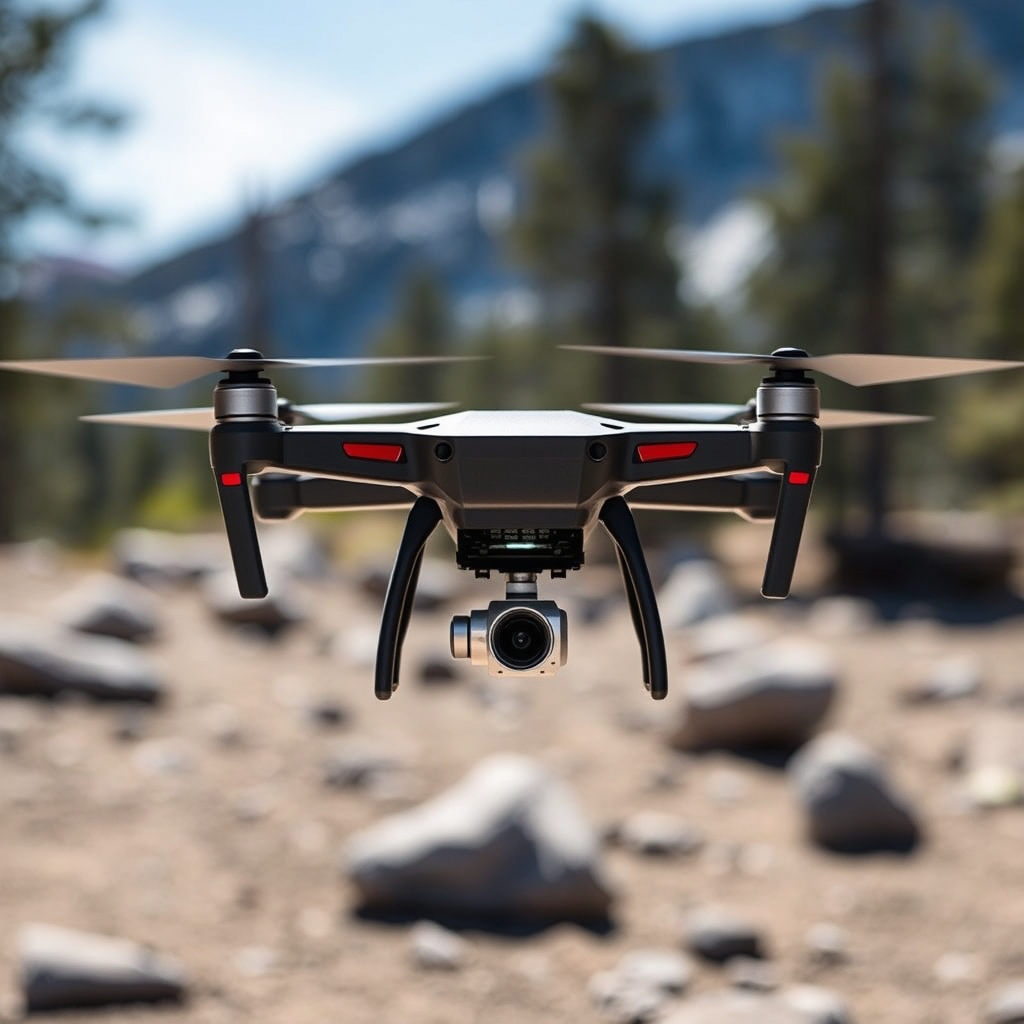
Before setting out on your drone-flying adventure in Lake Tahoe, it is crucial to understand the Federal Aviation Administration (FAA) regulations that govern drone usage. All drone operators must adhere to the FAA’s Part 107 guidelines, which include registering your drone if it weighs over 0.55 pounds, flying below 400 feet, and maintaining visual line-of-sight with the aircraft. Additionally, you should not fly your drone near airports or in restricted airspace without proper authorization.
In addition to federal regulations, local laws may impose further restrictions. In the Lake Tahoe area, you should be aware of specific ordinances established by local government agencies, including the Tahoe Regional Planning Agency (TRPA). These regulations often focus on protecting the environment and public safety. It is advisable to check the TRPA’s website or contact local authorities to ensure you are fully informed about any additional requirements before launching your drone.
Designated Flying Zones
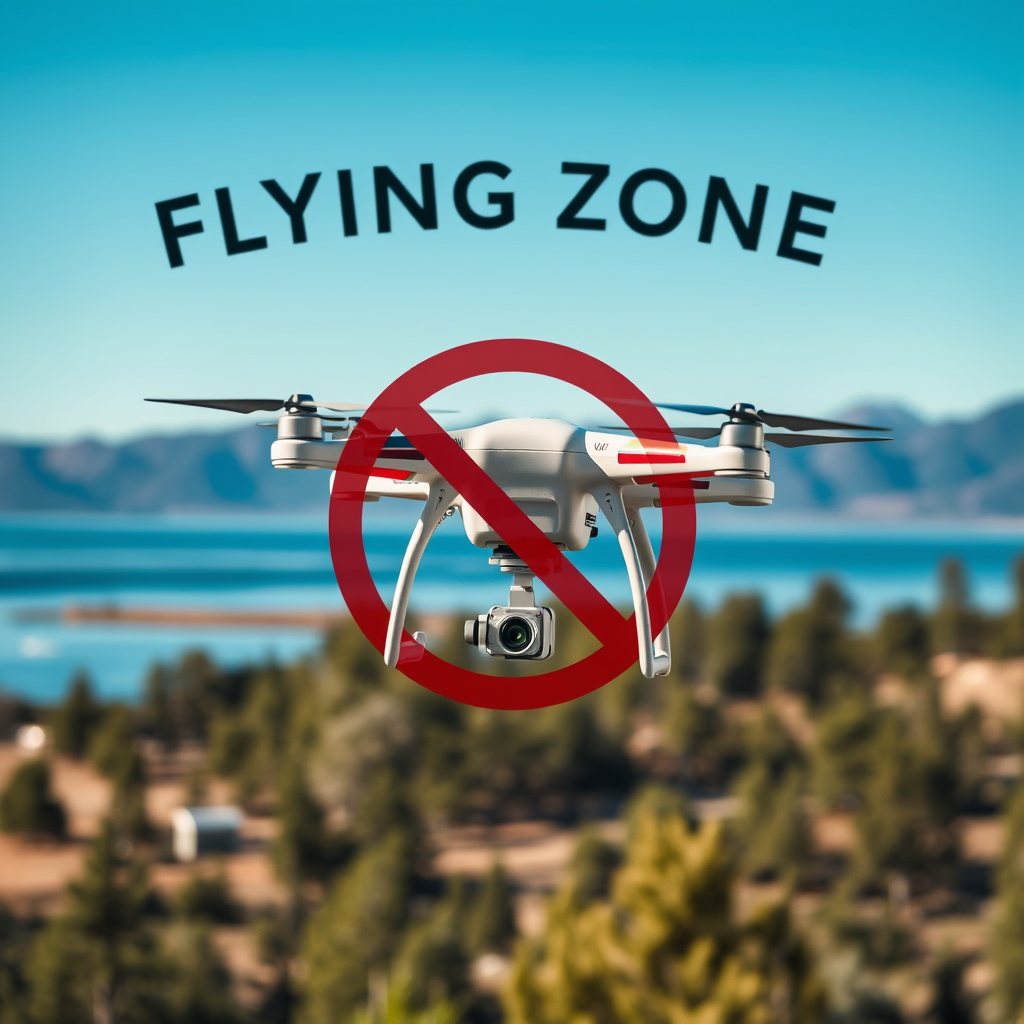
Lake Tahoe is a popular region for recreational activities, and it has specific areas where drone flying is permitted. Popular spots for drone enthusiasts include the Lake Tahoe Basin Management Unit, where designated areas allow for aerial photography and recreational flying. However, it is essential to confirm that you are in a legally permitted zone by consulting local maps and guidelines.
Conversely, there are several no-fly zones in the Lake Tahoe area. For instance, flying drones is prohibited in national parks, such as the Lake Tahoe Nevada State Park and the Desolation Wilderness. These areas are home to sensitive ecosystems, and drone usage can disturb wildlife and interfere with the natural landscape. Always respect these boundaries to ensure the protection of the area’s flora and fauna.
Best Practices for Responsible Drone Flying
Responsible drone flying is not just about following regulations; it also involves being considerate of others and the environment. One of the most important guidelines is to respect privacy—avoid flying over private property or areas where individuals may expect to have their privacy upheld. This not only prevents potential legal issues but also fosters goodwill within the community.
Additionally, maintaining a safe distance from people, wildlife, and infrastructure is essential. Drones can be noisy and may startle animals, which can lead to unintended consequences for local ecosystems. Always prioritize safety by keeping a minimum distance of at least 100 feet from individuals and animals. This practice helps ensure that your drone experience does not disrupt the natural beauty and tranquility of Lake Tahoe.
Environmental Considerations
Lake Tahoe is renowned for its pristine environment, crystal-clear waters, and diverse wildlife, making it vital for drone pilots to understand the ecological sensitivity of the area. The Lake Tahoe Basin is home to several endangered species and delicate habitats, including marshlands and forests that require protection from human activities.
When flying your drone, be mindful of wildlife habitats and nesting areas. For example, birds may be nesting in the vicinity, and drone activity can disturb them. It is best to educate yourself about local wildlife and avoid flying in areas known for sensitive species during their breeding seasons. Additionally, consider the impact of your drone on the natural landscape—choose flight paths that minimize disruption to scenic vistas and natural formations.
Tips for a Successful Drone Experience
To ensure a successful and enjoyable drone experience in Lake Tahoe, consider planning your flight times carefully. Avoid peak tourist hours, typically during weekends and holidays, to minimize congestion and enhance your flying experience. Early mornings or late afternoons are often ideal times for both aerial photography and avoiding crowds.
Moreover, ensure that your drone is in good working condition before taking off. Conduct pre-flight checks, including verifying battery levels, checking for firmware updates, and inspecting propellers for any damage. A fully charged drone will not only improve your flight experience but also prevent the frustration of an unexpected landing mid-flight.
Resources for Drone Pilots
For drone enthusiasts looking to stay informed about airspace regulations and local laws, several resources can provide valuable information. Utilizing apps such as AirMap or the FAA’s B4UFLY app can help you stay up-to-date on airspace restrictions and other relevant data. These tools enable you to plan your flights more effectively and ensure compliance with regulations.
Additionally, consider joining local drone enthusiast groups or online forums, such as those found on social media platforms. Engaging with other drone pilots can yield useful tips, recommendations for flying locations, and insights into the best practices for responsible drone operation in the Lake Tahoe area.
In conclusion, while flying a drone in Lake Tahoe is possible, adhering to local regulations and respecting the environment is crucial. By following the provided guidelines—understanding local laws, identifying designated flying zones, practicing responsible flying, considering environmental sensitivities, and utilizing available resources—you can enjoy your drone adventures responsibly. Remember, your actions as a drone pilot can have a lasting impact on the stunning landscapes and wildlife of Lake Tahoe. Happy flying!
Frequently Asked Questions
Can I fly a drone in Lake Tahoe without any permits?
Flying a drone in Lake Tahoe typically requires adherence to both federal and local regulations. While the Federal Aviation Administration (FAA) governs airspace and requires registration for drones over 0.55 pounds, certain areas around Lake Tahoe may have specific restrictions or require permits, especially in sensitive ecological zones like state parks and national forests. It’s essential to check local laws and regulations to ensure compliance before launching your drone.
What are the best places to fly a drone in Lake Tahoe?
The best places to fly a drone in Lake Tahoe include scenic locations like Emerald Bay, Sand Harbor, and Spooner Lake, which offer breathtaking views and wide-open spaces. However, keep in mind that some areas may have restrictions, such as state parks and beaches. Always verify local regulations to find designated areas where drone flying is permitted for a safe and enjoyable experience.
Why are there restrictions on flying drones in Lake Tahoe?
Restrictions on flying drones in Lake Tahoe are primarily in place to protect the area’s unique natural environment and wildlife. The region is known for its stunning landscapes and sensitive ecosystems, which can be disrupted by drone activity. Additionally, safety concerns for other visitors and compliance with FAA regulations contribute to these restrictions, ensuring that everyone can enjoy the beauty of Lake Tahoe without disturbance.
How can I ensure my drone flight is safe and compliant in Lake Tahoe?
To ensure safe and compliant drone flights in Lake Tahoe, first familiarize yourself with the FAA regulations and local laws regarding drone usage. Always check for temporary flight restrictions (TFRs) in the area, avoid flying near crowded places, and maintain visual line-of-sight with your drone. Additionally, it’s advisable to conduct a pre-flight check and be aware of weather conditions to ensure a safe flying experience.
Which drone models are best suited for flying in Lake Tahoe?
The best drone models for flying in Lake Tahoe are those equipped with high-quality cameras and robust battery life, such as the DJI Mavic Air 2, DJI Phantom 4 Pro, and Autel Robotics EVO Lite+. These drones offer excellent stability and image quality, which are essential for capturing the stunning landscapes of Lake Tahoe. Always consider the weight and size of your drone, as larger drones may face more stringent regulations in certain areas.
References
- https://www.faa.gov/uas/getting_started/regulations
- https://www.laketahoeinfo.org/
- https://www.governor.nv.gov/News/PressReleases/2021/2021-06-23-Drone-Use-in-Lake-Tahoe/
- https://www.trpa.gov/
- https://www.usfs.usda.gov/detail/ltbmu/home/?cid=FSEPRD578667
- https://www.nps.gov/lavo/planyourvisit/drone-use.htm
